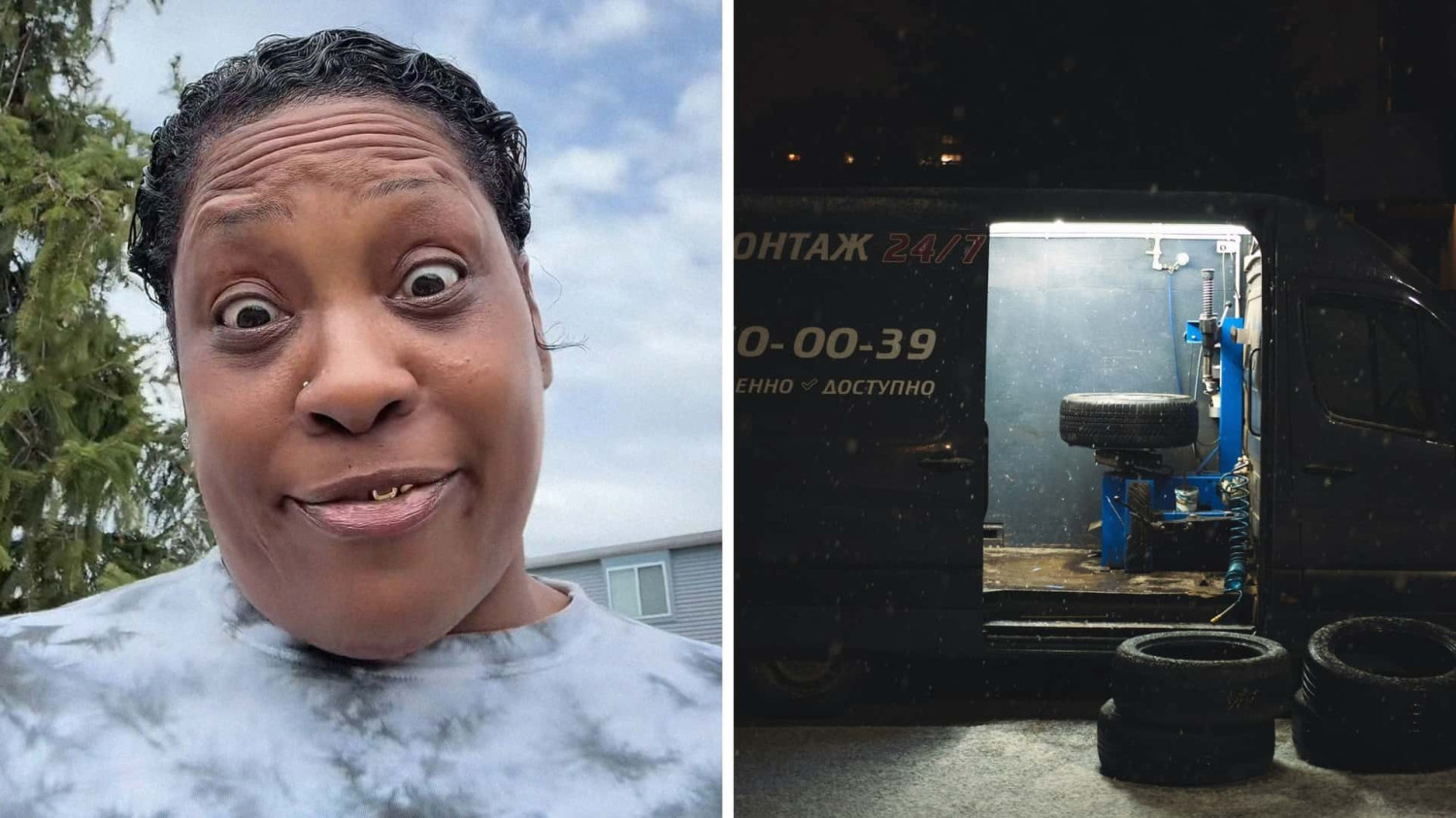
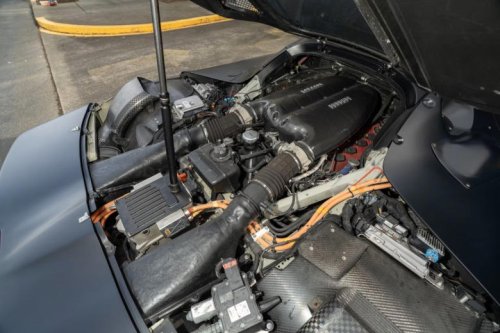
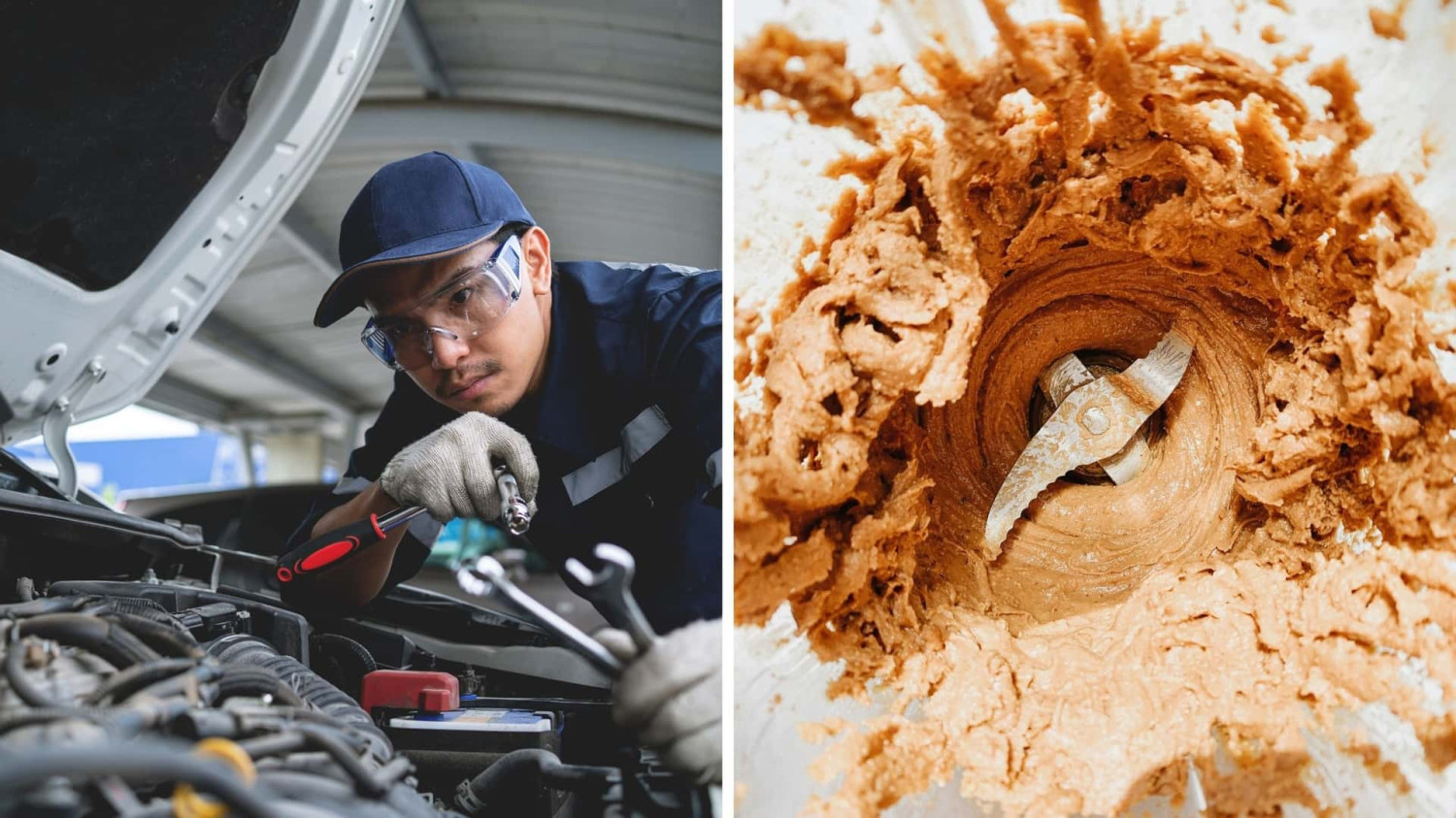
The inside of the engine looked less like a catastrophic mechanical failure and more like someone had filled it with maple-nut ice cream. But the beige, peanut-butter-thick sludge coating every surface wasn’t dessert. It was the result of a surprisingly common mistake caught on video. The Facebook Reel post from Thailand-based automotive creator Marie Marie shows what appears to be the messy aftermath of a very costly car maintenance error. And it serves as a lesson in the importance of knowing which caps and openings go to which chambers and tanks under the hood. "What you're looking at isn't caramel or peanut butter," notes the unnamed narrator in the clip that’s been viewed more than 447,000 times. "It's what happens when someone pours one and a half gallons of windshield washer fluid where the motor oil should go." As the narrator continues describing the scene, the camera pans across an engine full of tan-colored, whipped sludge, which is actually an emulsion created when washer fluid circulates where oil is supposed to lubricate metal components. The ingredients in most windshield washer fluids, typically a blend of water, detergents, and methanol, are not remotely compatible with internal combustion engines. When churned by the crankshaft and valvetrain, those substances mix with the remaining oil and form a thick, aerated paste. According to the US Department of Energy, even small amounts of water contamination can strip an engine of its protective oil film, causing metal-to-metal contact and accelerated wear. The video suggests that roughly 1.5 gallons of washer fluid made its way into the crankcase, which is significantly more than the oil capacity of many small passenger cars, which typically ranges from four to six quarts, depending on the engine. With that much non-lubricating fluid in circulation, mechanical damage can occur almost instantly if the engine is run. At a minimum, the oil pump pulls the mixture through the system, distributing the sludge to journals, bearings, and cams. At worst, the lack of lubrication can seize the engine, a repair that often exceeds the value of older vehicles. Peanut Butter Engine: a Familiar Disaster While the clip elicited plenty of shock and humor from viewers, several commenters noted that mistakes like this aren’t unheard of, especially among inexperienced drivers or in vehicles with confusing under-hood layouts. One commenter said they had "seen this before" at a self-serve fueling station, and another joked that oil in the washer tank is just as common. That’s an exaggeration, but not without some truth. Many professional technicians say they regularly see incorrect fluid fills, whether it’s coolant in the overflow bottle of a hybrid inverter or motor oil in a brake reservoir. The National Highway Traffic Safety Administration has long advised drivers to consult their owner’s manual when adding or checking fluids, noting that the wrong fluid in the wrong system can cause dangerous or irreversible damage. What makes this case dramatic is the visual payoff. Emulsified oil, sometimes nicknamed "mayonnaise" in repairs involving failed head gaskets, typically appears when coolant and oil mix due to a blown gasket or cracked engine component. In those cases, the resulting sludge is a warning sign of internal coolant leaks. But washer fluid produces a different texture because of its detergents and the high water content. When whipped inside a hot engine, it becomes lighter, frothier, and closer to what the narrator calls "caramel or peanut butter." As demonstrated in Society of Automotive Engineers (SAE International) studies on lubricant contamination, adding water to engine oil can reduce viscosity, corrode internal components, and degrade additives that protect against wear. Fixing an Engine Full of Washer Fluid If an engine hasn’t been run after a major misfill, a series of thorough oil drains and flushes can sometimes save it. Technicians usually refill the crankcase with inexpensive oil, run the engine briefly to circulate it, then drain everything again, repeating the process until the remaining fluid clears. Repair guides and forums emphasize that the oil filter should be replaced each time, since it quickly becomes saturated with contaminated sludge. But once an engine has run long enough to whip the mixture into the thick emulsion seen in the video, deeper inspection is inevitable. Bearings may already be scored or overheated. Cam lobes and lifters can flatten. Turbos, if equipped, lose lubrication immediately and may fail within seconds. Even if the engine still turns over, repairs can climb into the thousands, sometimes more than the cost of sourcing a replacement engine. One viewer summed it up bluntly in the comments: "My credit card just cried for the owner." Confusion over fluid locations is not unique to beginners. Under-hood layouts vary widely among automakers, and fluid caps often share similar colors. Washer fluid caps are commonly blue, but on some vehicles, so are coolant caps. Some oil fill caps are tucked behind engine covers or placed close to PCV hoses or brake reservoirs. A 2023 J.D. Power study on owner-reported maintenance errors notes that unclear labeling and cramped layouts are frequent contributors to fluid mix-ups. Add in the rise of modern DIY culture encouraged by quick-fix videos on TikTok and YouTube, and it’s easy to see how even well-intentioned owners can misidentify a cap when topping up fluids. In the end, the viral video’s shock value lies not just in the peanut-butter appearance of the emulsified mess, but in the simplicity of the mistake that caused it. One wrong cap opened, one wrong bottle poured, and an otherwise healthy engine is suddenly turned into an ice-cream-colored warning about the importance of basic maintenance knowledge. For all the jokes about caramel dip and maple-nut icing, the narrator makes the stakes clear in the first seconds of the clip. What you’re seeing isn’t dessert, but what happens when one of a car’s most essential fluids is replaced with something never meant to coat metal surfaces moving thousands of times per minute. Motor1 reached out to the creator via email and direct message. We’ll update this if they respond. We want your opinion! What would you like to see on Motor1.com? Take our 3 minute survey. - The Motor1.com Team



















 +4 others