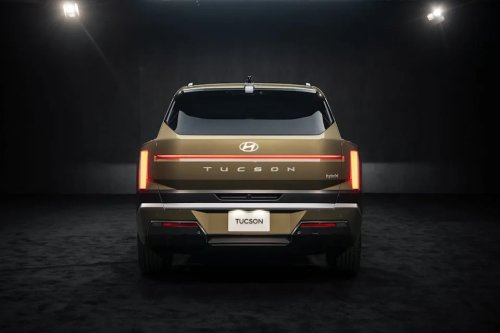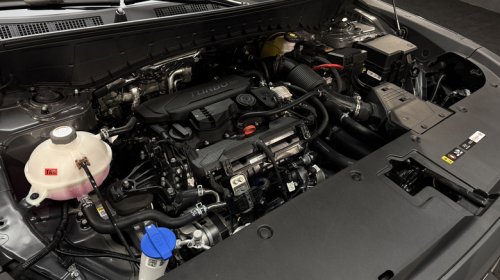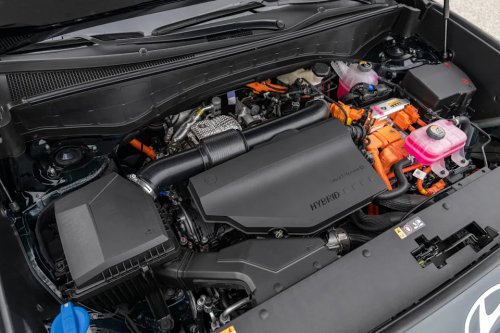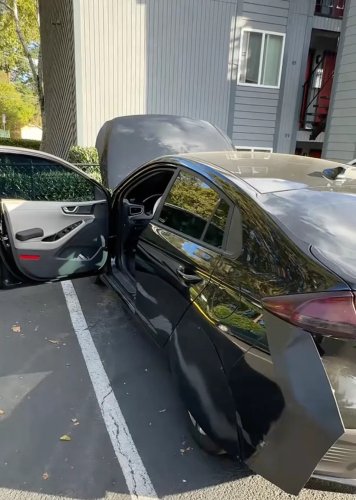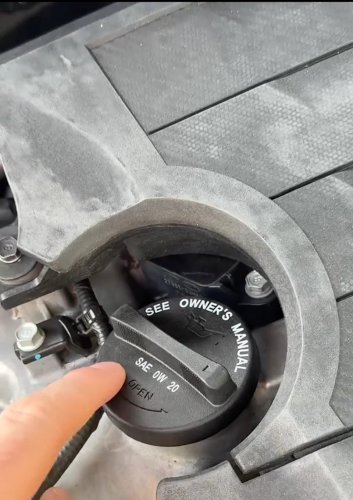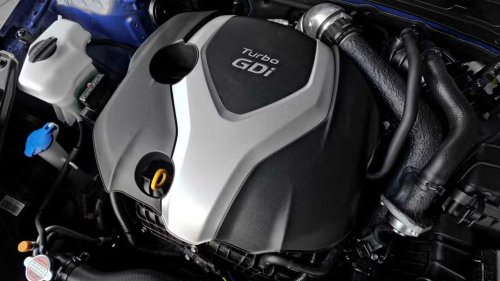
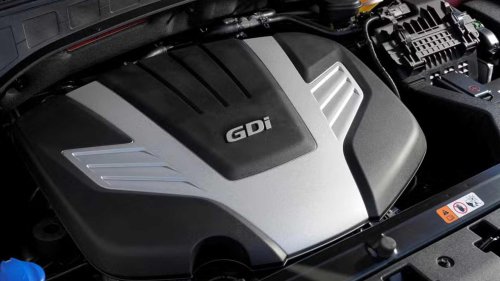

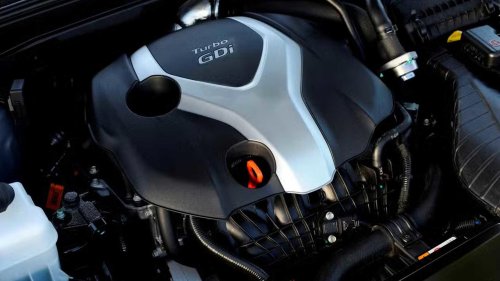


















Hyundai built its modern reputation on competitive pricing, long warranties, and engines designed for everyday durability. That image started to crack when a widely used four-cylinder began failing in ways owners could not ignore. Reports of engine knock, sudden power loss, and, in some cases, engine fires spread across millions of vehicles. What began as scattered complaints quickly turned into recalls, lawsuits, and federal scrutiny.This soon became a large-scale engine recall with real safety implications, billions in financial exposure, and lasting consequences for Hyundai’s credibility in the U.S. market. The Hyundai Theta II Engine Recall Began With A Manufacturing Defect Via: Hyundai Hyundai introduced the Theta II engine family in the late 2000s as a modern, efficient four-cylinder designed to cover a lot of ground. Displacements typically ranged from 2.0 to 2.4 liters, with both naturally aspirated and turbocharged variants. The goals were straightforward: competitive power, good fuel economy, and the ability to scale production across multiple plants and regions.That flexibility made the Theta II a backbone engine. It powered sedans, crossovers, and compact SUVs across Hyundai and Kia lineups for more than a decade. High volumes kept costs down and simplified parts logistics, but they also meant that any underlying defect would trigger recalls affecting millions of Hyundai and Kia vehicles across more than a decade of production. How Connecting-Rod Bearing Wear Led To Engine Failures At the center of the Hyundai Theta II engine recall is premature connecting-rod bearing wear. Rod bearings sit between the crankshaft and the connecting rods, allowing smooth rotation under load. When they lose proper lubrication or suffer surface damage, friction rises quickly.Investigations and teardown analyses pointed to manufacturing debris and inconsistent oil flow as contributors. Metal shavings left from machining could restrict oil passages, while bearing surfaces degraded faster than expected. Owners often reported a knocking sound at startup or under light acceleration. From there, the progression was predictable: oil pressure dropped, bearing clearance increased, and the engine eventually seized. This Turned Into A Fire Risk In some cases, catastrophic bearing failure punched a hole in the engine block. Escaping oil could contact hot exhaust components, creating a fire risk. That shift changed the problem from a durability issue into a safety concern. Once fires entered the picture, recalls expanded and regulators took closer interest. Early warning signs owners reported Metallic knocking or ticking from the engine Oil-pressure warning lights Sudden loss of power or engine shutdown Burning smells or visible smoke Federal Scrutiny Escalated The Theta II Problem Via: Hyundai As failures mounted, owners filed thousands of complaints with the National Highway Traffic Safety Administration. Regulators noticed consistent patterns: similar mileage at failure, repeated bearing knock descriptions, and reports of fires following engine seizure. These were not isolated incidents tied to poor maintenance or extreme use.The volume and consistency of complaints prompted formal defect investigations. Once NHTSA opened those files, Hyundai’s internal data and recall decisions came under scrutiny. Allegations of Delayed Recalls And Incomplete Reporting NHTSA concluded that Hyundai did not act quickly enough in some cases and failed to provide complete and timely defect information. Federal law requires automakers to report safety defects promptly and accurately. Any delay can expose drivers to unnecessary risk and carry serious penalties.Those findings raised the stakes. The issue was no longer limited to whether an engine design failed, but whether the company met its legal obligations once the failures became clear. The Whistleblower Case That Changed The Investigation A former Hyundai engineer provided regulators with internal information that strengthened NHTSA’s case. Whistleblower involvement is rare in automotive recalls, and it significantly altered the investigation’s trajectory. The disclosures led to enforcement actions and a high-profile whistleblower award.Reporting by outlets such as Reuters highlighted how unusual the case was. It underscored the seriousness of the alleged reporting failures and cemented the Theta II saga as a landmark safety investigation, not just a costly recall. The $5 Billion Hyundai And Kia Class-Action Settlements Via: Hyundai The Hyundai class action settlement did not hinge on trim levels or optional equipment. Coverage depended on engine type. Vehicles equipped with specific versions of the Theta II four-cylinder fell under the agreement, spanning multiple Hyundai and Kia nameplates across sedans and crossovers. The breadth of coverage reflected how widely the engine was deployed during its peak production years.Because eligibility depended on production details, VIN verification became essential. Two cars that look identical on the surface could fall on opposite sides of coverage depending on build date, plant, or engine variant. Both brands directed owners to the official VIN lookup tool to confirm inclusion. However, here is a general list of some of the models that were affected by the recall.Hyundai Sonata Model years 2011–2019 Primarily 2.0-liter and 2.4-liter Theta II engines, including GDI variants. Hyundai Santa Fe / Santa Fe Sport Model years 2013–2018 Mostly 2.4-liter Theta II engines in Santa Fe Sport models. Hyundai Tucson Model years 2014–2015 Limited to specific Theta II-equipped trims and production runs. Kia Optima Model years 2011–2018 Both 2.0-liter turbo and 2.4-liter Theta II engines. Kia Sportage Model years 2011–2016 Theta II 2.4-liter engines in certain configurations. Warranty Extensions And Engine Replacement Terms Eligibility often required installation of updated knock-sensor software designed to detect early bearing wear. If the software flagged a problem, dealers were authorized to inspect and, if necessary, replace the engine at no cost. These terms were administered under the umbrella of Hyundai Motor Group, covering both brands. Reimbursements, Fire Claims, And Owner Compensation The settlement also addressed past losses. Owners could seek reimbursement for qualifying engine repairs, towing, rental cars, and related expenses. Vehicles damaged or destroyed by engine-related fires qualified for additional compensation under defined criteria. Claims required documentation and adherence to filing deadlines, which varied by benefit type. Recommendations for owners Park car outdoors Check VIN eligibility through official settlement tools (NHTSA) Install required software updates at a dealer Gather repair, towing, and rental receipts File claims before posted deadlines The Recall Raised a Bigger Question About Long-Term Reliability Via: Hyundai Engine recalls operate on a different financial scale than typical fixes. Replacing an engine costs exponentially more than swapping an airbag inflator or updating software. When millions of vehicles face potential engine replacement, the numbers climb quickly. Between recall repairs, warranty extensions, legal settlements, and regulatory penalties, estimates tied to this crisis reached into the billions.That scale explains why the Theta II issue remained in the spotlight for years. It represented a long-term financial commitment rather than a one-time corrective action. Hyundai’s Reliability Perception Took A Hit Reliability reputation depends on trust built over time. Widespread reports of engine failure undercut Hyundai’s message of worry-free ownership and affected resale values for certain models. Owner confidence weakened as stories of repeat failures circulated, even among vehicles that never experienced problems firsthand.Third-party reliability assessments reflected this turbulence, showing uneven results during the height of the recall period. Recovery, when it comes, tends to lag behind mechanical fixes. However, in 2024, Consumer Reports still put Hyundai in the top-10 in terms of most reliable car brands in the US.During the same period, competing four-cylinder engines from Japanese rivals saw far fewer large-scale engine recalls and no comparable warranty extensions. That contrast is key because buyers often use recall history as a proxy for long-term dependability. Differences in recall exposure and post-sale support shape purchasing decisions more than peak output or fuel economy.The Theta II saga stands as a rare case where engineering flaws, regulatory action, and financial exposure converged at massive scale. Its legacy rests on accountability, corrective action, and whether long-term results match the promises made.Sources: Hyundai, Reuters, NHTSA, Consumer Reports