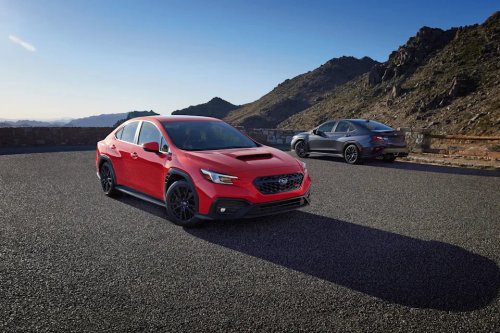
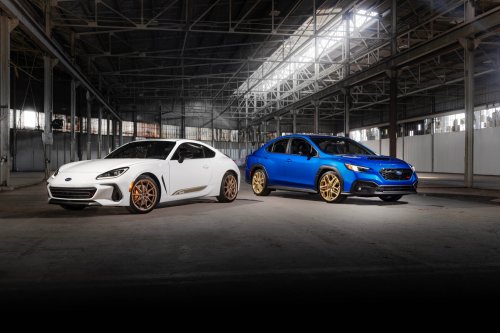
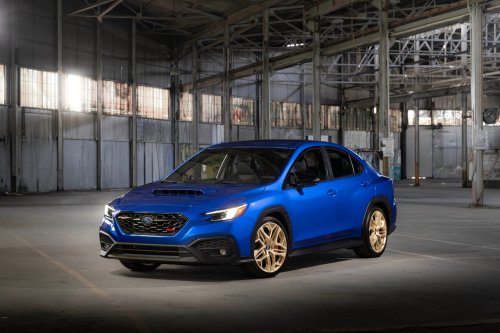
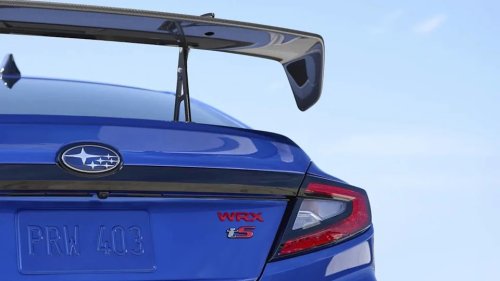
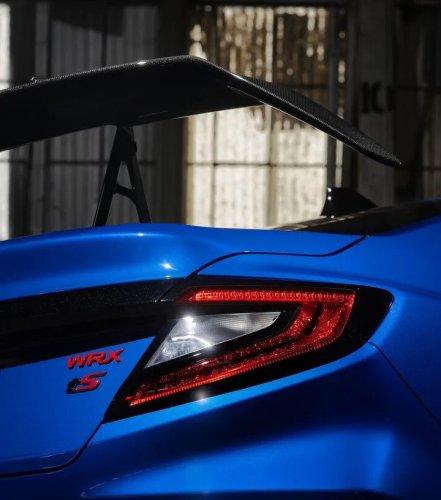
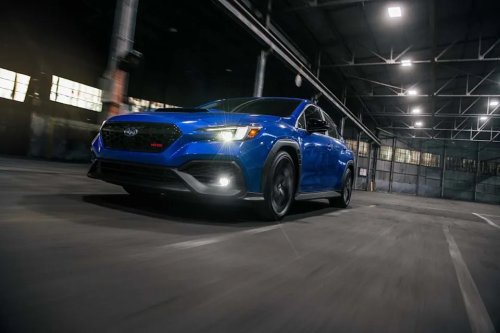
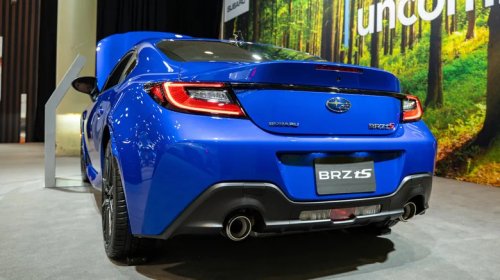
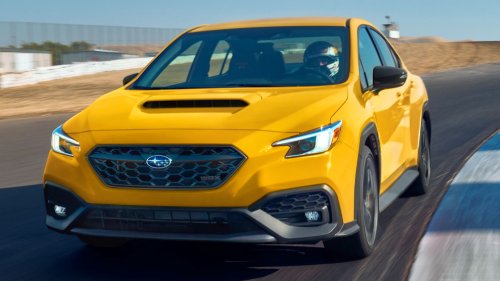
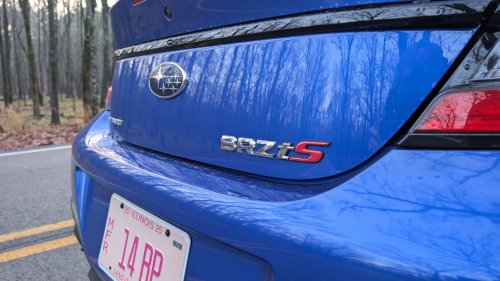
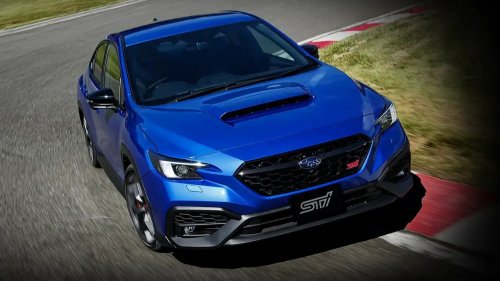
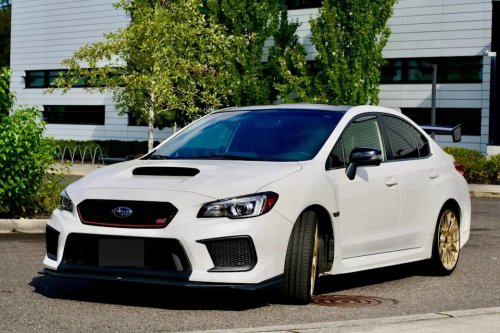
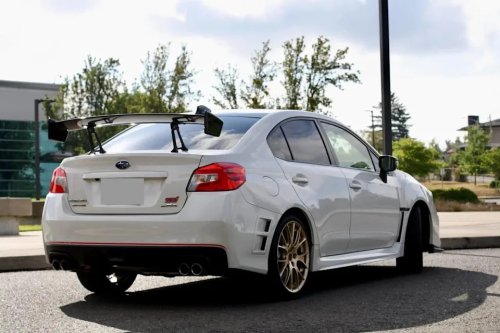
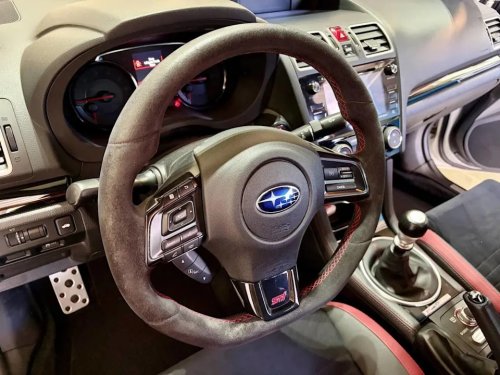
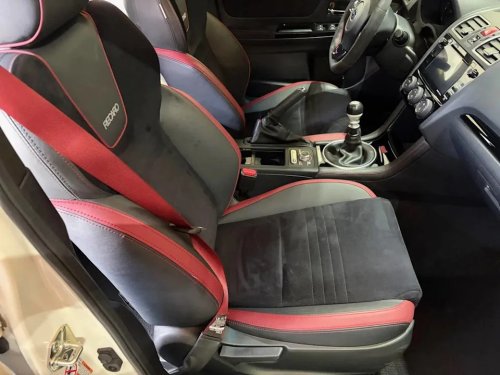
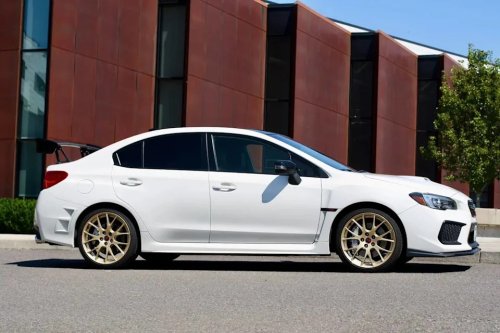
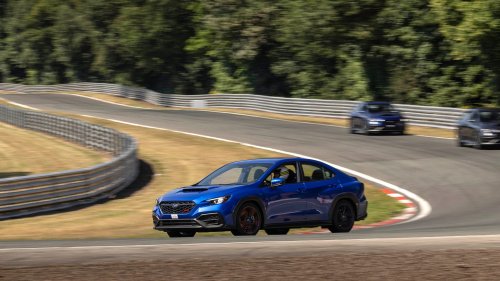
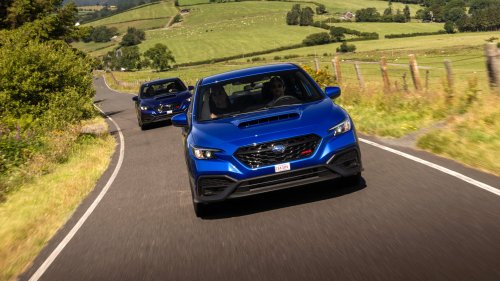
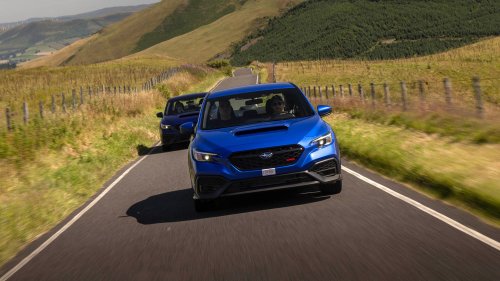
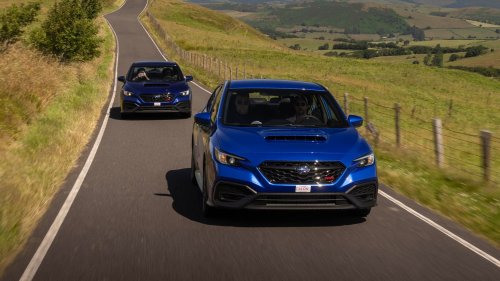
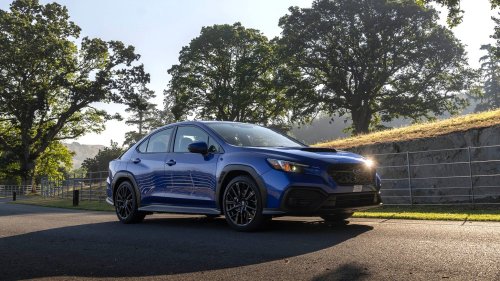
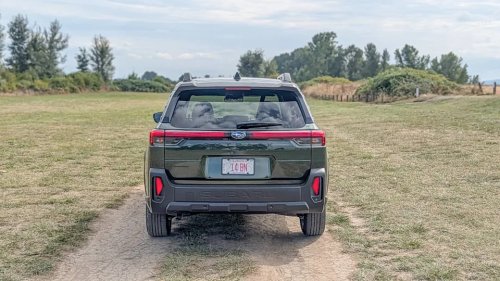
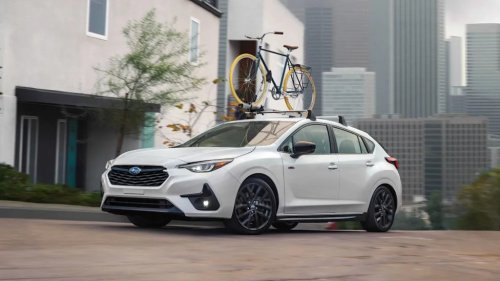
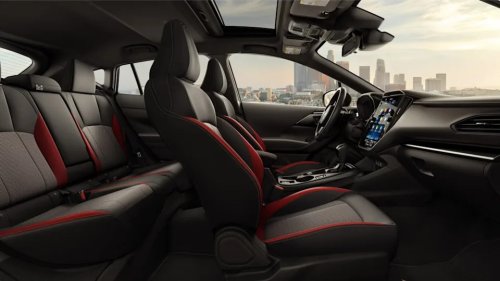
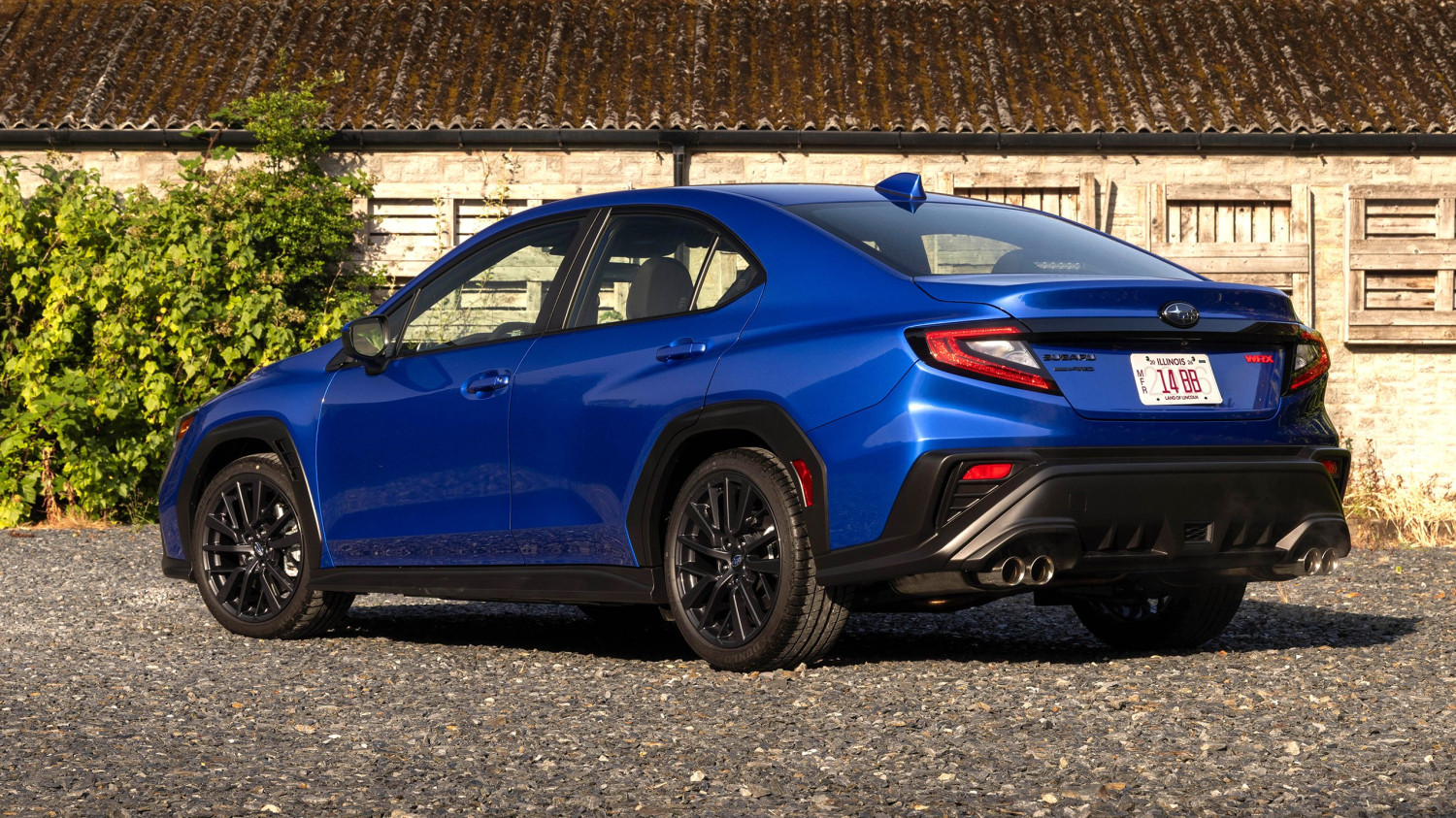
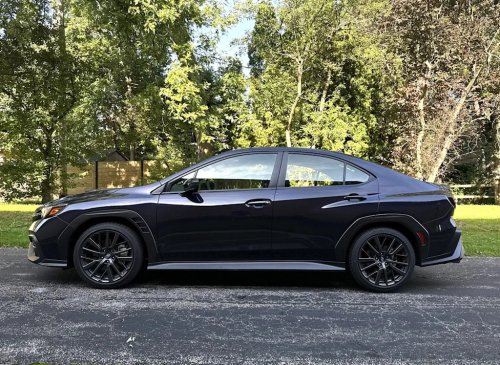
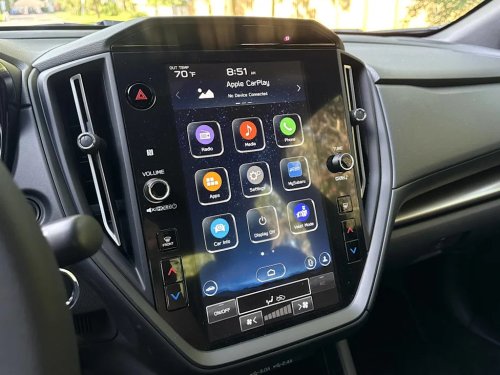
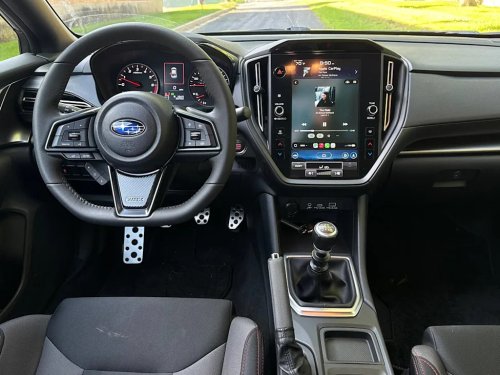
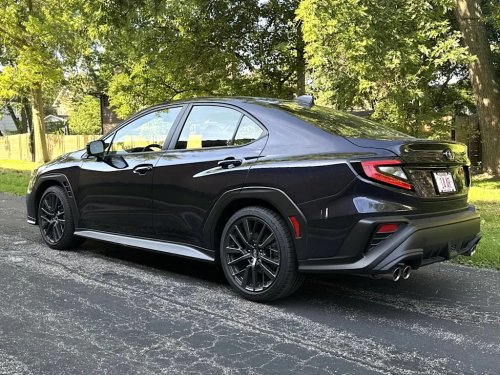
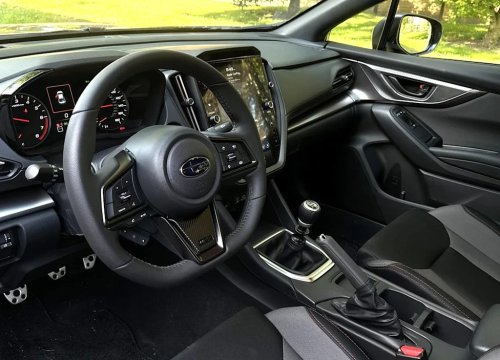
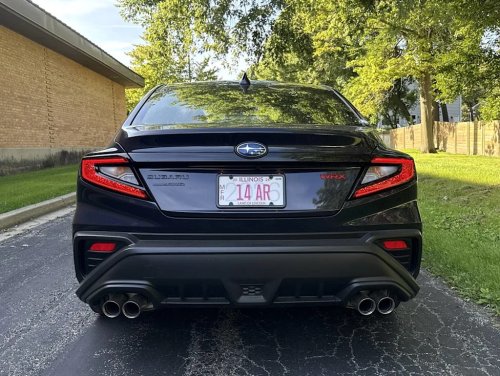
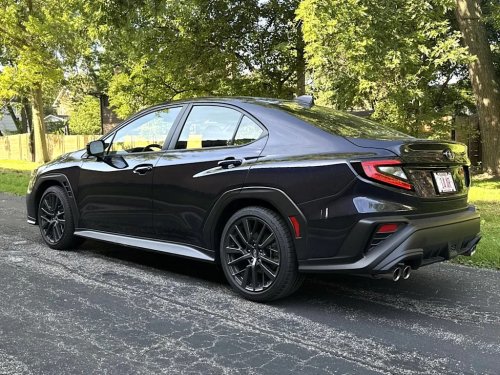
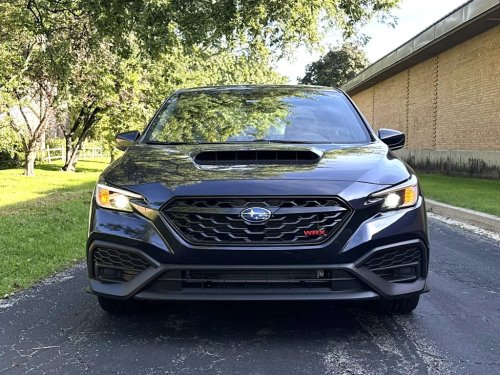
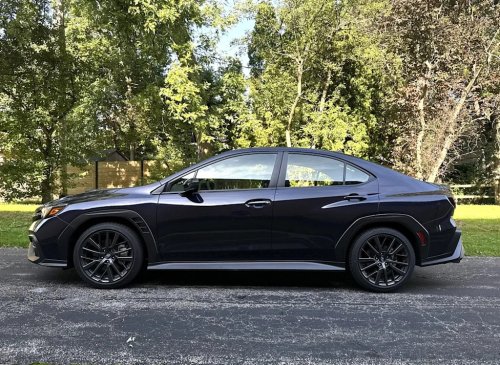
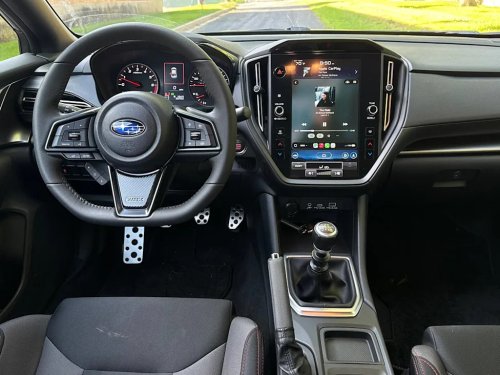
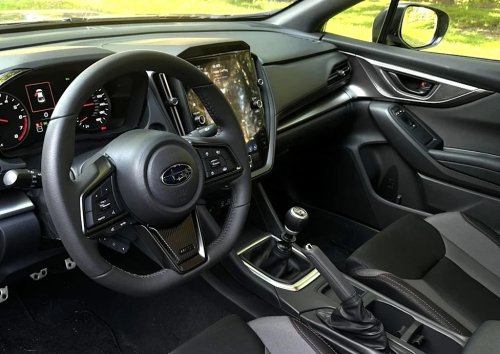
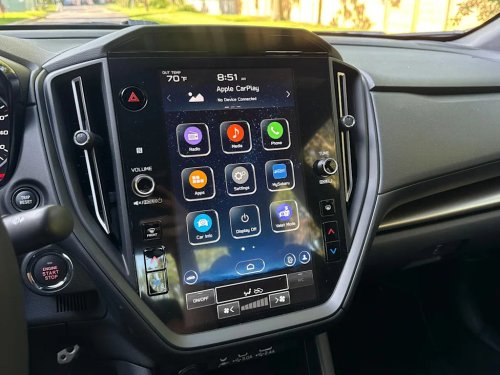
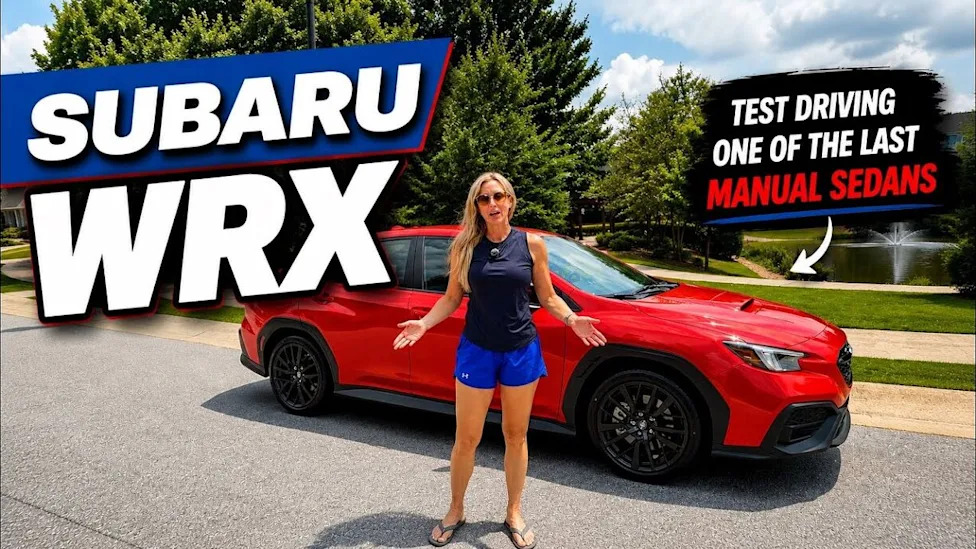
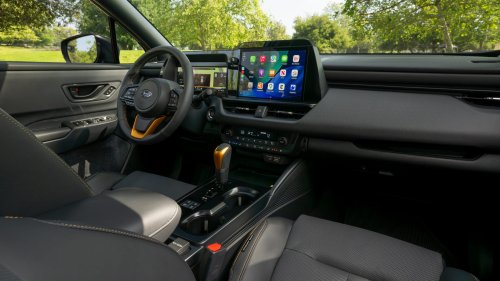
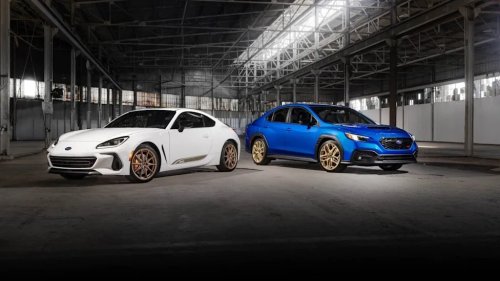
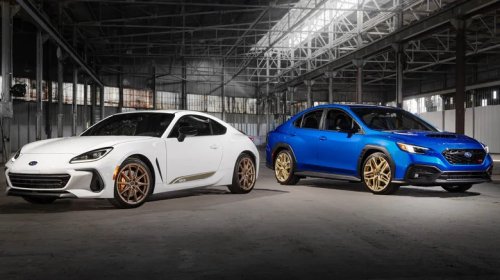
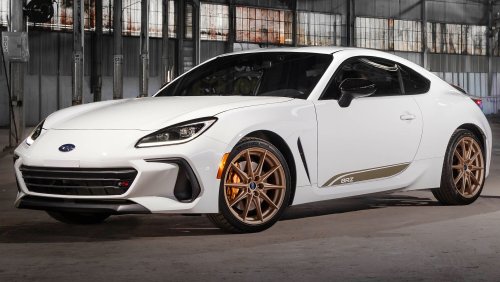
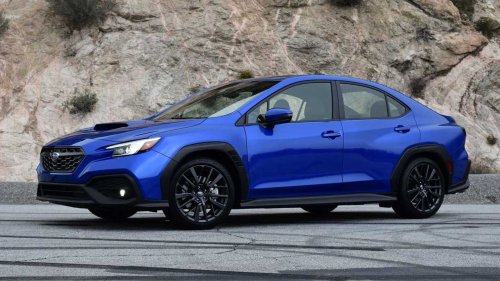
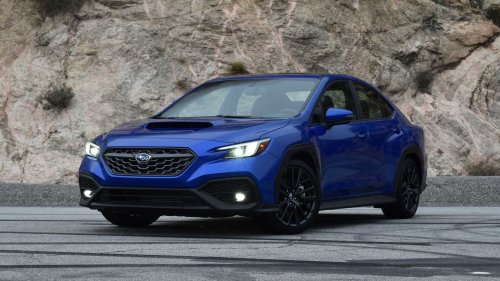
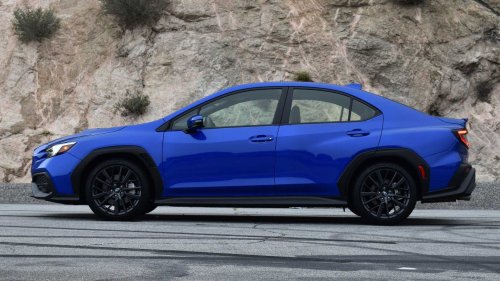
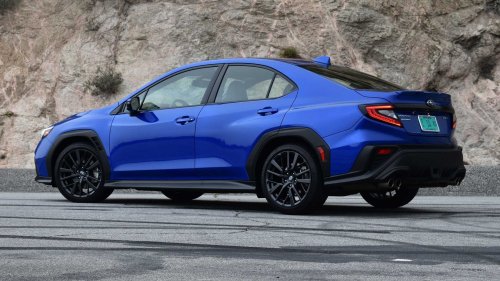
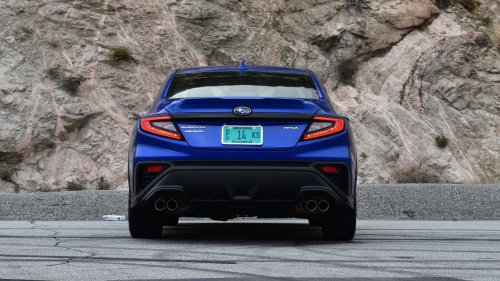
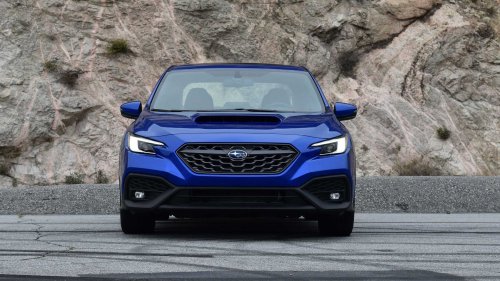
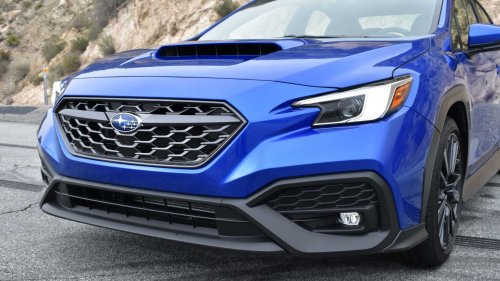
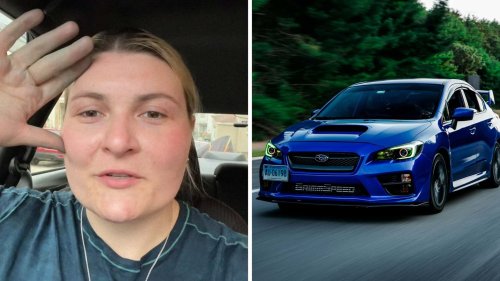
When a Subaru dealership told a WRX owner she’d need to pay $208 for a software update, she was skeptical. Twenty minutes later—after doing it herself for free—she was irate and indignant. Her story has now struck a nerve with hundreds of drivers who’ve had enough of paying dealership prices for digital fixes. The pair of clips from TikTokker Miranda (@mirandathehybrid) presents a pretty open-and-shut case for why car owners want more “right to repair” considerations embedded in the existing dealership system. "There needs to be a larger conversation about this," she says in the follow-up clip that’s been viewed more than 83,000 times. "Modern vehicles and modern technology in general [are] extremely abusive towards [their] users. I should not have to go to Subaru and pay $208 to do something I can do at my house in less than 20 minutes." The story began when Miranda’s 2022 Subaru WRX, which she describes as “an excellent car” in her clip, stopped connecting properly to Apple CarPlay via a wired connection. After checking fuses and eliminating simple hardware faults, she brought the car to her local Subaru dealership to get a diagnosis and repair. Instead of a standard labor charge for diagnostics or wiring, the dealership informed her that the solution would be a software update and quoted $208 to apply it. It was at that moment she balked. Why, she asked, should she pay over $200 “just to stick a cable into the car and give it an update?” Instead of handing over her credit card, she resolved to take the car home, connect it to her home Wi-Fi, and navigate the infotainment settings herself. Within about 20 minutes, she saw the CarPlay connection restored and the head unit working again. A $208 Fix or a 20-Minute DIY? Miranda’s outcome aligns with officially published guidance from Subaru. The company’s “Update Your Starlink Multimedia Software” document shows that many models from 2019–2022 are equipped for home Wi-Fi or USB drive updates, and in some cases, the USB drive method gives owners physical control of the process. According to the guide, the vehicle simply needs to be connected to a Wi-Fi network or use a phone hotspot with at least 100 MB of data, and then the infotainment system prompts “Check for Updates.” In other words, Miranda’s “do-it-in-20-minutes-at-home” claim is feasible, documented, and backed by Subaru’s own materials. The puzzle remains: Why did the dealership quote $208 when the car appears to support an owner-initiated update? And, more broadly, why is the cost burden falling on a consumer rather than simply becoming routine software maintenance? OWNERSHIP STORIES Viral stories from across the web Our team of experts tracks what owners are saying about car-shopping, repairs, the daily driving experience and more on social media. The reaction to her posts underscores a broader frustration. On Reddit and car owner forums, countless drivers say they either did the update themselves via Wi-Fi or USB or were charged by dealers for something they believe they could have done themselves. One Redditor put it plainly: “For cars, the manufacturers only will pay to update if you are still within the warranty period. After that you are on your own for the labour … They aren’t making you pay for the software update, they are making you pay for the labor to install the update.” Meanwhile, others say that even when the update is technically free, the requirement that the dealer perform it gives them gatekeeping power over cost and timing. Miranda’s post shines a light on that gatekeeping mechanism: the moment when software becomes a revenue stream for the dealer rather than a convenience for the owner. In an era where cars are more like computers on wheels, the ownership experience is shifting, and not always in the driver’s favor. Gallery: 2022 Subaru WRX Review Cars Become Software and Dealers Become Gatekeepers That shift has policy implications. The debate around the right to repair is no longer limited to changing brake pads or swapping spark plugs. It’s about access to embedded software, firmware updates, telematics, and the data streams generated by vehicles. Under current arrangements, manufacturers and dealers can effectively control who can access the software and charge for that access. The National Highway Traffic Safety Administration in 2023 noted it “strongly supports the right to repair” while cautioning about cybersecurity risks if access is too open. Vehicles increasingly depend on over-the-air updates to deliver bug fixes, security patches, infotainment enhancements, and performance changes; the technical infrastructure is evolving, and so is who controls it. For its part, Subaru already embeds owner-update capability for its Starlink head unit, at least for certain model years. Workaround guides indicate that owners can select Settings → General → Software Update via Wi-Fi, according to official Subaru documentation. So, the question becomes: If the owner can do it, should they have to pay someone else to do it? Or should the dealer’s quote reflect something more than a simple “plug and update” process? For drivers, the takeaway is two-fold. First: if your vehicle supports home or USB updates, you may avoid a costly dealer fee by following the manufacturer’s guide. Just make sure you have a strong Wi-Fi connection or a correctly formatted USB drive if required. Second: the experience signals that software-driven vehicles will increasingly raise questions of ownership, access, and cost. The car you bought includes hardware and, increasingly, software, and if that software is being locked behind a paywall, the notion of “ownership” starts to erode. Motor1 reached out to Miranda via direct message and commented on the video. We’ll be sure to update this if she responds. We want your opinion! What would you like to see on Motor1.com? Take our 3 minute survey. - The Motor1.com Team



















 +21 others