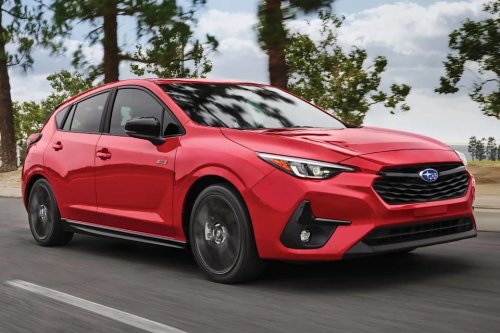
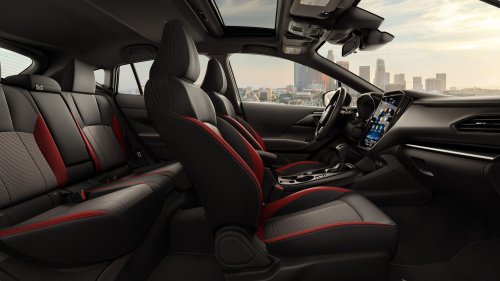
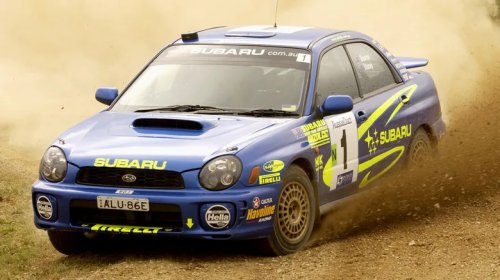
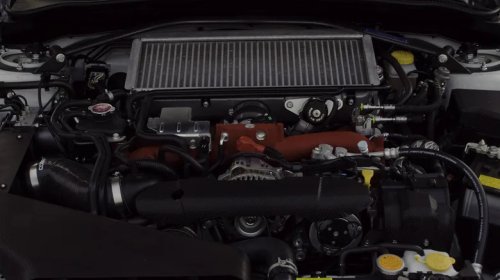
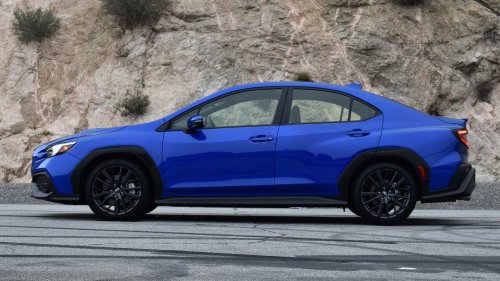
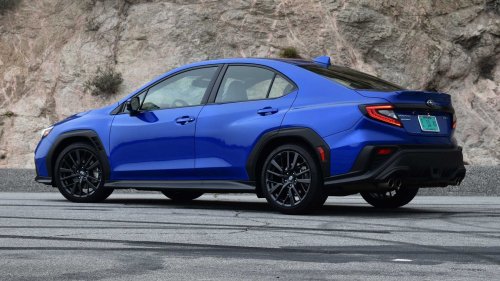
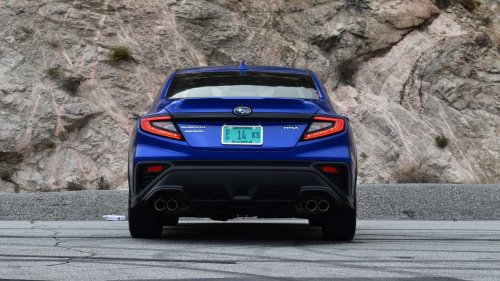
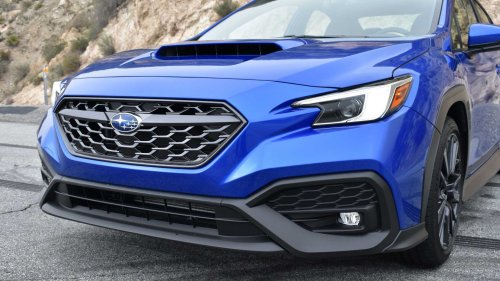
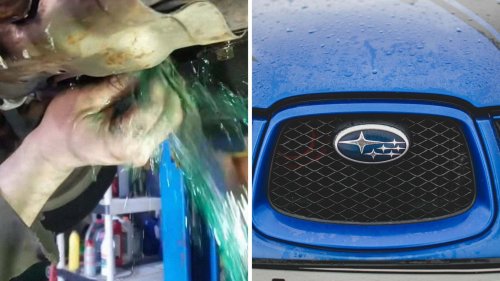
If your oil looks like a milkshake, it’s already too late. That’s what one mechanic found out the hard way when he cracked open a Subaru WRX’s oil pan, only to unleash a creamy torrent of coolant and oil that has gearheads on Facebook grimacing and laughing. The Facebook Reel from repair-focused creator Devon Leite (who posts on socials as @ubareddition) is alarming from the start, with blue/green coolant flowing out of the oil pan before the unmistakable milky brown oil follows. In the oil pan, the contents resemble a hellish, coagulated brew that spells automatic trouble for the car involved. “Mmmm, yummy,” is Leite’s most pointed comment on the situation, acknowledging that there’s an involved repair job ahead after the conclusion of the clip, which has been viewed more than 615,000 times. “Milkshake of Death”: When Coolant and Oil Mix That murky mixture of oil and coolant has earned a dark nickname in mechanic circles: the “milkshake of death.” It happens when coolant leaks into the engine’s lubrication system, most commonly through a blown head gasket, a cracked block, or a failed oil cooler. Once the two fluids mix, bearings lose lubrication, corrosion accelerates, and the engine’s life expectancy drops from years to hours. The visual is unmistakable: the coffee-colored sludge forms an emulsion that resembles a diner milkshake disturbingly. The earliest warnings are subtle: rising coolant levels, sweet-smelling exhaust, or foam clinging to the oil-filler cap. By the time the pan looks like Leite’s video, the damage is already terminal. Automotive engineers have broken down how the failure occurs: a breach in the thin gasket ring around a cylinder allows pressurized coolant to enter the crankcase, turning the oil into a whipped, non-lubricating paste. Once that happens, every moving metal surface inside the engine starts to wear faster than it can be repaired. Gallery: 2022 Subaru WRX Review Subaru’s History With Faulty Head Gaskets and Coolant Leaks For Subaru owners, this sight hits close to home. The brand’s 2.5-liter EJ25 engine, used widely from the late 1990s through the mid-2010s, has been dogged by head gasket problems serious enough to inspire memes, lawsuits, and a cottage industry of independent Subaru specialists. According to Car Complaints, models like the 2003 Outback and 2006 Forester rank among the worst offenders, with hundreds of owner reports citing external coolant leaks or internal oil contamination. Consumer Reports chronicled similar issues in its used-car reliability surveys, which dinged Subaru’s reputation even as the cars remained popular for their all-wheel-drive practicality. The company addressed the problem in phases: early composite gaskets gave way to multi-layer-steel designs, and by the launch of the FB-series engines in 2011, the failure rate had dropped dramatically. But for the many older models still on the road, a simple oil change can still uncover a nightmare. That’s part of what makes Leite’s video resonate. The “milkshake” isn’t just a mechanical failure; it’s a cultural shorthand for Subaru’s enduring paradox. Fans defend the cars’ boxer-engine balance and rally heritage, while skeptics joke that every used Outback comes with a free head-gasket kit in the trunk. The comments section under Leite’s clip reads like a rolling debate between mechanics, loyalists, and comedians. One viewer quipped, “The forbidden frappuccino.” Another diagnosed it instantly: “Head gasket!” A former Subaru technician chimed in to defend the brand, insisting that once the original gasket is replaced with an upgraded part, “they’re actually very reliable.” This blend of gallows humor and technical banter is part of what gives the modern repair-video ecosystem its appeal. Platforms like Facebook Reels, TikTok, and YouTube have transformed everyday maintenance into a form of reality television, where millions of viewers weigh in on diagnoses and assign blame. For professional technicians, that visibility can be both a blessing and a curse. “We used to joke about these jobs in the shop; now the whole world gets to see them,” said one independent Subaru mechanic interviewed by Motor1. “You either cringe or laugh — usually both.” What Owners Can Learn Behind the jokes lies a serious lesson. Oil that appears cloudy, foamy, or unusually thin is a red flag, regardless of vehicle manufacturer. Regular checks for cross-contamination, such as milky residue under the oil cap, unexplained coolant loss, or a sweet smell from the exhaust, can catch gasket failures before they become catastrophic. Repairing a blown head gasket on a Subaru typically costs $1,500 to $2,500, according to RepairPal, although prices vary depending on labor and machine-shop work. Many independent specialists recommend replacing both gaskets with MLS upgrades and resurfacing the heads to prevent recurrence. Subaru’s newer FB25 and FA24 engines feature improved coolant routing and more robust sealing materials, resulting in a significant reduction in failures. Still, even modern engines aren’t immune to oil-cooler leaks or maintenance neglect. The clip ends without resolution, just the mechanic’s resigned sigh as the last of the sludge drains away. For seasoned Subaru fans, the scene is almost nostalgic. For others, it’s a cautionary tale about what happens when preventive maintenance meets unfortunate engineering. Motor1 reached out to Leite via direct message and comment on the clip. We’ll be sure to update this if they respond. We want your opinion! What would you like to see on Motor1.com? Take our 3 minute survey. - The Motor1.com Team






















 +34 others