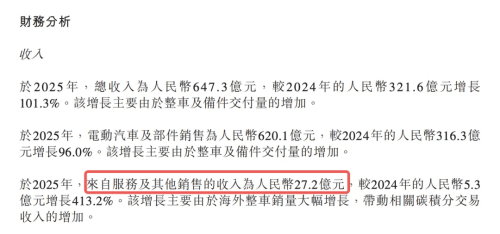
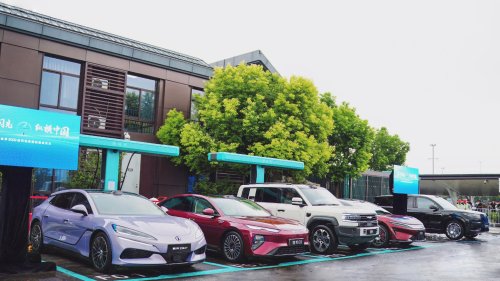
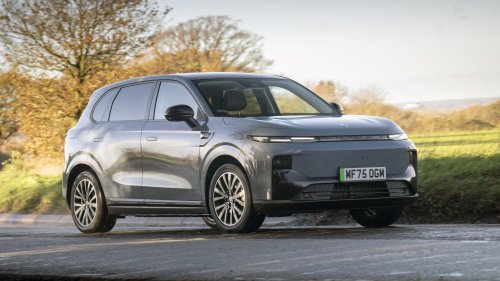
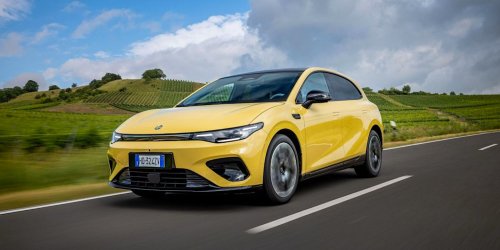
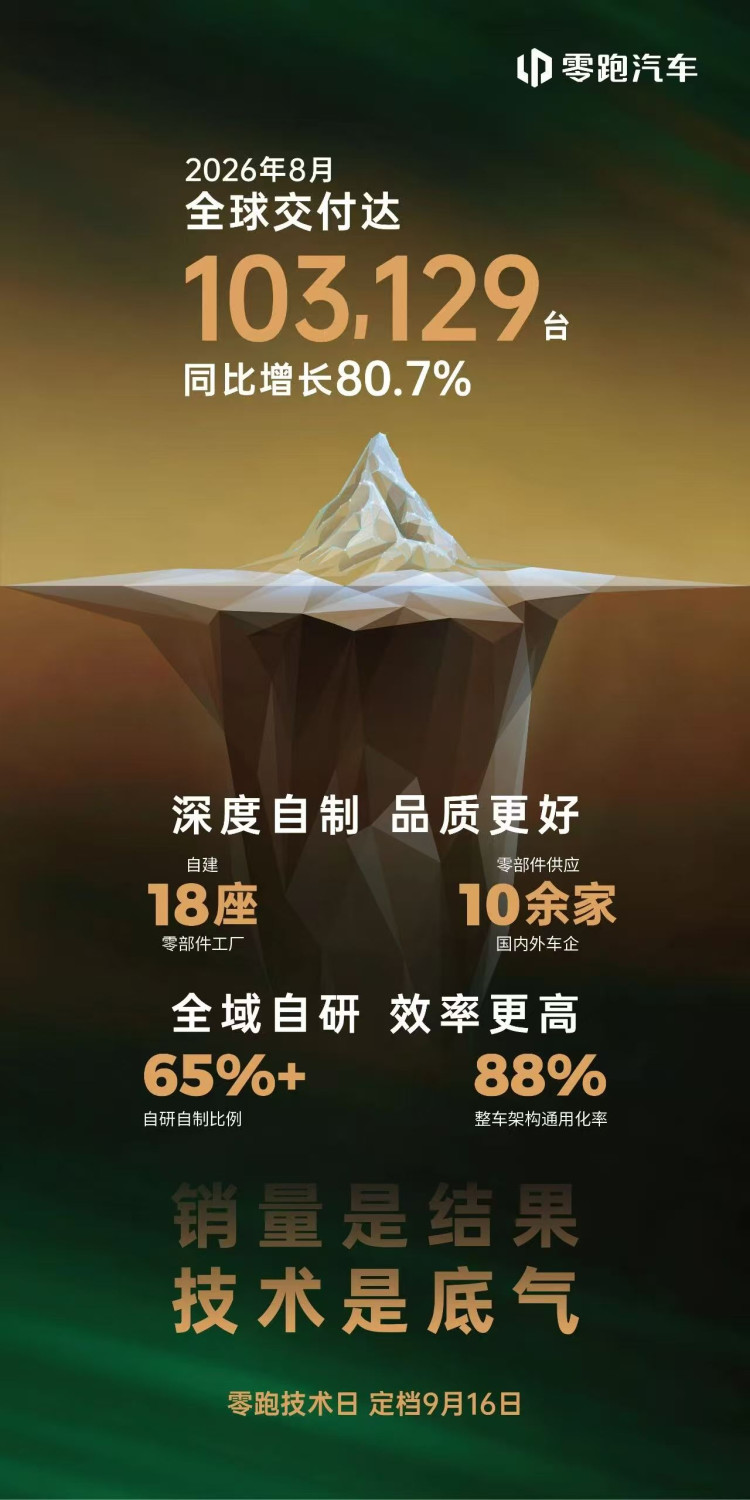
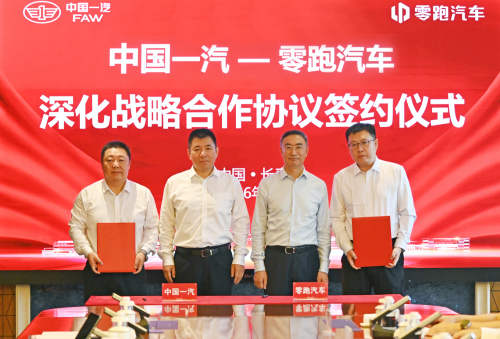
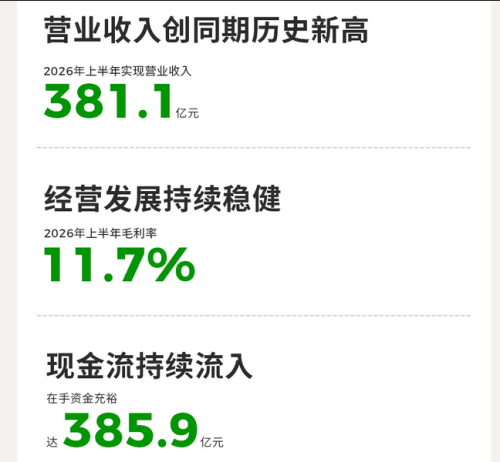
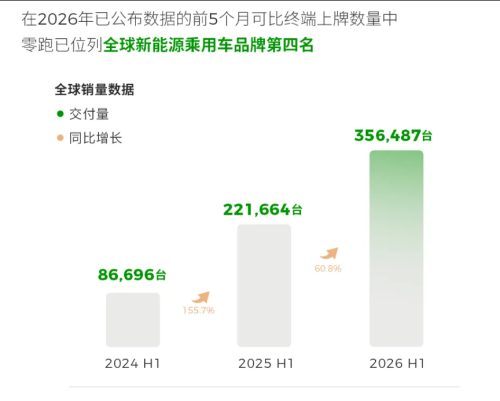
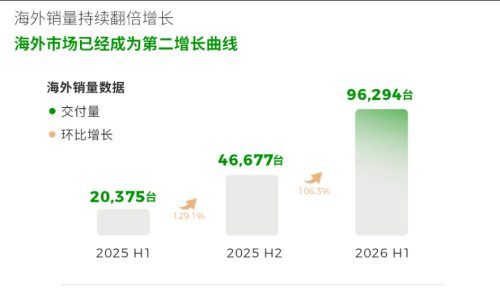
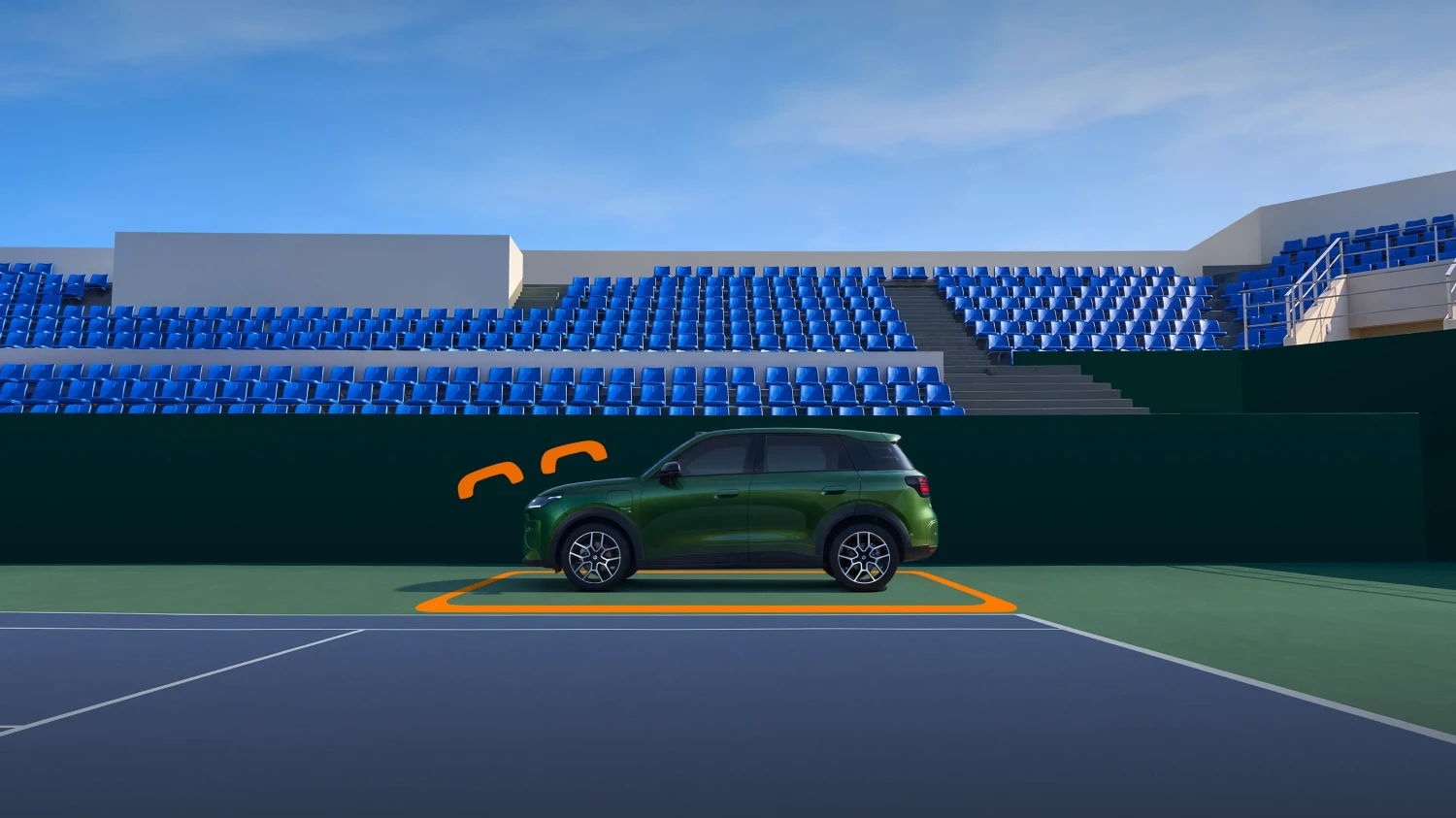
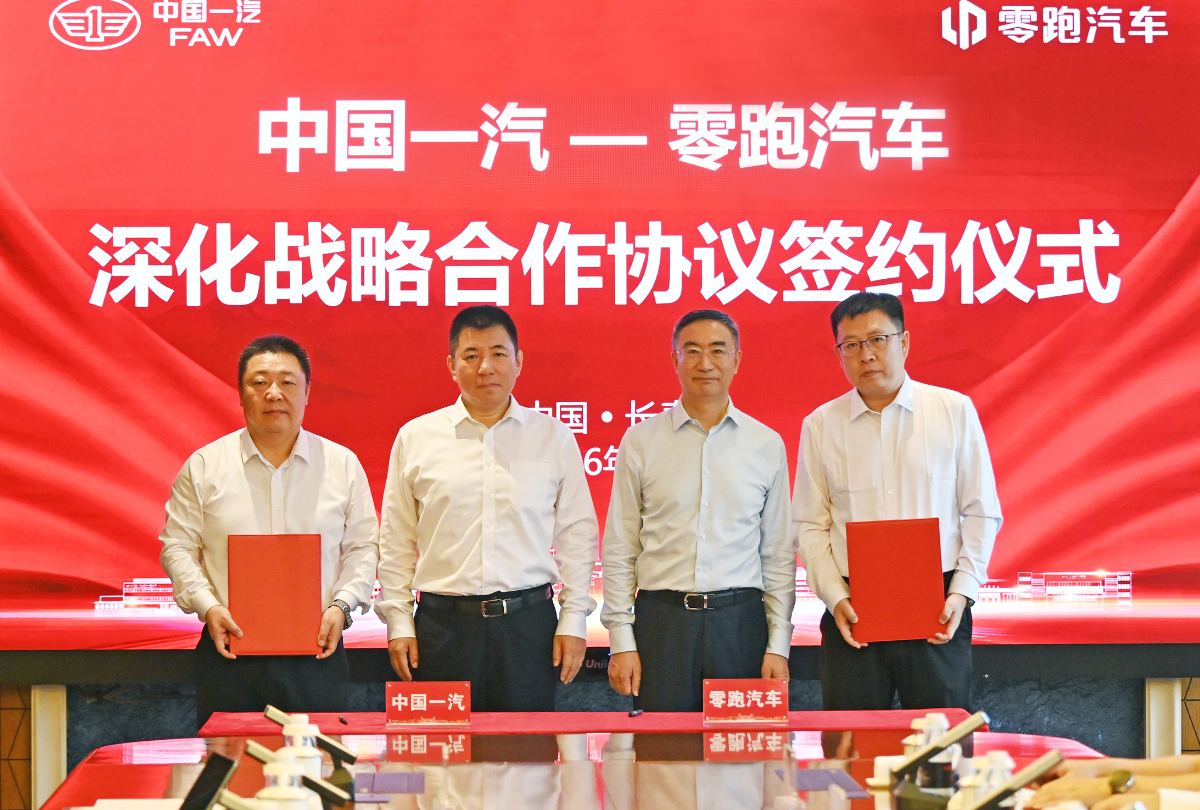
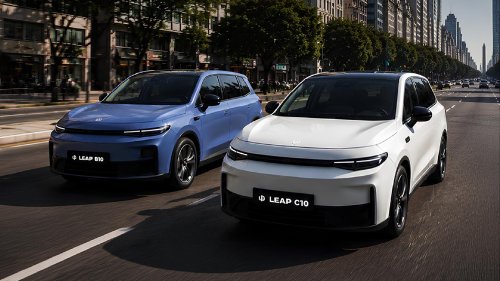
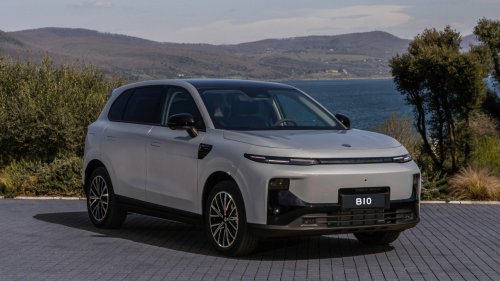
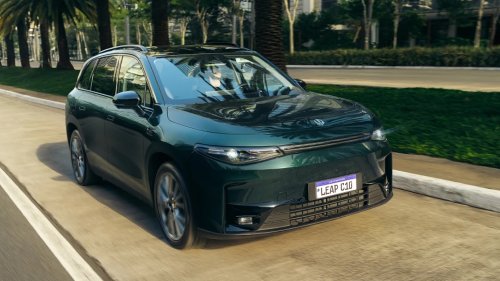
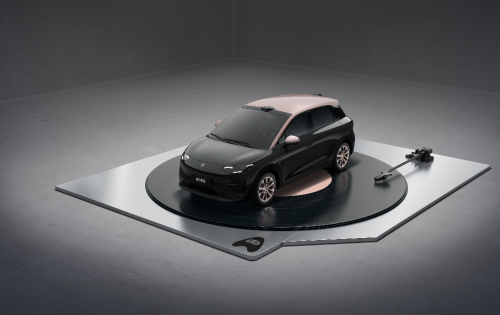
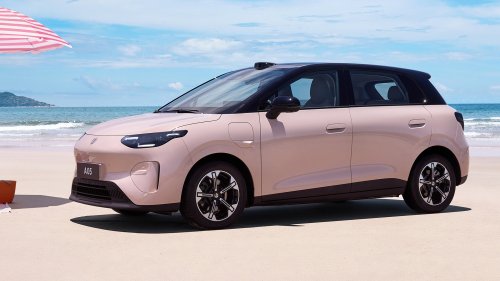
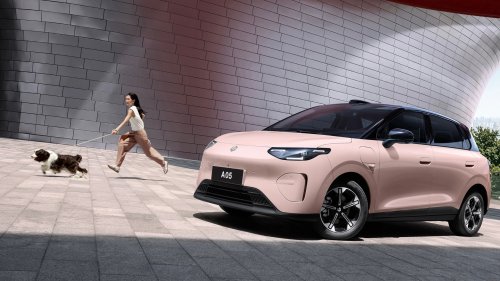
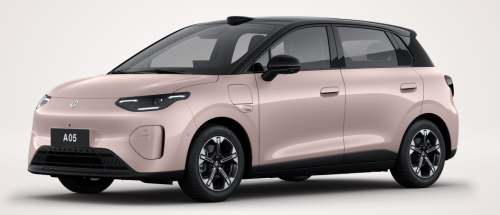
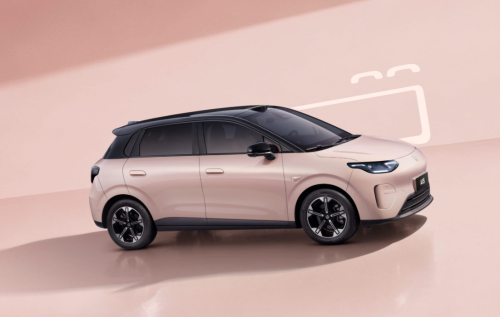
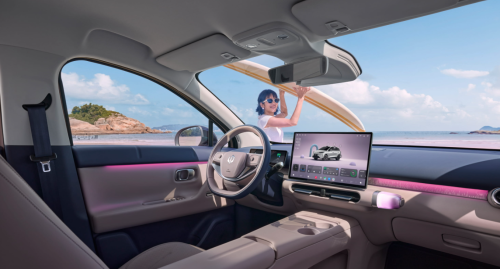
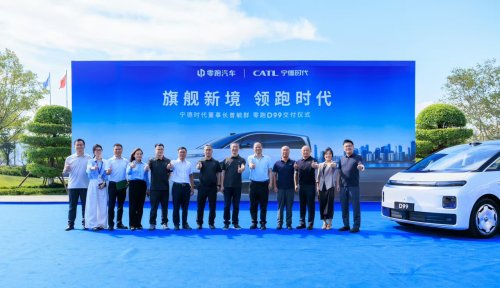
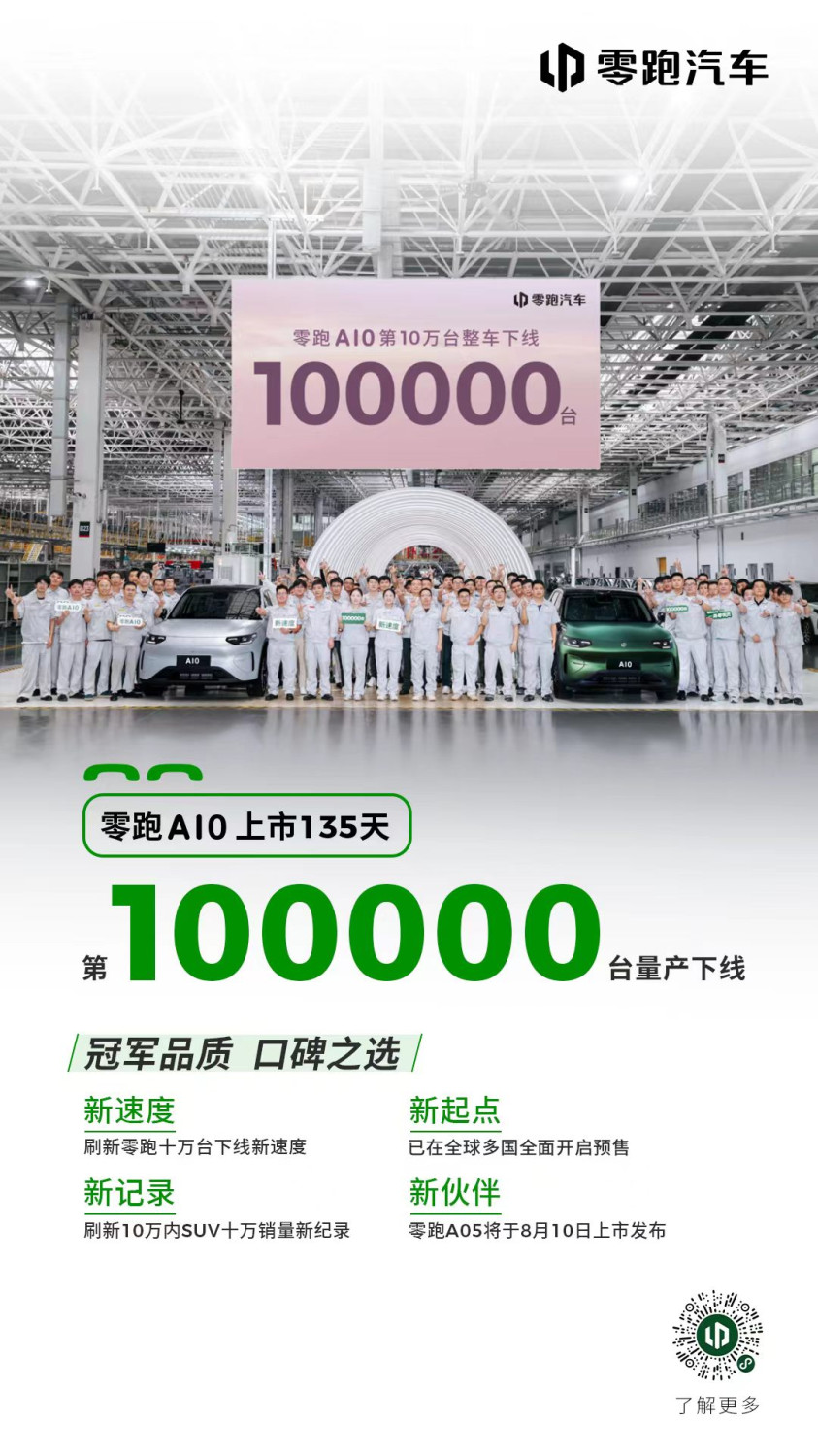
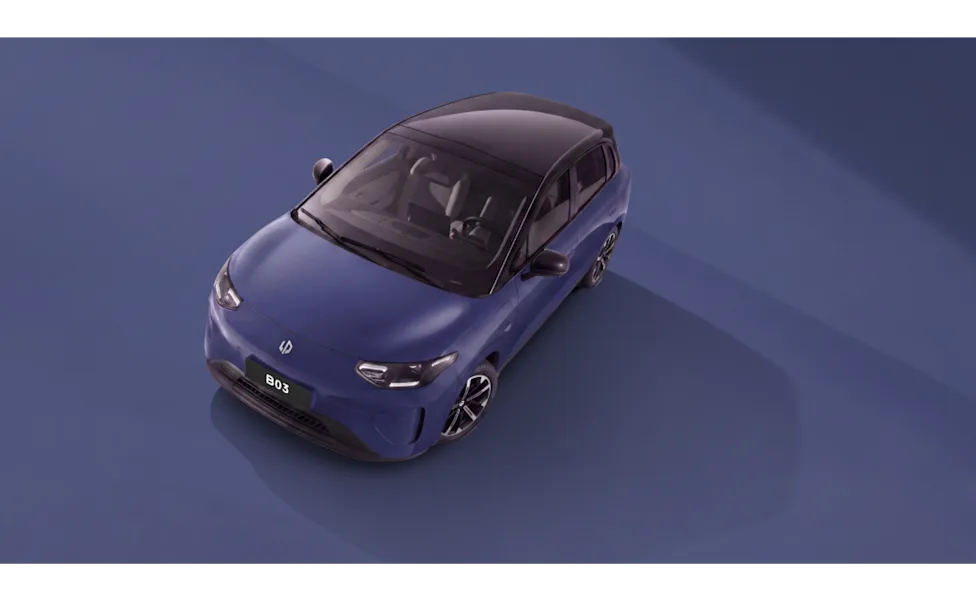
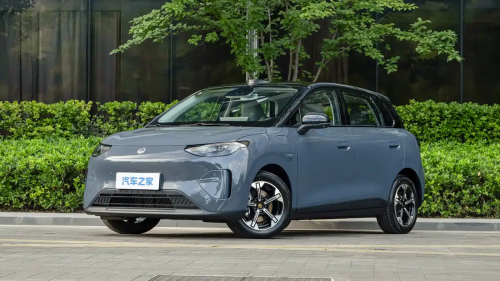
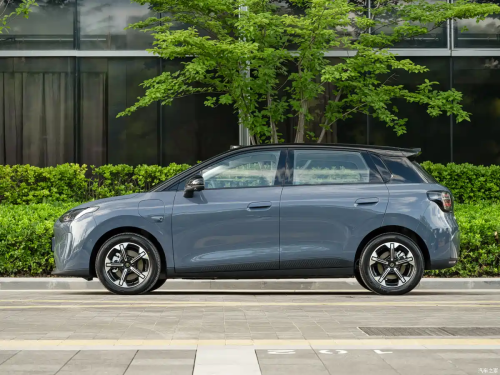
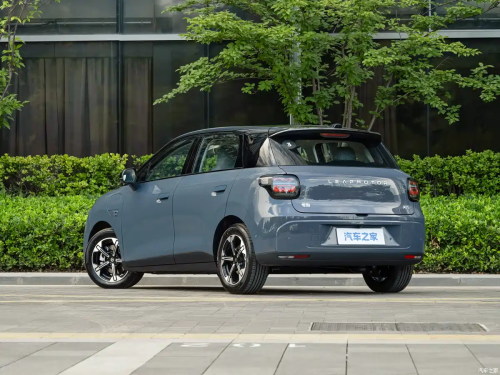
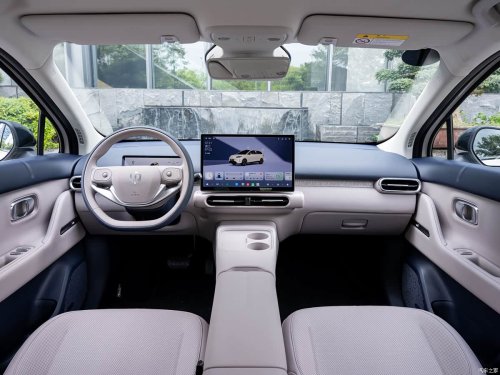
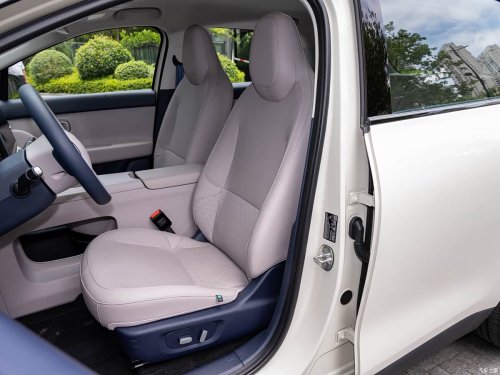
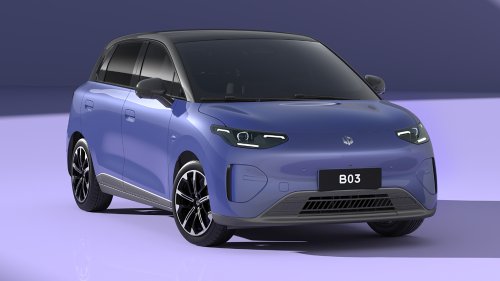
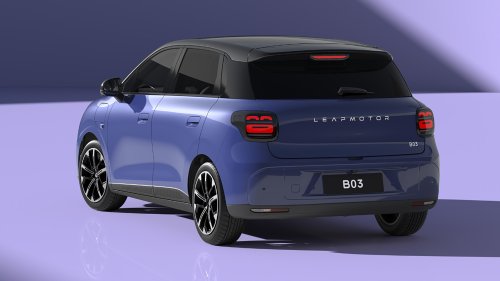
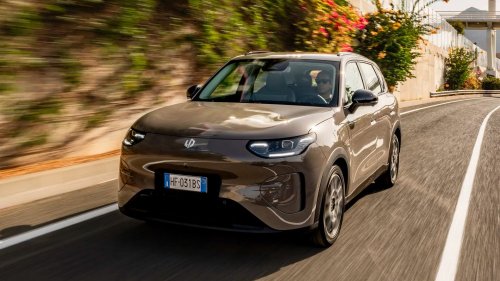
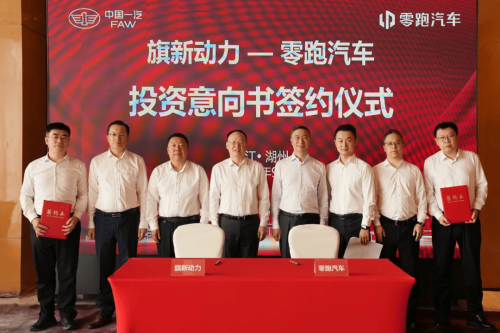
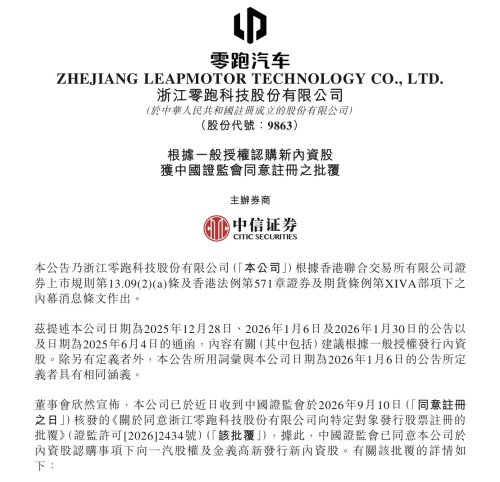
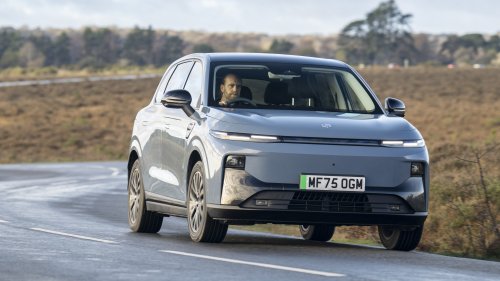
In 2026, Leapmotor plans to further expand its overseas footprint and increase market share by covering a wider range of price segments. On March 16, Leapmotor, one of China’s leading EV startups, released a set of financial results that surprised the market. Data show that Leapmotor achieved a doubling of both revenue and deliveries in 2025. Full-year revenue reached RMB 64.73 billion ($9.31 billion), up 101.3% year-on-year, while annual deliveries totaled 596,555 vehicles, up 103.1%. Driven by these two key metrics, 2025 became Leapmotor’s first year of full-year profitability, with net profit of RMB 540 million ($77.65 million). Gross margin improved to 14.5% for the year, up from 8.4% in 2024. The report also disclosed that Leapmotor’s cash reserves rose 54.9% year-on-year to RMB 37.88 billion ($5.45 billion), while R&D spending increased 47.9% from 2024 to RMB 4.29 billion ($616.70 million). Leapmotor Headquaters However, the other side of the report shows that, alongside the sharp increase in sales, cost of sales rose 87.7% from RMB 29.47 billion ($4.24 billion) in 2024 to RMB 55.32 billion ($7.96 billion). This highlights a key challenge ahead for Leapmotor: improving organizational efficiency to offset rising costs. Overall, Leapmotor’s financial results stand out among EV startups, with four consecutive quarters of profitability and a successful turnaround to full-year profit. In 2026, Leapmotor plans to further expand its overseas footprint and increase market share by covering a wider range of price segments, pointing to a more expansive growth outlook. Product Push Whether in the financial report itself or during the earnings call, products are clearly at the center of attention. In 2025, Leapmotor achieved sales success by expanding market coverage and targeting more segmented markets. New models in the B-series, such as the B10 and B01, have grown into core sales drivers. At the same time, updates to existing models in the C-series proved highly successful. Combined annual sales of the C10, C11 and C16 exceeded 300,000 units, accounting for more than 50% of total deliveries in 2025. Looking ahead to 2026, four new models have already been disclosed: the dual-flagship D19 and D99, along with A-series models A10 and A05. Leapmotor product lineup These vehicles will allow Leapmotor to extend its reach at both ends of the market and form a complete “ABCD” product matrix, covering the mainstream price range of RMB 100,000–300,000 ($14,380–$43,140). According to Li Tengfei, Vice President and Chief Financial Officer of Leapmotor, the A10 will launch first, followed by the D19, which will debut on the new D platform and enter the Chinese market in April. The A05 and D99 will follow. He noted that the A05 and D99 are expected to launch within a similar timeframe, likely in mid-to-late June or early July. At this pace, the four disclosed models are expected to launch in the first half of 2026 or around that period. If no additional models are introduced, Leapmotor would face a product gap in the second half of the year, which would not align with typical market dynamics. In other words, Leapmotor’s 2026 pipeline likely includes more than these four models, although Li declined to provide further details, citing “high confidentiality.” On product experience, in response to questions about advanced driver assistance during the earnings call, Li emphasized that Leapmotor will continue to pursue a full-stack in-house development strategy, aiming for its proprietary ADAS system to gain broad market recognition by the end of 2026. At present, Leapmotor’s ADAS capabilities are already being pushed down to lower price segments. The A05, which has appeared in regulatory filings and is expected to be priced below RMB 100,000 ($14,380), is already equipped with LiDAR. Li also made clear that R&D investment will see a “notable increase” in 2026. With profitability achieved and a commercial loop beginning to take shape, Leapmotor is expected to step up investment in new technologies, platforms and models. As Li noted, a full-stack in-house technology system provides stronger cost-control capabilities, which are essential to offset rising logistics and raw material costs. Multiple Growth Drivers One data point in Leapmotor’s annual report has drawn particular attention from investors. In 2025, “services and other sales” generated revenue of RMB 2.72 billion ($391.14 million), accounting for 4.2% of total revenue but growing at an impressive 413.2%. Financial results of Leapmotor in 2025 Leapmotor attributed this growth partly to a sharp increase in overseas sales, which boosted revenue from carbon credit trading compared with previous years. Another contributing factor was cooperation with third-party companies both domestically and internationally, generating substantial income through technology licensing. More importantly, Li said that as sales volumes increase and partnerships with third-party automakers deepen, this revenue stream is “sustainable” and has the potential to continue growing. In fact, following examples set by companies such as Xpeng, generating additional income through technology licensing has become a common revenue strategy among leading EV startups. Leapmotor’s partnership with FAW Group is expected to become a key milestone. Leapmotor’s partnership with FAW Group Li revealed that an overseas model jointly developed with FAW will enter mass production in the third quarter, with Leapmotor responsible for vehicle R&D and manufacturing. However, the model is likely to launch in the fourth quarter, and the revenue contribution will depend on sales performance, meaning its financial impact may not be reflected in the 2026 fiscal year. As for the external sales of components, Li expects the business to remain around RMB 1 billion ($143.8 million) in 2026, with large-scale expansion unlikely before 2027. From a fundamentals perspective, Leapmotor’s revenue streams are beginning to diversify. This diversification is closely tied to its overseas expansion strategy. Li said that South America will be a key focus in 2026, with Brazil prioritized, followed by phased entry into markets such as Chile and Colombia. The C10 and C16 have already been introduced locally, with more models to follow. By targeting both South America and Asia as major global markets, Leapmotor aims to grow overseas sales to 100,000–150,000 units in 2026, representing up to 50% growth compared with 2025 exports. Leapmotor emphasized that at this stage, its priority in overseas markets is to rapidly scale volumes and capture market share, rather than focusing on profitability or setting specific financial targets. However, as volumes expand, overseas markets could become an important pillar of Leapmotor’s business. Overall, Leapmotor successfully maintained its core business—vehicle sales—in 2025 while making significant progress in related areas. Initiatives such as third-party partnerships and global expansion not only contribute incremental revenue but also help diversify risk and ease pressure on the core business. That said, 2026 remains a challenging year for Leapmotor. Can the A-series models drive a new wave of sales growth? And can the D-series, priced above RMB 250,000 ($35,950), successfully open up a higher-end market and raise the brand’s ceiling? Leapmotor’s 2025 annual report both affirms past achievements and raises new questions for the year ahead. For a company aiming to become the leading EV startup, the pressure is unlikely to ease.