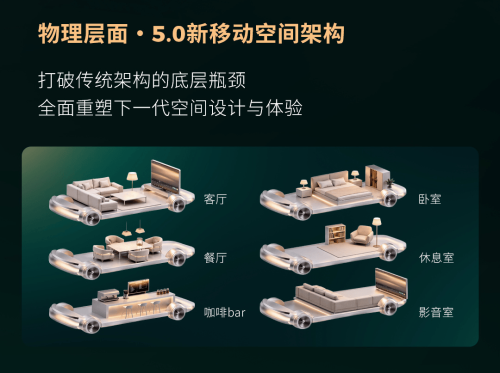
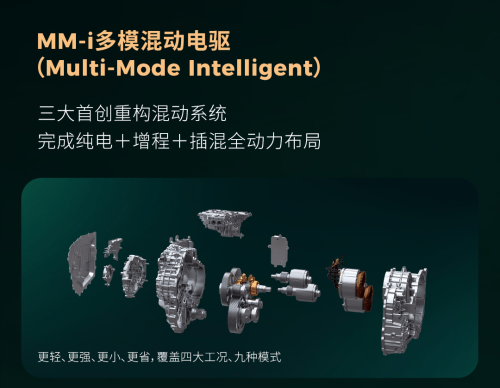
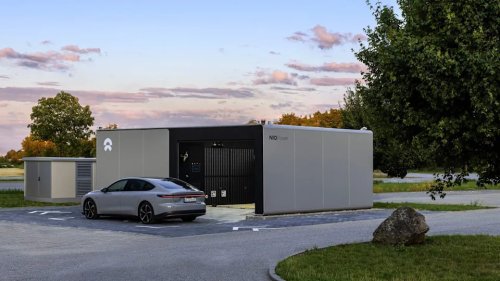
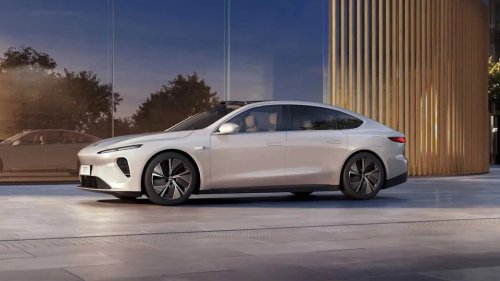
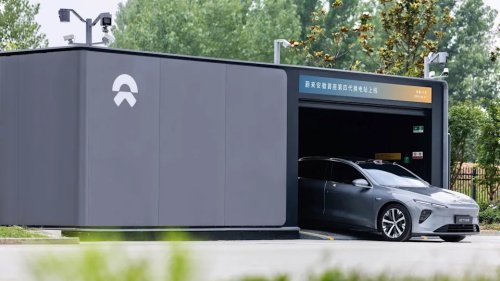
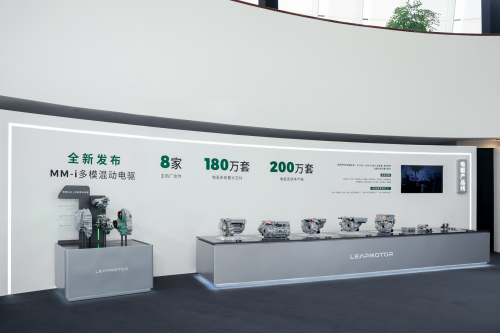
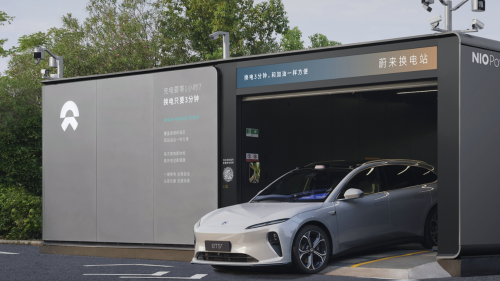
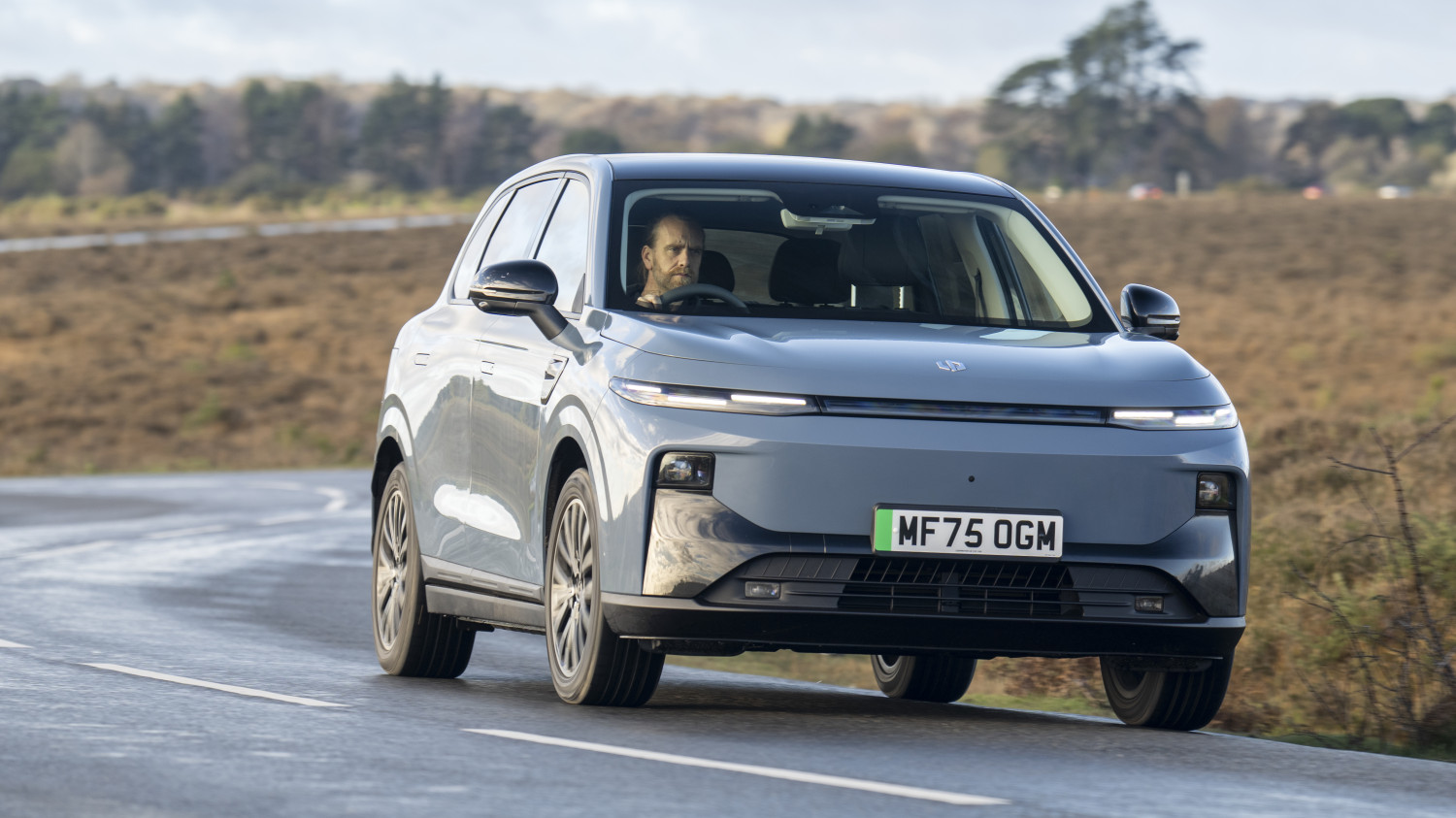
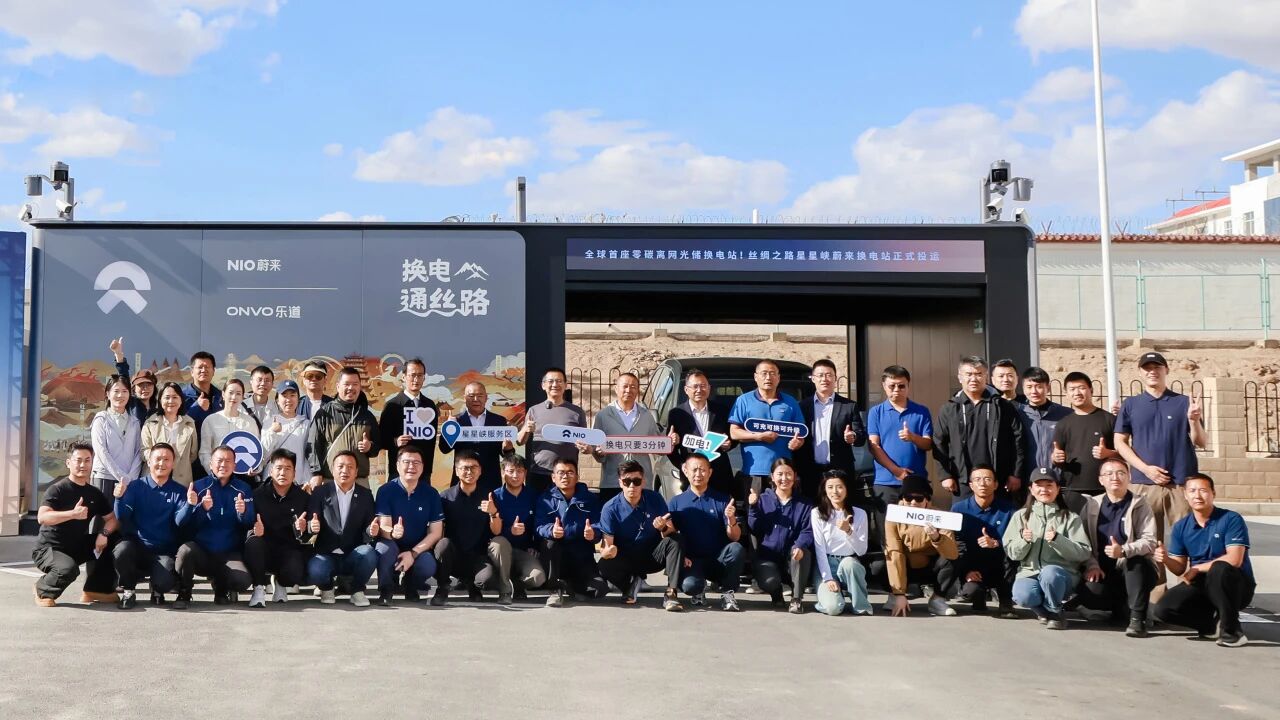
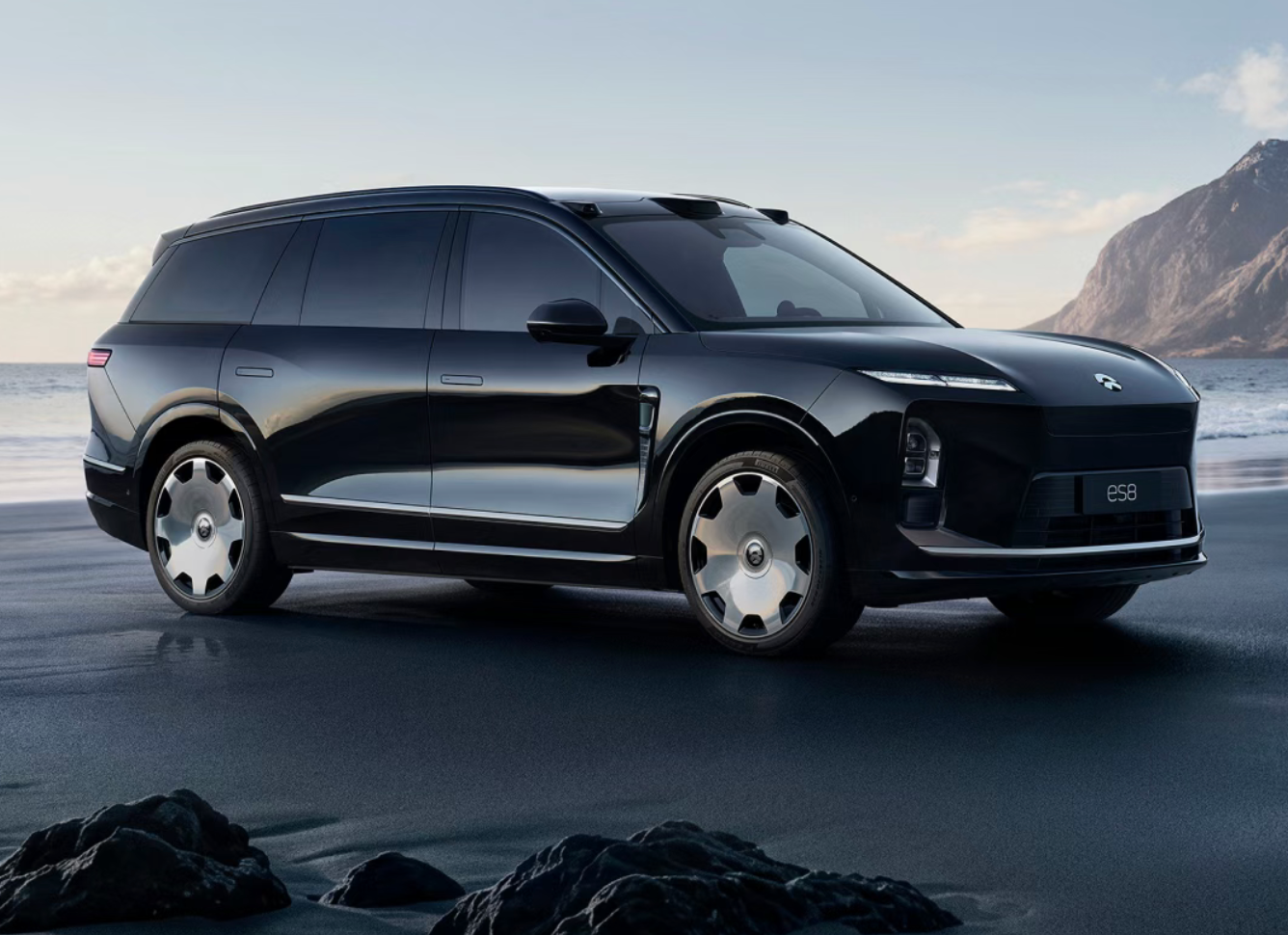
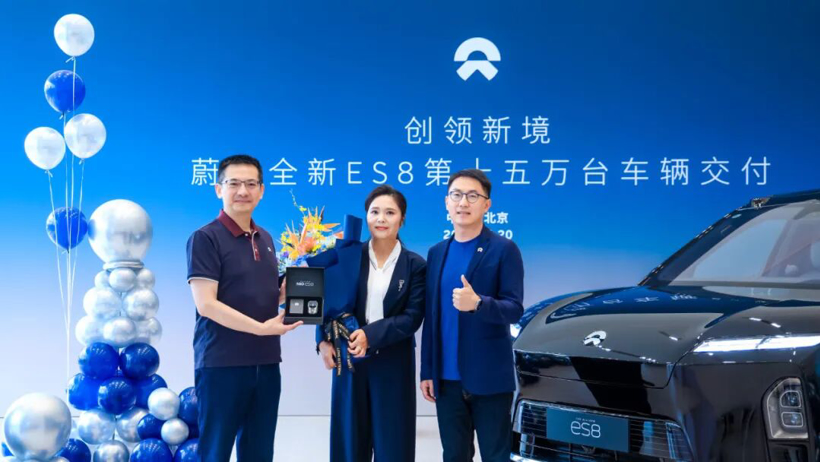
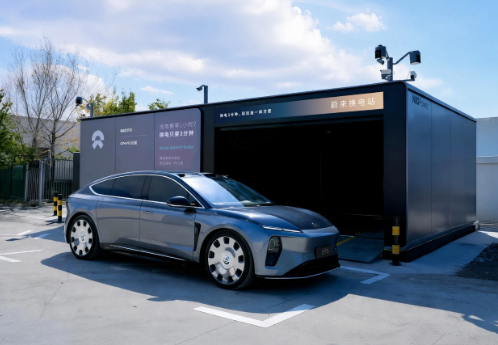
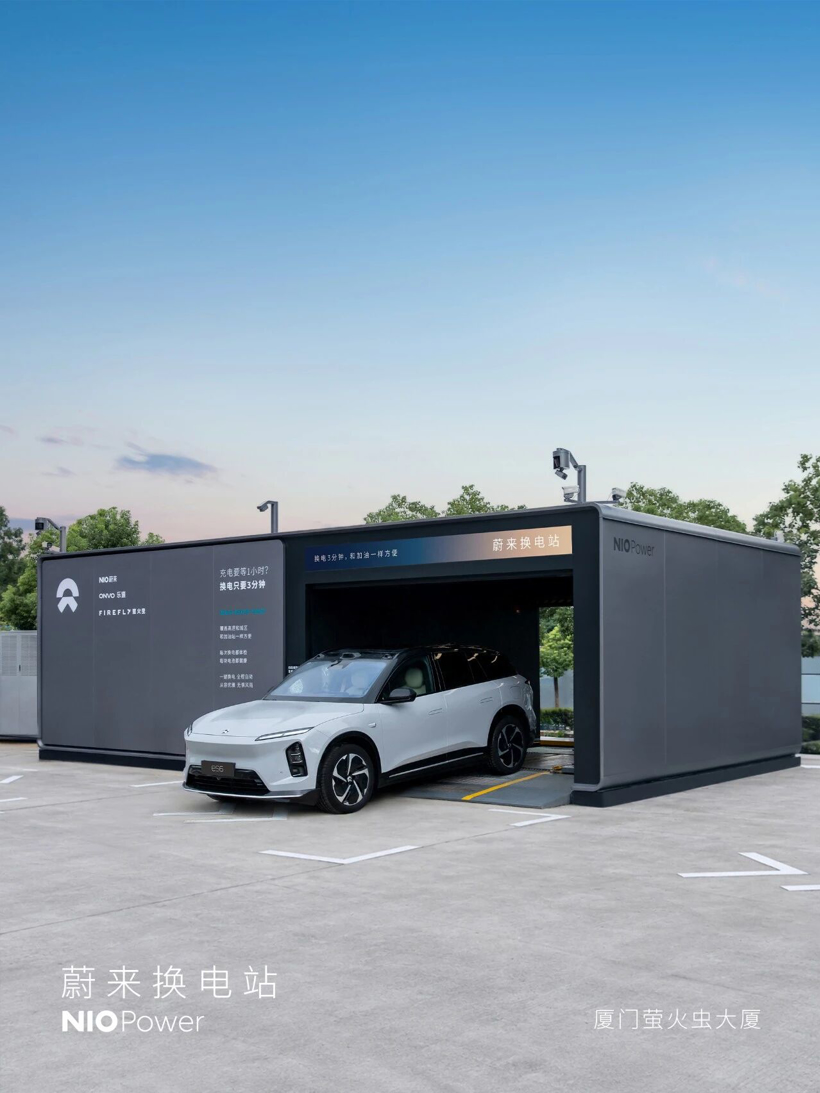
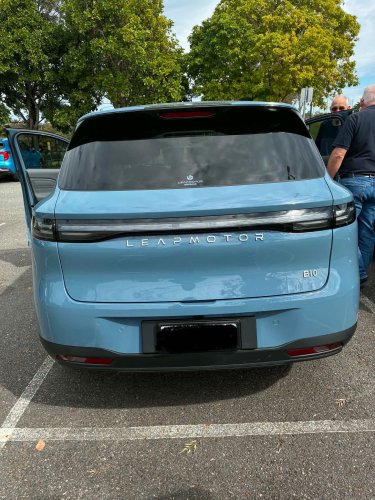
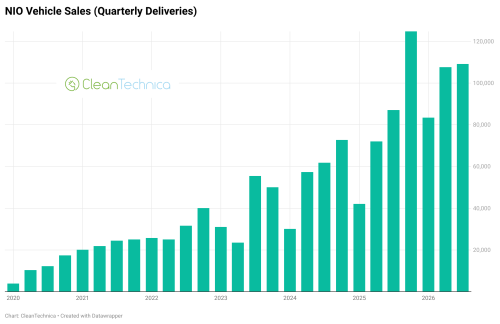
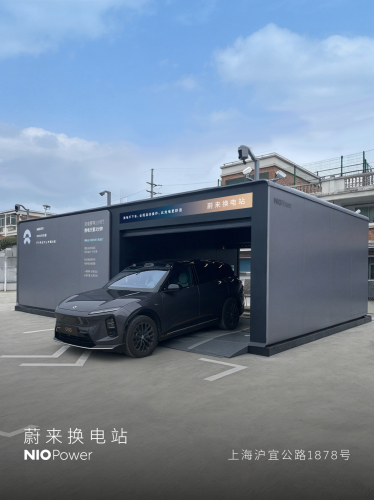
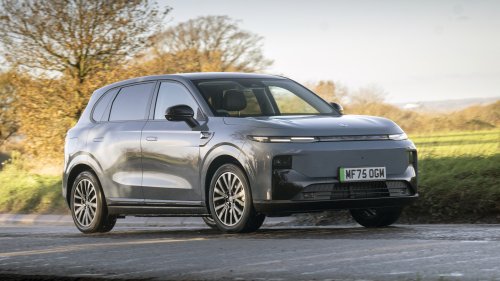
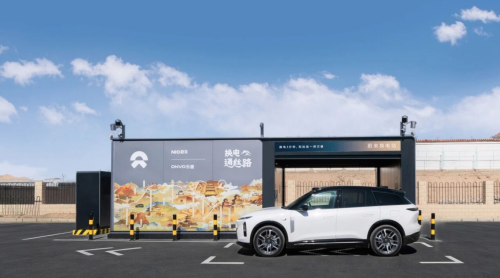
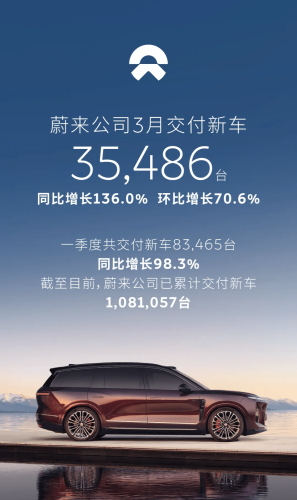
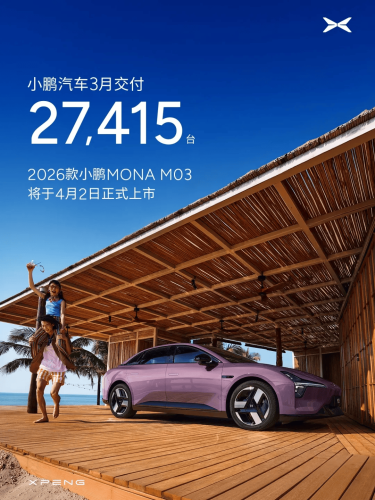
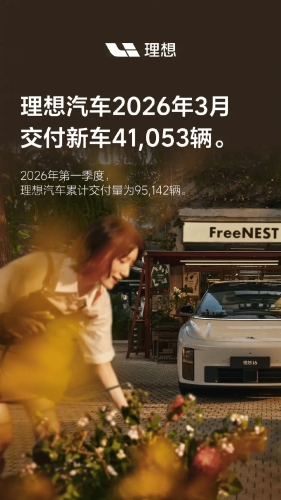
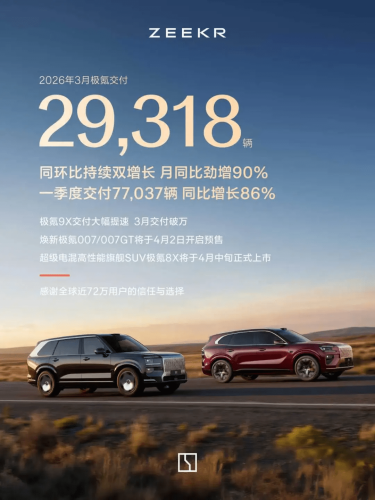
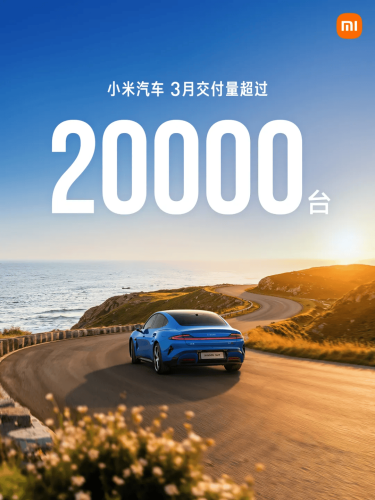
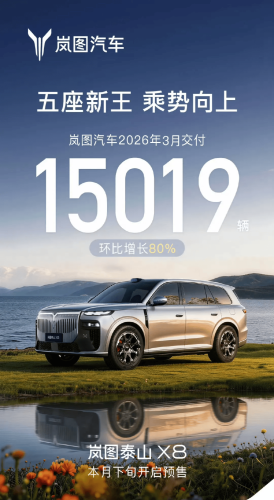
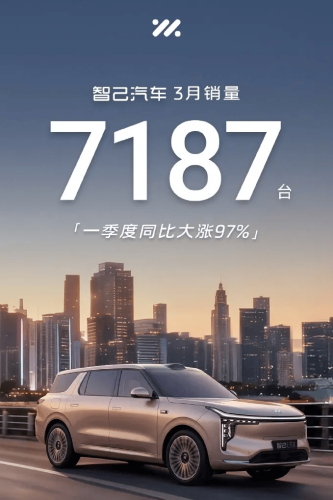
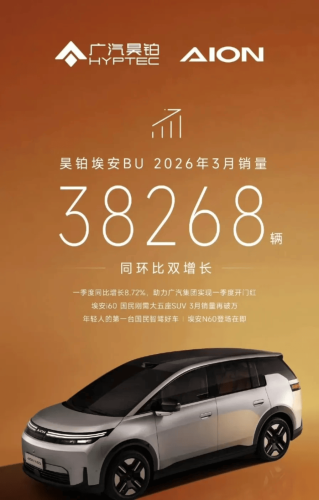
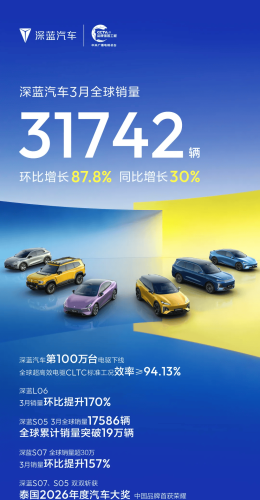
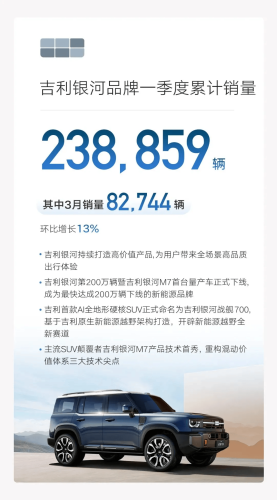
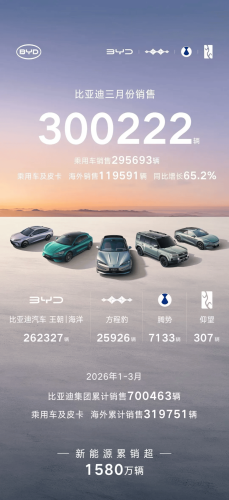
As the first quarter of 2026 comes to a close, China’s auto market has entered a key transition period. For the broader market, March marks the beginning of the traditional “golden sales season.” On a macro level, most automakers posted month-on-month gains compared with February. While reporting March results, many brands also used the momentum to preview upcoming product rollouts, aiming to unlock new growth through fresh technologies and product definitions. After navigating what is often described as a “winter slump” in February, it is worth examining how these automakers performed in March. NIO Inc. NIO Inc. announced that it delivered 35,486 vehicles in March, up 136% year-on-year and 70.6% month-on-month. In the first quarter, total deliveries reached 83,465 units, marking a 98.3% year-on-year increase, with growth broadly across the board. NIO Inc. delivery data in March According to disclosures from other brands, ONVO delivered 6,877 vehicles in March, while firefly delivered 6,119 units. This implies that the NIO brand itself accounted for 22,490 deliveries during the month. Focusing on the NIO brand, the third-generation ES8 stood out, with 16,255 units delivered in March. This week, the model is set to reach its 90,000th production milestone. From a product pipeline perspective, NIO Inc. is accelerating updates this year, with ES9 and L80 confirmed for launch, alongside refreshed “5566 (ET5 and ET5T, ES6 and EC6)” models. Following the success of the third-generation ES8, whether other models can unlock additional volume remains a key question. The introduction of L80 and the lidar-equipped L90 will also test ONVO’s ability to scale further. Xpeng Xpeng delivered 27,415 vehicles in March, up about 79.6% month-on-month but down roughly 17.4% from 33,205 units a year earlier. The company also revealed that the 2026 version of the MONA M03 is set to debut. Xpeng delivery data in March Beyond design refinements, the biggest upgrade is the introduction of the Turing AI chip with 750 TOPS computing power into the RMB 150,000 ($21,700) price segment, potentially enabling parts of second-generation VLA capabilities. Enhanced driver-assistance performance could help extend the lifecycle of the MONA M03 lineup. However, Xpeng’s current challenge lies in building a breakout product in the premium segment. At present, the X9 (including the extended-range version), priced above RMB 300,000 ($43,400), sells fewer than 2,000 units per month, while the updated G9 has yet to drive meaningful growth. A more premium model, the Xpeng GX, will target the large three-row SUV segment with both BEV and EREV options. According to CEO He Xiaopeng, around four SUVs will be launched this year. Whether Xpeng’s aggressive push into SUVs can create a new growth engine beyond the MONA M03 remains to be seen. Li Auto Li Auto delivered 41,053 vehicles in March, returning to the “40,000 club,” up 55.3% month-on-month and 11.9% year-on-year. First-quarter deliveries reached 95,142 units, slightly higher than 92,864 units in the same period of 2025. Li Auto delivery data in March Based on its 2025 financial report, Li Auto maintained profitability despite margin pressure, with revenue exceeding RMB 100 billion ($14.47 billion). In its BEV lineup, the i6 has exceeded 15,000 monthly sales for three consecutive months. Despite progress in BEVs, the company is not shifting its core strategy. In 2026, Li Auto plans major launches in both BEV and EREV segments. One of these is the next-generation L9, already confirmed with a more advanced “Livis” version and disclosed pricing and features. CEO Li Xiang also revealed during the earnings call that a flagship BEV, tentatively named “i9,” will launch in the second half. While specifications remain undisclosed, it is expected to mirror capabilities seen in the L9 Livis. Whether these two flagship “9-series” models can help Li Auto regain ground in the premium segment will be closely watched. Leapmotor Leapmotor delivered 50,029 vehicles in March, up about 78% month-on-month and 35% year-on-year, remaining in the top tier of EV startups. Leapmotor delivery data in March At the end of March, the A10—the first model in its A series—was launched, bringing lidar and full-scenario NOA to the sub-RMB 100,000 ($14,470) segment. According to CEO Zhu Jiangming, orders exceeded expectations during the first weekend after launch, indicating strong early market feedback. However, given the short time since launch, March sales were still primarily driven by the B and C series. The D-series flagship D19 will launch on April 16, while D99 and Lafa 5 Ultra are still in the pre-launch phase. Leapmotor has also expanded overseas, with reports of the B10 rolling off an SKD line in Myanmar and its first global innovation center opening in Munich. With a strategy of moving upmarket, expanding downward, and strengthening overseas presence, Leapmotor’s roadmap for 2026 is becoming clearer. Zeekr Zeekr also posted growth, with March deliveries reaching 29,318 units, up 90% year-on-year and 22.8% month-on-month. First-quarter deliveries totaled 77,037 units, up 86% year-on-year. Zeekr delivery data in March Another key data point showed that Zeekr 9X exceeded 10,000 deliveries in March, with the company claiming that three out of every ten vehicles priced above RMB 500,000 ($72,340) sold were 9X models. Following this success, Zeekr launched the 8X into the RMB 400,000 ($57,870) segment, with a starting pre-sale price of RMB 376,800 ($54,500). Pre-orders surpassed 10,000 units within 38 minutes. Updated versions of the 007/007GT are also in the pipeline, featuring a 900V architecture and upgraded powertrain and AD chips, which could further boost sales. Overseas expansion remains a priority, with deliveries already underway in Germany. Some reports suggest that the 9X is attracting price premiums in international markets. Xiaomi Auto Xiaomi Auto reported March deliveries of over 20,000 units, roughly in line with February and comparable to March last year. Xiaomi Auto delivery data in March Since deliveries began on March 23, the new SU7 has surpassed 7,000 cumulative deliveries. Supported by strong launch incentives, the refreshed SU7 is ramping up quickly. CEO Lei Jun revealed during a livestream that locked orders have exceeded 30,000 units. Compared with over 15,000 orders within 72 hours for the first-generation model, demand for the new SU7 appears even stronger. Future products—including “Kunlun,” an executive SU7 variant, and the YU7 GT—will expand Xiaomi’s lineup and play a key role in its move upmarket. Voyah Voyah reported 15,019 deliveries in March, up 80% month-on-month and about 50% year-on-year. Over the past year, Voyah has expanded its lineup through updates and new launches. Voyah delivery data in March It integrates Huawei HarmonyOS Space and ADS driver-assistance systems while covering SUV segments from mid-size to large three-row. However, recent sales trends show limited breakout models, with vehicles like FREE+, Taishan, and Zhiguang L failing to establish new growth engines. For example, Taishan peaked at 3,154 units in December before falling back to around 1,000 units. In March, Voyah introduced an updated Taishan priced at RMB 459,900 ($66,520), featuring Huawei ADS with four lidar units and a 896-line sensor setup. In April, Voyah will launch the Taishan X8, positioned between FREE+ and Taishan, with a length of 5.2 meters and a “courtyard-class” large five-seat SUV concept. Whether this larger Huawei-powered SUV can improve market performance remains uncertain. IM Motors IM Motors reported March sales of 7,187 units, up about 42.9% year-on-year, with first-quarter sales nearly doubling. IM Motors delivery data in March Compared with February retail data, March performance showed a clear recovery. Beyond LS6 and LS9, IM is focusing on the new LS8, slightly smaller than LS9 but available in both five- and six-seat layouts, while inheriting key technologies. It will debut IM ULTRA AGENT 1.0 and is priced from RMB 259,800 ($37,570), with internal expectations of becoming a volume driver. Considering its pre-sale price and technological features, the IM LS8 is expected to shoulder the significant responsibility of driving sales volume in the coming period, with high hopes within the company for it to become a “blockbuster” model. GAC Hypertec & Aion GAC Aion delivered 38,268 vehicles in March, up 231.38% month-on-month and 12.28% year-on-year. Total sales for January–March reached 75,389 units, with March contributing significantly to quarterly performance. GAC Hyptec Aion delivery data in March The Aion i60, launched in October, established a dual BEV+EREV strategy and introduced an upgraded version in March without price increases. The i60 exceeded 10,000 units in March, marking its best performance since launch. A new N60 with advanced driver assistance is also planned. Meanwhile, Hyptec is targeting the premium sedan segment with the A800, featuring Huawei HarmonyOS cockpit, ADS 4.1, and a 896-line lidar setup similar to AITO M9. However, as competition intensifies, Huawei-based intelligence is no longer a differentiator, and smart driving is increasingly common in lower-priced segments. To sustain momentum, the brand must demonstrate stronger differentiation beyond pricing and product specifications. Deepal Deepal reported global sales of 31,742 units in March, up 87.8% month-on-month and 30% year-on-year. Including overseas deliveries suggests that international markets are becoming an important contributor to overall sales. Deepal delivery data in March Additional data showed strong product momentum: L06 sales rose 170% month-on-month, S05 reached 17,586 units globally, and S07 increased 157%. While mid-range models are gaining traction, performance in the premium segment remains weak, with S09 selling fewer than 200 units in February. To break through at the high end, Deepal needs to build stronger differentiation beyond aligning with Huawei’s ecosystem. Geely Galaxy Geely Galaxy sold 82,744 units in March, up 13% month-on-month, bringing first-quarter sales to 238,859 units. In addition to the M7, the upcoming Galaxy Battleship 700—an AI-powered off-road SUV—adds a new dimension to the lineup. Geely Galaxy delivery data in March This marks Geely Galaxy’s entry into the hardcore off-road segment, competing with Fangchengbao and Tank. The emergence of the first hardcore off-road model, along with the previously introduced V900, may signify that Geely Galaxy is stepping out of the mainstream market segment Such moves into niche segments could help the brand identify new breakout products. BYD BYD sold 295,693 passenger vehicles in March, up 57.4% month-on-month and approaching 300,000 units. First-quarter sales reached 700,463 units. Ocean and Dynasty series remained the main contributors with 262,327 units, followed by Fangchengbao with 25,926 units. BYD delivery data in March Beyond volume growth, BYD is signaling greater ambition with next-generation battery technology and its “megawatt flash charging 2.0” system. Highlights include the new Denza Z9GT with over 1,000 km CLTC range and ultra-fast charging capability. BYD is also expected to accelerate technology democratization in 2026, with entry-level models like Seagull potentially offering optional lidar and full-scenario NOA. Overall, BYD is pushing for a comprehensive upgrade in core EV technologies, and with new models and innovations rolling out, its next phase of competition is already underway.




















 +64 others