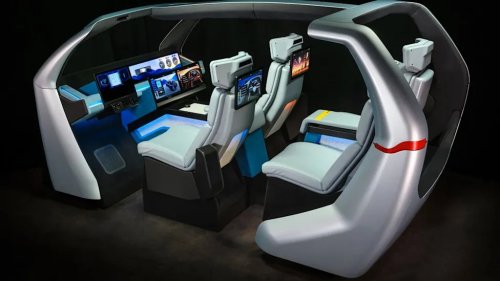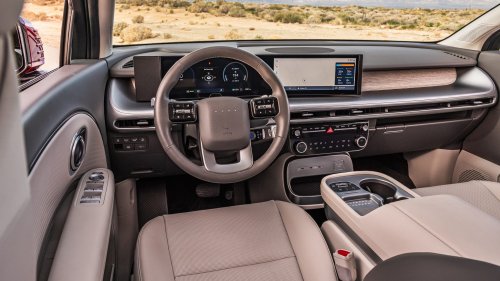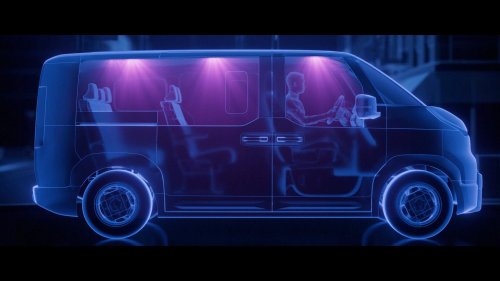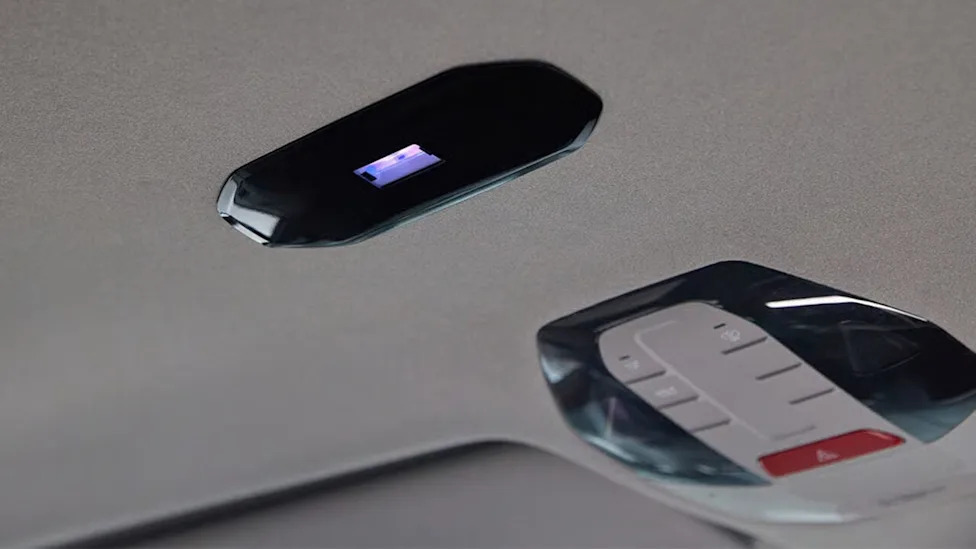
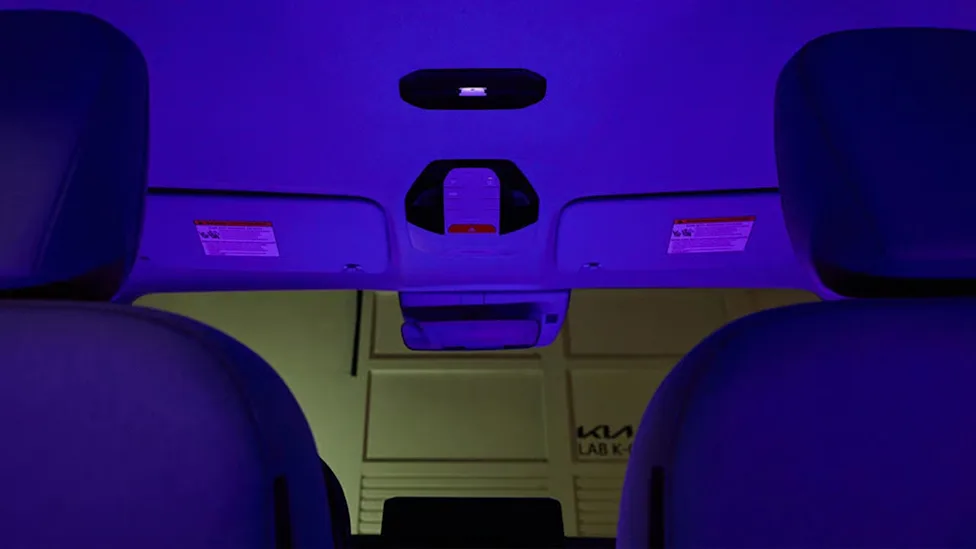



















Image Credit: Hyundai.Vehicle interiors have become increasingly sophisticated, with automakers adding everything from air purification systems to fragrance dispensers. Hyundai and Kia believe the next frontier could be cabin sanitization using ultraviolet light.The two Korean automakers have unveiled what they describe as the world's first in-vehicle sanitization system capable of operating while passengers are inside the vehicle. Called Plasma Care UVC, the technology uses a specialized form of ultraviolet light designed to kill bacteria and reduce odors without exposing occupants to harmful levels of radiation.Unlike traditional UVC sterilization systems, which are typically limited to enclosed compartments because of safety concerns, the new system relies on Far-UVC wavelengths between 200 and 230 nanometers. Hyundai and Kia say this range can sanitize cabin air while remaining safe for use around people.AdvertisementAdvertisementThe technology is still in the research phase, but it highlights how automakers are continuing to explore new ways to improve cabin comfort, hygiene, and passenger well-being, particularly as ride-sharing services and purpose-built vehicles become more common.How Plasma Care UVC WorksImage Credit: Hyundai.Conventional UVC light has long been used to disinfect objects like medical equipment, toothbrushes, and enclosed storage compartments. Direct exposure, however, can be harmful to human skin and eyes, making it unsuitable for use inside an occupied vehicle.Hyundai and Kia's solution uses Far-UVC light, which the companies say delivers enough energy to destroy bacteria and viruses while remaining within the outer keratin layer of human skin. According to the automakers, microorganisms lack that protective barrier, allowing the light to damage their DNA without penetrating deeper into human tissue.Developing the system for automotive use required more than simply shrinking existing technology. Engineers created a compact plasma-based light source, optimized its power consumption, and designed it to withstand vibration, temperature changes, and the demanding conditions of daily driving.AdvertisementAdvertisementThe system also incorporates specialized optical filters to help ensure only the intended Far-UVC wavelengths are emitted inside the cabin.Testing Shows Promising ResultsImage Credit: Hyundai.Hyundai and Kia subjected Plasma Care UVC to several rounds of testing with certified research organizations before announcing the technology.In one simulated vehicle cabin measuring roughly eight cubic meters, the system reduced airborne viruses by 96.8 percent after 30 minutes under controlled laboratory conditions. Separate laboratory testing showed a 99.9 percent reduction in pneumonia-causing bacteria after just 30 seconds, with complete eradication achieved after one minute.Engineers also installed the system inside a Kia PV5 electric van to evaluate its performance in a real vehicle. According to Hyundai and Kia, testing demonstrated a 99.9 percent reduction of E. coli bacteria after 40 minutes of operation.AdvertisementAdvertisementBeyond sanitization, the companies say the technology also helps reduce odors by targeting odor-causing microorganisms inside the cabin.Still A Concept For Future VehiclesAlthough the results appear promising, Plasma Care UVC is not ready for production vehicles. Hyundai and Kia say additional technical validation and regulatory approvals will be required before the system can reach customers.The companies envision the technology being especially useful in future autonomous vehicles, commercial fleets, ride-sharing services, and purpose-built vehicles where multiple passengers may use the same cabin throughout the day. A cleaner interior and reduced odors could become a valuable selling point in those applications.Questions remain about long-term durability, including whether repeated exposure to ultraviolet light could affect interior materials over many years of use. Those are among the challenges Hyundai and Kia will need to address before introducing the technology into production models.AdvertisementAdvertisementEven so, Plasma Care UVC offers an interesting glimpse at how automakers are rethinking vehicle cabins. As cars continue evolving into living and working spaces rather than simple transportation, features focused on health and hygiene may eventually become just as common as climate control or air filtration.If you want more stories like this, follow Guessing Headlights on Yahoo so you don't miss what's coming next.