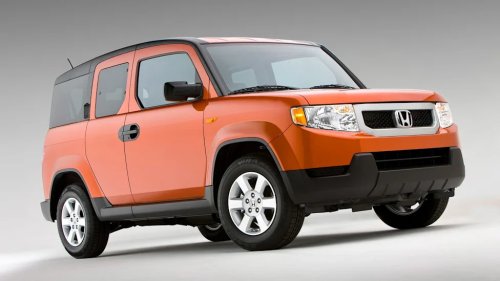
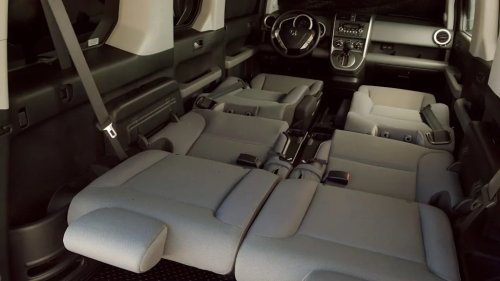
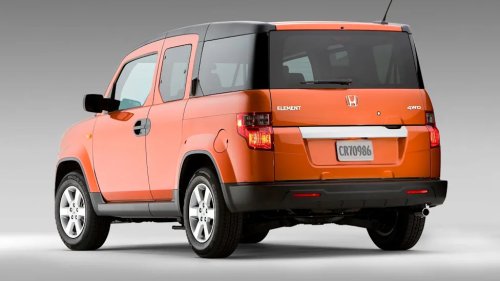
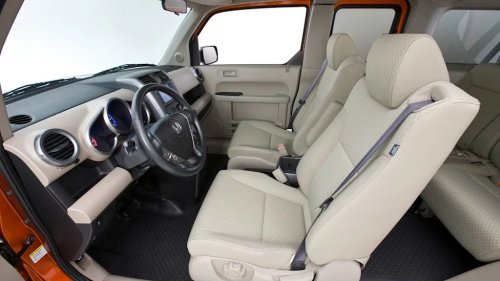
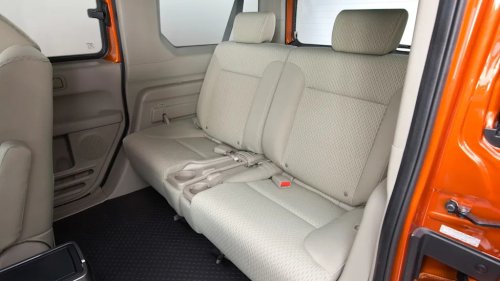
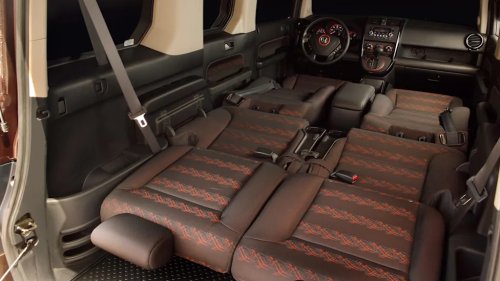
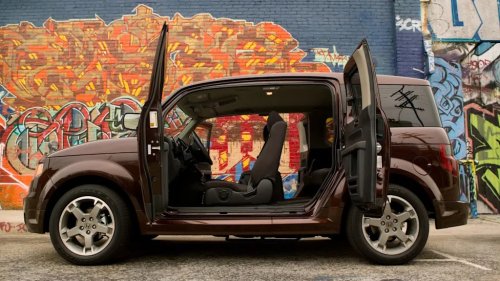
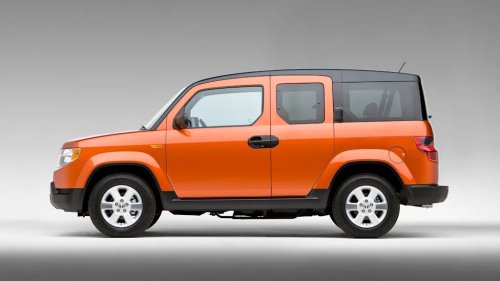
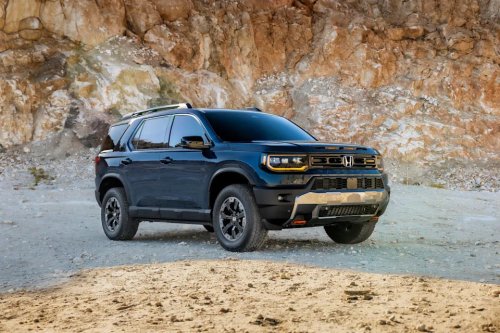
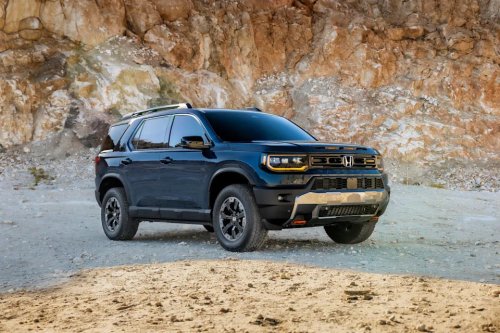
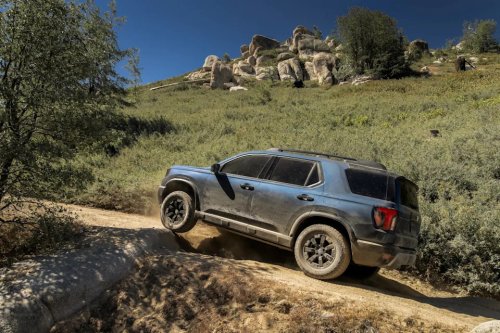
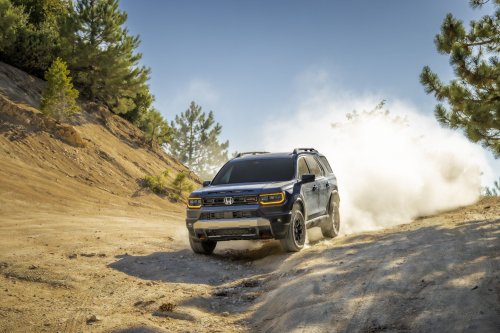
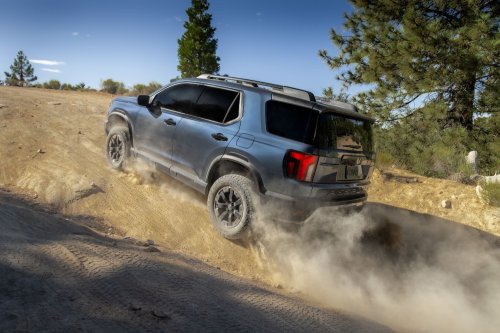
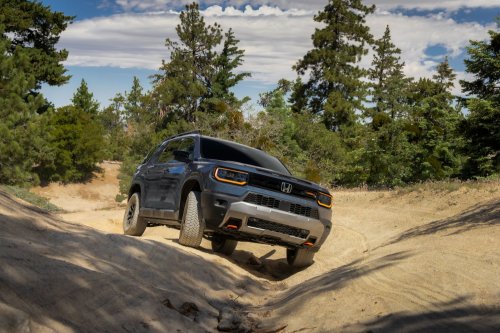
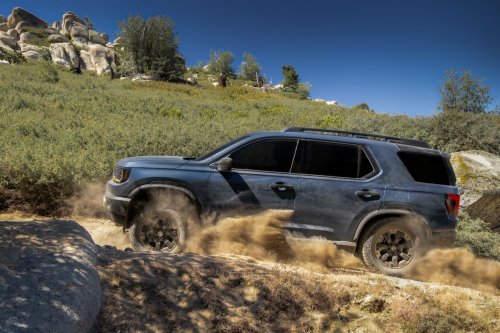
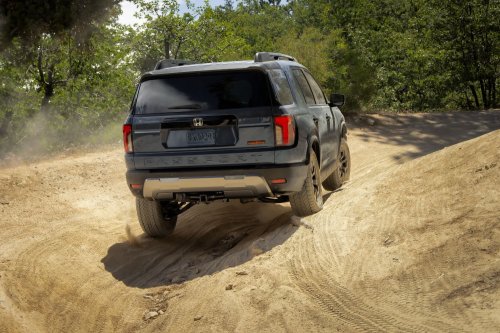
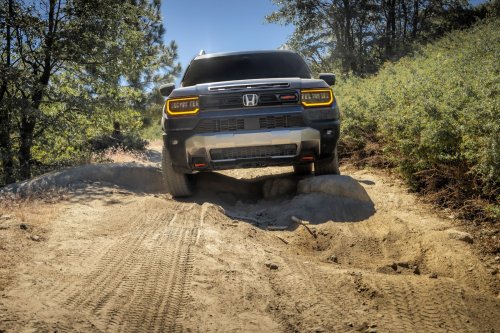
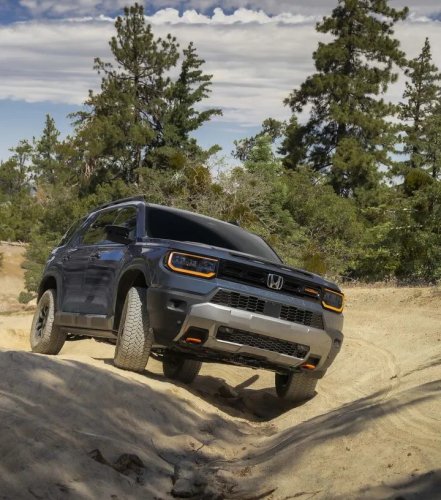
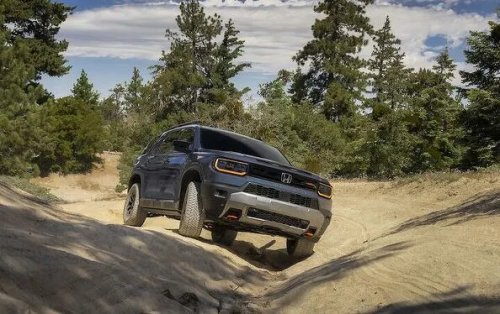
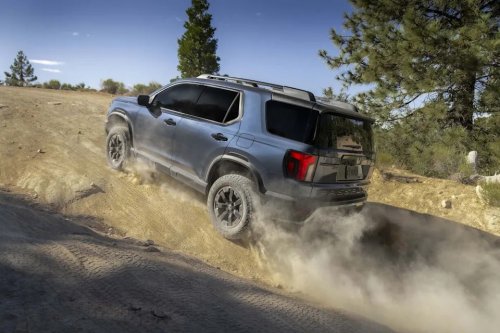
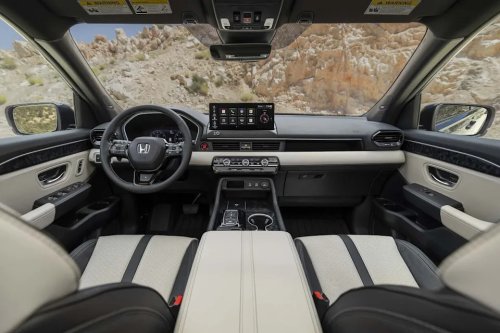
Will Honda Revive the Element SUV for 2029?hondaSome vehicles seem to almost automatically gain a cult following. In the 2000s, one of them was the Honda Element. It had a unique, boxy design that fit right into the era's wave of Japanese-branded crossovers, but the Element truly connected with buyers looking for a genuinely compact utilitarian vehicle. You could even order it with a stick shift. Sadly, though, the distinctive design never made it to a second generation, and the Element bowed out in 2011 after a lifespan just shy of a decade. But according to an Automotive News report, rumors claim the Element will return in 2029 with hybrid power, targeting Ford's Bronco Sport.We reached out to Honda about the claim, and the company is staying mum on the topic. "The Honda Element has maintained a cult following since it was discontinued in 2011, and hopes for its possible return continue to circulate online," a spokesperson told us by email. "We sincerely appreciate the enthusiasm for the Element, but we are not going to engage in speculation about our future product plans."What Made the Element So Popular?Although the 2029 Honda Element would reportedly slot between the HR-V and CR-V, it is said to be an adventure vehicle worthy of the name. Although that might sound small, the original Element rode on a 101.4-inch wheelbase and measured 169.9 inches long and 72.0 inches wide. That makes it 3.1 inches shorter in wheelbase and 9.9 inches shorter overall than the 2027 Honda HR-V.hondaWhat made it look and feel bigger was the combination of its boxy shape and 70.4-inch height. More impressively, Honda pulled that off without a traditional B-pillar. Instead, the Element used reinforced side sills, a strengthened floor, and roof crossmembers to support its biparting doors, creating a 55.5-inch opening and another reason the compact Element felt roomier than it really was.AdvertisementAdvertisementThose features helped drive the Element's popularity among buyers looking for a truly useful vehicle. But its versatility also played a major role in building its cult following, especially among owners who turned it into a camper. The flexible seating layout was a big part of its appeal, particularly the ability to fold all the seats flat or mount the rear seats to the interior sides to maximize cargo capacity. You could also mount the passenger front and both rear seats backward, if you wanted to.Hopefully, Its Fuel Economy Doesn't ReturnOne thing the original Honda Element lacked throughout its nearly 10-year run was a hybrid powertrain. Instead, it offered Honda's K24 2.4-liter I-4 engine in A4 and A8 form, depending on model year, with the former featuring a cable-driven throttle and milder camshaft profile, and the latter getting a more aggressive cam and electronic throttle body. Both versions remain popular in the Honda enthusiast community thanks to their reliability and solid power output.Fuel economy, however, was never the Element's strong suit. Its best EPA ratings came in front-wheel-drive form at 20/25/22 mpg city/highway/combined. All-wheel drive was available, but it came with a penalty, dropping efficiency to 18–19/23/20 mpg city/highway/combined.Photo credit: hondaPhoto credit: hondaPhoto credit: hondaPhoto credit: hondaAdvertisementAdvertisementPhoto credit: hondaPhoto credit: hondaPhoto credit: hondaPhoto credit: hondaAdvertisementAdvertisementPhoto credit: hondaPhoto credit: hondaPhoto credit: hondaIf the rumors become reality, the 2029 Honda Element will feature a hybrid powertrain and hopefully become a fuel-economy leader for buyers who are seeking a compact adventure crossover but who are unwilling to purchase a Subaru Forester or Ford Bronco Sport.