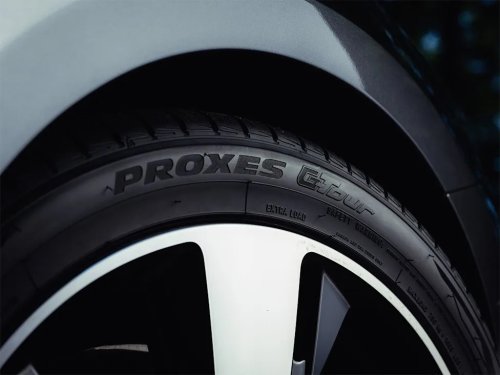
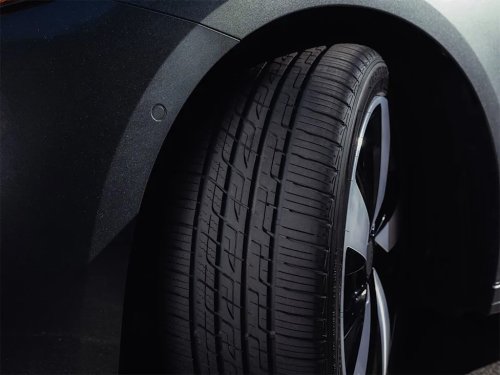
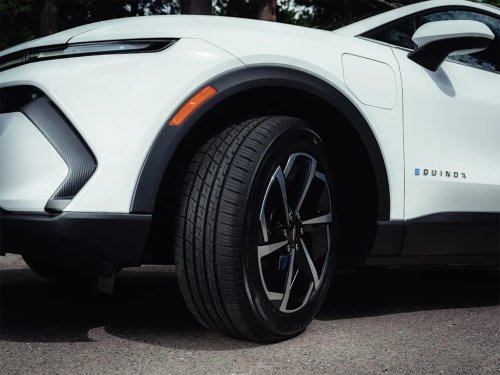
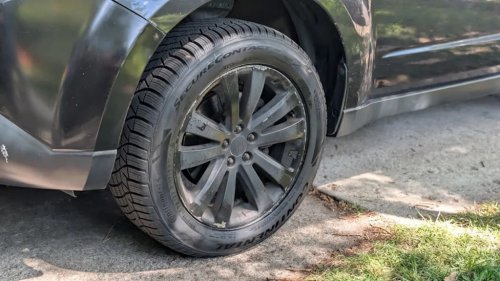
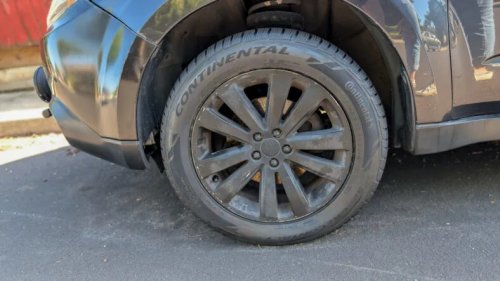
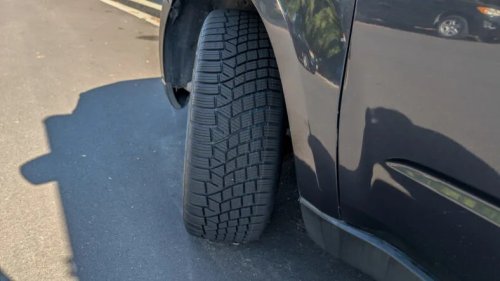
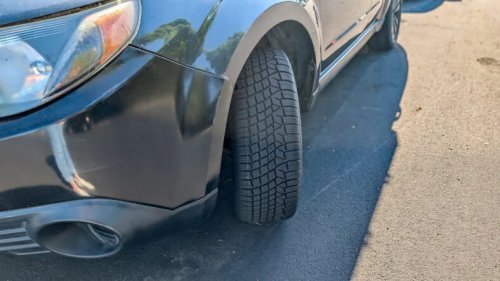
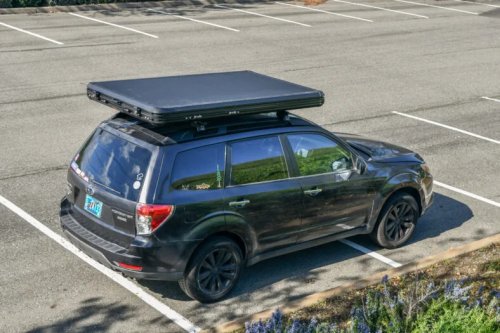
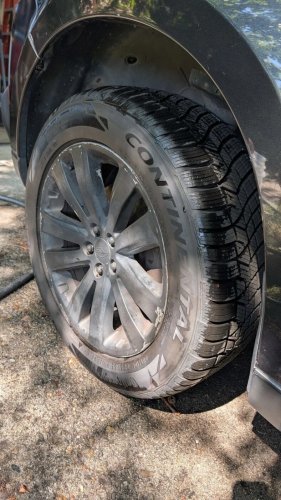
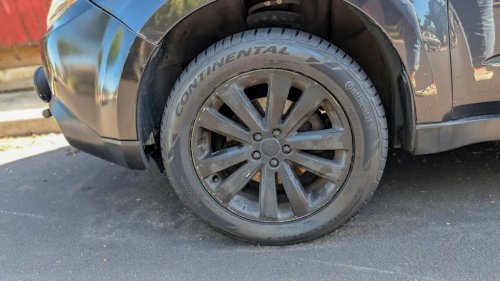
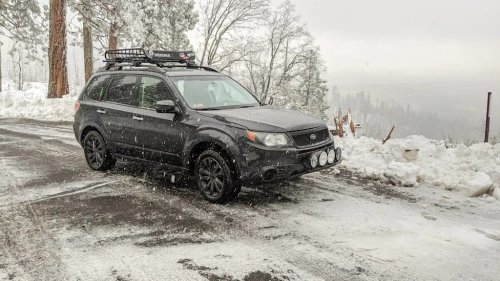
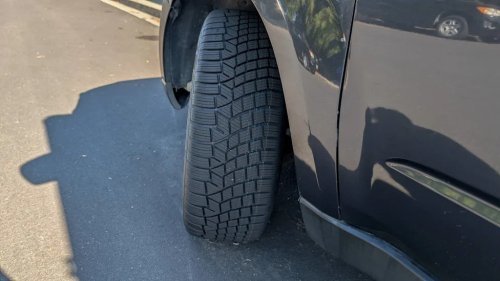
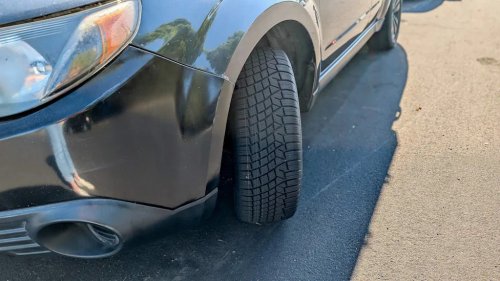
Autoblog and Yahoo may earn commission from links in this article.As the spouse of a certified tire technician, rubber compounds and tread designs are common dinner table topics in my household. Growing up in California's Bay Area, standard all-season rubber with an M+S (mud and light snow) rating was always deemed "good enough". However, a stint living in Bend, Oregon—which experiences genuine winter weather—provided a firsthand education on the stark performance deltas between all-season, all-weather, and dedicated winter tires. While I previously swapped my Subaru Forester over to Bridgestone Blizzaks for the winter, I remained stubborn about running standard all-seasons during the spring, summer, and fall. Continental's new SecureContact AW tire looked to challenge that lifecycle. AdvertisementAdvertisementRelated: Road Ethos Launches: The New Automotive Lifestyle Site You Should ReadAs the name implies, all-weather tires provide traction all year-roundThe justification for running standard all-seasons in the eastern part of the San Francisco Bay Area seems logical on paper: the region rarely sees rain, never sees snow, and black ice is practically non-existent. In a completely dry, temperate climate, a severe 3PMSF (Three-Peak Mountain Snowflake) rated tire can feel like overkill. However, regional driving patterns quickly expose the limitations of standard all-seasons. Whether caught in an unseasonal May snowstorm in the Rockies or traversing Interstate 80 East through Lake Tahoe during an abrupt Sierra downpour, weather conditions change rapidly as elevation rises. Kristen BrownWith traditional all-seasons, a sudden drop in temperature forces a choice between pulling over to install chains or risking severe traction loss. Standard all-season rubber compounds begin to harden significantly once ambient temperatures drop below 40, transforming a dependable tread pattern into a hard, slippery compound precisely when mechanical grip is vital. The Continental SecureContact AW is engineered to perform—and perform well—no matter how hot or cold it is outside.The biggest seller for me was the elimination of seasonal tire swapsA dedicated winter tire remains the gold standard for severe frozen conditions; my Bridgestone Blizzaks previously guided my Subaru Forester through Oregon blizzards without a single hint of breakaway. But the compromise with dedicated winter rubber is the mandatory seasonal swap. Leave a winter tire on during the summer, and the ultra-malleable compound that gave you excellent grip on ice will degrade rapidly. The Continental SecureContact AW bypasses this logistical headache by offering true year-round versatility without sacrificing grip and traction in warmer months. AdvertisementAdvertisementContinental achieves this via advanced compound chemistry, utilizing temperature-activated Tg-F polymers and specialized elasticity stabilizers. These additives prevent the tread block from stiffening in sub-freezing temperatures. Kristen BrownUnlike a dedicated winter tire—which feels greasy, vague, and squishy when ambient temperatures spike into the triple digits—the SecureContact AW feels remarkably composed. Testing the tire through a prolonged Northern California heatwave with weeks of consistent 90-degree weather made me forget they were winter-rated. They're that good. Where a winter tire feels sloppy, squishy, and uncommunicative in high heat, the SecureContact AW maintained a stable, confident contact patch and sharp steering responses.Related: California's Fuel-Saving Tire Rule Could Make Drivers Replace Tires More OftenYes, they're 3PMSF-rated and M+S-ratedYou probably wouldn't be surprised to learn that many people I know think an M+S rating means their tires can handle snow. And, unfortunately, there is a common misconception among drivers that an M+S sidewall stamp equates to true winter capability. To clarify: the M+S rating is granted purely based on a geometric tread formula. If a tire has a specific percentage of open groove space to evacuate mud or loose snow, it gets the stamp—without ever undergoing physical performance testing in cold or icy conditions. AdvertisementAdvertisementBecause the underlying rubber compound is non-reactive to extreme cold, an M+S tire hardens below 45, sacrificing a massive percentage of its mechanical grip on cold asphalt or hard-packed snow. Conversely, the 3PMSF (Three-Peak Mountain Snowflake) symbol guarantees that the tire has passed rigorous physical testing on packed snow, delivering at least 10% better acceleration traction than standard reference tires. Kristen BrownThe Continental SecureContact AW utilizes a specialized compound that remains pliable in severe cold, paired with high-density siping that acts as microscopic biting edges to claw into ice and slush. Upgrading to a 3PMSF tire shifts your vehicle from a tread pattern that merely pushes debris away to a compound scientifically certified to maintain a footprint during sudden alpine storms.The stop-and-go performance and longitudinal grip are noticeableEven during daily errands and commuting, the SecureContact AW delivers immediate feedback during aggressive driving dynamics. Dealing with the abrupt, heavy stop-and-go deceleration typical of California highway traffic requires a tire capable of handling high load shifts. The longitudinal grip under hard braking is definitely reassuring. Continental formulated this rubber with a high-silica compound and a proprietary +Silane additive to maximize micro-friction and wet braking performance. Kristen BrownUnder sudden, heavy brake applications when traffic grinds to a sudden halt, you can actively feel the tread biting into the asphalt. It delivers premium wet braking distances, significantly delaying ABS intervention and eliminating the brief, unsettling sliding sensation common in budget all-season options—even under high thermal loads.AdvertisementAdvertisementRelated: BMW's High-Performance Electric X5 Is Getting Tires Not Even Supercars Have YetMarket positioning, pricing, and competitorsTire pricing varies by retailer and sizing, but looking at a common enthusiast crossover size like 225/55/R17 (tested on a Subaru Forester), the SecureContact AW sits in a highly competitive bracket on Tire Rack at $203.99 per tire. When cross-shopped with top-tier premium competitors in the all-weather segment, the Continental presents a strong value proposition. I'll use prices from Tire Rack as an example:Tire ModelPrice Per Tire (225/55/R17)Continental SecureContact AW$203.99Bridgestone Ultraweather$212.99Goodyear Assurance Weatherready 2$215.99Pirelli Cinturato Weatheractive$218.93Michelin CrossClimate 2$229.99While they demand a premium upfront investment over entry-level all-seasons, they include a 60,000 to 70,000-mile limited treadwear warranty. When you factor in the robust build quality and eliminate the biannual cost of mounting and balancing a secondary winter set—which typically runs $40 to $150 per appointment—the total cost of ownership shifts heavily in the Continental's favor.Final thoughts: Don't hesitate to make the switchTransitioning away from a standard all-season tire can feel like a gamble, but the Continental SecureContact AW proves you don't have to sacrifice a quiet cabin, smooth ride quality, or tread longevity to get authentic severe-weather capability. If you want to eliminate the guesswork of regional weather shifts and demand absolute confidence from high-speed freeway tracking to frozen mountain passes, this all-weather option is highly recommended. And don't get it twisted. Nothing will beat a dedicated winter tire. But if you're a seasoned pro, you drive a car with all-wheel or four-wheel drive, an all-weather will do just fine. There were plenty of people in Oregon who got around just fine on all-weather tires during the brutal winters.AdvertisementAdvertisementThis story was originally published by Autoblog on Jul 4, 2026, where it first appeared in the Reviews section. Add Autoblog as a Preferred Source by clicking here.

















 +14 others