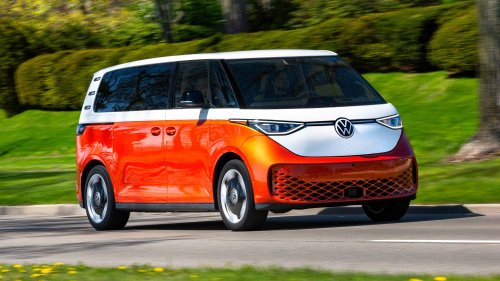
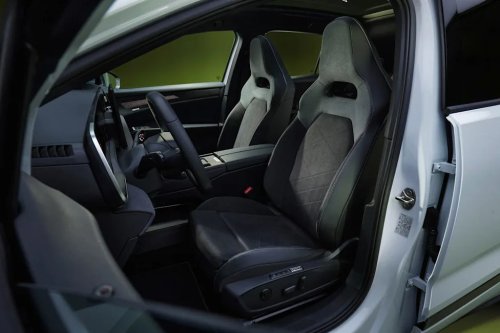
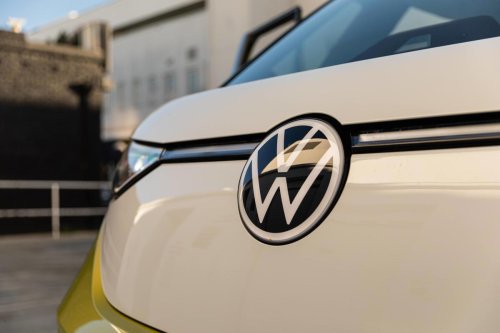
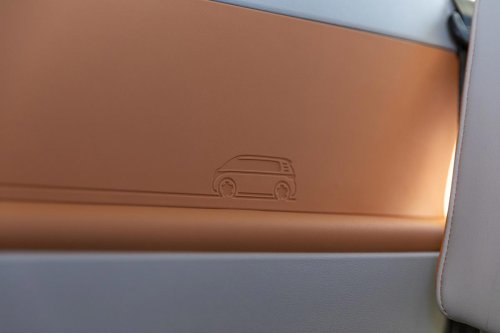
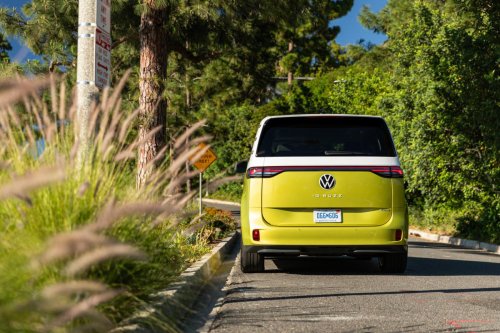
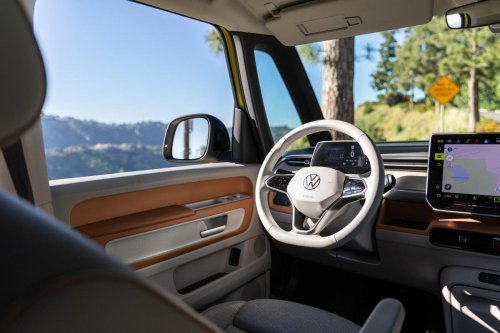
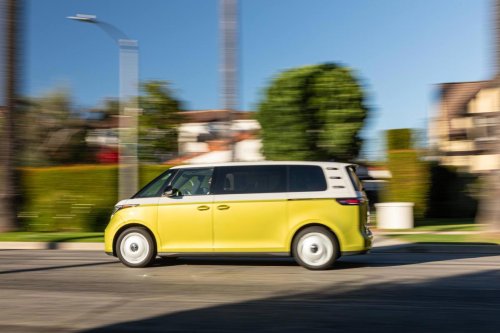
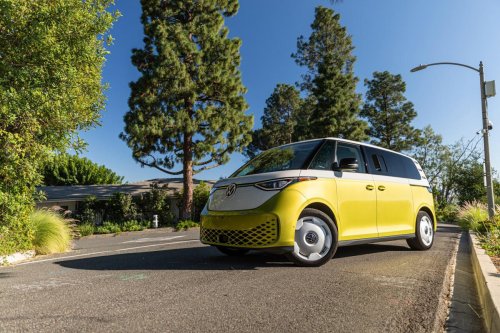
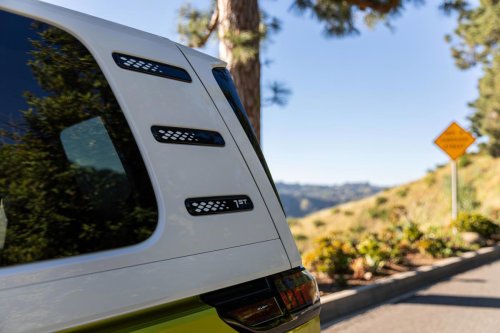
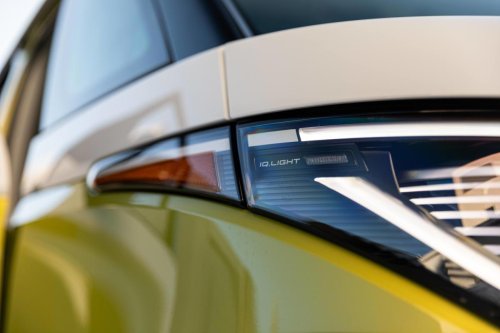
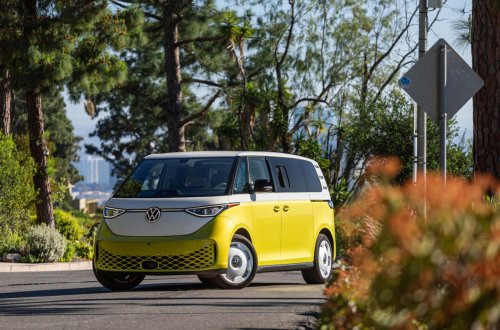
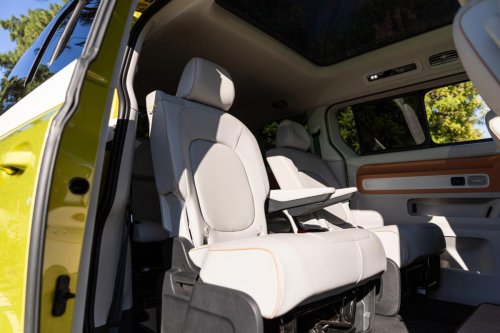
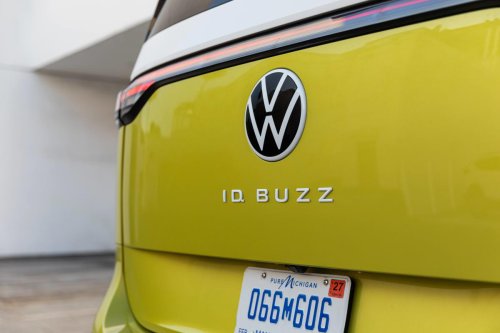
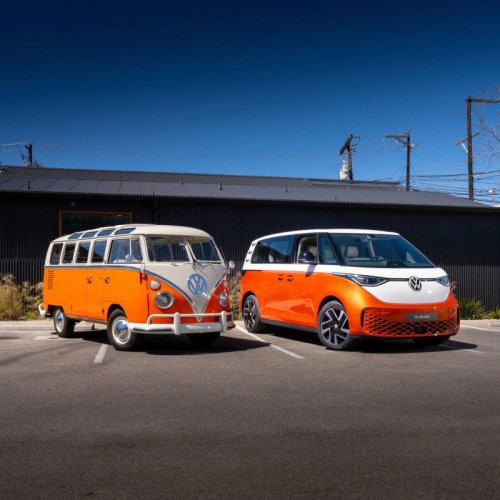
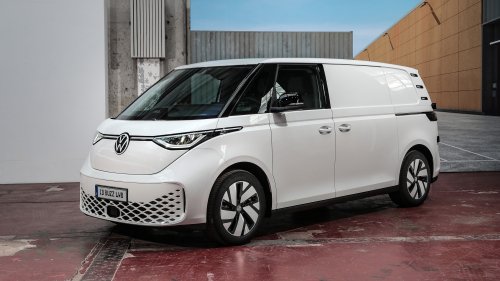
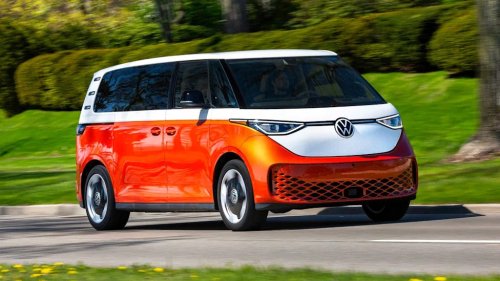
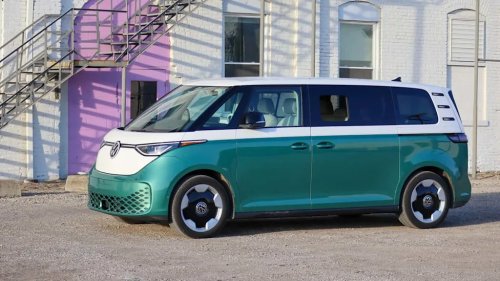
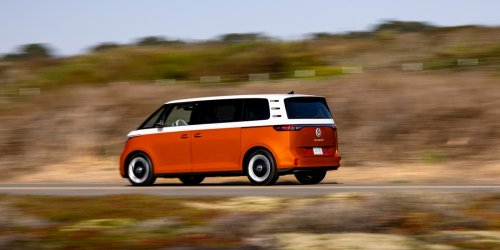
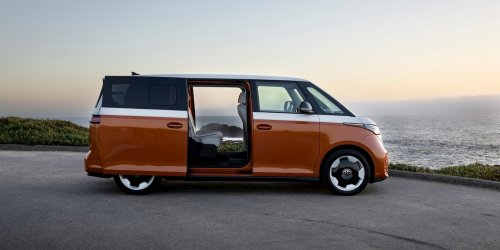
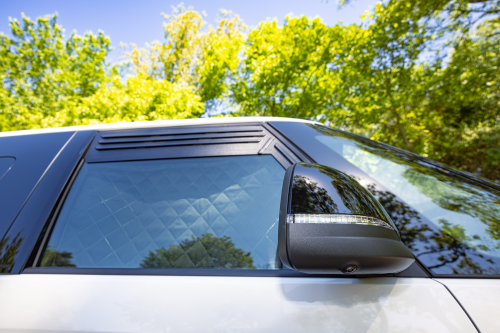
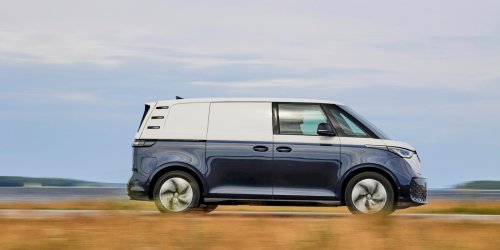
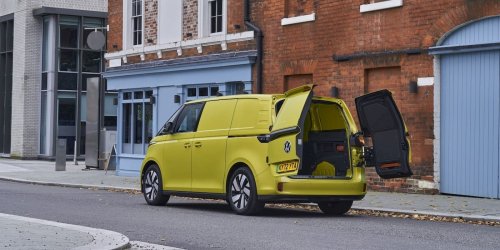
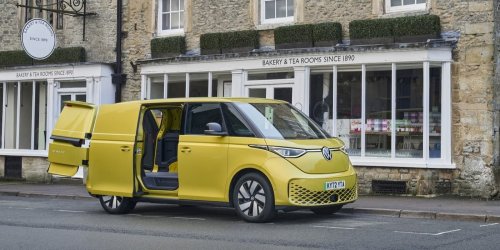
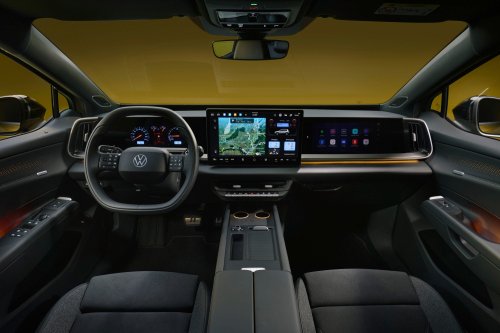
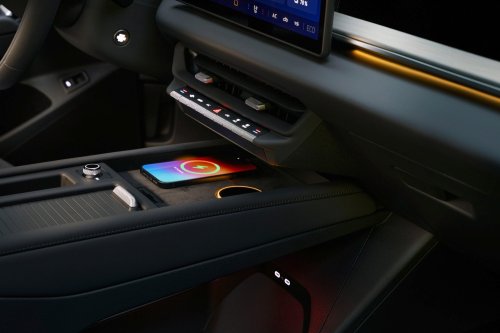
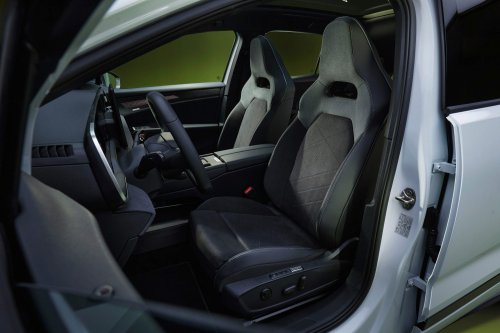
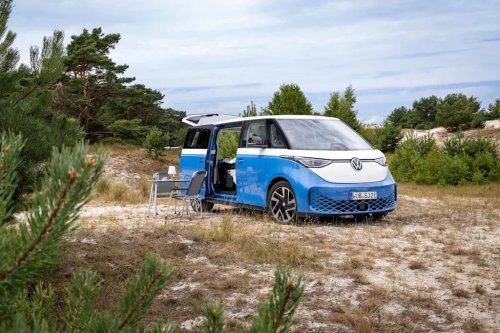
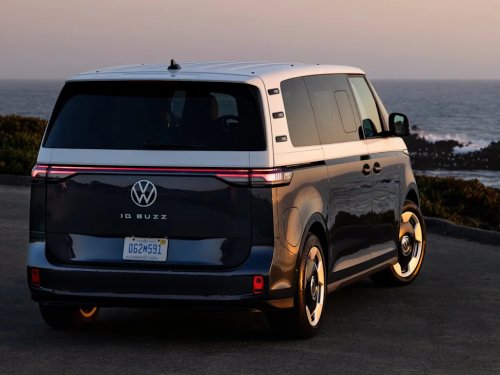
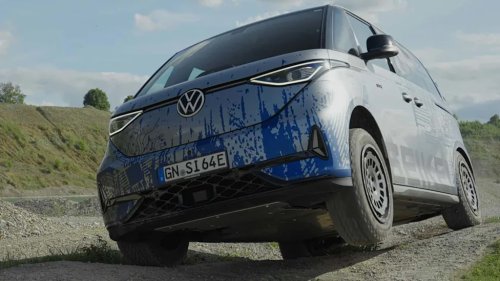
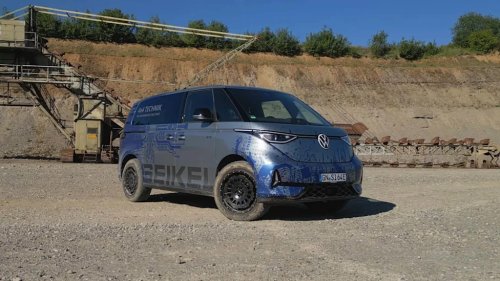
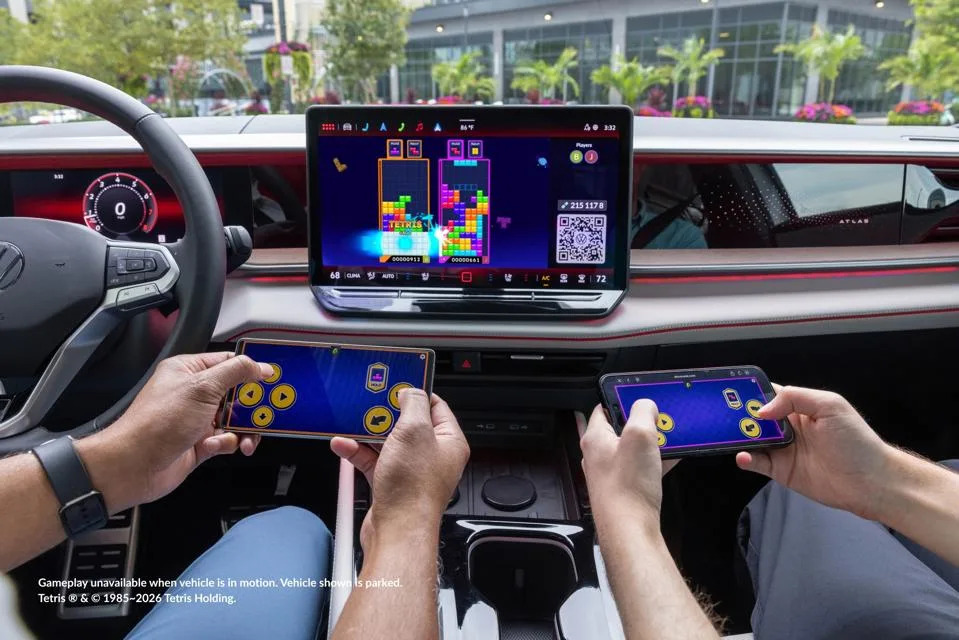
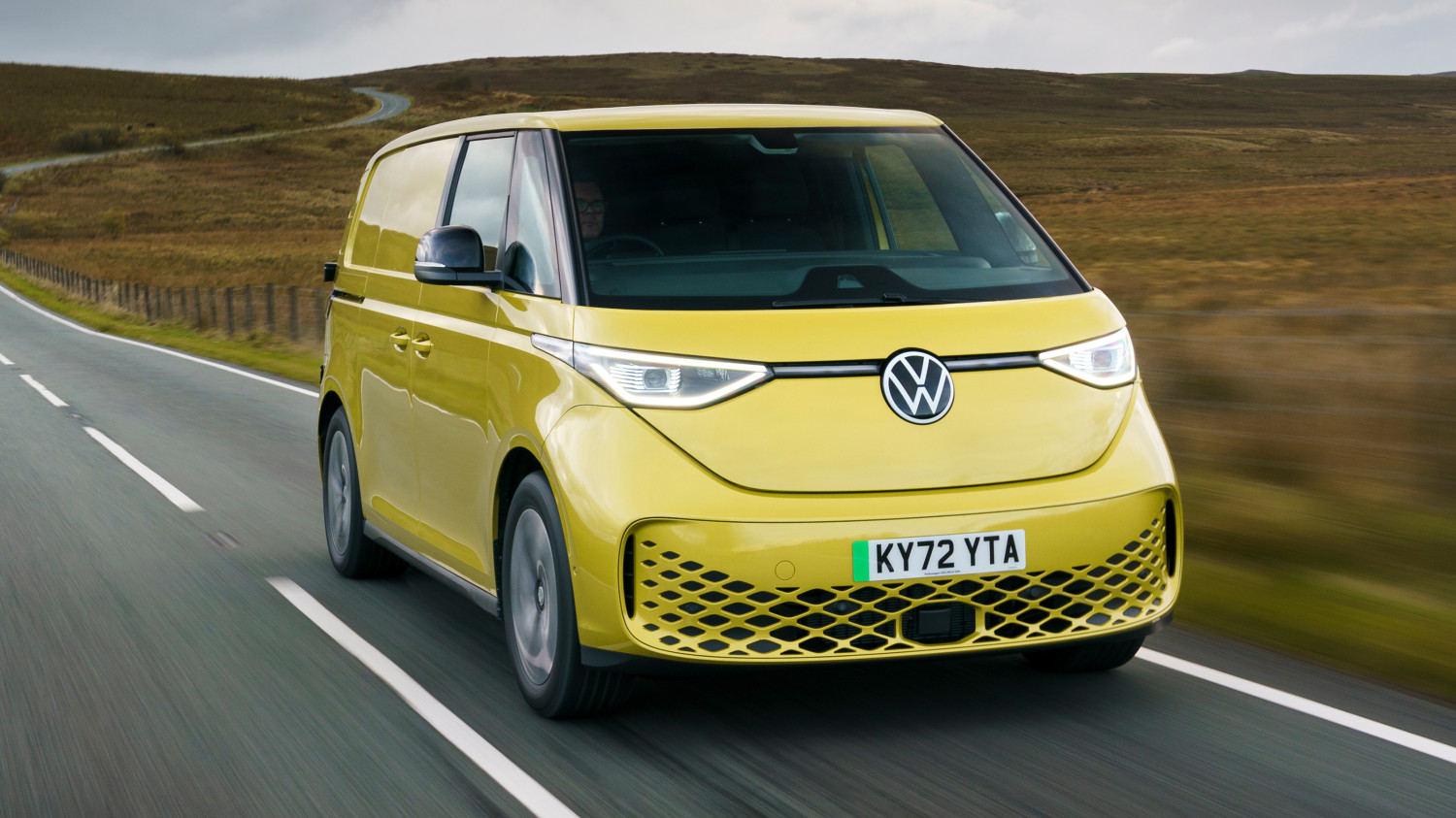
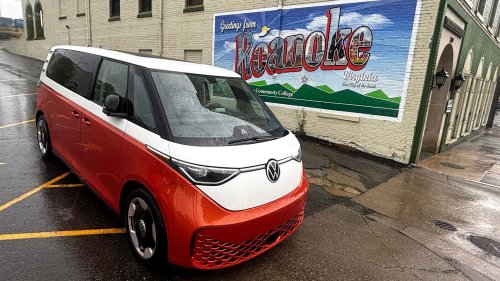
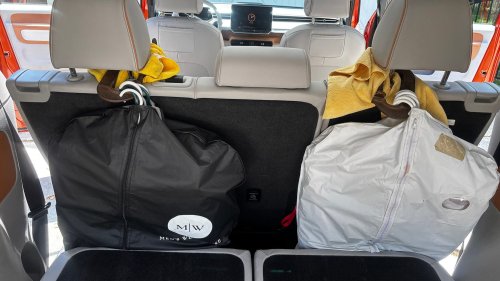
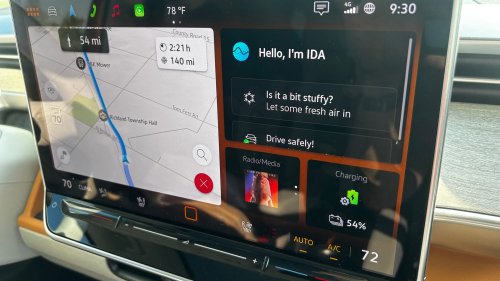
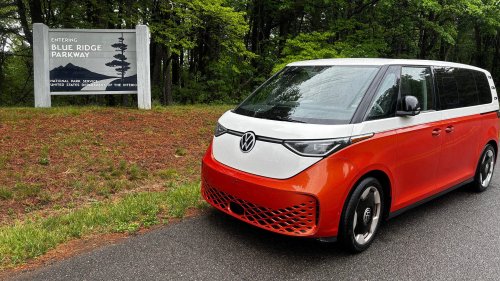
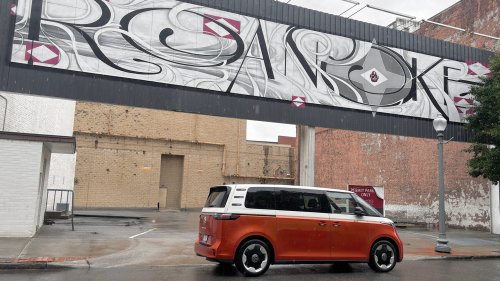
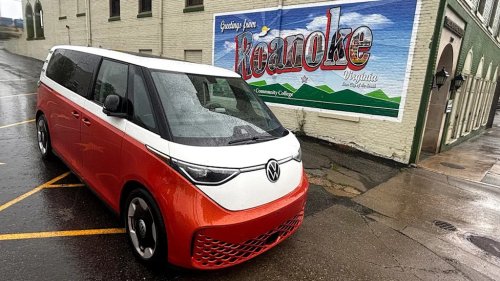
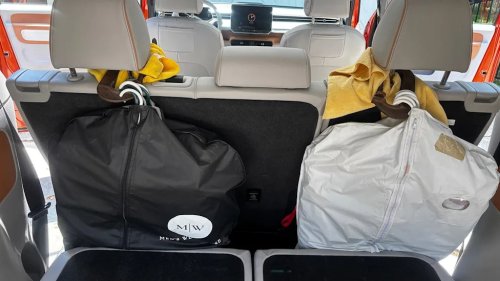
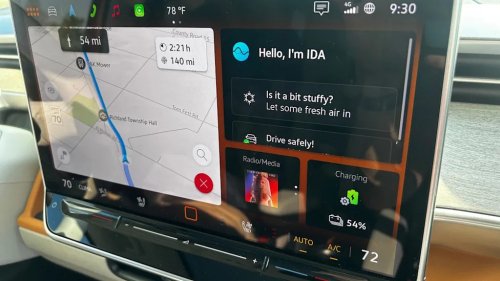
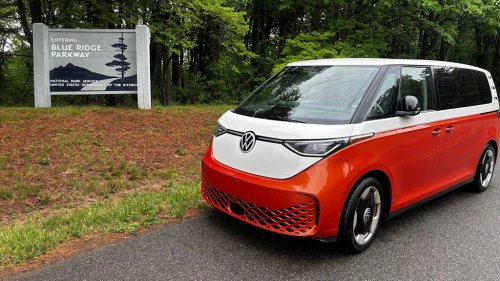
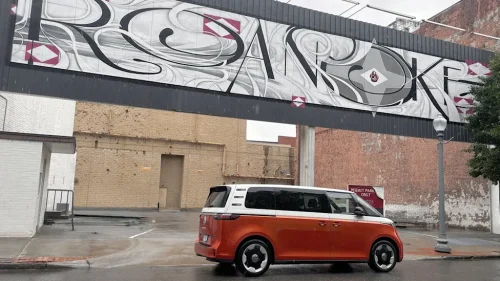
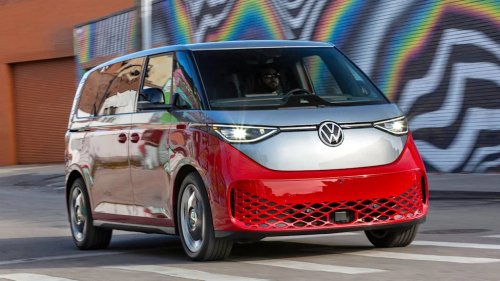
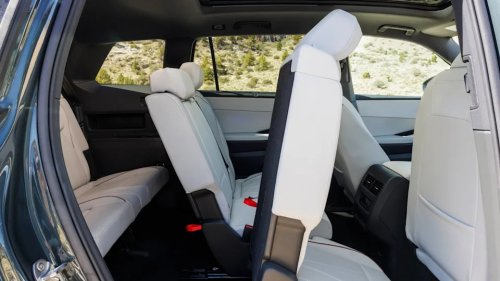
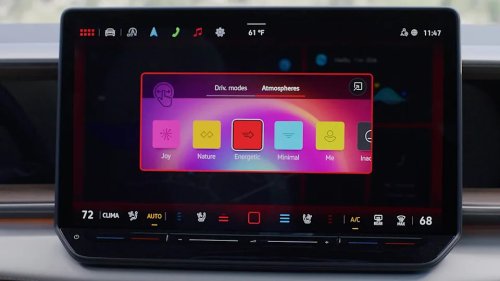
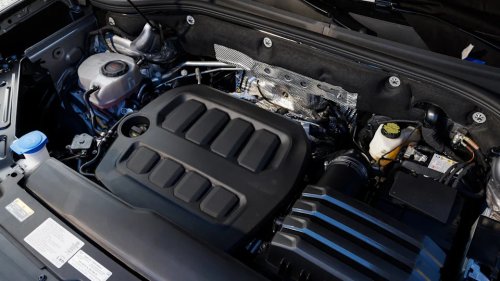
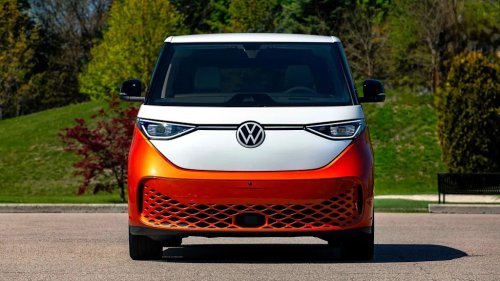
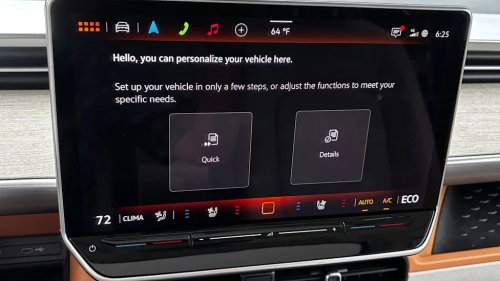
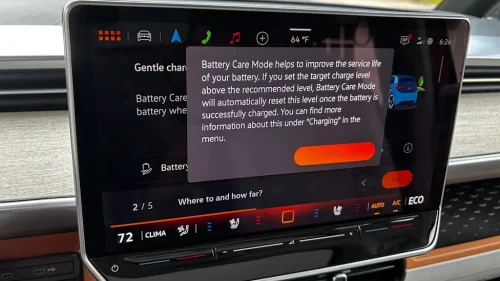
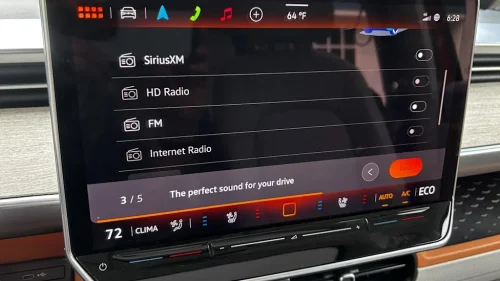
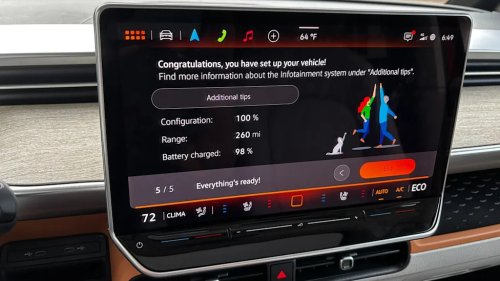
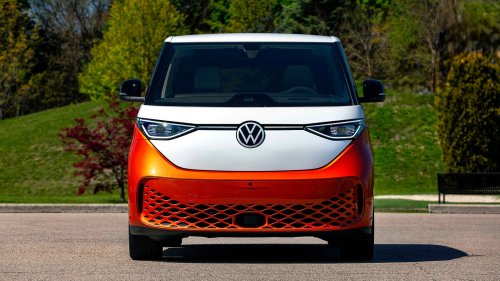
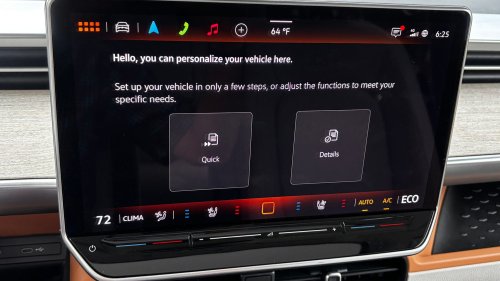
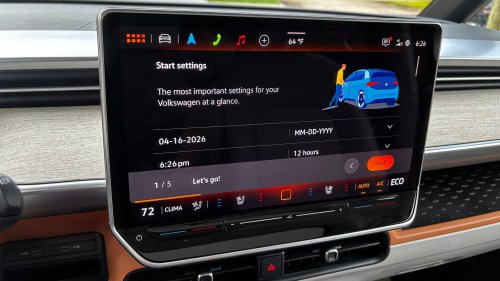
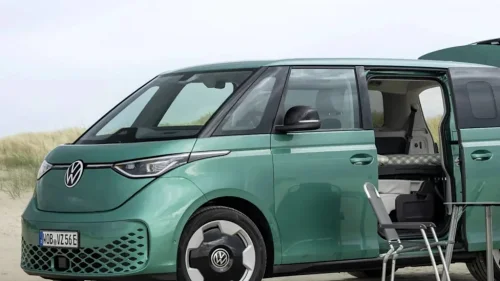
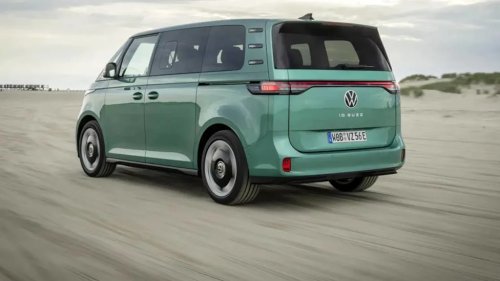
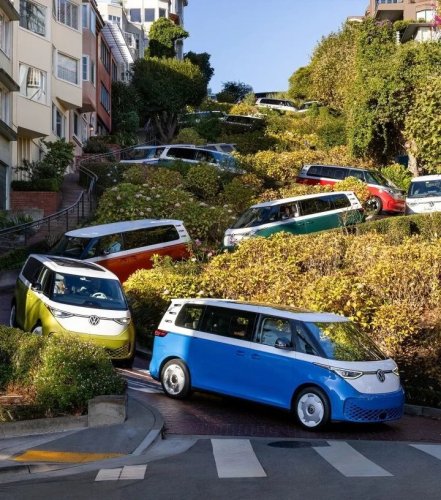
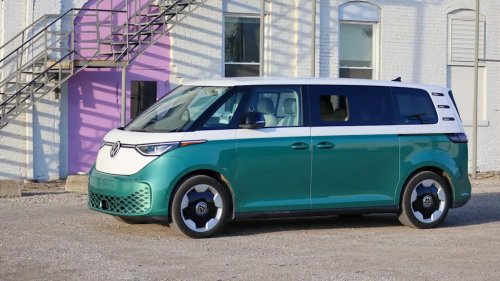
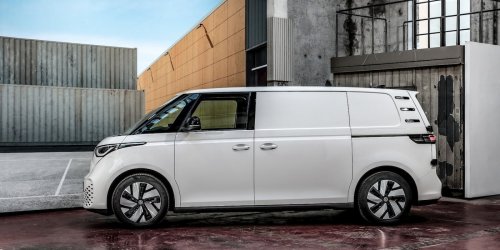
Volkswagen has been teasing a modern Microbus revival for the better part of two decades. Concept after concept rolled through auto shows, tugging at the heartstrings of anyone who ever associated a VW Bus with road trips, good vibes, and a simpler time. Now the ID. Buzz is here, and the question was never whether people would want one. The question was whether it could actually deliver. After spending time with it, the answer is a resounding, surprisingly enthusiastic yes. This thing is way more fun than it has any right to be, and the amount of thought Volkswagen poured into its design is evident in every detail, from the door panels to the seats to the way strangers smile and wave at you from the next lane over. Powertrain and Engineering Deep DiveThe ID. Buzz rides on Volkswagen's MEB skateboard platform, the same architecture underpinning the ID.4 and several Audi EVs. The base configuration uses a single permanent magnet synchronous motor mounted at the rear axle, producing 282 horsepower and 413 lb-ft of torque. Step up to the 4MOTION all-wheel-drive variants, and you add a front induction motor, bringing total output to 335 horsepower and 512 lb-ft of torque. Both configurations draw from a 91-kWh lithium-ion battery pack (86 kWh usable) that supports DC fast charging, enabling a 10-to-80 percent charge in approximately 26 minutes. The rear-wheel-drive model is EPA-rated at 234 miles of range, while all-wheel-drive versions come in at 231 miles. Those numbers are adequate for daily use but represent a genuine limitation for a vehicle that evokes the spirit of long road trips. In real-world driving, cold weather, highway speeds, and a full passenger load will pull that number closer to 200 miles or less. The single-speed reduction gear transmission is standard EV fare, delivering power smoothly and instantly. Braking duties are handled by discs up front and drums at the rear, a cost-saving choice that is noticeable under hard braking. The Driving ExperienceHere is where the ID. Buzz genuinely surprised me. You look at this thing, a tall, boxy, nearly 6,000-pound electric bus, and you expect it to drive like a refrigerator on wheels. It does not. The electric powertrain is perfectly suited to this vehicle's character. Torque delivery is instant and smooth, and the Buzz pulls away from stoplights with genuine enthusiasm. Volkswagen claims a 0-60 mph time of around 7.5 seconds for the RWD model and 6.0 seconds for the AWD, with Car and Driver testing the AWD at 5.5 seconds. For a bus. That is properly quick. The steering is nicely weighted and surprisingly precise for a vehicle this size. It is not going to deliver sports-car feedback, but lane placement is easy, and the 37.4-foot turning radius makes this massive-looking van far more maneuverable in parking lots than you might expect. Push it into corners, and the low battery pack keeps body roll in check better than physics would suggest. Ride quality is firm but generally comfortable. The suspension absorbs most road imperfections competently, though rougher surfaces can introduce some choppiness and a pitching motion that reminds you of the vehicle's height and weight. But highway cruising is where the Buzz feels most at home. Exterior Design and FeaturesThis is where VW absolutely nailed it. The ID. Buzz is one of those rare modern vehicles that makes people genuinely happy just looking at it. The oversized VW logo on the front, the V-shaped two-tone hood line, the squared-off silhouette with rounded edges, all of it calls back to the original Type 2 Microbus without feeling like a cheap nostalgia play. The LED headlights connect via a light bar across the front, and a playful light animation greets you as you approach. The simulated rear vents are a nod to the original's air-cooled engine, even though the electric motor back there needs no such ventilation. It is a detail that shows VW understood the assignment. The two-tone paint options are essential to the full effect. Eight two-tone and three monochrome options are available, and the two-tones are where the design really sings. Colors like Energetic Orange over Candy White or Pomelo Yellow transform the Buzz from a vehicle into a statement. Interior Design, Tech, and ErgonomicsStep inside, and the attention to detail continues. The Easter eggs are everywhere. The door panel textures, the seat stitching patterns, the pull straps on the second-row sliding windows that reference the original Bus, all of it shows a design team that cared deeply about getting the details right. Three interior color themes are available: Moonlight (dark), Dune (coastal beige and brown), and Copper (warm brown with yellow piping). The brighter themes work best in the expansive cabin. The space inside is genuinely cavernous. Third-row legroom comes in at 42.4 inches, enough for adults to sit comfortably with their legs crossed. The second row offers either a bench seat for seven-passenger capacity or captain's chairs for six. Behind the third row sits 18.6 cubic feet of cargo space, expanding to 145.5 cubic feet with everything folded. The glass roof with electrochromic smart glass, available on higher trims, floods the cabin with natural light and turns opaque at the touch of a button. It adds enormously to the sense of openness. The 12.9-inch touchscreen runs VW's latest infotainment software with wireless Apple CarPlay and Android Auto. It is functional and responsive, though some menu structures require more taps than they should. VW's touch-capacitive controls remain a sore point, lacking the tactile feedback of physical buttons. The standard Burmester-sourced audio on Pro S Plus and above is excellent. Front seats come standard with heating, ventilation, and massage across all trims, which is a generous inclusion. Pricing, Fuel Economy, and PracticalityThe ID. Buzz Pro S starts at $59,995 before the $1,550 destination charge. The Pro S Plus runs $63,495 for RWD and $67,995 with 4MOTION AWD. The limited 1st Edition starts at $65,495 RWD and $69,995 AWD. These are premium prices, well above the top trims of traditional minivans like the Toyota Sienna or Honda Odyssey, and the Buzz is not eligible for the $7,500 federal EV tax credit because it is assembled in Germany. Efficiency is rated at 83 MPGe combined for the RWD model and 75 MPGe highway. The Kia EV9 is the closest electric competitor, offering more range at a similar price, while the Chrysler Pacifica Hybrid provides plug-in capability with the security of a gas engine. VW covers the Buzz with a 4-year/50,000-mile bumper-to-bumper warranty and an 8-year/100,000-mile battery warranty.Final ThoughtsThe 2025 Volkswagen ID. Buzz is not a perfect vehicle. The range is a limitation that will give road-trippers pause. The price is steep for a people mover. And VW's infotainment controls still need work. But perfection was never what the original Bus was about, either. That vehicle succeeded because it had soul, because it made people feel something, and because it turned mundane transportation into something joyful. The ID. Buzz does exactly the same thing, just with 282 horsepower and zero emissions instead of 30 horsepower and a cloud of exhaust.*All photos by Gabiwabi




















 +74 others





![Volkswagen's best-seller goes EV to replace the ID.4 [Images]](https://cdn.topcarnews.net/thumb/id/aHR0cHM6Ly9pMC53cC5jb20vZWxlY3Ry-ZWsuY28vd3AtY29udGVudC91cGxvYWRz-L3NpdGVzLzMvMjAyNi8xMC9Wb2xrc3dh-Z2VuLUlELVRpZ3Vhbi1JRC00LWltYWdl-cy5qcGVnP3c9MTUwMCZhbXA7cXVhbGl0-eT04MiZhbXA7c3RyaXA9YWxsJmFtcDtz-c2w9MQ/0ccd3b3b36acc251cd0f5ee652e9aa5a.jpeg?t=20261010&post_id=69282)