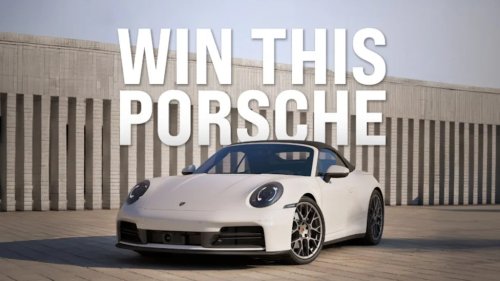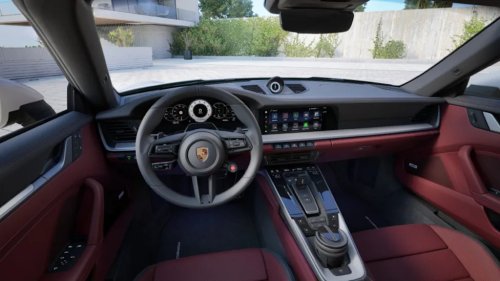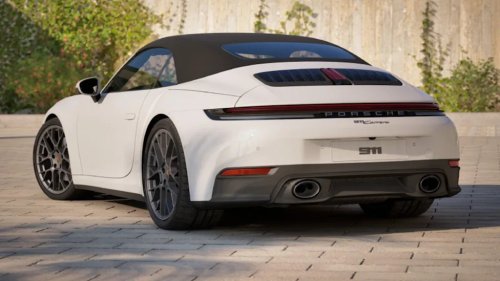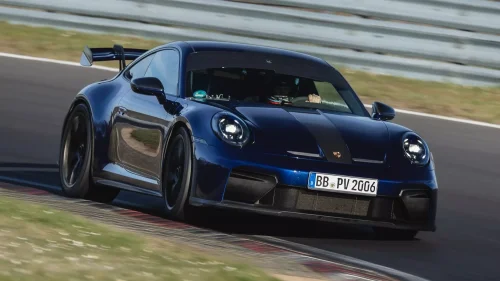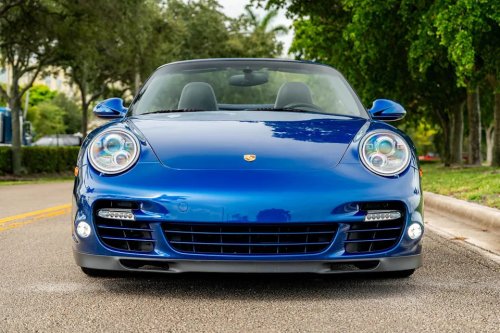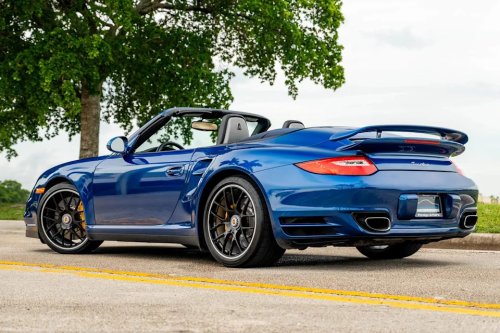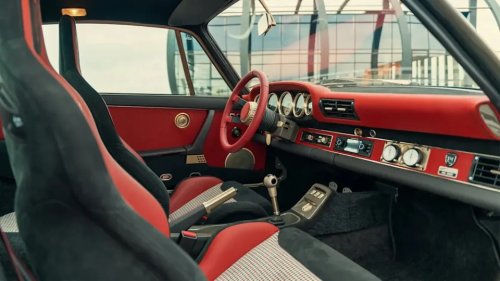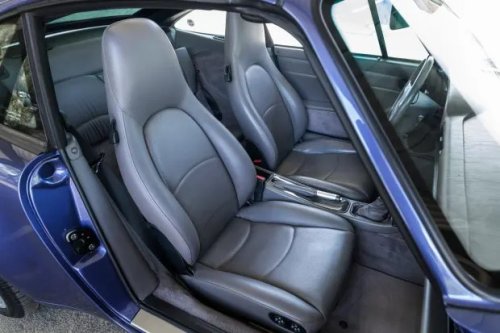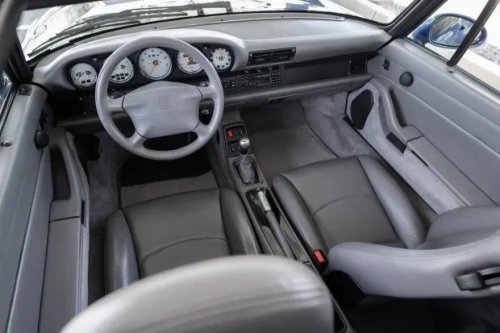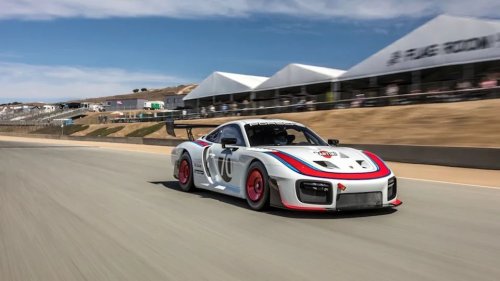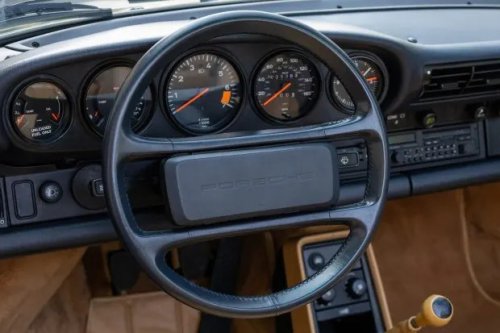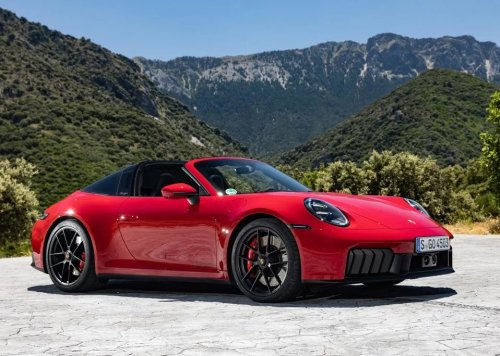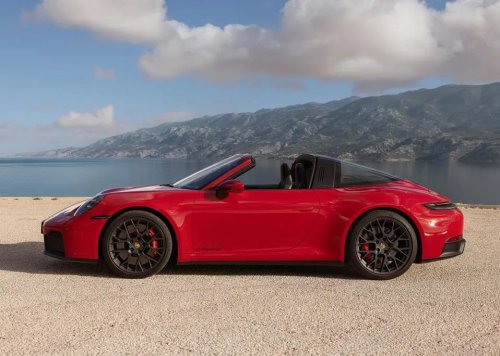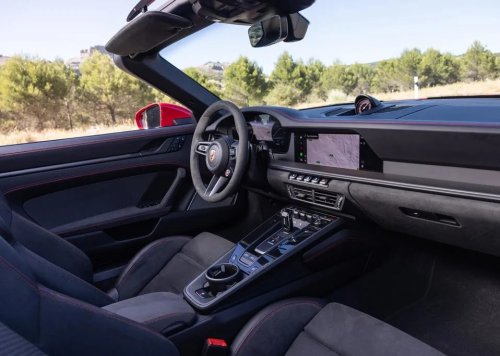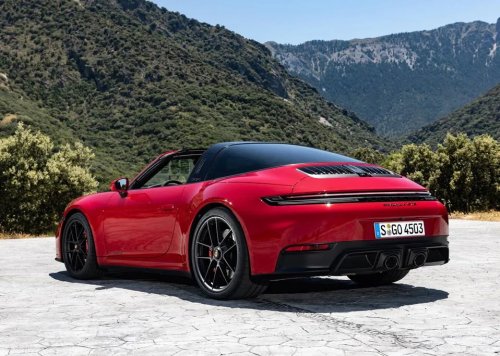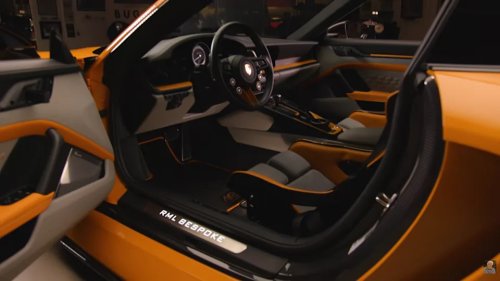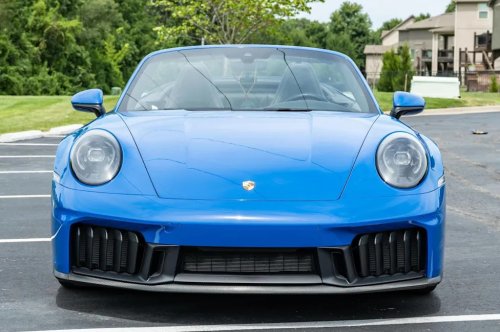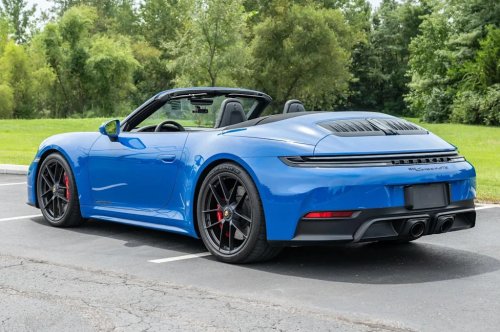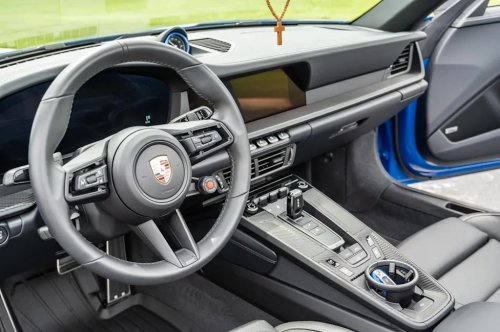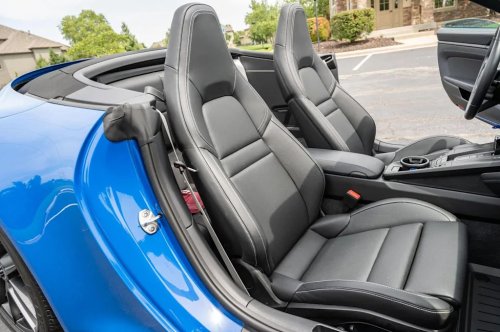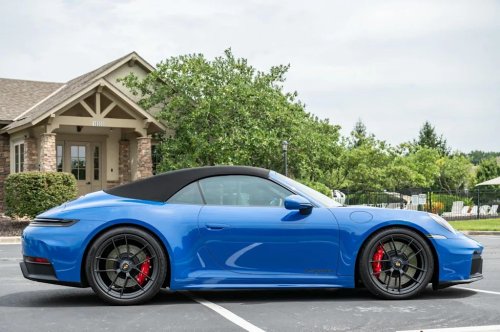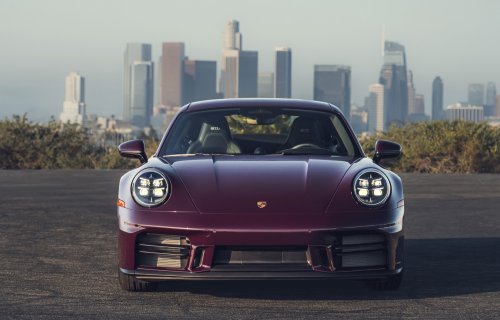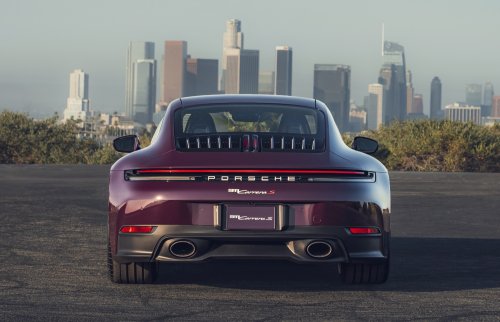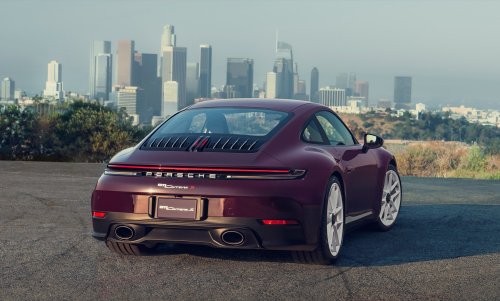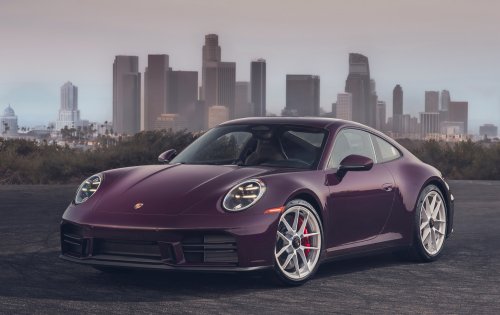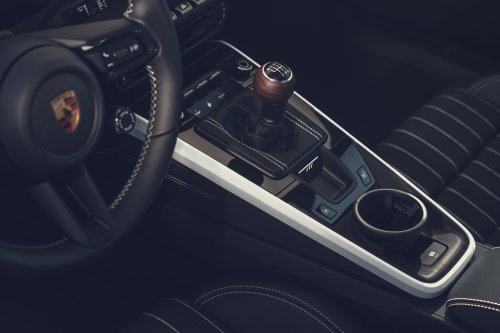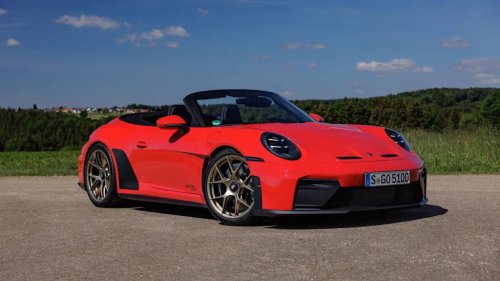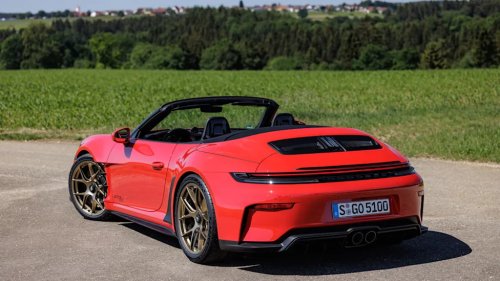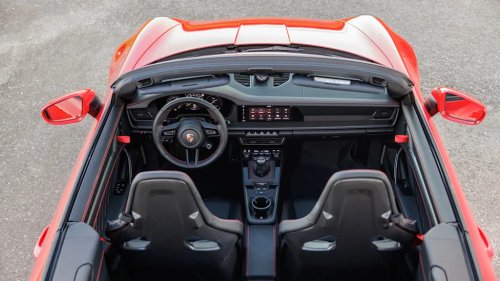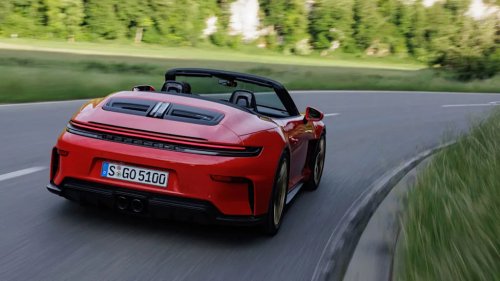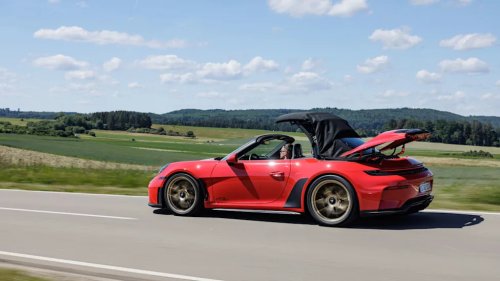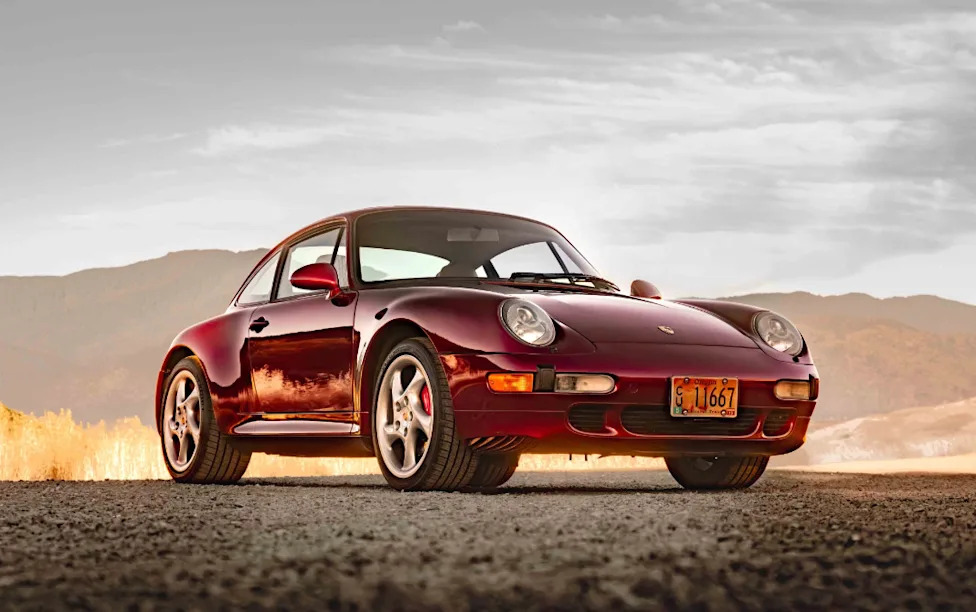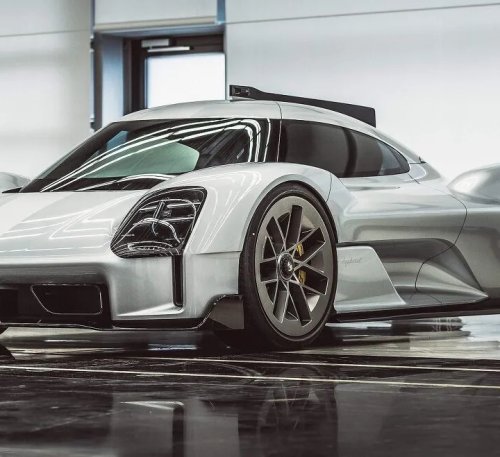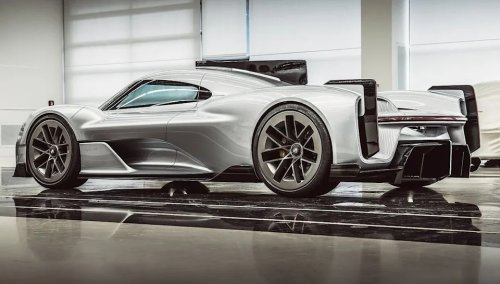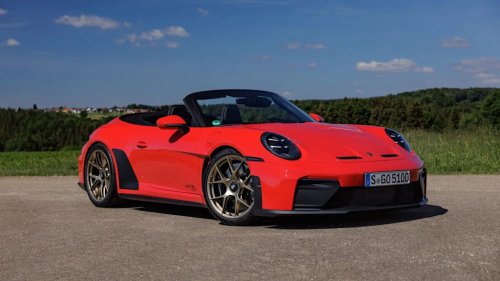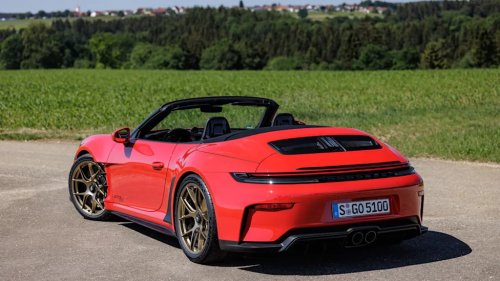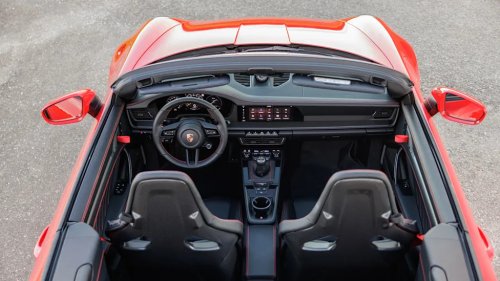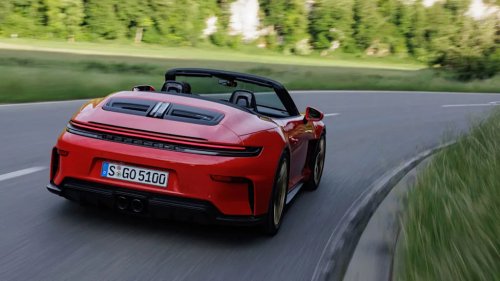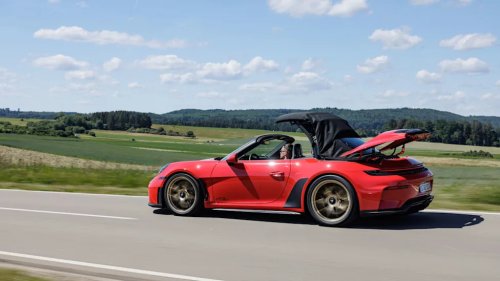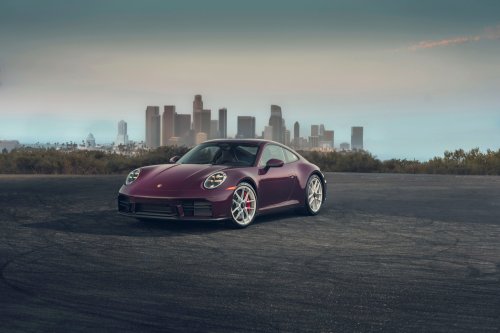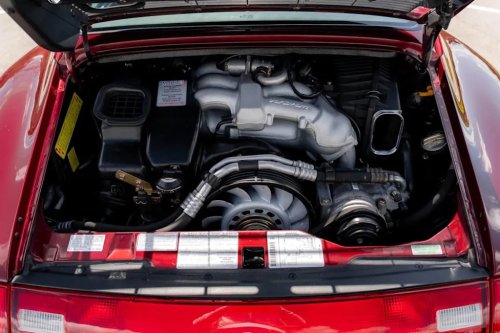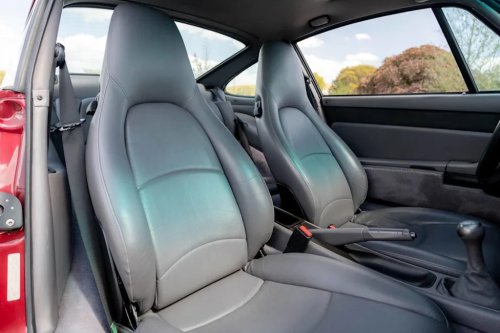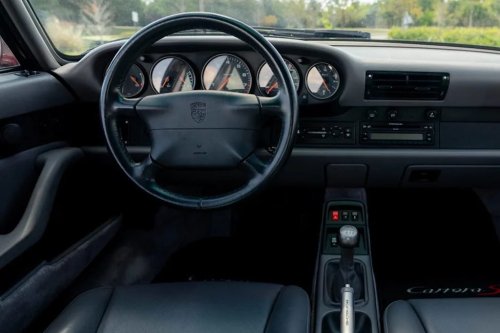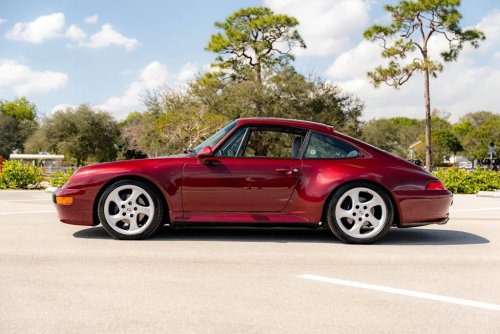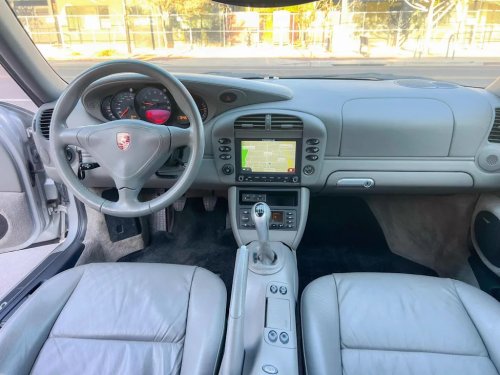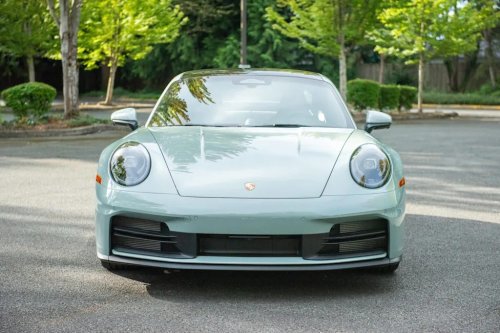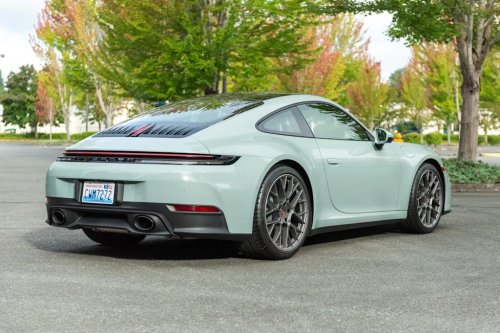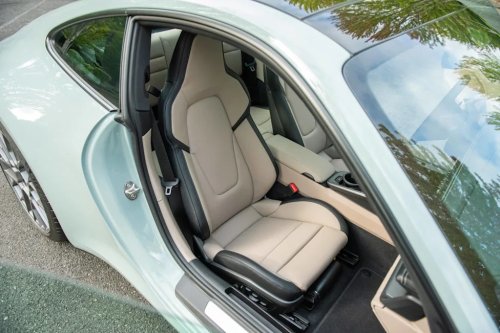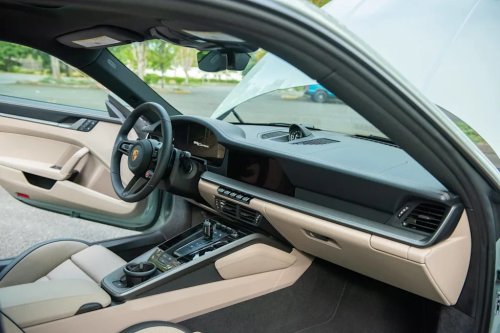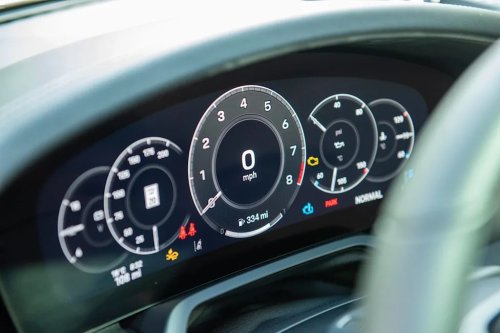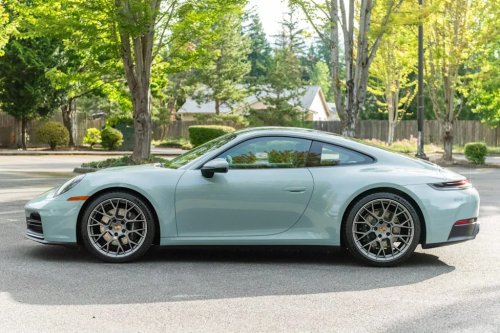
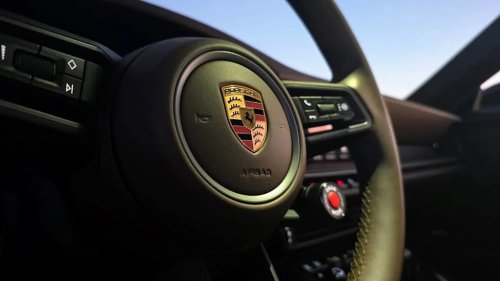
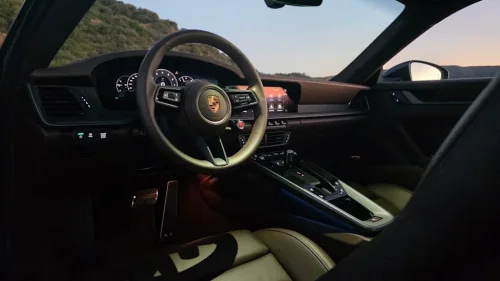
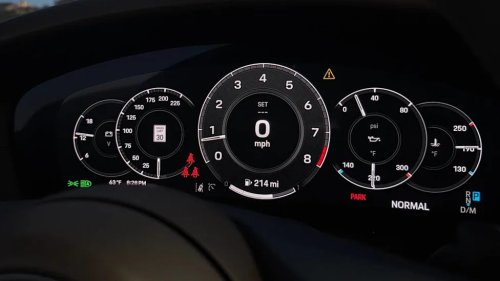


















Autoblog and Yahoo may earn commission from links in this article.There's a moment, early in a drive, where the 911 Carrera 4S quietly proves it hasn't sold anything out. You're mid-corner in second gear, the flat-six is pulling cleanly toward its redline, and the front axle is doing exactly nothing you don't want it to do. The rear-biased Porsche Traction Management system is sending the overwhelming majority of its 473 hp to the back wheels, and the car is rotating with the same precision, the same mechanical transparency, the same willingness to follow your steering inputs that makes the rear-drive Carrera such an extraordinary machine. The front axle is there. It's ready. But it stays out of the conversation until the conversation requires it, and the result is a 911 that drives like a proper 911 in the dry and becomes something even more capable when the roads get wet, cold, or covered in the kind of surface that sends rear-drive cars home early.Kyle EdwardThe Carrera 4S Finds Its Place AgainThe Carrera 4S slots between the rear-drive Carrera S at $156,200 and the hybrid GTS at $181,000, while the Carrera 4S sits at $164,500. It's available as a coupe, cabriolet, and Targa.AdvertisementAdvertisementThe 4S shares the Carrera S's 473-hp twin-turbo flat-six and eight-speed PDK, adding Porsche Traction Management AWD and the wider rear bodywork previously exclusive to the GTS and Turbo. That wider body accommodates a broader rear track, improving mechanical grip and giving the 4S a planted, muscular stance. Porsche Torque Vectoring Plus and active rear-axle steering are standard equipment.Kyle EdwardThe Carrera 4S has always been the all-season 911: the version for buyers in northern climates, for drivers who want year-round usability without stepping up to the GTS's hybrid complexity or the Turbo's price premium. In the 992.2 generation, where the GTS now wears a T-Hybrid system, the 4S occupies an even more distinct position. It's the most powerful purely combustion, all-wheel-drive 911 in the lineup. No electrification. No hybrid complexity. Just a flat-six, four driven wheels, and the same engineering philosophy that's defined the 911 for sixty years.473 Horsepower and a Wider StanceThe 3.0-liter twin-turbo flat-six in the 4S is identical to the unit in the rear-drive Carrera S: 473 hp and 390 lb-ft of torque, with peak power arriving at 6,500 rpm and maximum torque available from 2,300 to 5,000 rpm. Porsche achieved this output through larger turbochargers, revised intercooling, and updated engine management software compared to the base Carrera's 388-hp tune.The Porsche Traction Management system distributes power between the front and rear axles through an electronically controlled multi-plate clutch. In normal driving conditions, the system sends the vast majority of torque to the rear wheels, only engaging the front axle when the car's sensors detect a traction deficit or the driver requests more aggressive intervention through the drive mode selector. This rear-biased calibration is critical to the 4S's character: it allows the car to feel like a rear-drive 911 in most situations while providing a safety net and additional traction when conditions demand it.Kyle EdwardPorsche's eight-speed PDK is unchanged from the S, executing shifts with the same instantaneous precision. The chassis sits on the wider rear bodywork, measuring 72.91 inches across the rear, the same width as the previous-generation GTS. PASM adaptive dampers with revised hydraulic internals, active rear-axle steering with variable deflection, and Porsche Torque Vectoring Plus with an electronically controlled rear differential complete the mechanical package.AdvertisementAdvertisementWith Sport Chrono, the 4S claims a 3.3-second sprint to 60 mph and a 191-mph top speed, identical to the rear-drive S despite the slight weight penalty of the AWD system. Porsche's engineering team has essentially neutralized the mass disadvantage through improved traction off the line.Drives Like a Carres S, But with AWDIn the dry, on a good piece of road, the car's behavior is so rear-biased that the AWD system is essentially invisible. Turn-in is immediate. The flat-six pulls with the same building intensity from the mid-range to redline. The steering is, once again, the benchmark for the entire industry: communicative, precise, perfectly weighted, loaded with the kind of feedback that tells you exactly what the front tires are doing without ever feeling nervous or artificially heavy.Kyle EdwardThe 473 hp represents a meaningful step up from the base Carrera's 388. Where the base car invites you to explore the full rev range because its power is approachable, the 4S delivers a mid-range punch that's noticeably more urgent. The additional 85 hp and 59 lb-ft are most apparent between 3,000 and 6,000 rpm, where the larger turbochargers produce a richer, more insistent wave of torque that makes the car feel genuinely fast rather than just quick. This is a car that covers ground with serious velocity, and the AWD system's ability to deploy that power without wheelspin in less-than-perfect conditions means you can use more of it, more of the time.In wet conditions, the 4S's advantage becomes explicit. Where a rear-drive 911 requires caution and respect when applying power on slippery surfaces, the 4S simply hooks up and goes. The front axle engages smoothly, progressively, and without drama. There's no torque steer, no sensation of the car pulling itself forward by the nose. It simply finds grip where the RWD car wouldn't, and does so without interrupting the driving experience.Wider Track, Same Telepathic SteeringThe wider rear track pays dividends through fast corners. The 4S feels more planted, more stable at high lateral loads than the standard-width Carrera. Body control through transitions is excellent, and the car changes direction with a confidence that belies its additional weight. The active rear-axle steering tightens the turning circle at low speeds (genuinely useful in parking lots) and adds high-speed stability during lane changes and sweeping bends.Kyle EdwardWhat separates the 4S from its competitors is the consistency of the experience. The car doesn't suddenly feel different when the AWD system engages. There's no discernible moment where the front axle joins the party; the system modulates torque distribution so smoothly that the driver simply feels more grip arriving. That seamlessness is the product of decades of refinement, and it's what makes the Porsche system fundamentally different from the AWD systems in BMW, Mercedes, or Audi cars.AdvertisementAdvertisementBrake feel is excellent, progressive and easy to modulate, with strong initial bite and no fade during repeated hard stops. The PASM dampers offer a wide range between Comfort and Sport settings, making the 4S a genuine grand tourer in one mode and a focused sports car in the other.Green Paint and a Very Deep ConfiguratorThe interior is the same cabin as the base Carrera reviewed previously: the digital instrument cluster with its prominent central tachometer, the 10.9-inch PCM touchscreen, the low driving position, and the clean horizontal dashboard architecture. The color and material options, however, are where the 4S tested here distinguishes itself. A deep, rich shade of green on the exterior, paired with complementary interior trim, showcases the depth of Porsche's personalization program.Kyle EdwardPorsche's Exclusive Manufaktur options allow buyers to customize nearly every surface, color, and material in the car, from paint-to-sample exterior hues to hand-stitched interior elements. The 911 configurator is one of the most extensive in the industry, and for a car at this price point, the ability to make each example unique is a meaningful part of the ownership proposition. No two 911s need to look alike, and the best-specified examples feel like bespoke objects rather than production vehicles.The CompetitionThe 4S's natural competition is, once again, internal. The Carrera S starts at $156,200 and is lighter and slightly purer in its rear-drive handling, making it the better choice for drivers in dry, temperate climates who want the most transparent connection between their inputs and the car's response. The Carrera GTS adds the T-Hybrid system with 532 hp and represents the performance summit of the non-Turbo lineup, but it introduces hybrid complexity that the 4S avoids.Kyle EdwardOutside of Porsche, the Aston Martin Vantage starts at roughly $158,000 and offers a twin-turbo V8, stunning design, and a more theatrical driving experience. The BMW M4 Competition undercuts the field by over $80k, offering AWD and strong performance, though it can't match the 911's chassis precision or its depth of engineering refinement. Nothing else combines the 4S's all-weather capability, steering quality, and emotional connection in a single package.The VerdictThe Carrera 4S is the 911 without conditions. It delivers the same steering, the same chassis balance, and the same flat-six character as the rear-drive Carrera, with the added confidence of an AWD system that stays invisible until the moment you need it. It doesn't feel heavier, doesn't feel blunted, and doesn't feel like a compromise in any direction. The wider rear track adds stability. The extra power adds urgency. The all-wheel drive adds year-round usability, making it the 911 for buyers who refuse to park their car when the weather turns.AdvertisementAdvertisementThis story was originally published by Autoblog on Jul 1, 2026, where it first appeared in the Reviews section. Add Autoblog as a Preferred Source by clicking here.