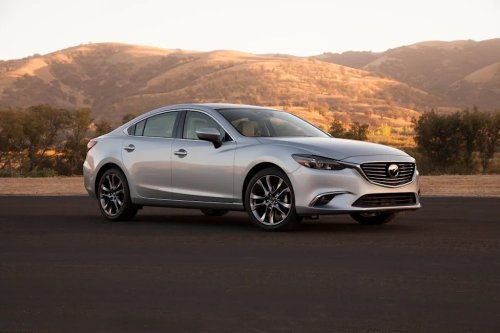
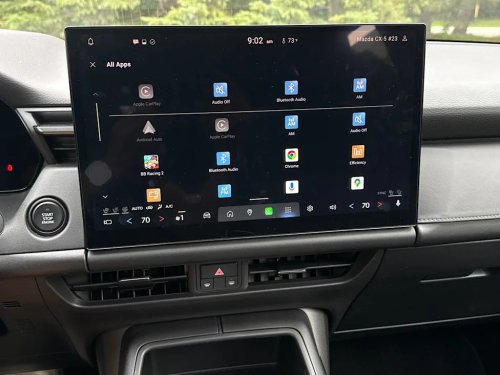
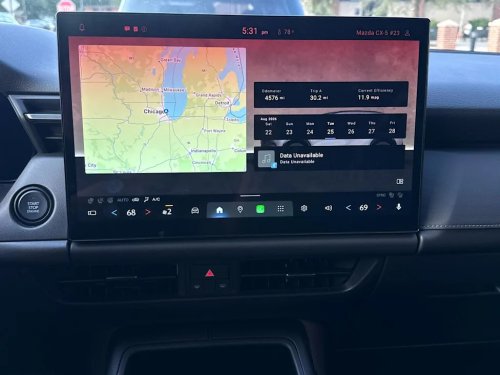
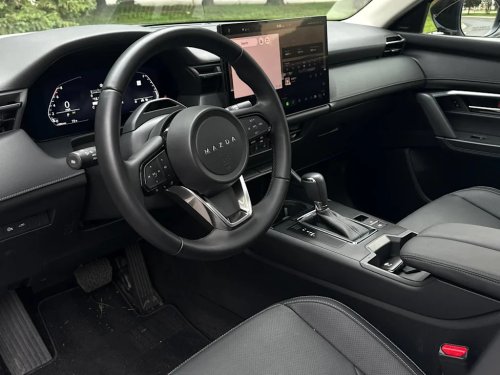
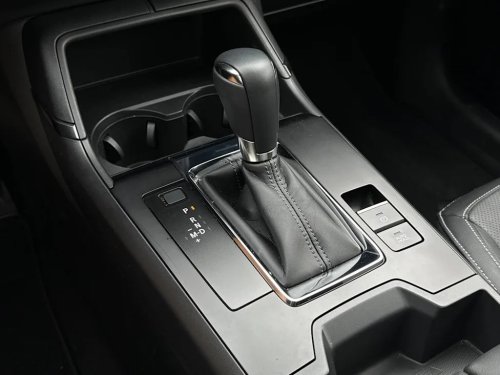
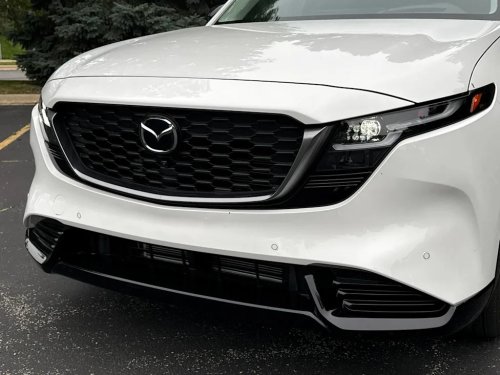
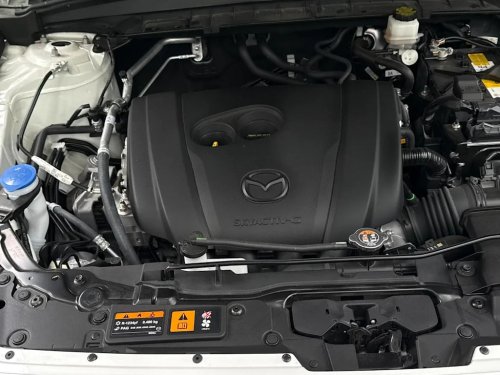
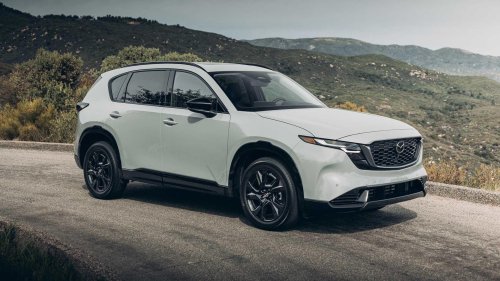
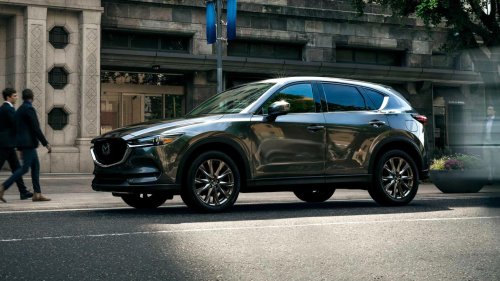
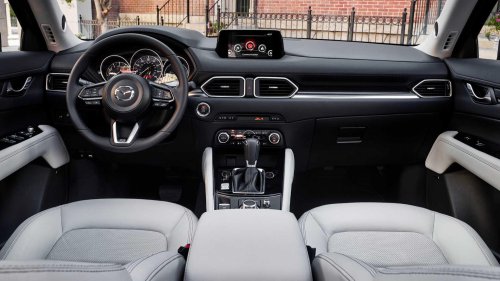
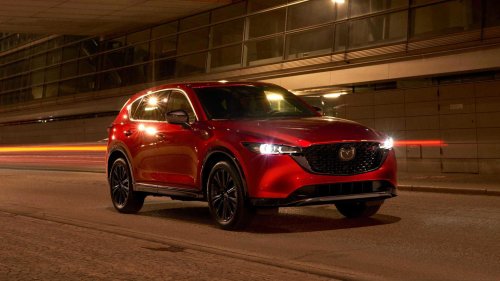
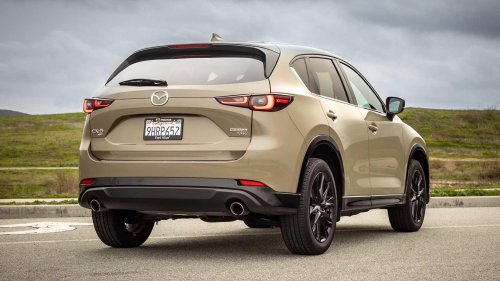
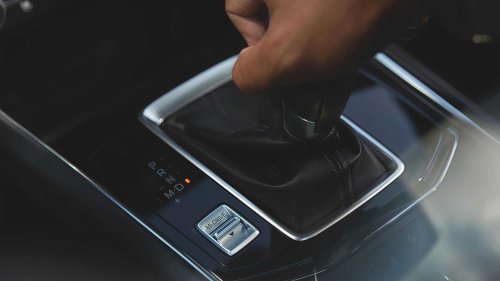
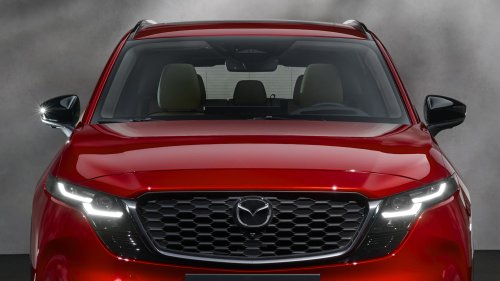
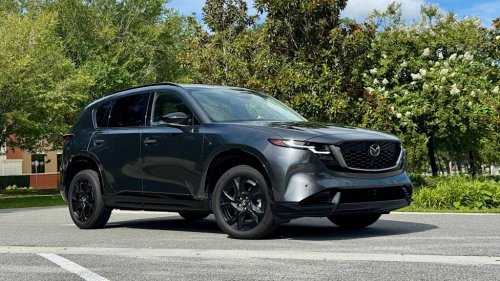
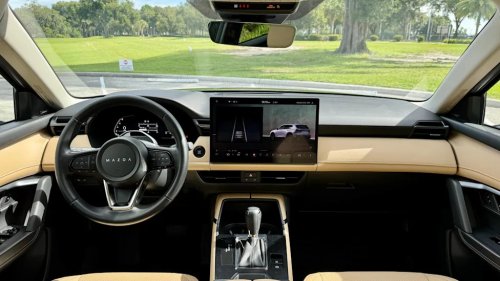
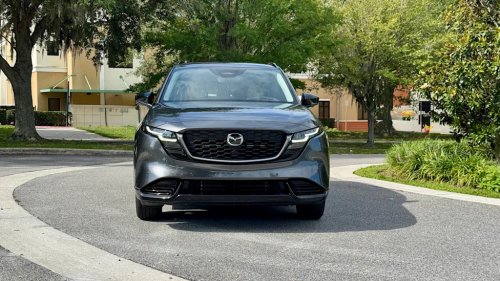
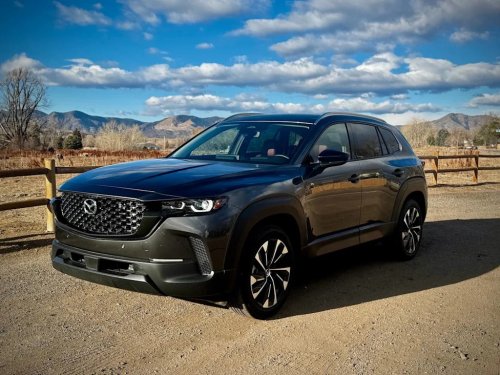
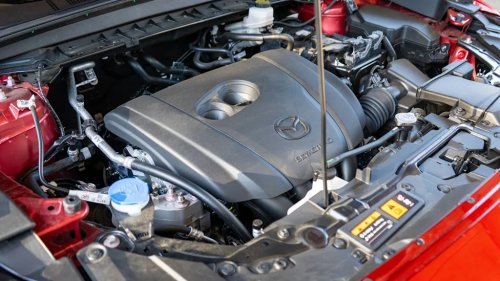
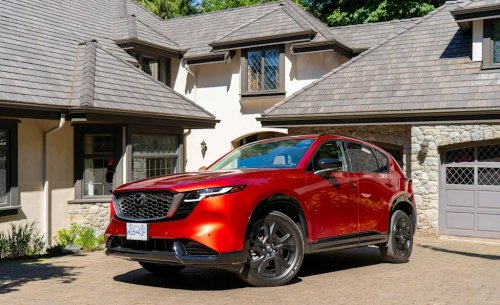
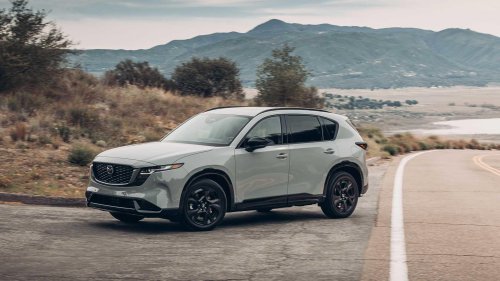
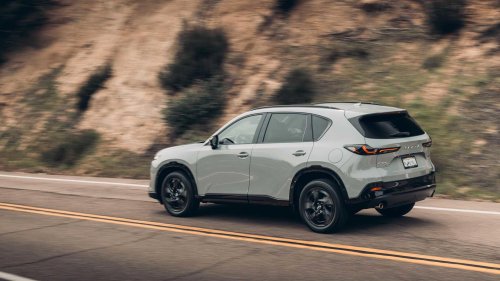
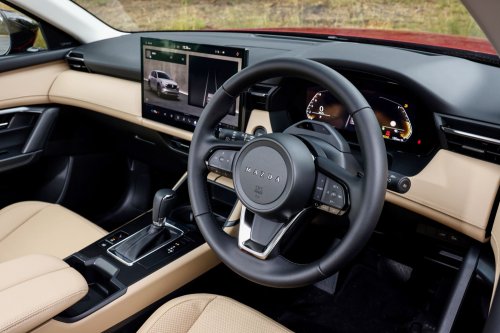
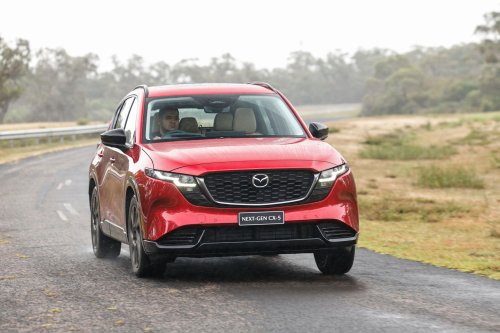
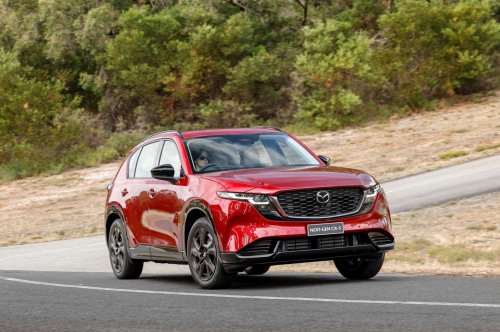
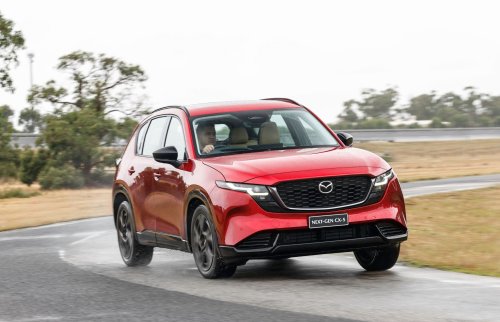
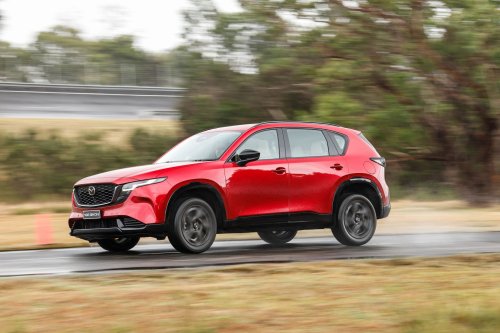
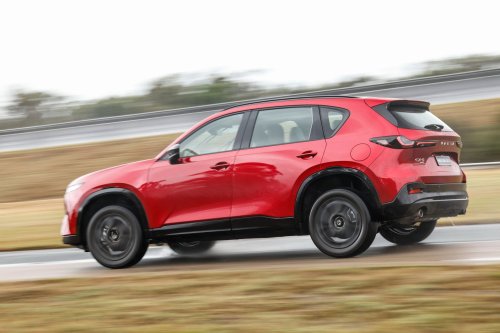
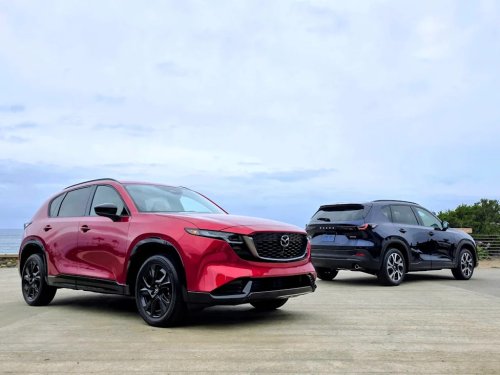
Autoblog and Yahoo may earn commission from links in this article.Break My Mazda-Lovin' HeartI have sworn by Mazdas for the past ten years. I consider myself a Mazda devotee becasue they built cars that spoke to my bank account as much as they did to my driving passions. My family has a 2016 Mazda6 and a 2022 CX-9. I have also recommended the last-generation CX-5 to a few of my neighbors. Most of the brands' recent models are tremendously satisfying cars (the MX-30 EV, CX-90 PHEV, and CX-3 are exceptions).2016 Mazda6MazdaThe Mazda6 remains one of the most satisfying mainstream sedans of its era. It looks sharp, rides with real composure, and makes ordinary commutes feel slightly less ordinary. My CX-9 occupies the other end of the family-vehicle spectrum: it is stylish, decently roomy, near-luxury inside, and unusually engaging for a three-row crossover. Both of them embody the qualities that made me a Mazda loyalist—clean design, thriling driving dynamics, intuitive interiors, and great build quality. The Miata or the CX-50 might find its way into my garage in the next couple of years. Yeah, I like 'em… a lot.AdvertisementAdvertisementThat is why the new Mazda CX-5 is so frustrating. It is not necessarily a bad compact SUV. In a vacuum, it may prove competent, attractive, and competitive. But viewed as the successor to a vehicle that was just so damned good, it's a big letdown. Here are three reasons why I hate it.The Touchscreen Controls Really Do SuckAmos KwonI will be the first one to admit that the Mazda interface needed an upgrade… but this the new CX-5 only gets a size upgrade, not a functional one. It's terrible to use. There. I said it. It's not very responsive, nor is it remotely intuitive. It is, frankly, the opposite of the classic Mazda user experience.My 2016 Mazda6 has an older infotainment system, certainly, but its physical controls are straightforward. The same is true of my 2022 CX-9. Its center-console controller, buttons, and knobs may seem old-fashioned next to the CX-5's 15.6-inch behemoth, but they are easy to use by feel. I can adjust the volume, change a setting, or navigate the interface withthe Commander knob without stretching toward the dashboard and without turning a simple task into a touchscreen game of hit or miss (or just guess where the function is!).That may be tolerable when selecting a destination before leaving the driveway. It is far less appealing when trying to change the climate settings, switch audio sources, or dismiss an alert while navigating city traffic. Mazda once stood apart by treating the cabin as a driver-focused environment rather than an extension of a smartphone. The new CX-5 seems more interested in following the industry trend toward putting every function behind glass. It's a horrible experience, and I loathed it every time I got in the car.The Cheapened Interior is a Total DowngradeAmos KwonThe new CX-5's interior (even in top Premium Plus trim) makes my ten year-old Mazda6 Touring's cabin look and feel regal by comparison. The cabin of my Mazda6 still feels clean and thoughtfully arranged, particularly for a mainstream midsize sedan from the mid-2010s. The last CX-5 was even better. Soft touch materials, great leather seats, and knurled metal controls. It was the only mainstream compact crossover that looked and felt near-premium. Now, it appears that only the new Kia Seltos will take over that role.Amos KwonAdvertisementAdvertisementThe new CX-5 feels flimsy and hard inside, like they opted for plastics that work better in an old Ford Focus. Rather than feeling like a carefully finished compact crossover that punches above its class, parts of the cabin look cheap and feel hard and hollow. The matte plastic on the center console shift knob surround made me pine for piano black, and I despise piano black. There was no surface texture, no visual style, just a slab of matte black plastic whose only merit was a lack of fingerprints.Lower-grade plastics, less substantial trim, minimal switchgear, and crappy leather upholstery have replaced the details that made Mazda cabins special, and the result is a vehicle that loses much of its emotional advantage. What have you done, Mazda?The Missing Turbo EngineAmos KwonThe turbocharged 2.5-liter four-cylinder engine has been one of Mazda's best modern powertrains. In my CX-9, it delivers the kind of low-end torque that makes a large three-row SUV feel far more responsive than its displacement suggests. It is not a high-revving sports-car engine, and it does not need to be. It provides smooth, confident thrust in the real-world situations that matter: merging onto highways, passing slower traffic, climbing hills, and carrying passengers without feeling strained.Amos KwonHow hard would it have been to carry over the same excellent turbo engine? Hell, the 2.5-liter naturally-aspirated engine in the new CX-5 is actually less efficient than last year's, so the efficiency argument doesn't exactly hold water (or gas, as the case may be).AdvertisementAdvertisementA naturally aspirated base engine may be sufficient for many buyers, and hybrid assistance could improve efficiency and around-town response. The previous CX-5 turbo gave buyers an option that fit the brand's character. It transformed the vehicle from a pleasant compact crossover into something with legitimate punch, making the driving experience feel more aligned with Mazda's enthusiast-friendly image.Final ThoughtsThe new CX-5 could've been amazing. It was Mazda's opportunity to build a legend. No joke. The last CX-5 was just that good. In its attempt to go more mainstream with a big screen and touchscreen controls, killing off an upgraded engine, and cheapening the cabin, Mazda has sullied a once brilliant combination of the best elements that made Mazda famous. I hope Mazda fixes what's broken the next time around because I just can't recommend the new CX-5, especially to anyone who has owned one before.This story was originally published by Autoblog on Aug 31, 2026, where it first appeared in the Features section. Add Autoblog as a Preferred Source by clicking here.