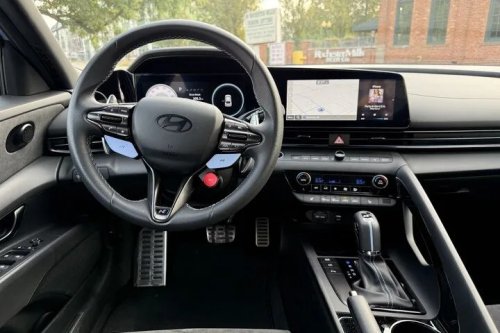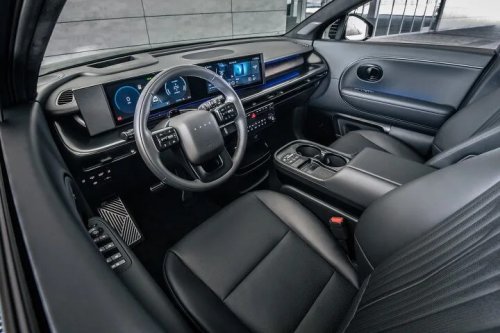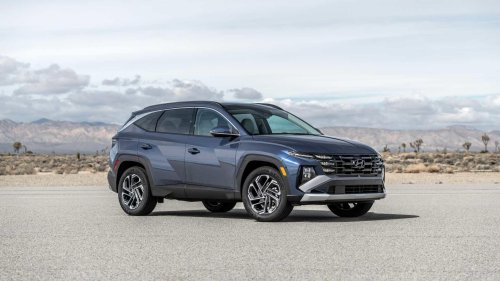



















Hyundai targets 80% U.S.-built vehicles as part of $26B investment pushHyundai is making one of the most aggressive bets on American manufacturing by any foreign automaker, committing $26 billion in new U.S. investments and aiming for roughly 80% of the vehicles it sells in the country to be built on American soil. The plan stretches from new assembly lines to steel and robotics and is designed to lock Hyundai into the center of the electric and hybrid transition in the United States. For a company that once leaned heavily on imports, the shift marks a decisive attempt to become a domestic manufacturing heavyweight. The strategy is about more than volume. Hyundai wants to align its production footprint with U.S. industrial policy, qualify more of its lineup for federal incentives, and position its brands as mainstream choices for buyers who now expect advanced technology, competitive pricing, and local jobs in the same package. What happened Hyundai Motor Group has outlined a sweeping plan to invest $26 billion in the United States over several years, covering vehicle production, battery plants, a new steel facility, and advanced robotics. Within that capital push, the company is targeting a point where about 80% of the Hyundai, Kia, and Genesis vehicles sold to U.S. customers are manufactured in American factories. According to company guidance, it aims to reach that threshold once new capacity in the Southeast and Midwest is fully online. The investment package centers on a cluster of projects that are already under construction or in advanced planning. Hyundai is expanding assembly capacity in Alabama and Georgia and pairing those projects with a dedicated battery plant to support electric and plug-in hybrid models. The automaker is also backing a new steel plant that will supply U.S. operations with specialized grades for body structures and chassis components, an effort described in internal planning documents as a way to secure key materials and reduce logistics risk. The plan further includes capital for advanced manufacturing and robotics, including factory automation systems expected to improve throughput and quality. Hyundai executives have framed the $26 billion program as a response to U.S. policy signals around electric vehicles and domestic content. The Inflation Reduction Act created a powerful incentive for automakers to localize both final assembly and battery production if they want customers to qualify for federal tax credits. By building vehicles and batteries in the United States, Hyundai aims to bring more of its models into compliance with those rules and reduce its exposure to shifting trade policies or tariffs on imported vehicles and components. The company has also linked its investment roadmap to job creation. Across the new and expanded facilities, Hyundai has cited plans for thousands of direct manufacturing jobs, along with additional positions in construction and supplier operations. State and local governments in project locations have responded with their own incentive packages, including tax abatements and infrastructure support, in exchange for long term employment commitments and production targets. One key element of the plan is a large-scale complex in Georgia that will assemble electric vehicles and produce battery packs for multiple Hyundai and Kia models. The site is designed as an integrated hub, with supplier parks, logistics centers, and testing operations clustered around the main plant. Hyundai has described this facility as a cornerstone of its U.S. electrification strategy, capable of building several hundred thousand vehicles per year once fully ramped. Beyond vehicles and batteries, the group is directing part of the $26 billion toward a U.S. robotics footprint. That includes industrial robots for its own plants and potential development of service robots for logistics and healthcare customers. The company has already signaled that some of this work will be supported by a dedicated research and development presence that collaborates with American universities and technology firms. Hyundai has said that the combined effect of these projects will be a sharp increase in U.S. production capacity across its brands. Internal projections describe a path to the 80% local-build threshold as new lines come online and more models transition from imports to American plants. The company has not provided a precise deadline for hitting that figure but has tied it to the full ramp of its Georgia complex and related battery operations. Why it matters The scale and composition of Hyundai’s U.S. investment push carry several implications for the auto industry, workers, and policy makers. The 80% domestic build target signals that Hyundai intends to compete as a de facto American manufacturer, not simply as an importer with a token assembly presence. That matters in a market where policy and consumer sentiment increasingly reward companies that create local jobs and supply chains. For U.S. workers, the projects promise a sizable wave of new manufacturing roles. Hyundai has linked its factory and steel investments to thousands of direct positions in assembly, stamping, battery pack production, and plant maintenance, with additional jobs expected at suppliers that cluster near the new sites. In regions that have courted auto plants as anchors for broader industrial growth, such as parts of Georgia and Alabama, the arrival of new Hyundai facilities can reshape local economies and tax bases. From a policy perspective, the company’s strategy illustrates how global automakers are reconfiguring supply chains in response to U.S. law. The Inflation Reduction Act effectively rewards companies that localize battery and vehicle production through consumer tax credits and other incentives. Hyundai’s plan to expand American capacity, including a dedicated steel plant and advanced manufacturing investments, aligns directly with those incentives and shows how industrial policy can steer capital spending. The company’s roadmap, detailed in an analysis of its U.S. expansion, highlights how the $26 billion package spans vehicle production, a robotics program, and a new steel facility that will feed its American operations, all geared toward meeting domestic content thresholds and reducing import exposure, as outlined in Hyundai’s investment plan. For competitors, Hyundai’s move raises the bar on how quickly foreign brands must localize to stay competitive on price and incentives. If Hyundai can qualify a large share of its electric models for U.S. tax credits by building them domestically, rivals that rely on imports will face a disadvantage at the dealership level. That pressure is likely to intensify as more mainstream buyers weigh tax credits alongside monthly payments and fuel savings when choosing between electric and hybrid options. The investment surge also speaks to the broader shift in what it means to be a carmaker. Hyundai is not only adding assembly lines but also building out a vertically integrated footprint that includes steel, batteries, and robotics. Owning or tightly controlling these parts of the value chain can help the company manage costs, secure supply during disruptions, and tailor materials and components to its own engineering priorities. For example, a dedicated steel plant can focus on high strength grades optimized for Hyundai’s platforms, while a local battery facility can adapt chemistries and pack designs more quickly in response to performance or cost targets. Consumers stand to feel the impact in several ways. More U.S. production typically shortens delivery times and can stabilize pricing by reducing exposure to shipping costs and currency swings. If Hyundai succeeds in qualifying more models for federal incentives, buyers could see lower effective prices on electric and plug-in hybrids compared with imported alternatives that do not meet domestic content rules. The presence of major plants in states like Georgia and Alabama can also influence local preferences, as residents see friends and family employed by Hyundai and may be more inclined to consider its brands when shopping for vehicles. The 80% target also has environmental and energy implications. By localizing production of electric vehicles and their batteries, Hyundai reduces the emissions associated with shipping heavy vehicles and packs across oceans. At the same time, the company’s decision to invest in American battery manufacturing ties it more closely to U.S. energy and mining policy, including debates over sourcing critical minerals and building out charging infrastructure. The success of Hyundai’s electric strategy in the United States will depend not only on its factories but also on how quickly the surrounding ecosystem of chargers, grid capacity, and renewable energy grows. There are risks. Large capital commitments to specific technologies and regions can become liabilities if consumer preferences shift or if policy changes alter the economics of electric vehicles. If U.S. tax credits are scaled back or restructured, companies that built their business cases around current incentives could face pressure on margins or demand. Hyundai also has to manage execution risk, from construction delays and cost overruns to labor market tightness that could make it harder to hire and retain skilled workers at new plants. Geopolitically, Hyundai’s deeper U.S. integration may help insulate it from trade tensions that affect imports from other regions. It also means the company must navigate American regulatory and political dynamics more directly, including potential changes in emissions rules, safety standards, and labor regulations. The decision to embed a robotics and R&D footprint in the United States adds another layer of exposure to debates over technology transfer, data security, and industrial competition. What to watch next Several milestones will determine whether Hyundai’s $26 billion bet delivers the intended results. The most immediate is the timeline for completing and ramping its new U.S. plants. Construction progress in Georgia and other sites will dictate how quickly the company can shift models from imported to domestic production and move toward the 80% local-build threshold. Delays in battery plant readiness, for example, could slow the rollout of American-built electric models and limit the number of vehicles that qualify for tax credits. Another key indicator will be Hyundai’s product mix coming out of these facilities. The company has signaled that a significant share of U.S. production will be devoted to electric and plug-in hybrid models, including crossovers and SUVs that match current consumer demand. Observers will be watching which specific nameplates are assigned to American plants and whether Hyundai chooses to localize higher margin vehicles first to maximize the financial impact of incentives and lower logistics costs. Policy developments in Washington will also play a central role. Any adjustments to the Inflation Reduction Act’s domestic content rules, battery sourcing requirements, or credit amounts could alter the payoff from Hyundai’s investments. The company will need to track how regulators define qualifying components and how quickly those thresholds tighten over time. If U.S. policy shifts toward stricter rules on critical minerals or foreign entity participation in the battery supply chain, Hyundai may have to adapt its sourcing strategies to preserve eligibility for incentives. Labor dynamics represent another area to monitor. As Hyundai adds thousands of manufacturing jobs, questions about wages, working conditions, and potential unionization efforts are likely to surface. The experience of other foreign automakers in the American South shows that labor relations can shape plant stability, productivity, and public perception. How Hyundai structures compensation and engagement at its new facilities will influence both its cost base and its reputation as an employer. More from Fast Lane Only Unboxing the WWII Jeep in a Crate 15 rare Chevys collectors are quietly buying 10 underrated V8s still worth hunting down Police notice this before you even roll window down