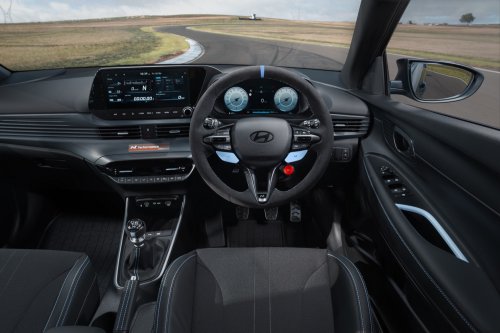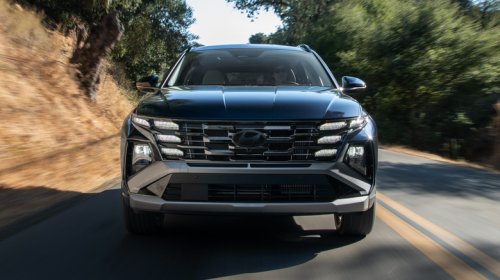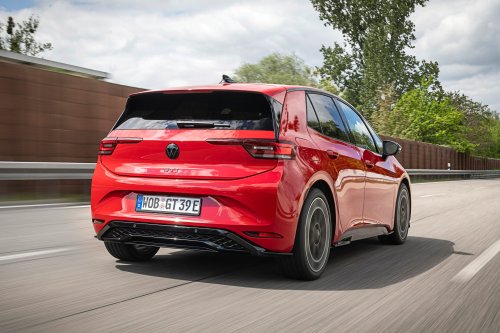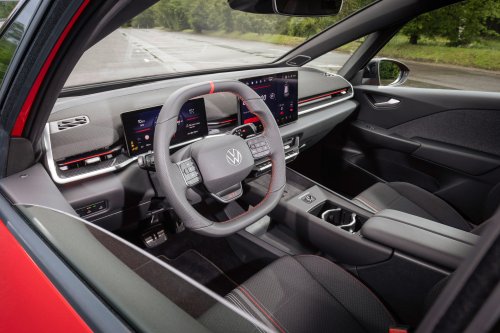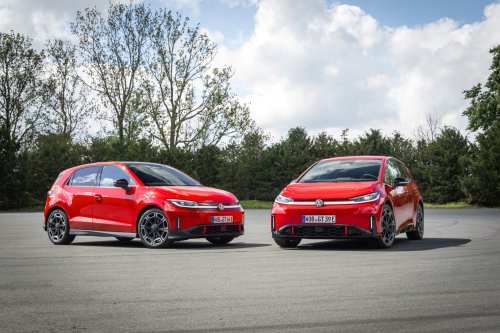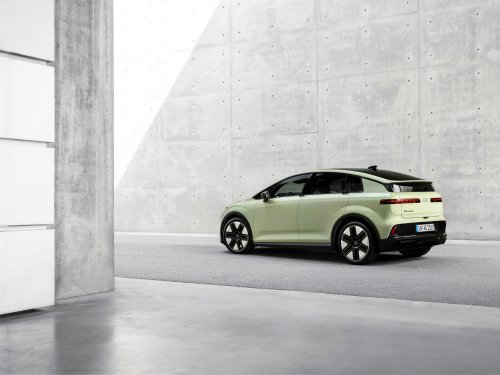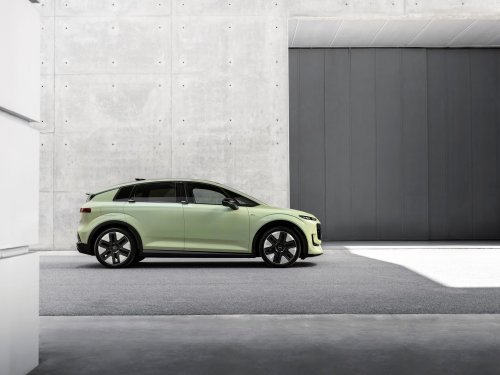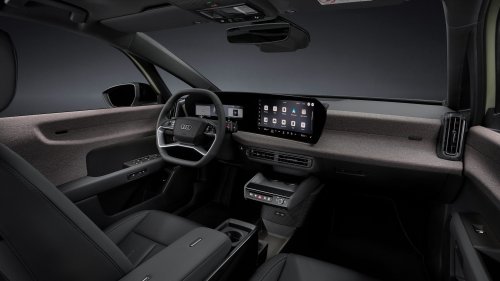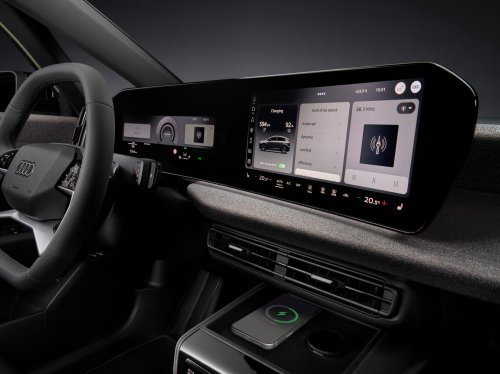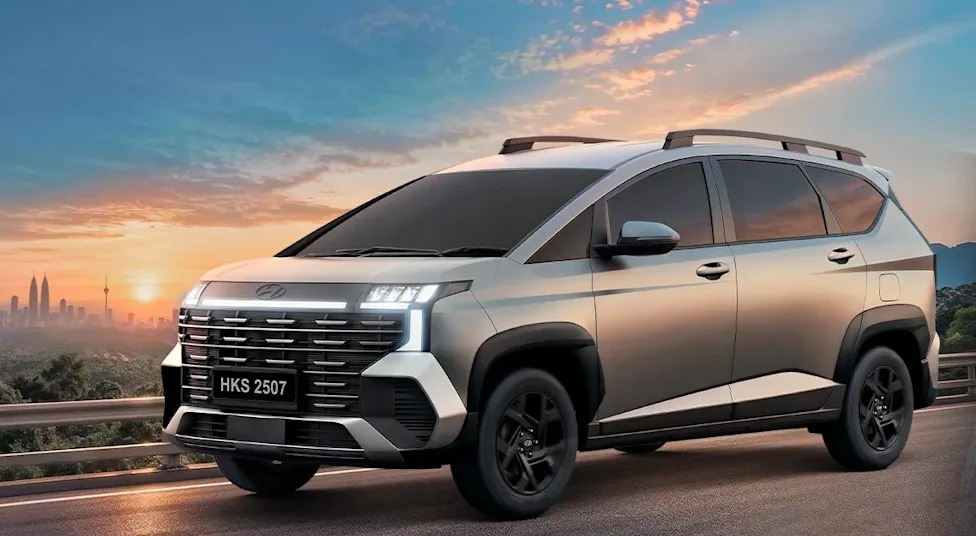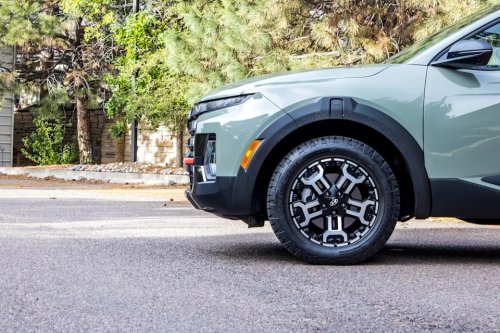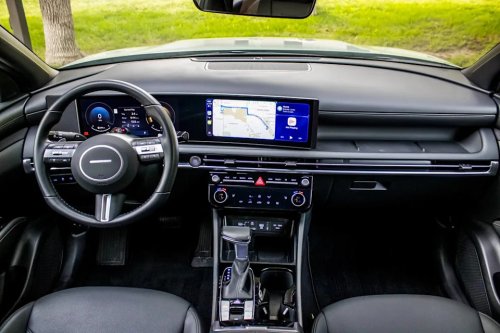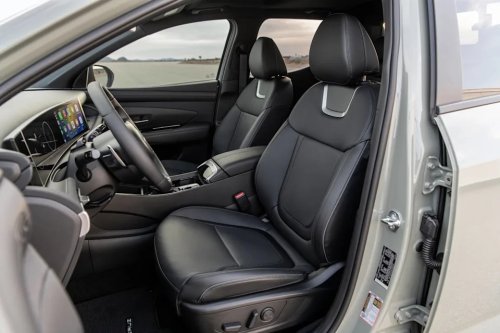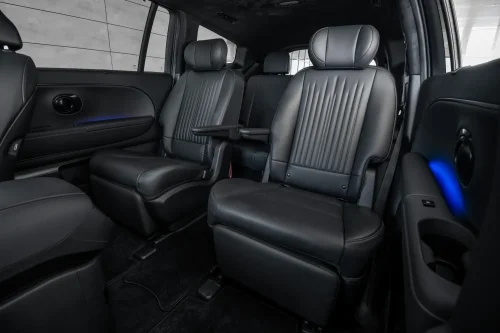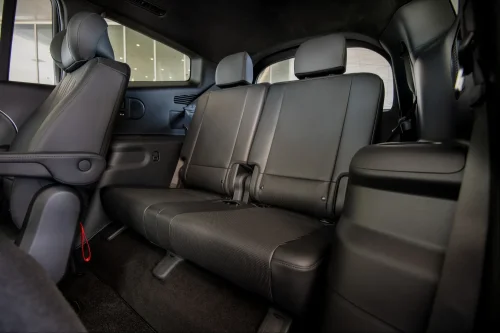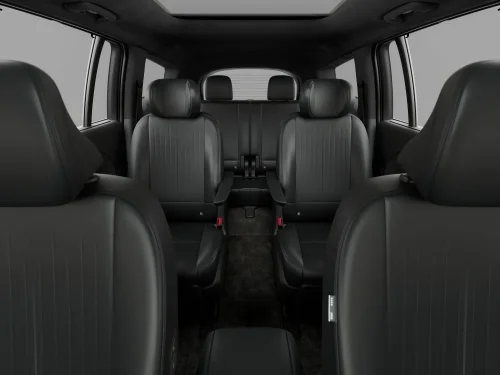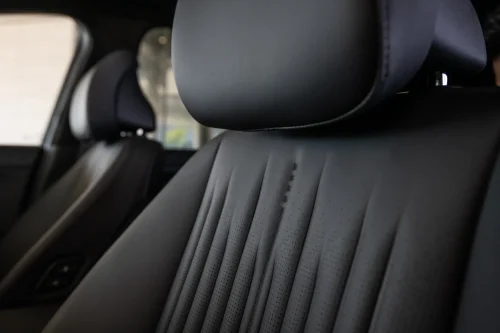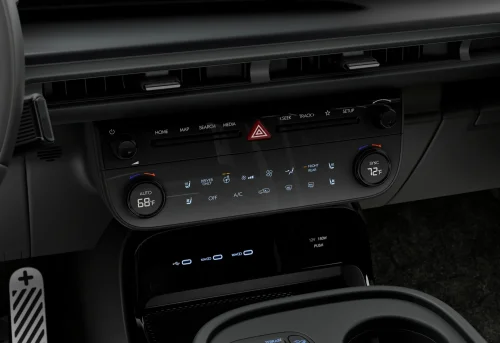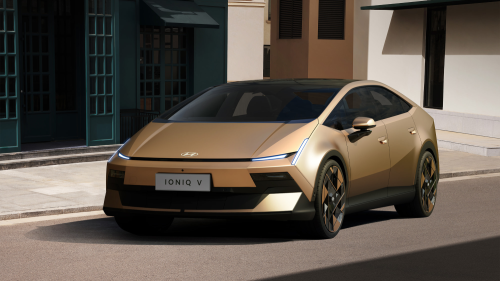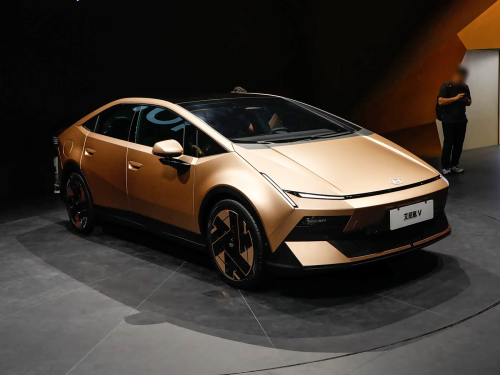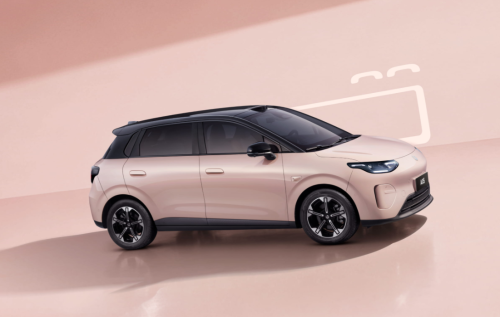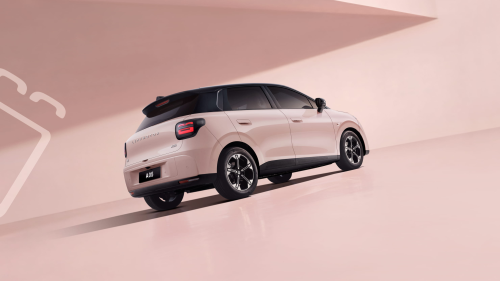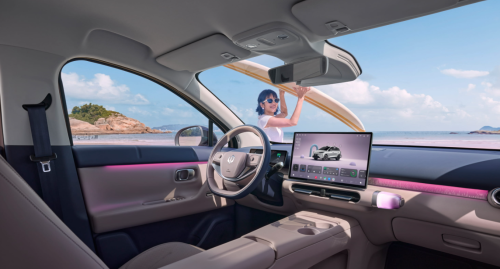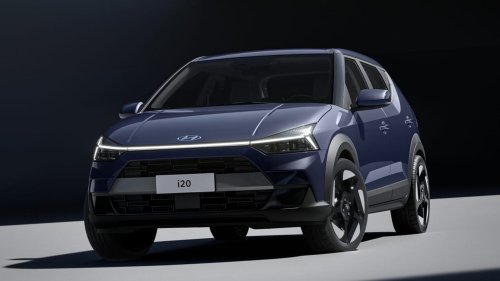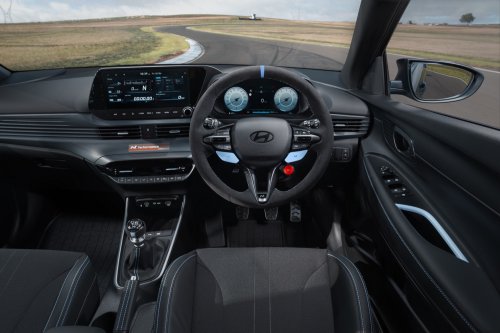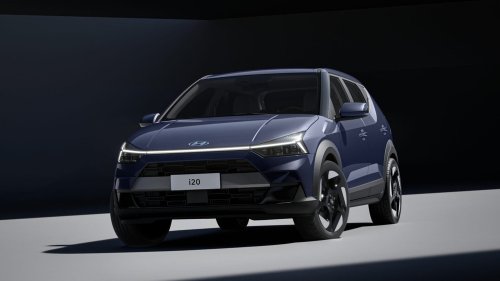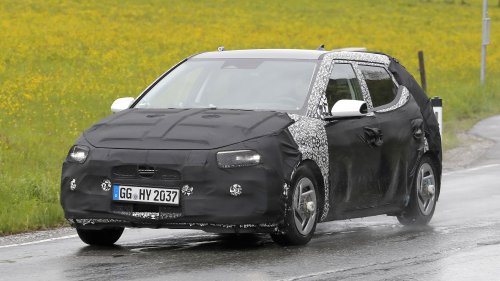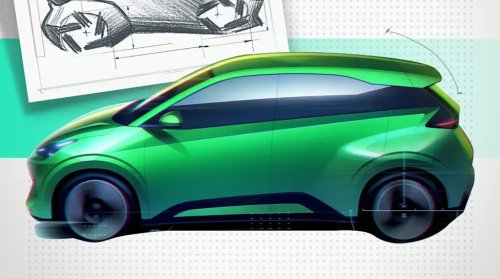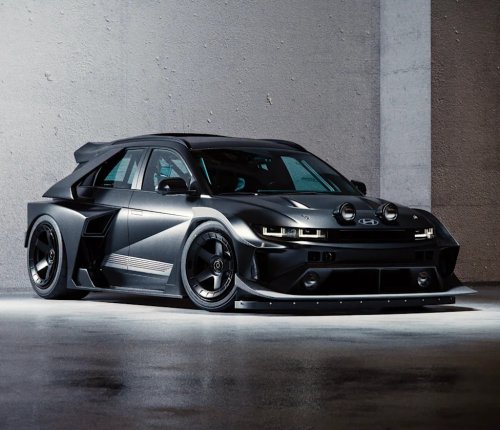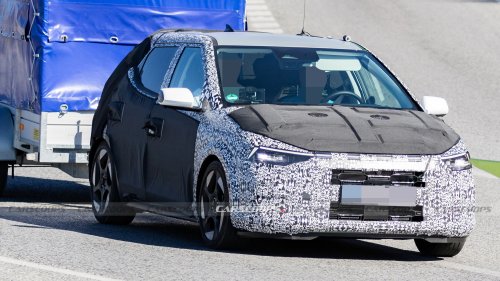
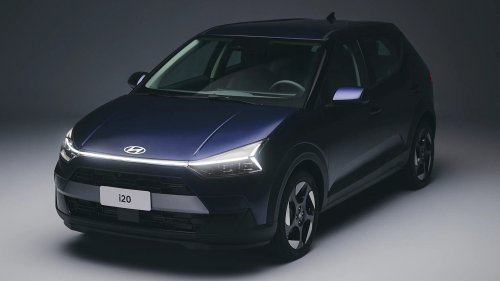
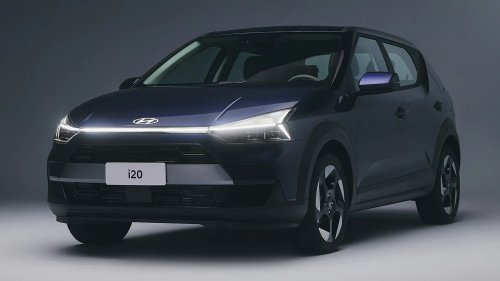
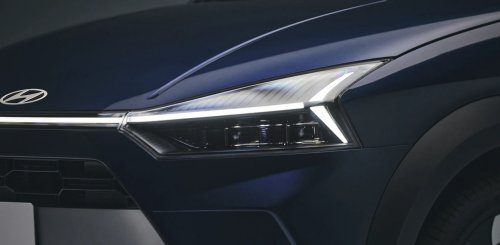
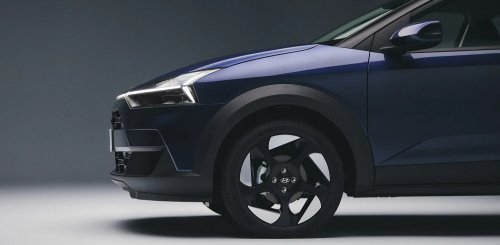
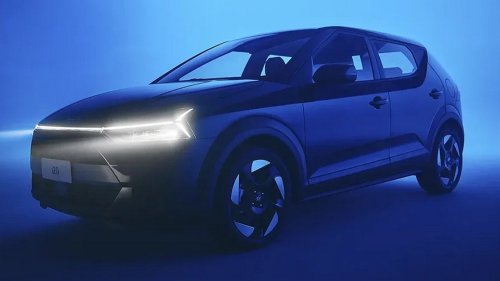
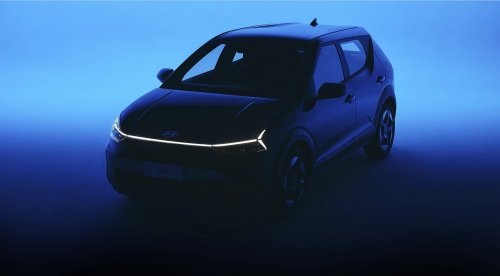

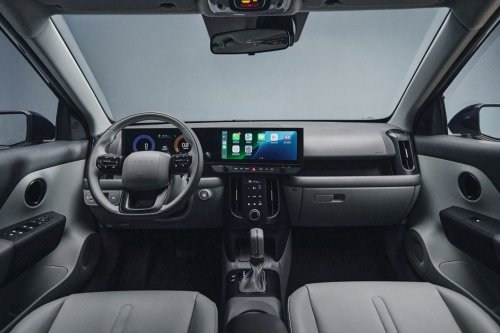
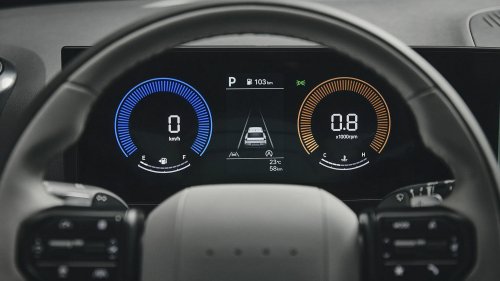
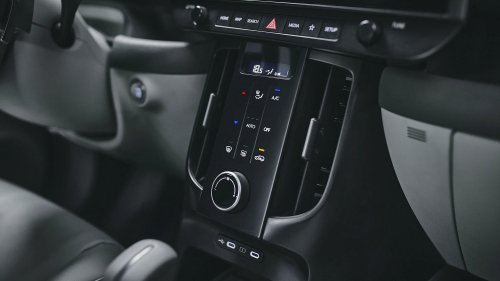
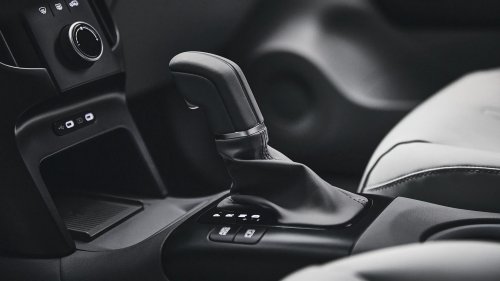
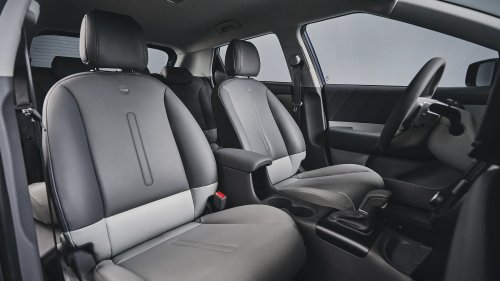
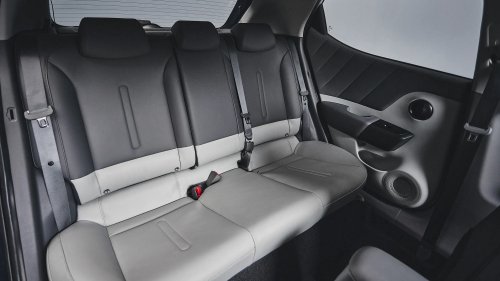



















A new generation of the Hyundai i20 has hit the Brazilian market. The subcompact hatchback gains a larger body and SUV styling cues. The company claims that the European version will be different. Hyundai has unveiled the new generation of the i20 in Brazil, giving us an idea for the upcoming global model. The subcompact hatchback has gained a crossover attitude, a new styling language and the latest tech goodies while retaining a non-electrified ICE lineup in the Brazilian market. Following the presentation of the new i20, the company clarified that the European-spec i20 will ride on the same architecture but have differences in design, powertrain lineup, interior layout, and suspension setup. Still, earlier spy shots suggest that the models will have a lot of similarities. More: Hyundai’s Ioniq 3 Looks Like Someone Crossed A Veloster With A Pontiac Aztek Styling-wise, the i20 takes a page out of the Ioniq 3’s book although with a slightly more conservative approach. The plastic cladding on the bumpers and around the wheel arches in combination with the black pillars and the straight roofline make it look like a baby SUV, bringing it closer to the Creta. Other highlights include the large grille, the full-width LED lights with Lamborghini-style DRLs up front, the sculpted profile, the rising beltline, and the 17-inch diamond-cut alloy wheels of the flagship trim. Hyundai The Brazilian-spec i20 has a wheelbase of 2,580 mm (101.6 inches), matching the outgoing European-spec third-gen model. However, the new generation is slightly longer at 4,130 mm (162.6 inches), and taller at 1,505 mm (59.3 inches). More: Hyundai’s Gas Hot Hatches Are Getting A Special Send-Off Before They Take The Manual With Them Inside, the free-standing digital cockpit comprises dual 12.3-inch displays. Hyundai designers added a bunch of physical buttons and knobs under the touchscreen and on the modern steering wheel. These are combined with a separate panel for the climate controls on the center console, right in between the climate vents. In the pictured version, which is the Ultimate trim, the seats are upholstered in bi-tone synthetic leather. Hyundai Under the hood, the Brazilian model skips electrification for tried-and-tested ICE options compatible with gasoline and ethanol. The entry-level naturally-aspirated 1.0-liter three-cylinder engine produces up to 79 hp (59 kW / 80 PS), while the more potent turbocharged version generates 113 hp (85 kW / 115 PS). Power is transmitted to the front wheels via manual or automatic transmissions. More: Hyundai’s Venue-Sized Bayon Could Get A 140-HP Hybrid America Won’t The new Hyundai i20 for Brazil will be manufactured locally at the Piracicaba plant, alongside the HB20, HB20S and Creta. However, given the similarities between the subcompact hatchbacks, the i20 could eventually replace the locally-developed second-gen HB20 that debuted in 2019 and received a facelift in 2022. Pricing in Brazil ranges between R$ 99,990 (US$ 19,800) for the cheapest manual to R$ 139,990 (US$ 27,700) for the flagship turbo automatic. Rivals include the VW Polo, Chevrolet Onix, Toyota Yaris, and Fiat Argo. What About The European Model? SH Proshots Europe currently gets the third-gen i20 that debuted in 2020 and received a mid-lifecycle update in 2023 with production taking place in Turkey. This means that a successor could arrive later this year or in 2027. Still, a company spokesperson told Dutch media Autoweek that the current model will continue to be sold in the Old Continent for the near future. More: Hyundai’s 2027 Kona Drops The Pixel Quirks For A Boxier Look The new global i20 could share the architecture and basic design features with its Brazilian counterpart, but the powertrain lineup will most likely comprise mid-hybrid units. We also expect minor exterior and interior differences, alongside a unique suspension setup tailored to the needs of European buyers. Finally, the European i20 will likely get a sporty N Line trim and a full-blown i20 N hot hatch with a more potent self-charging hybrid setup.