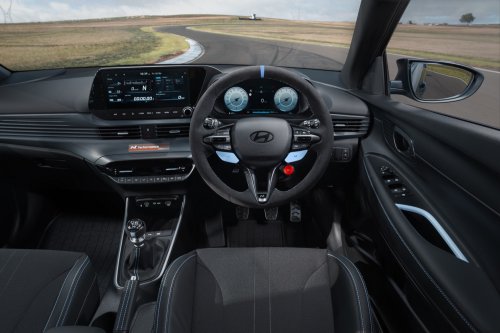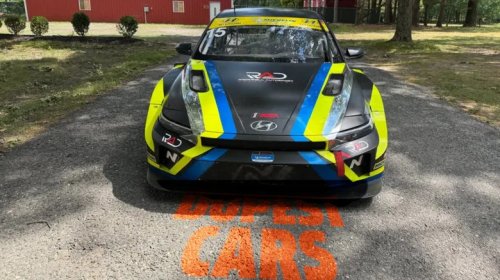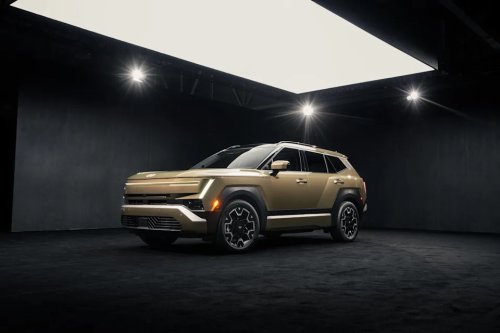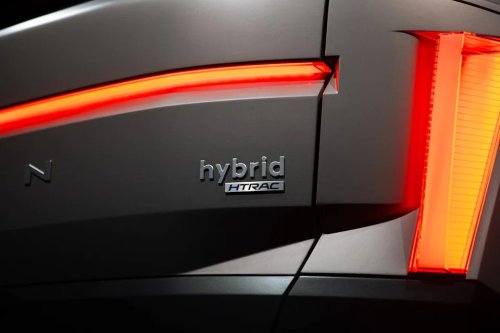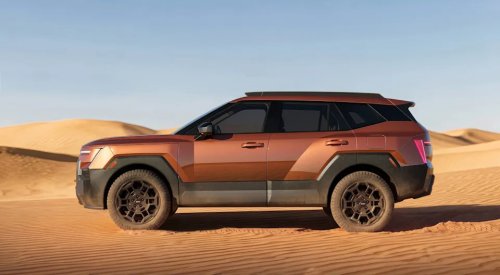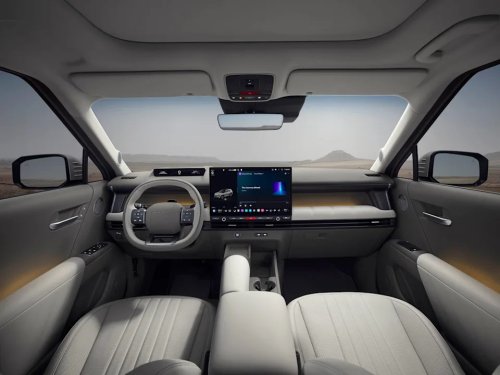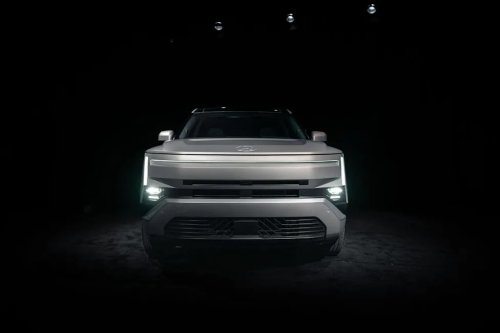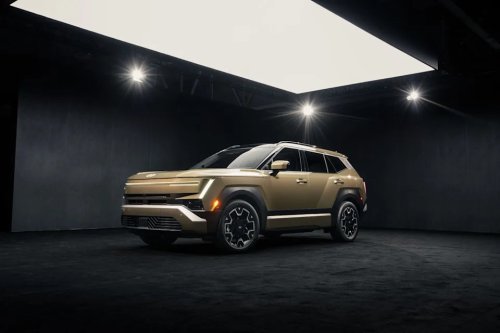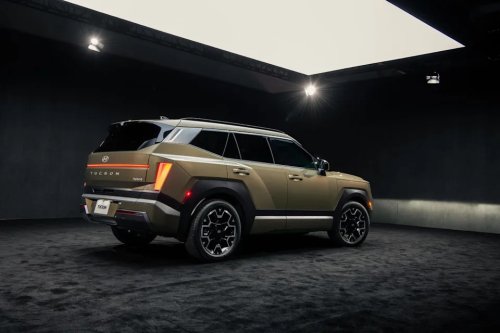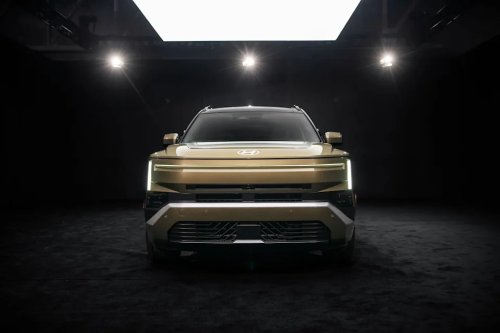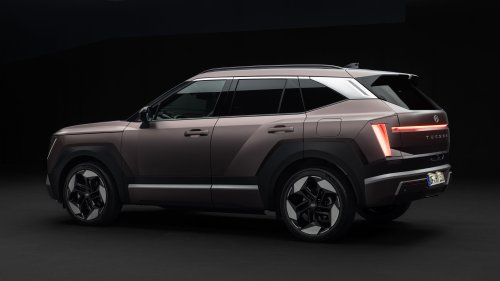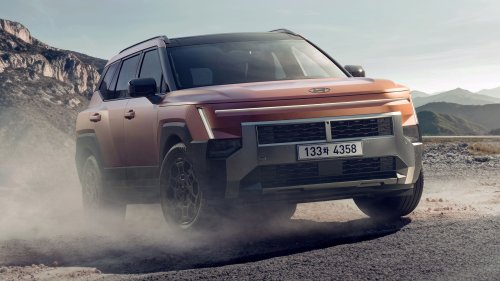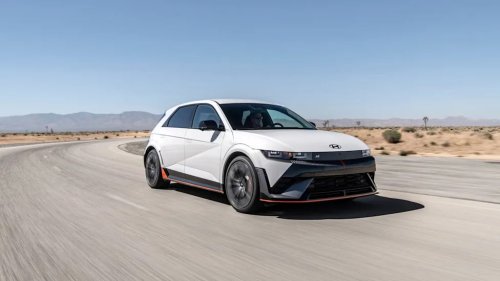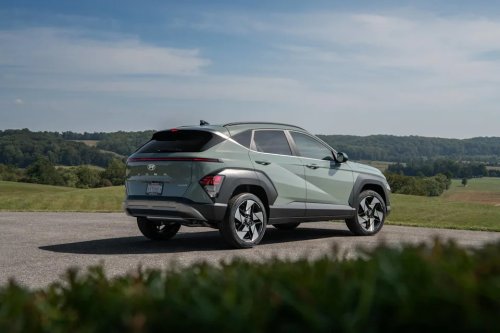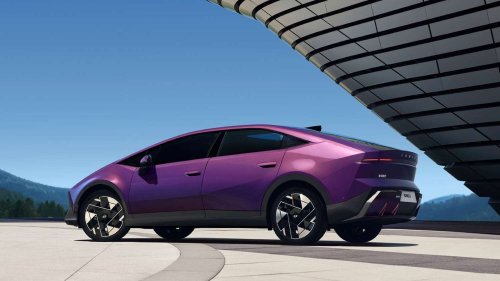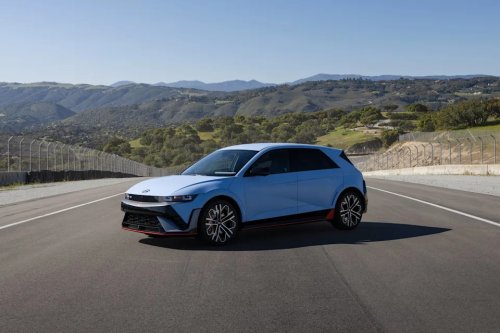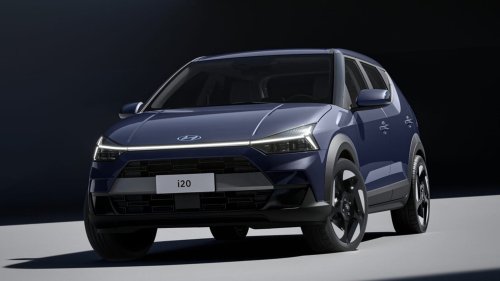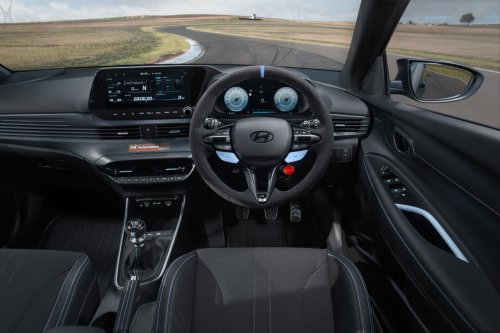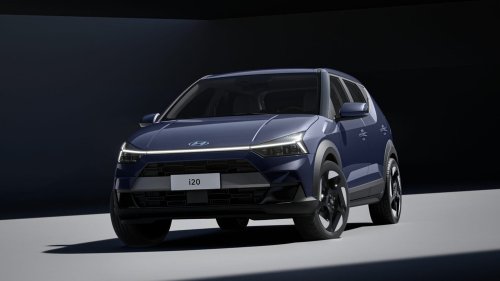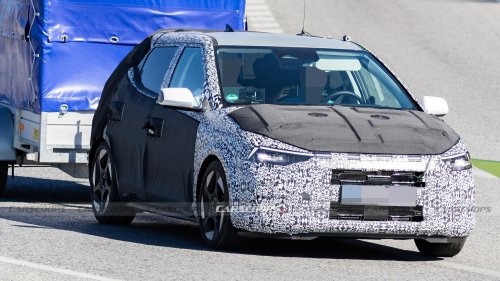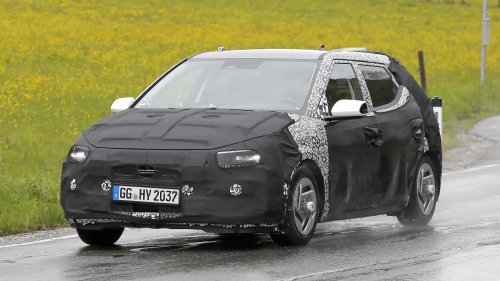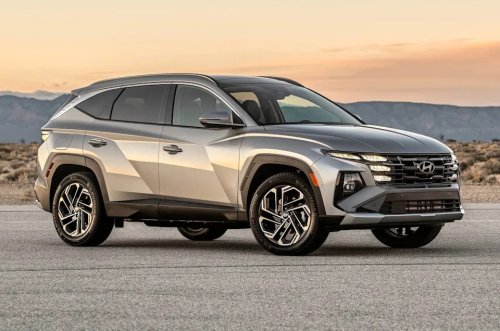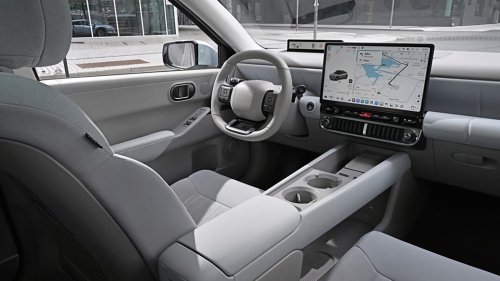



















Batten down the (hot) hatches: Hyundai will redefine the performance supermini with the upcoming i20 N. It will pack a hybrid petrol/electric powertrain, taking the N brand back to its combustion-engined, more affordable roots. The next-generation Hyundai i20 supermini has just broken cover for the Brazilian market. Hyundai will use these fundamentals to underpin a highly differentiated, European version of the high-riding hatch-cum-SUV. And as our exclusive image shows, this new i20 range will be crowned by a Nürburgring-busting hot hatch, with a lowered body, aggressive bodykit and exaggerated rear wing. The i20 N is a pet project of Dr Manfred Harrer, Hyundai’s global head of R&D. The Munich-born engineer made his name bringing steering feel back to BMWs and Porsches, after the cars switched from hydraulic to electric power assistance in the early ’00s, having previously worked on the go-kart agility of BMW’s reborn MINI. Hyundai’s upcoming baby performance car is set to rival the hottest MINIs, with a likely price tag around £30,000. “We need this entry-level back for our fans,” explained Herrar. “It’s hybridised and the prototypes are running. It’s not so far out.” Expect sales to begin in 18-24 months. Auto Express expects power to come from a 1.6-litre four-cylinder turbo engine, coupled to a clever twin hybrid motor transmission engineered in-house by Hyundai. The transmission can handle up to 300bhp and 380Nm of torque, giving Hyundai the potential punch to monster the first i20 N from 2021. It developed 201bhp and 275Nm from its 1.6-litre T-GDi engine, good for a blast from 0-62mph in 6.7 seconds, without any electric assistance. The new, incredibly compact hybrid set-up incorporates two motors, firstly a P1 unit which acts as a starter/generator and can add torque into the driveline. Packaged beside it is a P2 motor which can provide direct electric drive to the wheels and harvest regenerative braking energy for the right-sized battery. Hyundai has striven to miniaturise its new hybrid transmission, to keep weight down and package it in a transverse engine, front-wheel-drive supermini. Is the i20 N guaranteed to get this new 1.6-litre hybrid, Auto Express asked Harrer? “Maybe,” he replied with a broad grin, continuing: “To use existing technology, you have to adjust the battery’s performance [to cope with the additional stress] and the cooling.” Herrar is a car enthusiast to his core, and discussed the need for N cars to excel at circuits such as the Nürburgring. The original i20 N had a limited slip differential: the new model will surely follow suit to put its power down cleanly and carve through the Nordschleife’s corners. While hot hatch lovers will welcome the return of a combustion i20 N, some will fear the integration of electric power. Regular hybrids can suffer from flailing revs and power delivery that stretches like a rubber band: can Herrar’s engineers tune it for bursts of surging torque punctuated by snappy gearchanges? “It will feel like that,” he assured us. Superminis have lacked firepower since the Ford Fiesta ST, Renaultsport Clio and VW Polo GTI went out of production: what will be the benchmark for the i20 N? “We will inspire others to benchmark us,” shrugged the global engineering chief. Hyundai’s N division started with a VW Golf GTI rival, the 247bhp i30 N in 2017, before adding the hot i20 three years later. But the sub-brand’s current European stable comprises two ballistic EVs, the N versions of the Ioniq 5 hatch and Ioniq 6 saloon, both packing in excess of 600bhp, lairy drift modes and simulated gearshifts. “The Ioniq 5 and 6 N are at quite expensive price points: we’d like to keep affordability in the N portfolio,” Hyundai Europe CEO Xavier Martinet told us at the company’s German R&D centre. The big hatch and saloon both cost just over £65,000. And while Hyundai could have green-lit an N version of the upcoming Ioniq 3 electric hatch, Martinet admitted this was a lower priority than the i20 N. “We don’t want to be exclusively electric with N – it’s important not to forget the non-EV customer,” he said. But the drivetrain still has to be part-electrified, given Europe’s current 95g/km CO2 target will plummet to 50g/km in 2030. “Launching a pure petrol [derivative] without hybridisation – how would that be perceived by the market?” asked Martinet. “We aren’t living in the 20th century,” he concluded.