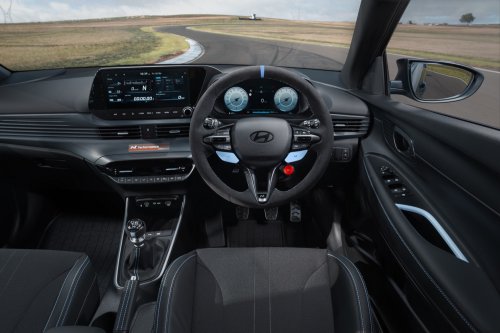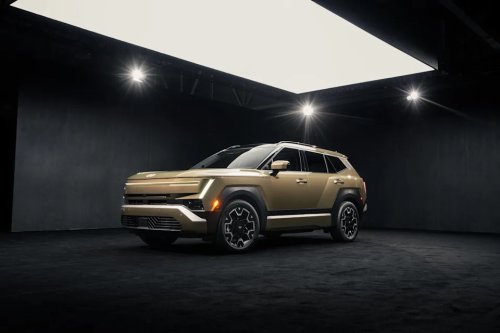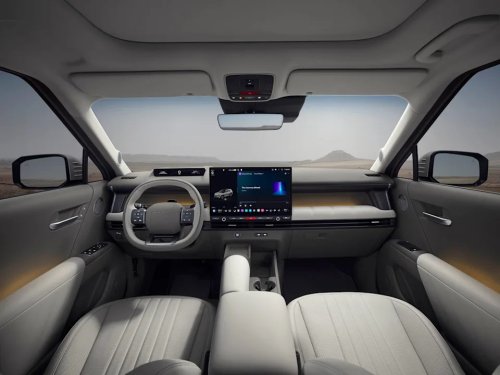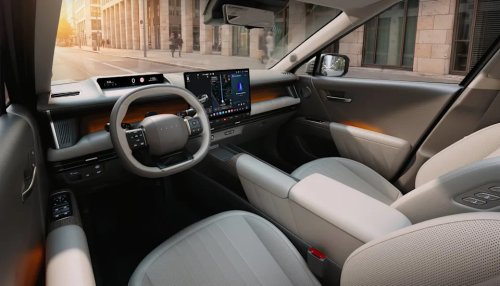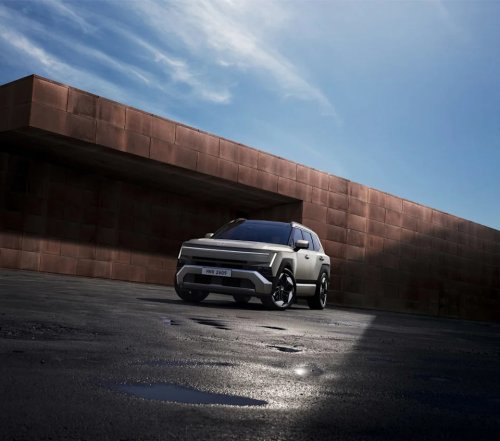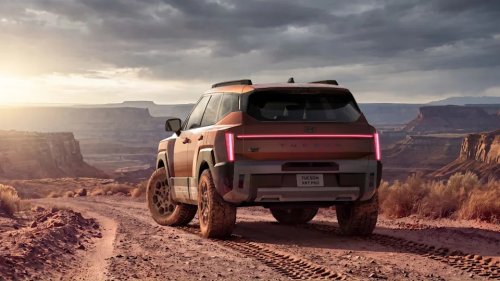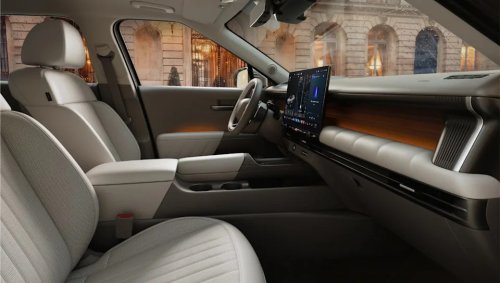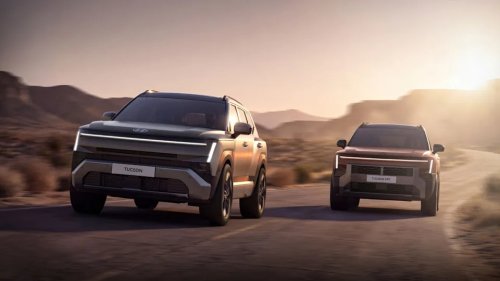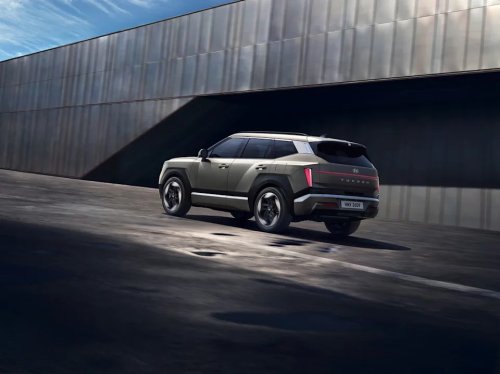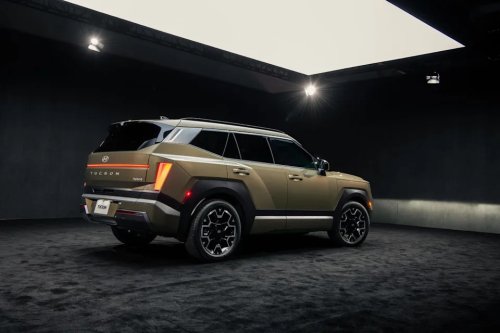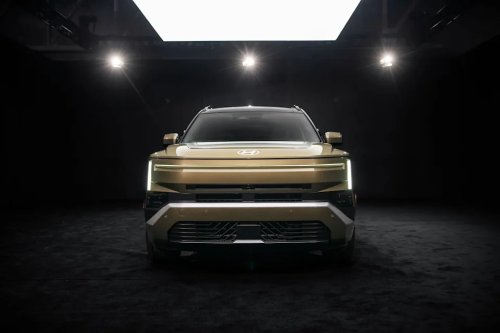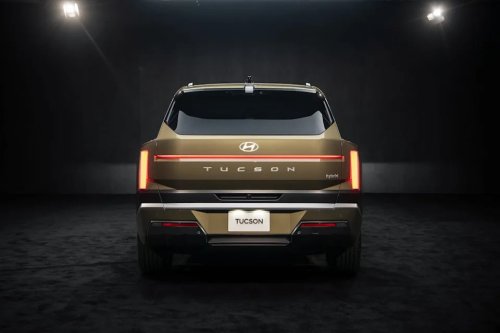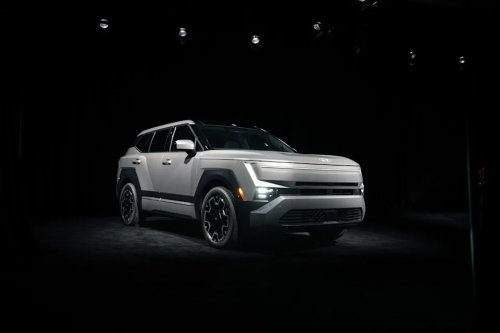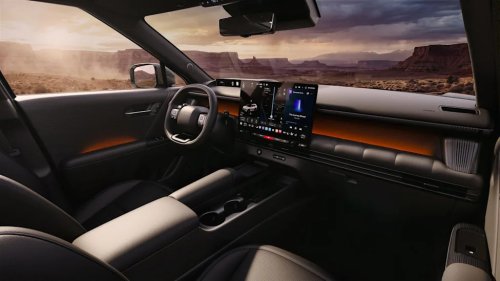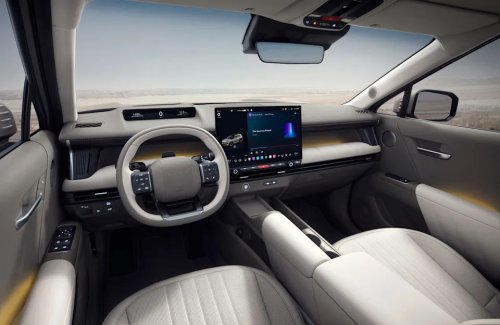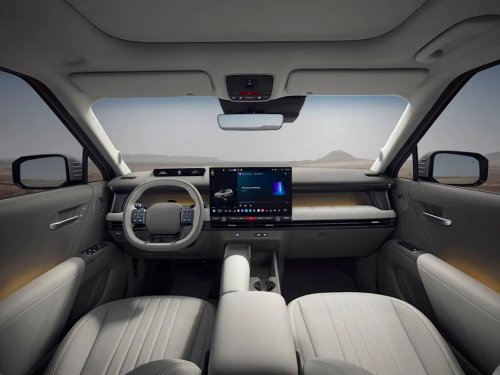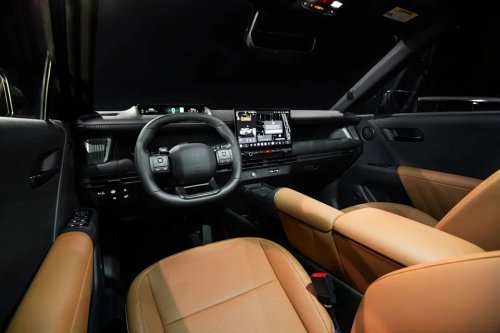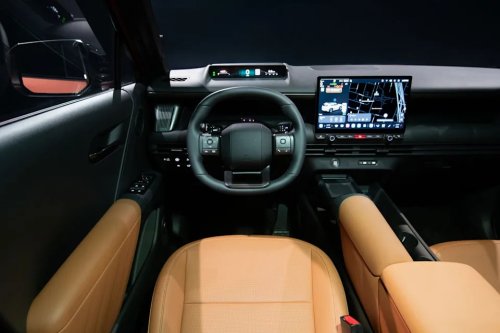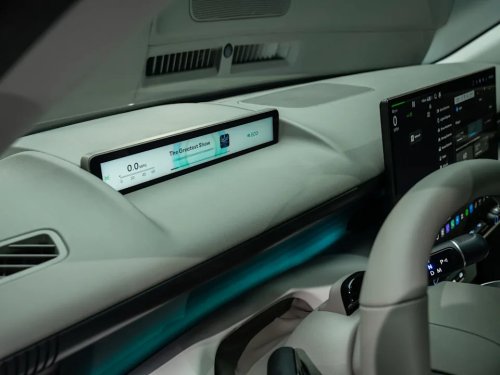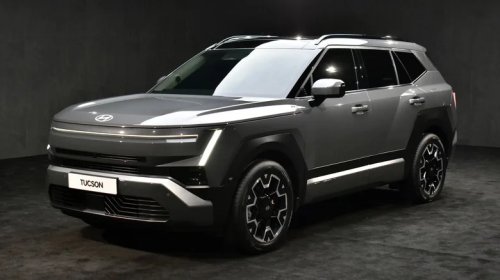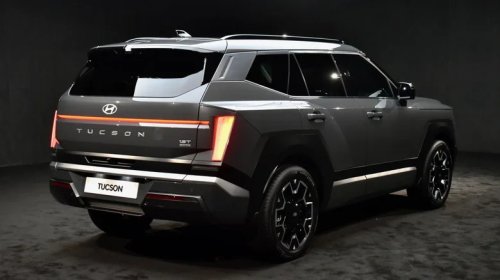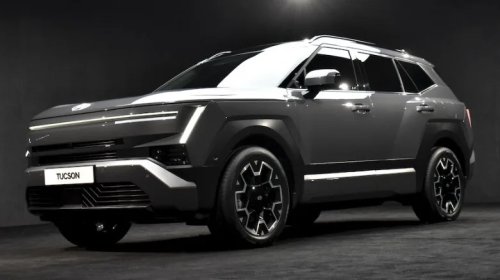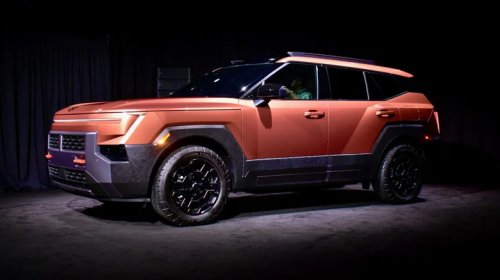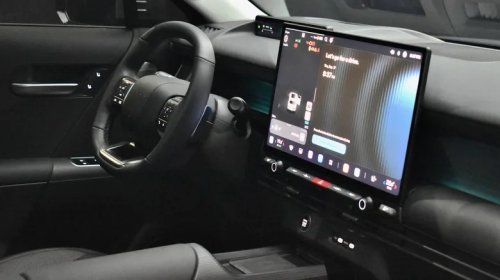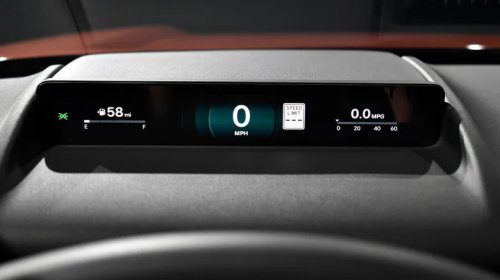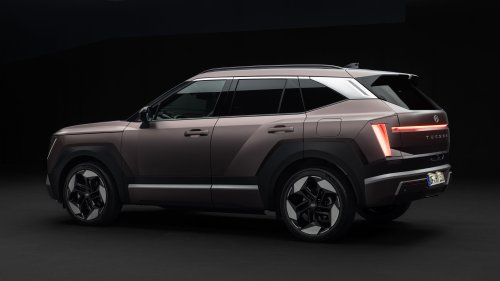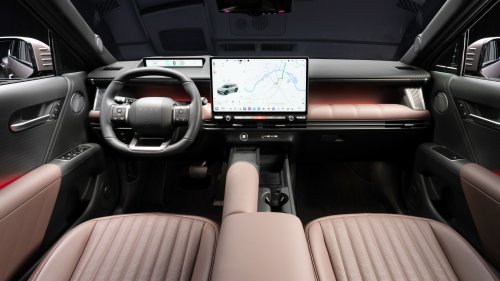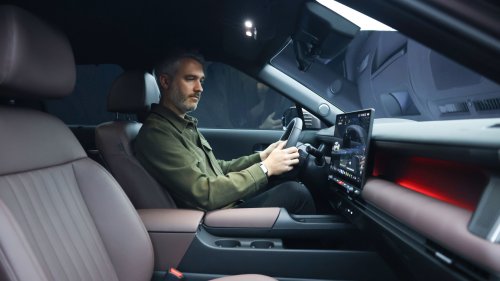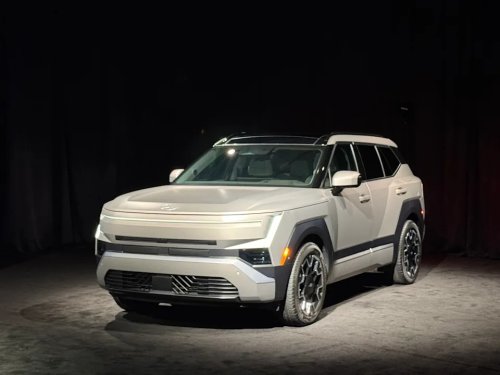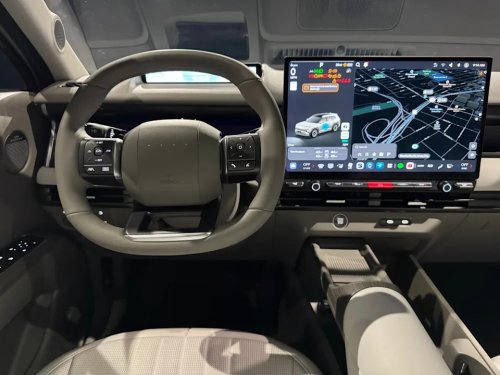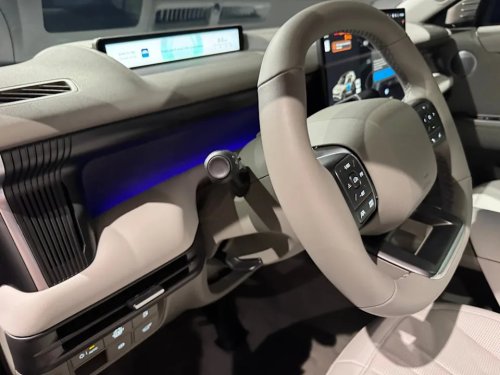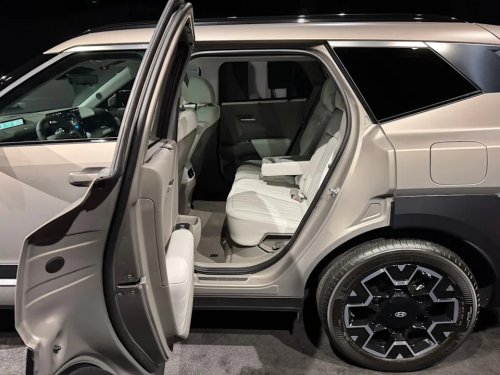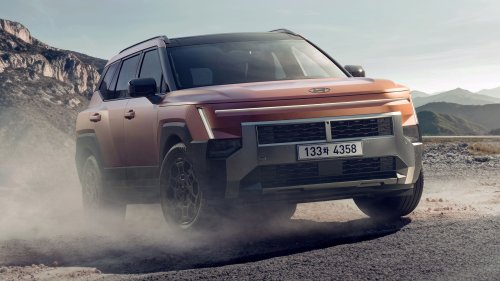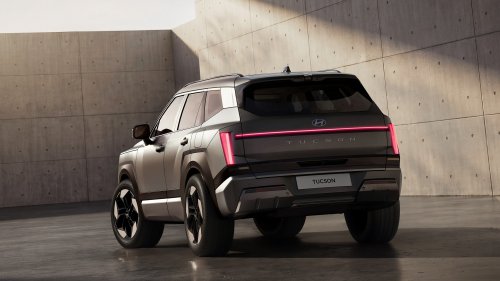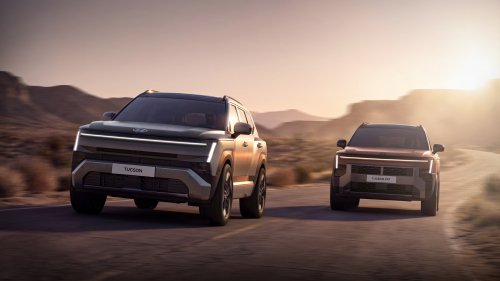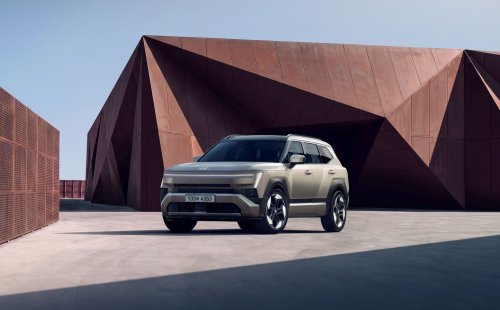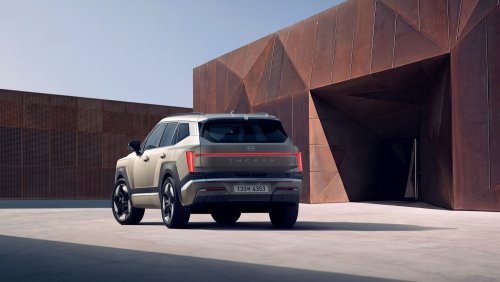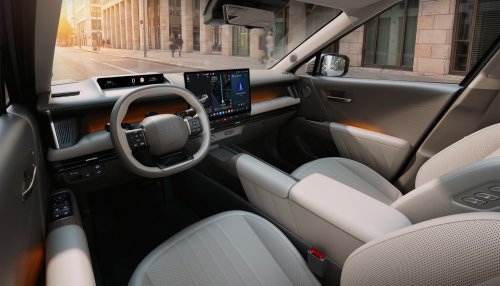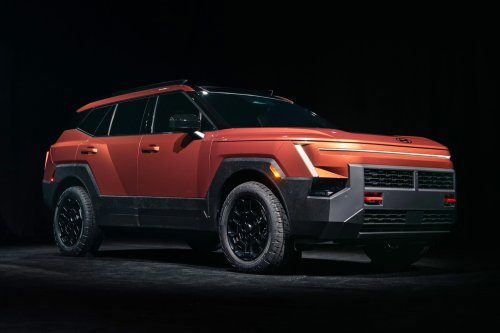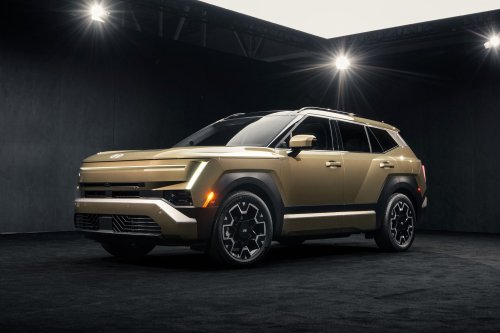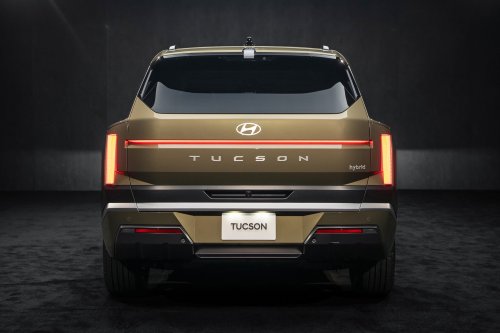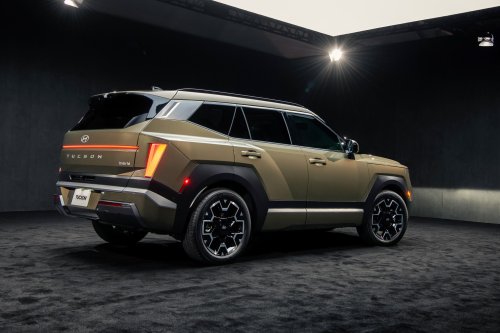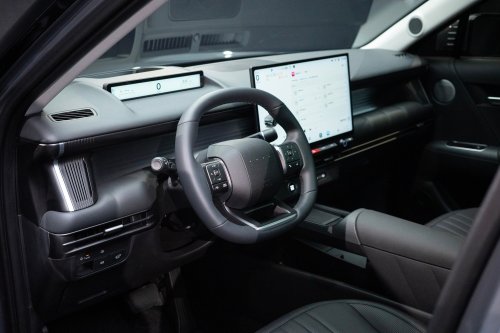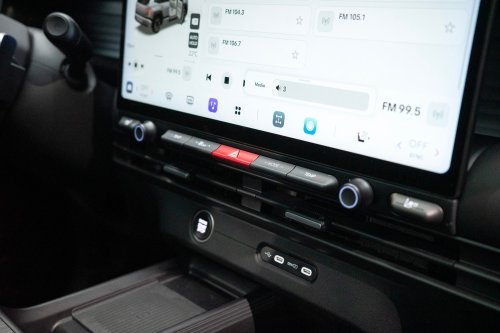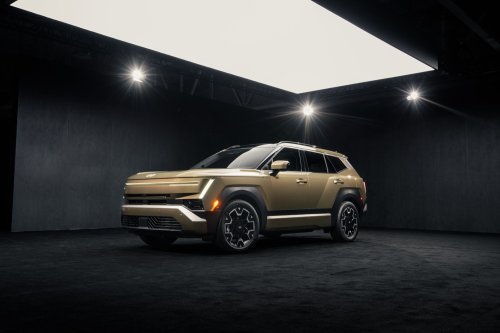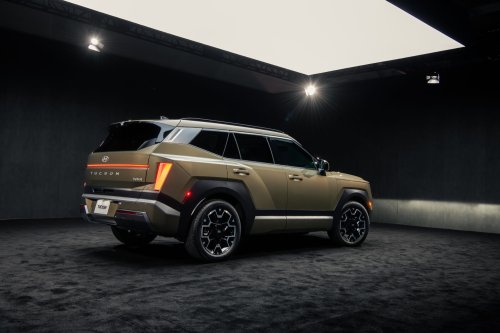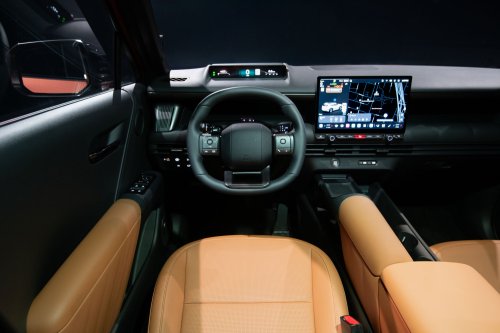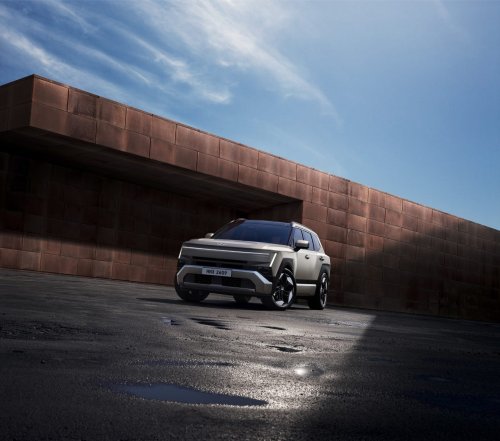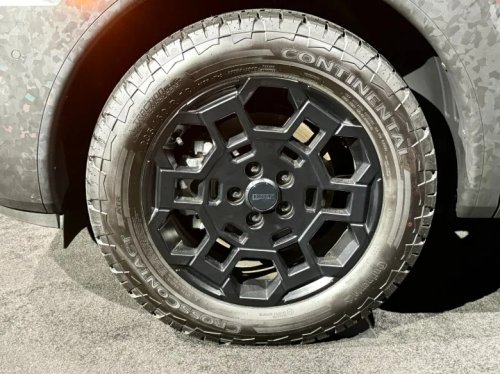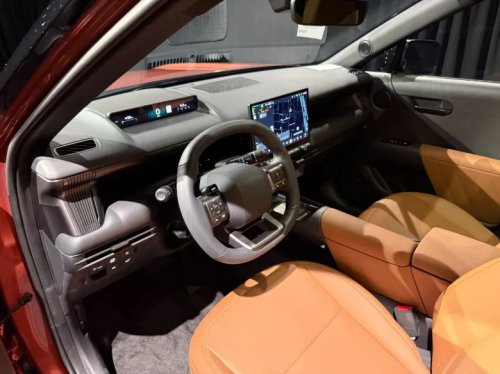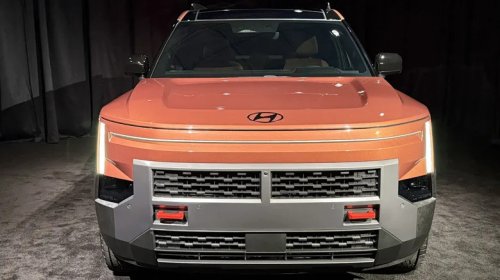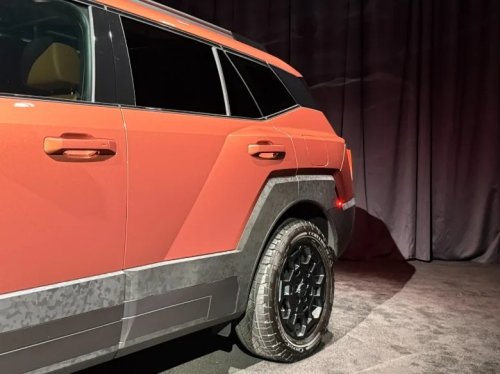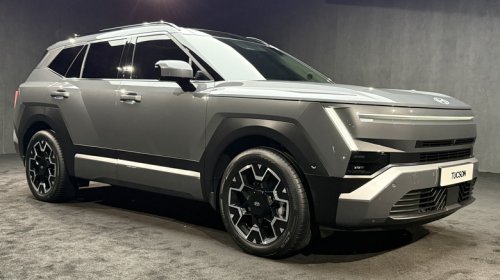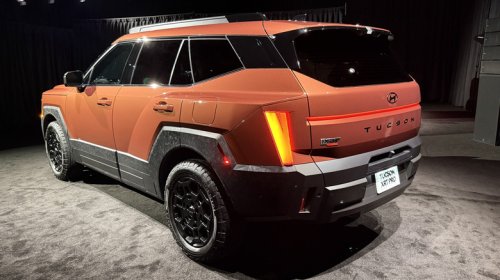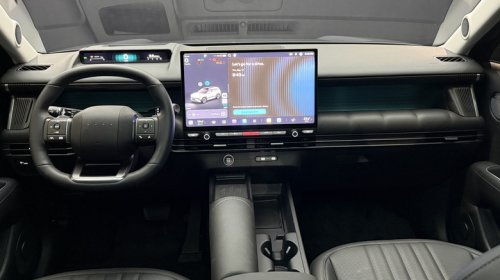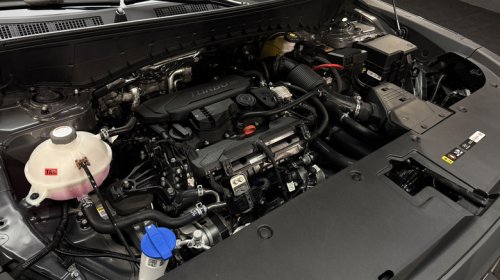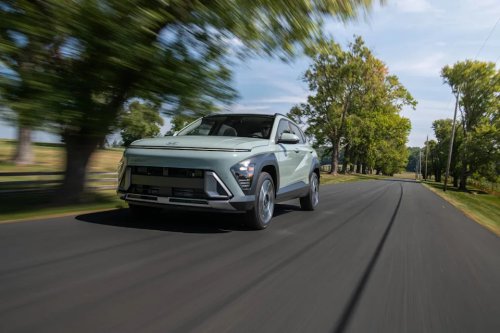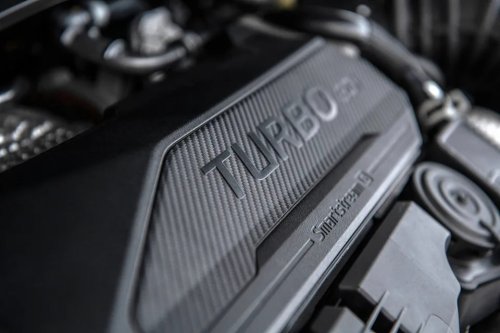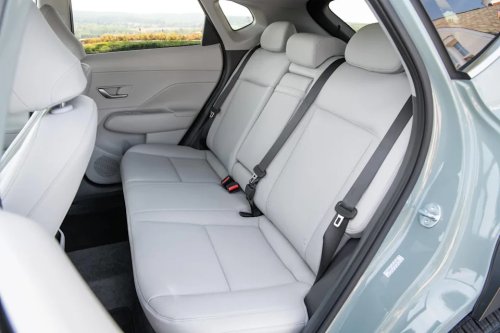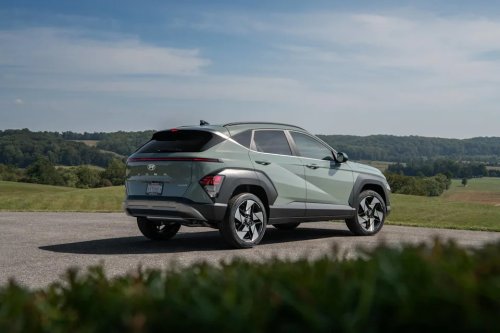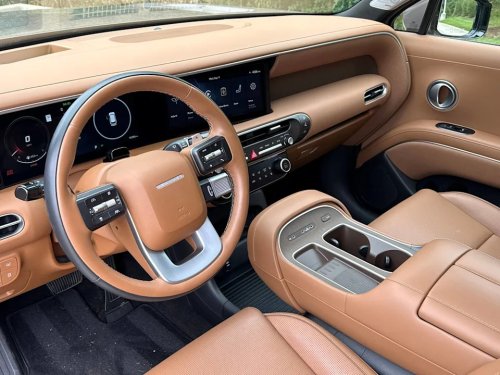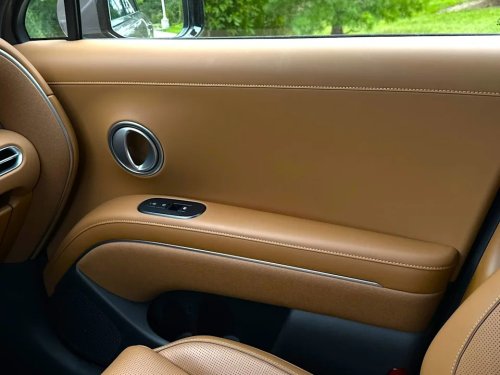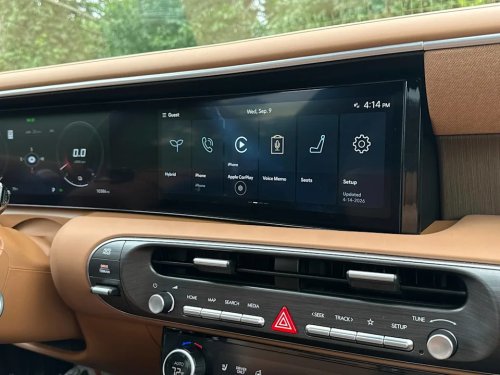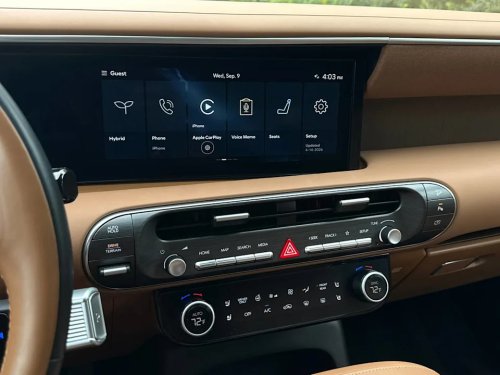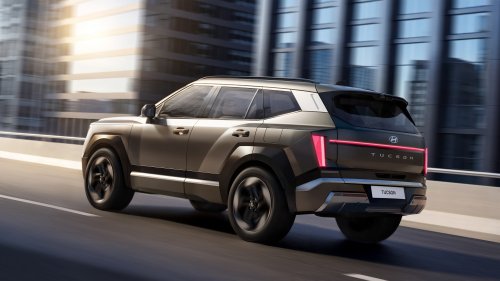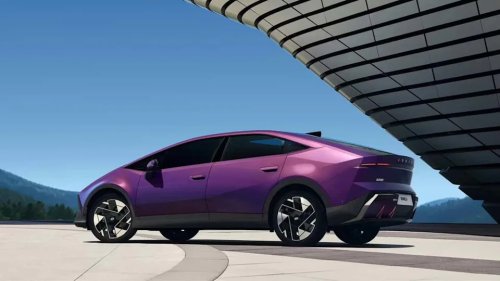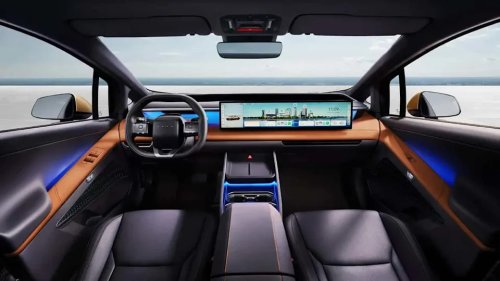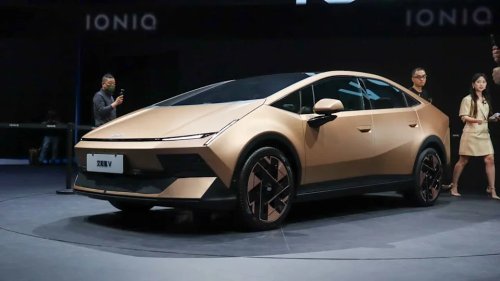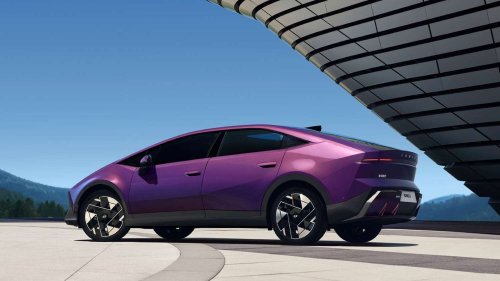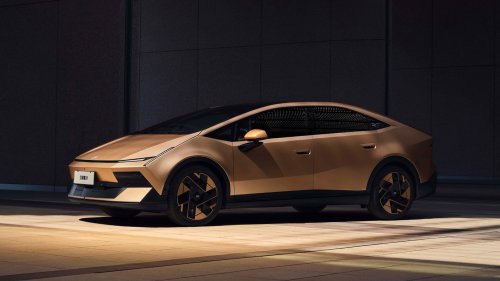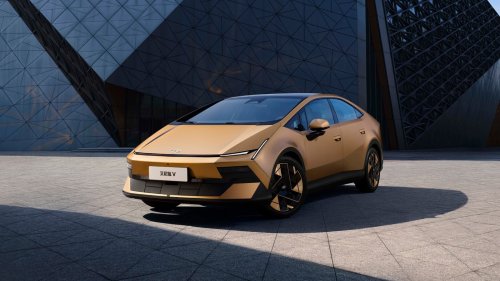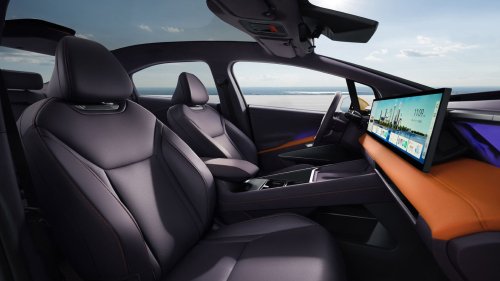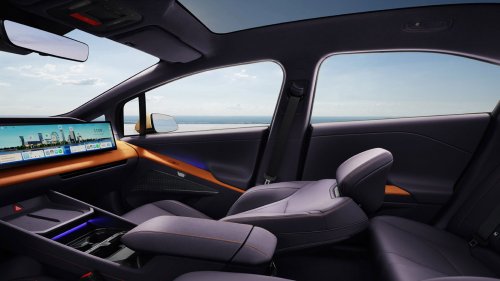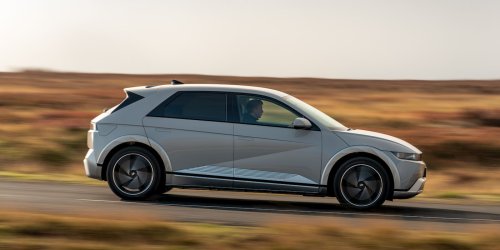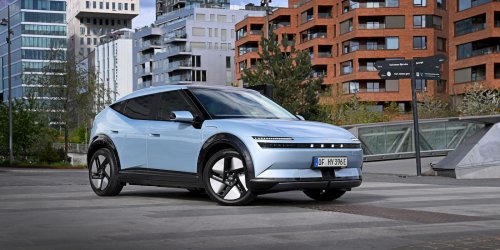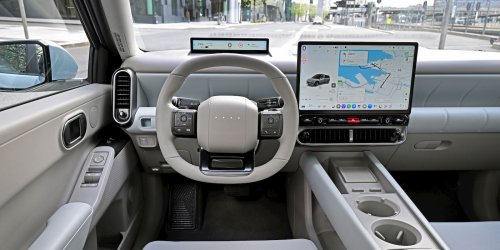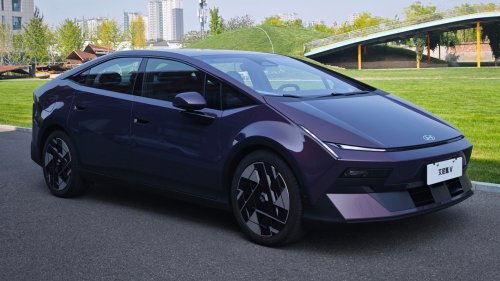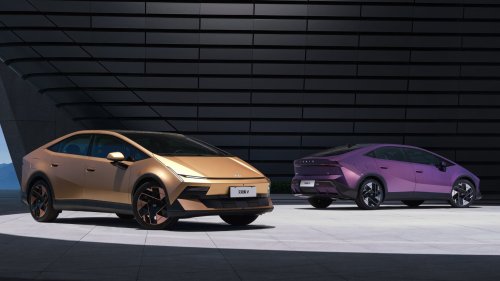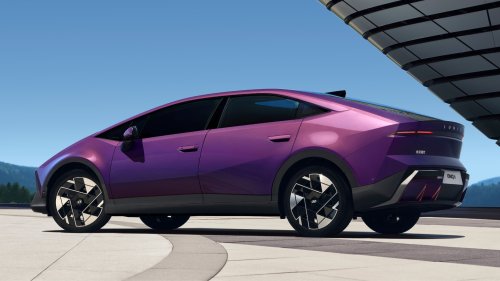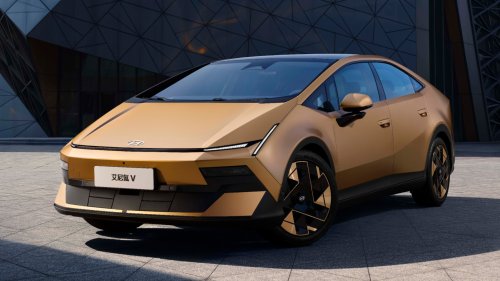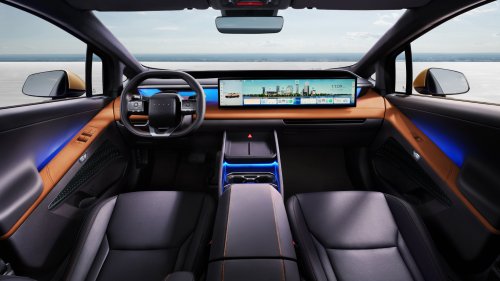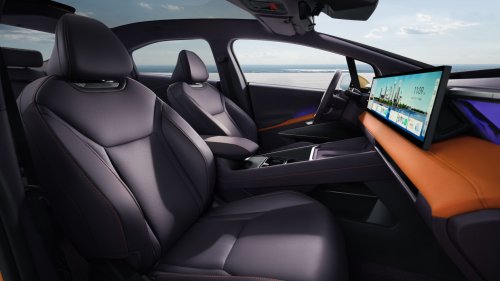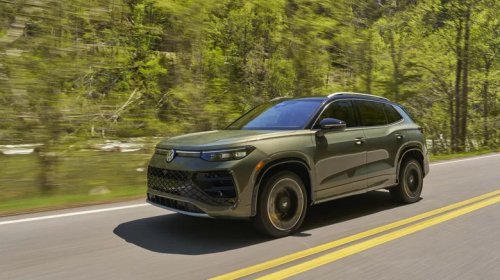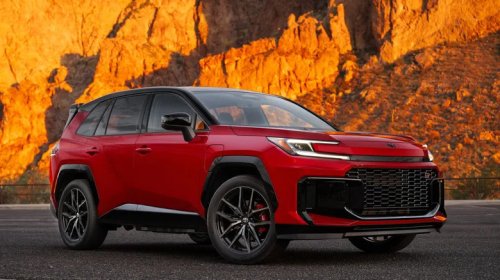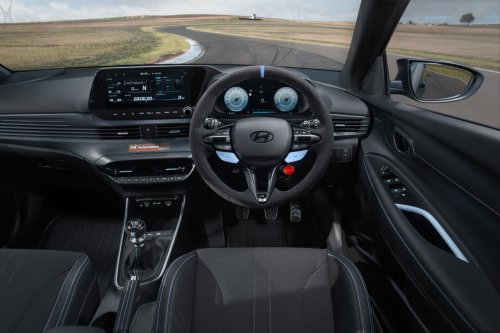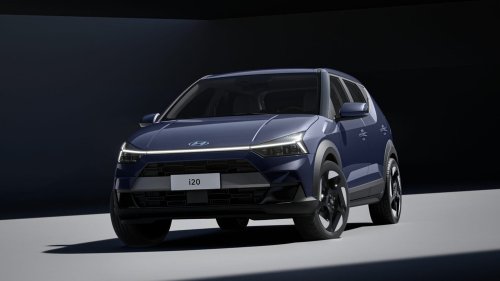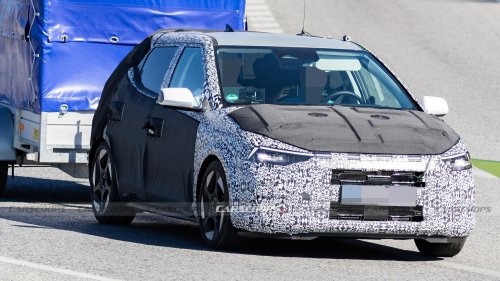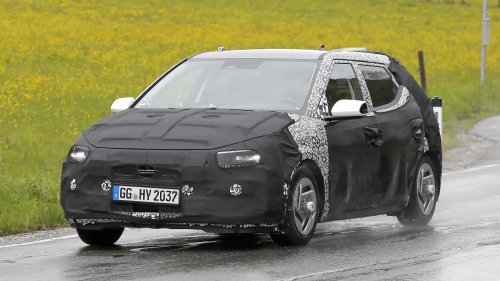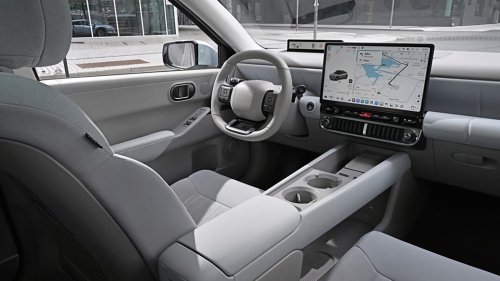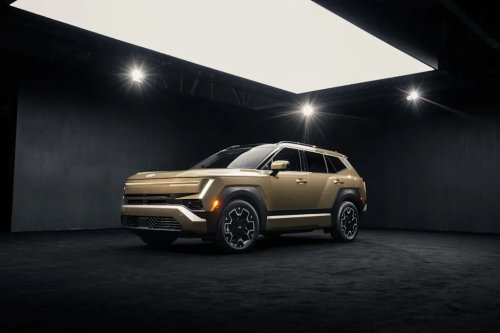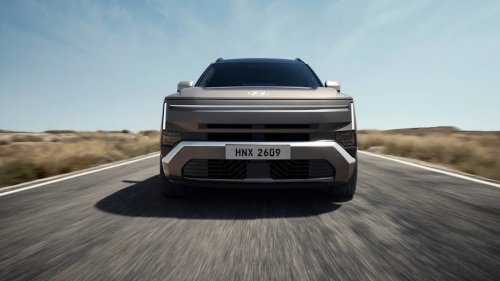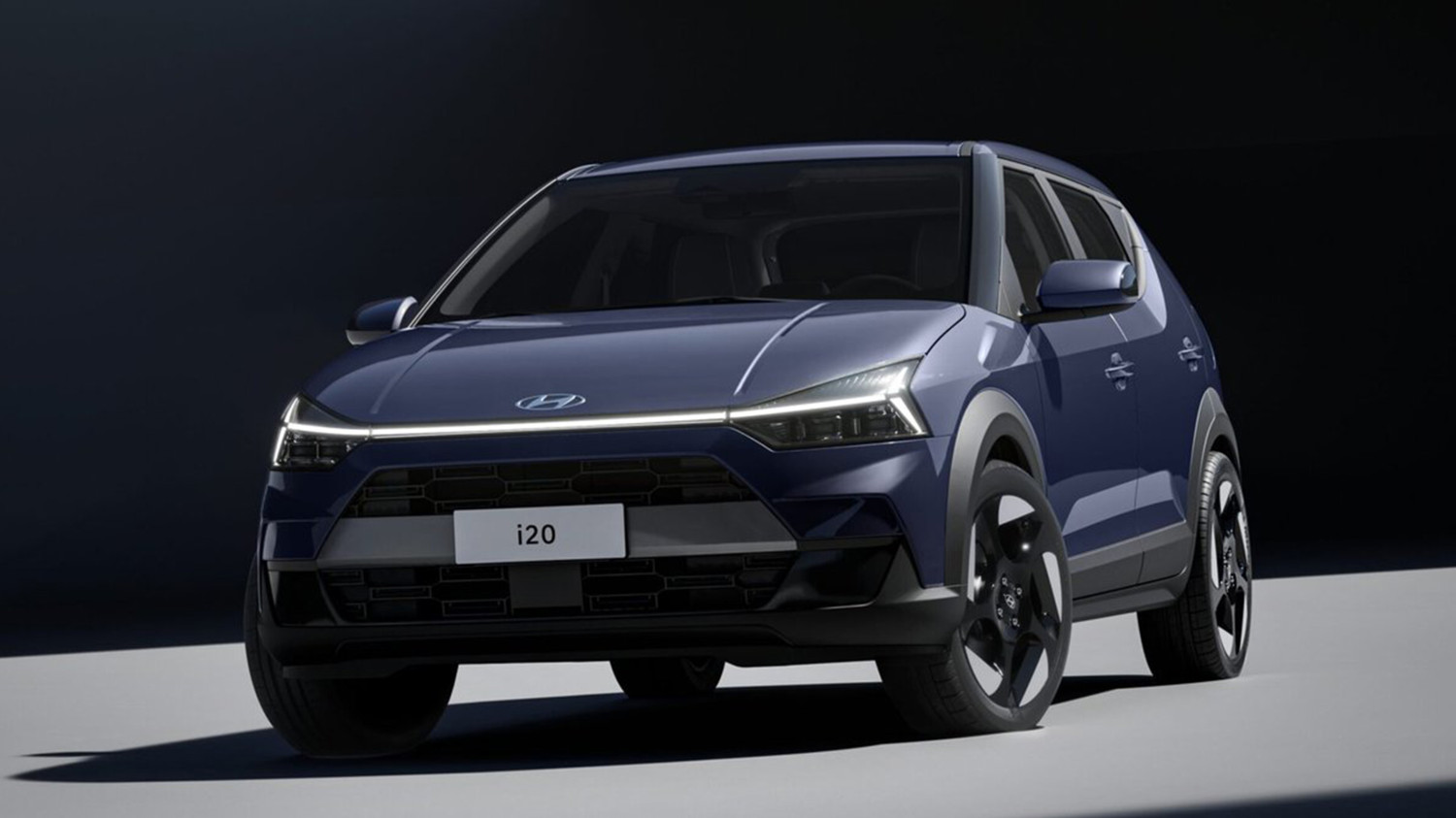
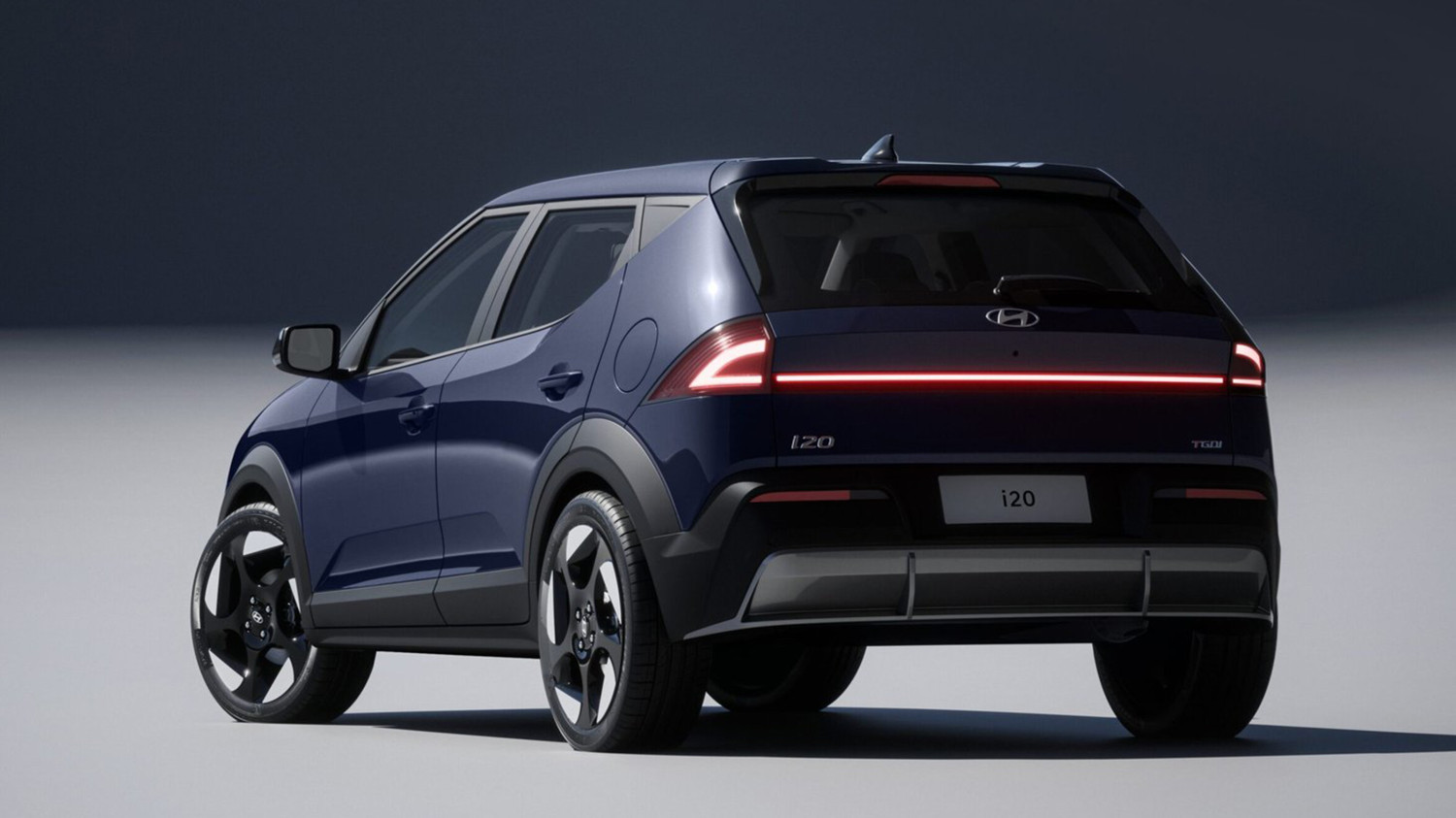
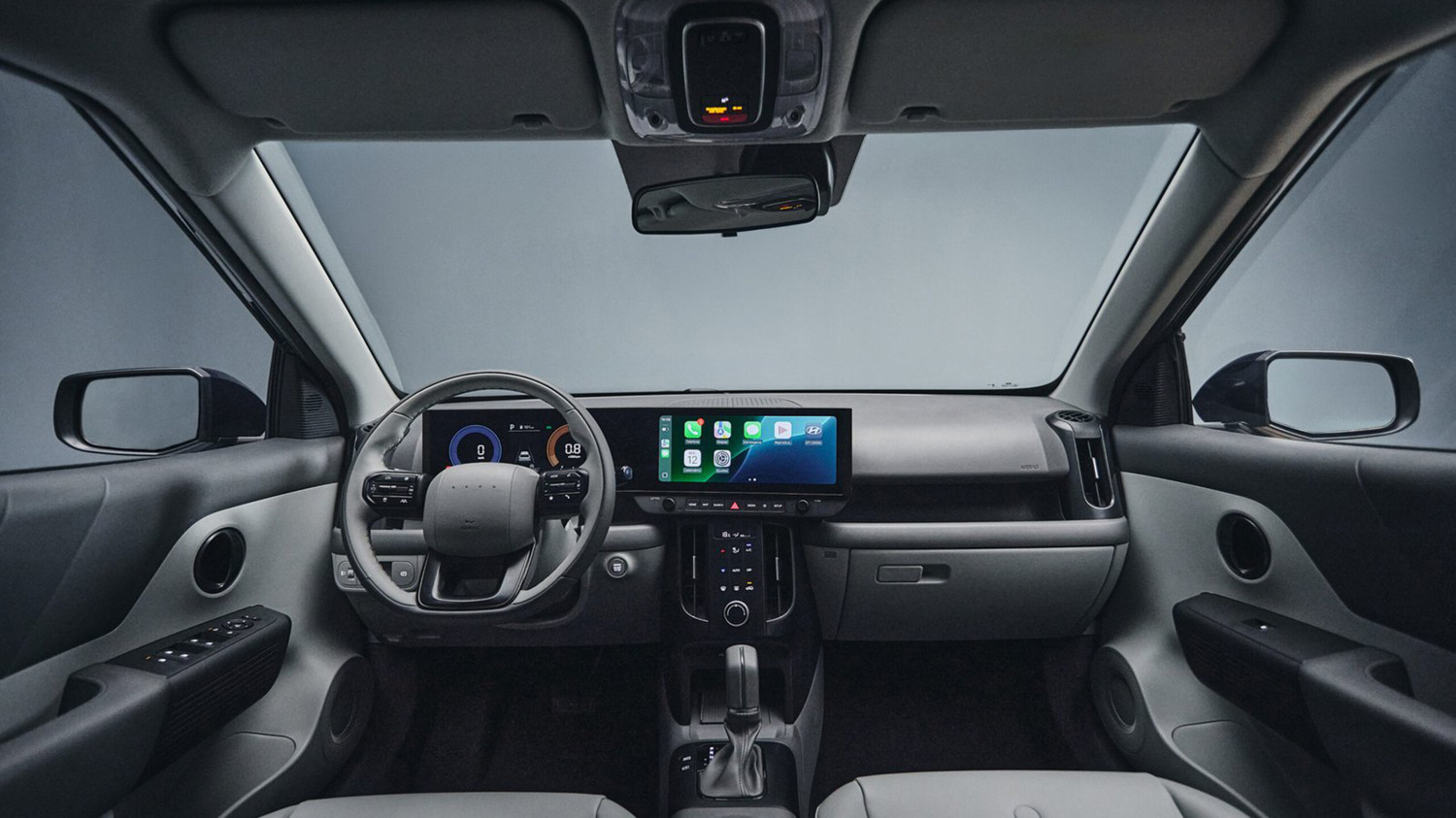



















17Hyundai has revealed the direction of its forthcoming i20 supermini by unveiling the Brazilian-market version. It’s bigger and more spacious than the outgoing hatch, with an injection of SUV attitude and a significant tech upgrade. UK buyers will get the same basic package, but with an exterior and cockpit makeover to meet European tastes, plus revised powertrains. The Euro i20 is set for a public debut at October’s Paris Motor Show. The new Hyundai i20 is notably taller and longer than the outgoing model, making it almost exactly the same size as the recently refreshed Toyota Yaris Cross and the Volkswagen T-Cross, both small SUVs. It’s now a cross between an SUV and a hatchback, with chunky plastic protection of a body featuring a strong wedge shape that sweeps forward from the rear glass to add supermini dynamism, along with that arrowhead rear end. The new car showcases Hyundai’s philosophy of taking a global product and tailoring it for different regions. “It will be styled, engineered and refined for Europe,” said Hyundai Europe’s head of product Chris McKinnon. “It’s a different vehicle with a different propulsion system.” The new i20’s fundamental look is inspired by Hyundai’s latest design language, ‘Art of Steel’, which also underpins the dramatic new Hyundai Ioniq 3 hatchback. The company’s narrative is that the designers were inspired by the straight edges characteristic of steelwork, which led to the hard lines on the front, side and rear of this car. For Europe, the front and rear graphics – including the lamps – are set to change, to give a more technical look. 17At 4,130mm long, 1,495mm tall, 1,780mm wide, and packing a wheelbase of 2,580mm, the new i20’s dimensions are within millimetres of Hyundai’s existing small SUV, the Bayon. However, a new generation of the Bayon is also due soon and, based on what we’ve seen from test prototypes, it’s going to morph into a boxier, baby SUV offering even more space and practicality. Hyundai says its designers focused on technology and practicality when creating the new i20’s interior. The Brazilian car’s cabin is more minimalist than the current model’s, with fewer buttons, although the air-conditioning is operated by physical controls. That dashboard has been designed specifically to maximise space up front, helped by the use of vertical air vents that leave room for storage options and a pair of big displays. How will it change for Europe? “Our future interiors will be more comfortable, ergonomic and richer in perceived quality,” says European chief designer, Eduardo Ramirez. Expect the i20 to take inspiration from the Ioniq 3 electric hatch, and redeploy its almost-15-inch central touchscreen running the new Pleos Connect human-machine interface. Built on Android Automotive software, the screen is segmented Tesla-style, with car-related functions (such as ADAS) on one side and a big area of real estate for navigation, media or the like on the other. Confirmed safety and driver-assistance tech onboard the new i20 includes adaptive cruise control with stop & go, rear cross traffic assist and blind-spot assist. It will also get over-the-air software updates. 17Hyundai claims the amount of room in the back seats will set new benchmarks for small cars in the i20’s price range. The new hatch will also offer 346 litres of boot space – about the same as the Yaris Cross – that expands to 1,152 litres when the rear seats are folded down. The new i20 has ditched the ‘K2’ platform the current model uses and instead has moved onto the ‘K3’ architecture that underpins the bigger Hyundai Kona, plus the Kia Niro and Seltos. That accommodates petrol and hybrid powertrains, with the latter confirmed for Europe to meet the region’s tough regulatory environment. “We won’t just focus on EV,” said Hyundai Europe CEO Xavier Martinet. “We want to be a multi-energy provider. By 2027, all our models will have at least one electrified powertrain.” Product boss McKinnon added: “We are adding hybrid to bring the i20 to the top of the class for performance.” There won’t be a pure electric version: that’s the job of the Ioniq 3. In Brazil, the i20 will be offered with two 1.0-litre three-cylinder engines with 12-volt mild-hybrid assistance producing either 74bhp or 113bhp. They also have the ability to be run on either petrol or pure ethanol, which is a very popular thing in South America. It’s likely the 1.0-litre triple will be hybridised for Europe, but the detail is still to be confirmed. Versions of the new Hyundai i20 sold in Brazil will be built there, but models sold in the UK will be assembled at the company’s plant in Turkey, where the new Ioniq 3 is also going to be produced. We’re expecting the hatchback-cum-crossover to arrive in Europe within the next 12 months and it is likely to cost from around £20,000. If you just can’t wait for the new Hyundai i20, why not check out the Auto Express Buy a Car service for all the latest deals on other new supermini models?