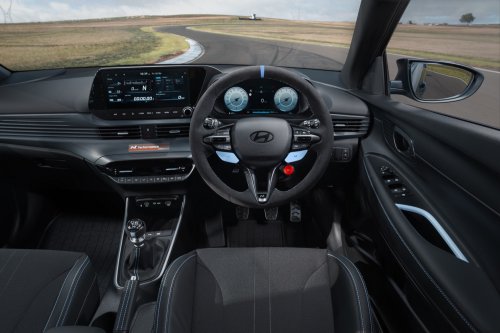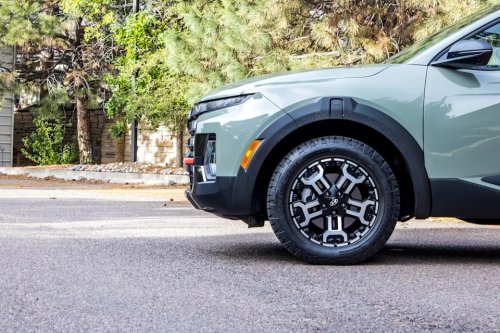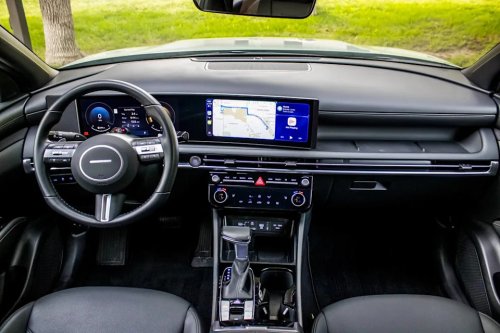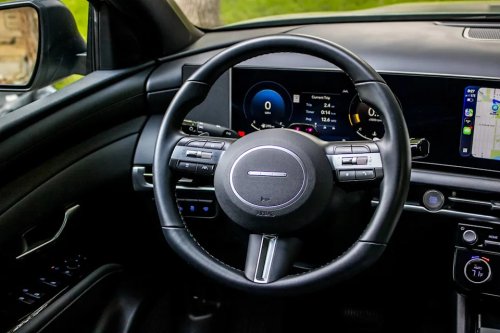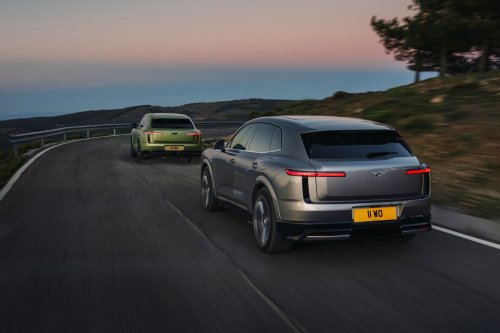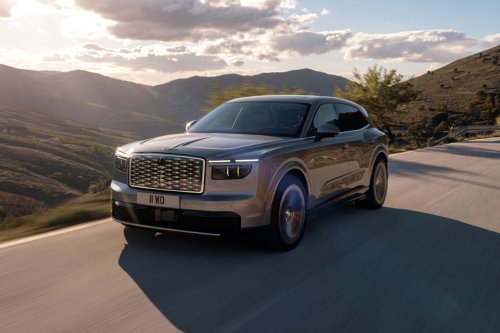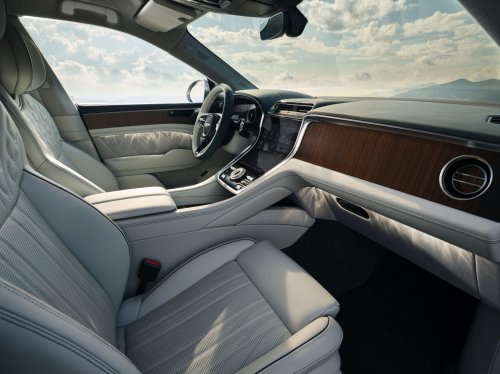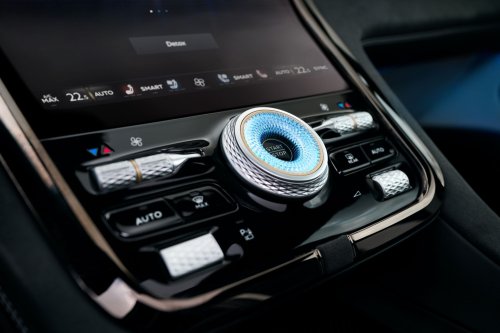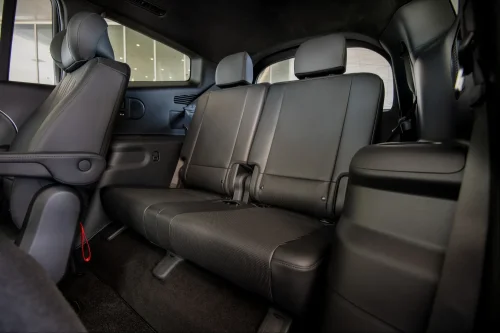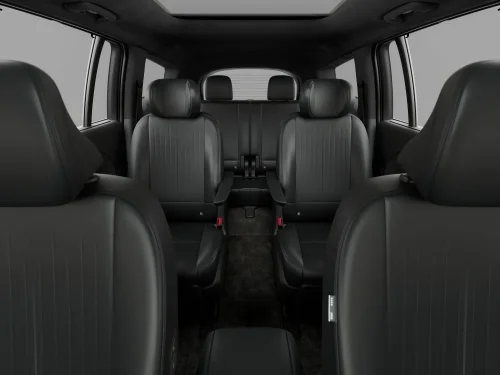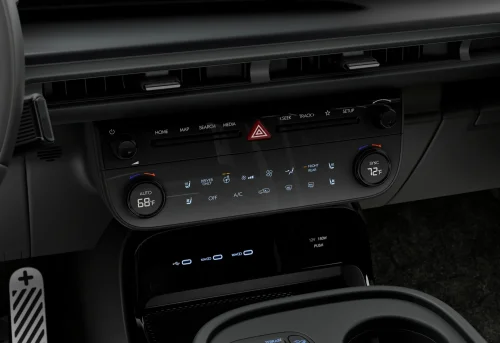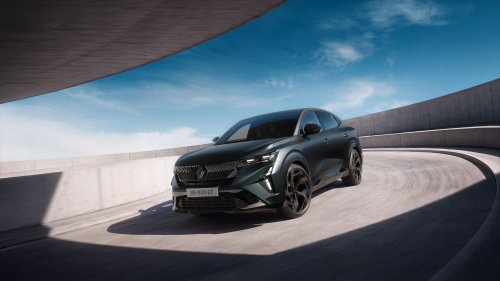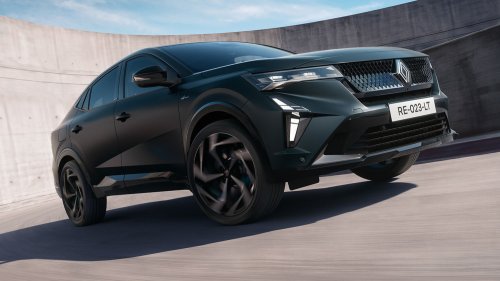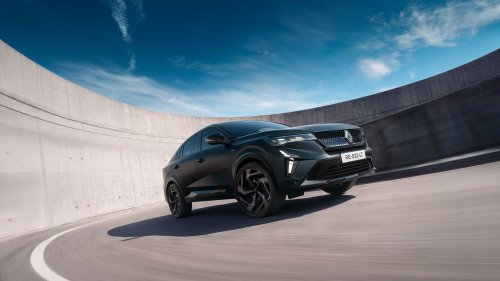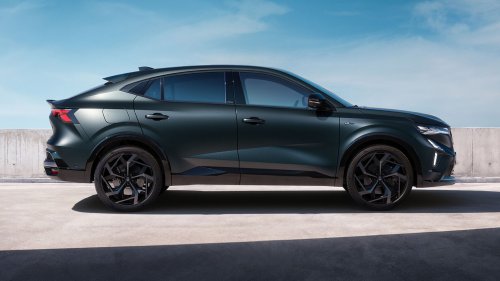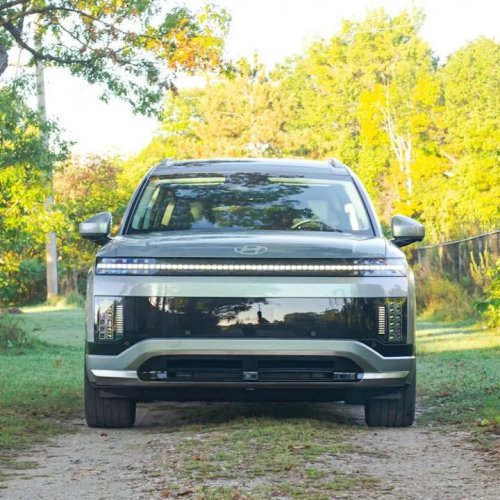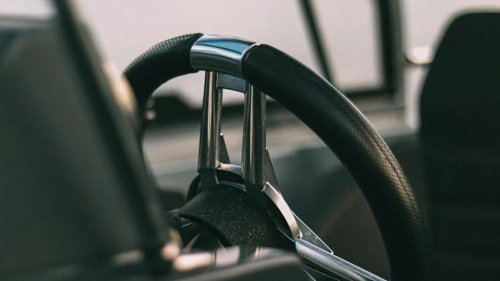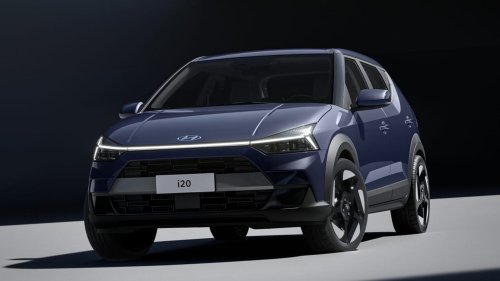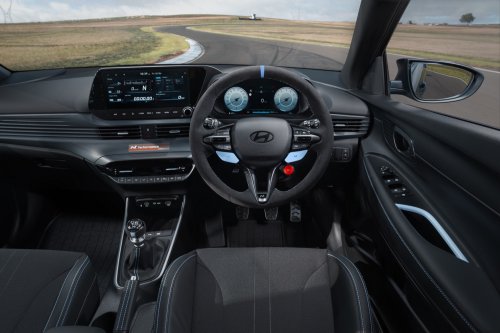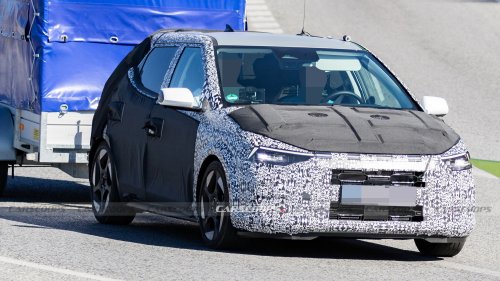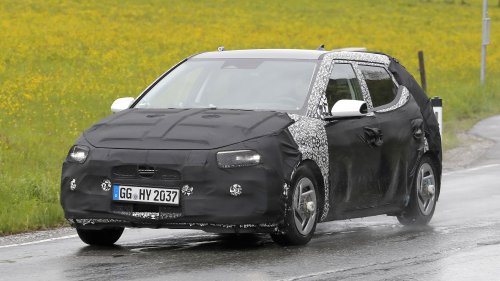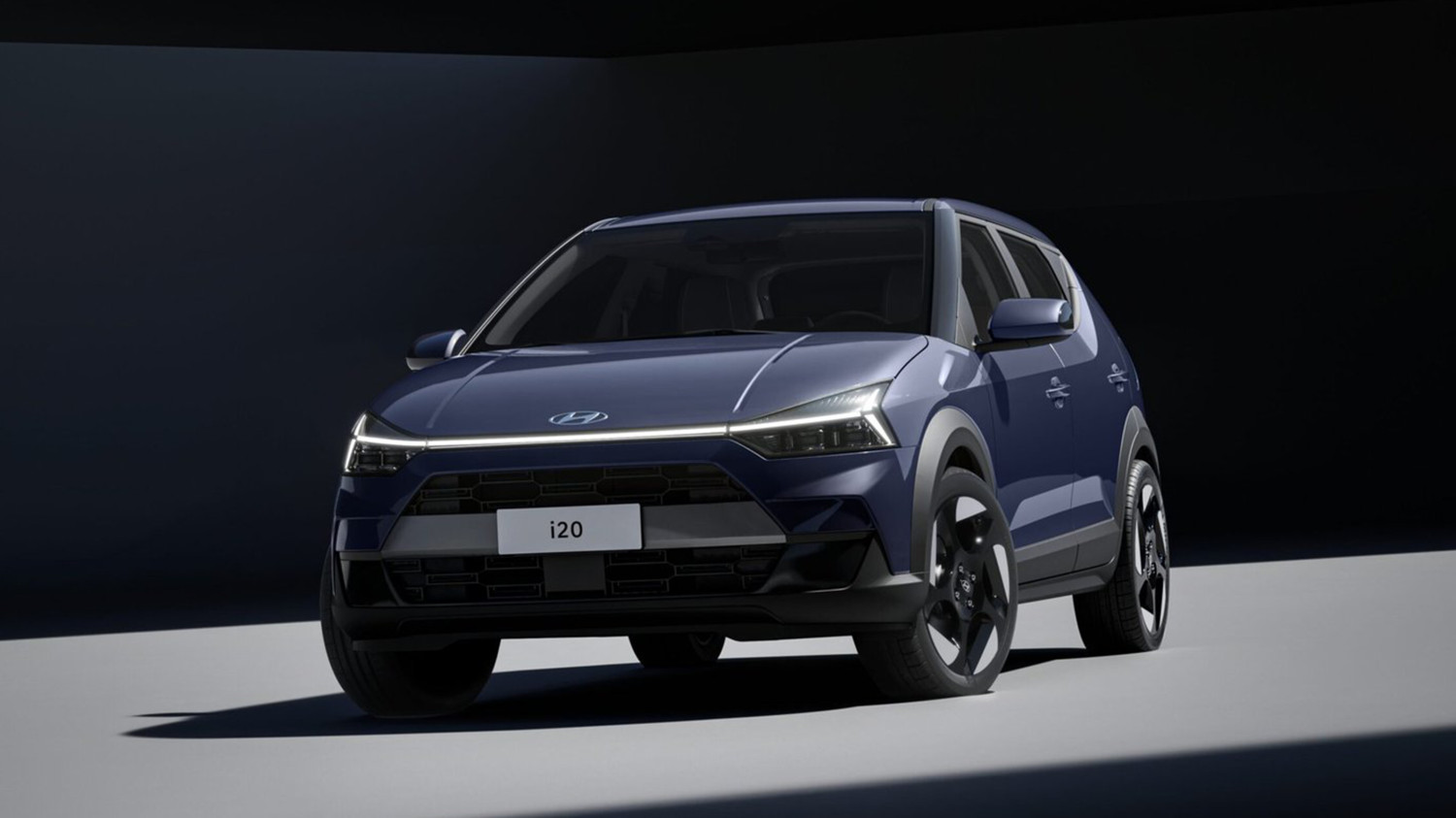
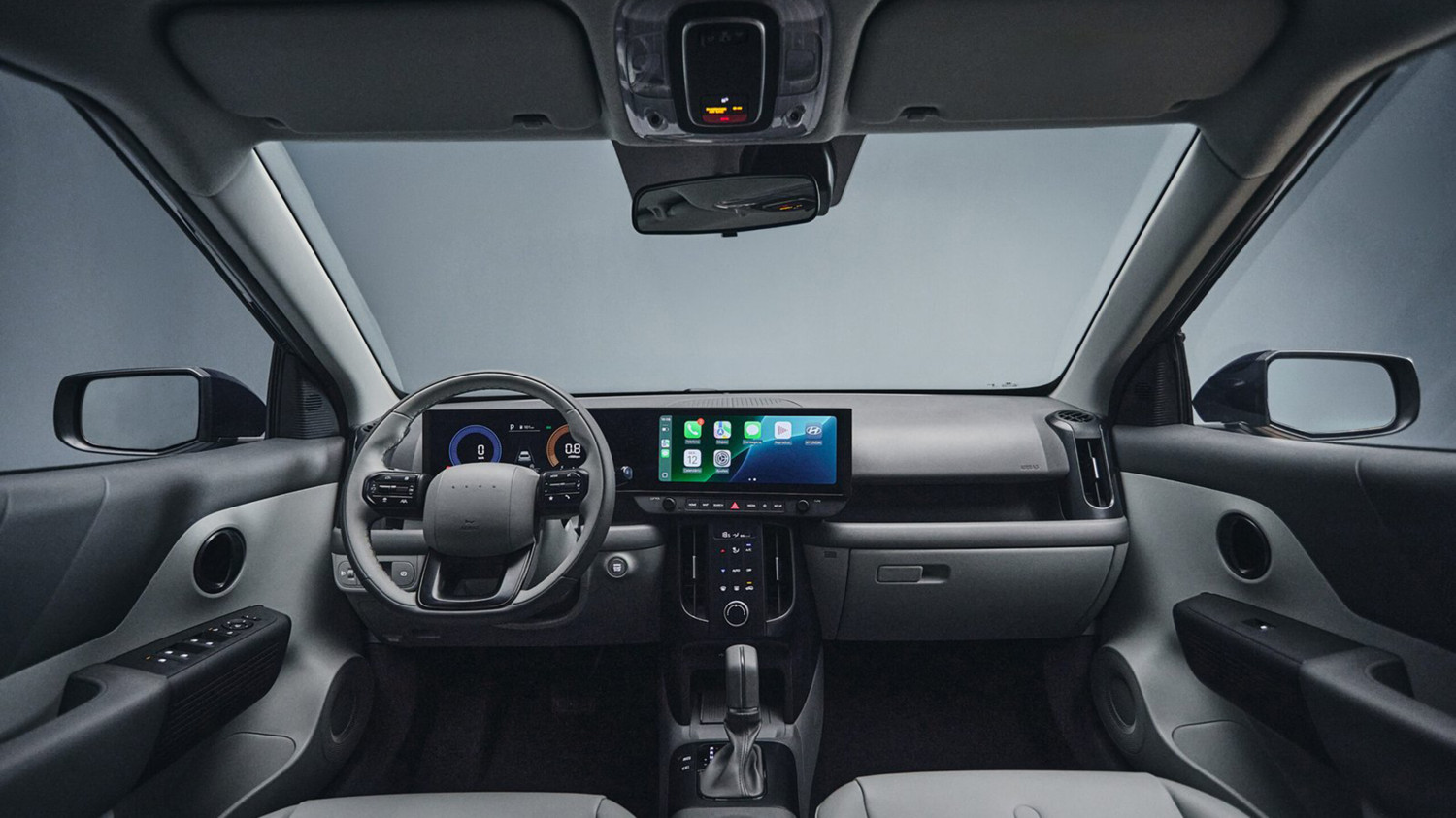
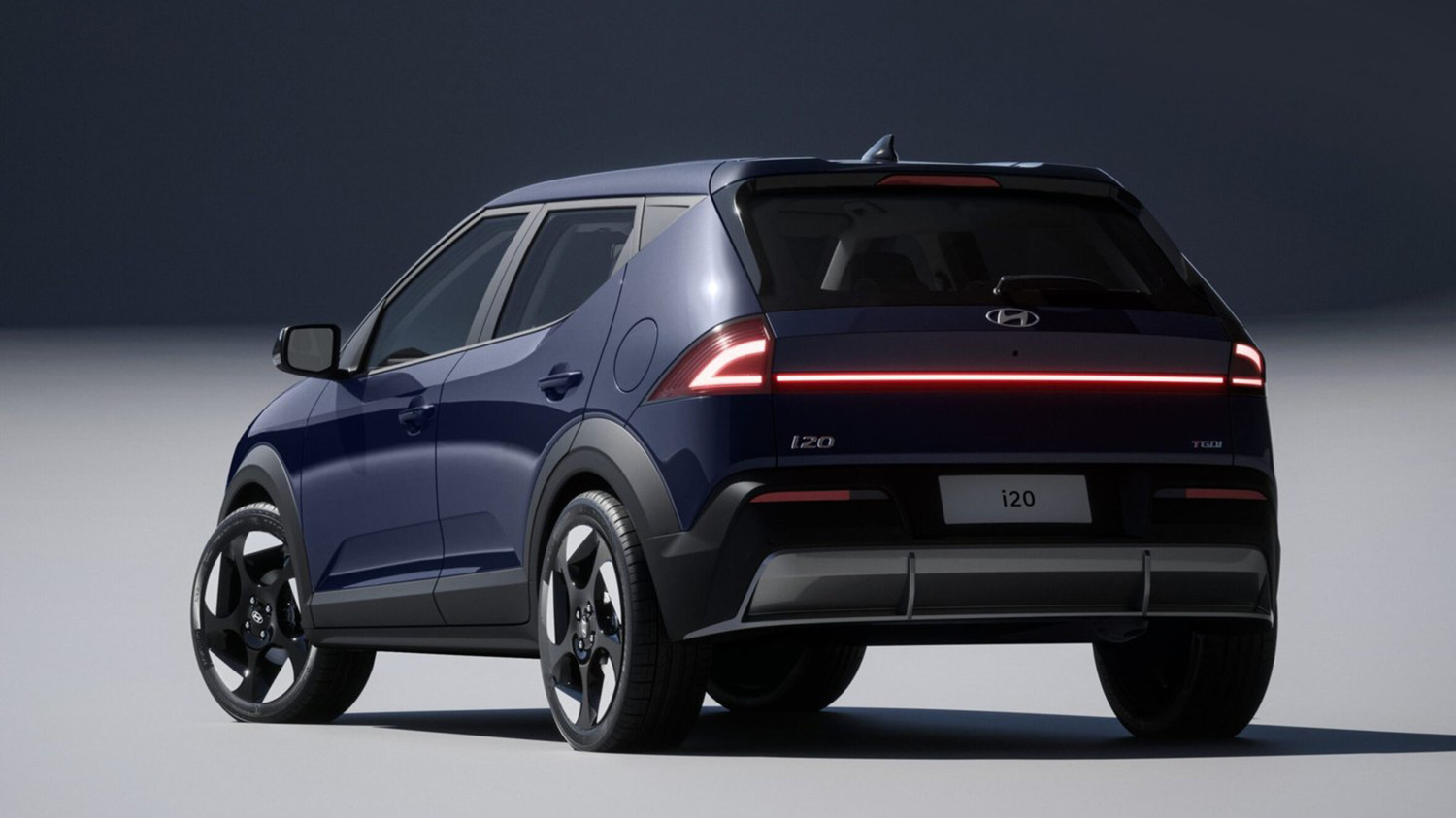



















14Believe it or not, this is the new Hyundai i20. The Korean brand’s simple yet stylish supermini has been transformed with much chunkier, more SUV-inspired looks and an interior that’s designed to feel as spacious as possible. The new i20 also gets a big tech upgrade over its predecessor. The new Hyundai i20 is notably taller and longer than the outgoing model, making it almost exactly the same size as the recently refreshed Toyota Yaris Cross and the Volkswagen T-Cross, both small SUVs. So it’s not a traditional supermini anymore, but considering the ever-growing popularity of SUVs, it's no surprise Hyundai would push things in this direction. Fiat did a very similar thing when creating the chunky new Grande Panda and that turned out great. It’s our reigning Supermini of the Year, in case you forgot, and can be had for less than £200 per month through our Buy A Car service. The i20 is expected to arrive at UK showrooms within 12 months with a price tag of £20,000, similar to the Grande Panda’s £19,000 starting price. The new i20 has been styled according to Hyundai’s latest design language ‘Art of Steel’, which was also responsible for the similarly dramatic new Hyundai Ioniq 3 hatchback revealed earlier this year. In this case, the designers were inspired by the straight edges characteristic of steelwork, which led to the hard lines on the front, side and rear of this car. Despite the black plastic cladding fitted all around the new i20 to give it a robust look, it’s still supposed to have a sporty edge. This is evidenced by the gently sloping roofline, sharply raked rear windscreen and a distinctive window design that curves upwards on the rear door. It’s not the first time we’ve seen Hyundai’s ‘H-Architecture’ lighting signature. The headlight design is supposed to be “a modern reinterpretation of the classic Hyundai logo,” which may be true when you view it in conjunction with the full-width light bar across the front of the car, but we don’t quite see it. At 4,130mm long, 1,495mm tall, 1,780mm wide, and packing a wheelbase of 2,580mm, the new i20’s dimensions are within millimetres of Hyundai’s existing small SUV, the Bayon. However, a new generation of the Bayon is also due soon and, based on images we received of prototypes undergoing testing, it’s going to have a boxier, more SUV-like shape and should offer more space as a result. 14Hyundai says its designers focused on technology and practicality when creating the new i20’s interior. The cabin is certainly a lot more minimalist than the current model’s, featuring far fewer buttons. There do appear to be physical buttons still available on the steering wheel though, and a climate control panel with a big fan speed dial on the dashboard. That dashboard has been designed specifically to maximise space up front, helped apparently by the use of vertical air vents that leave room for storage options and a pair of big displays: a 12.3-inch instrument panel and a 12.3-inch touchscreen. Wireless Apple CarPlay and Android Auto will be standard, and the new i20 will be able to receive over-the-air (OTA) updates. Meanwhile, safety and driver-assistance tech onboard the new i20 includes adaptive cruise control with stop & go, rear cross traffic assist and blind-spot assist. Hyundai claims the amount of room in the back seats will set new benchmarks for small cars in the i20’s price range. It will also offer 346 liters of boot space – about the same as the Yaris Cross – that expands to 1,152 litres when the rear seats are folded down. 14The new i20 has ditched the ‘K2’ platform the current model used and instead has moved onto the ‘K3’ architecture that underpins the bigger Hyundai Kona, plus the Kia Niro and Seltos. That means it could be offered with a choice of petrol and hybrid powertrains, while the Ioniq 3 will cater for anyone wanting a small all-electric hatchback. In Brazil, where the new i20 was unveiled, it’s offered with two 1.0-litre three-cylinder engines with 12-volt mild-hybrid assistance producing either 74bhp or 113bhp. They also have the ability to be run on either petrol or pure ethanol, which is a very popular thing in South America. Versions of the new Hyundai i20 sold in Brazil will be built there but models sold in the UK will be built at the company’s plant in Turkey, where the new Ioniq 3 is also going to be produced. We’re expecting the hatchback-cum-crossover to arrive in Europe within the next 12 months and it is likely to cost around £20,000. If you just can’t wait for the new Hyundai i20, why not check out the Auto Express Buy a Car service for all the latest deals on other new supermini models?