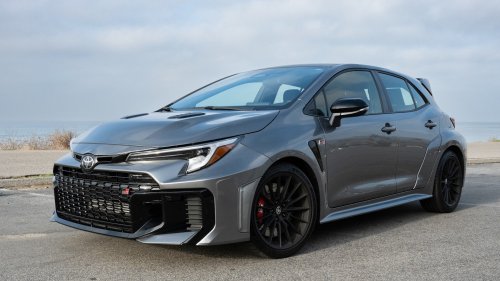
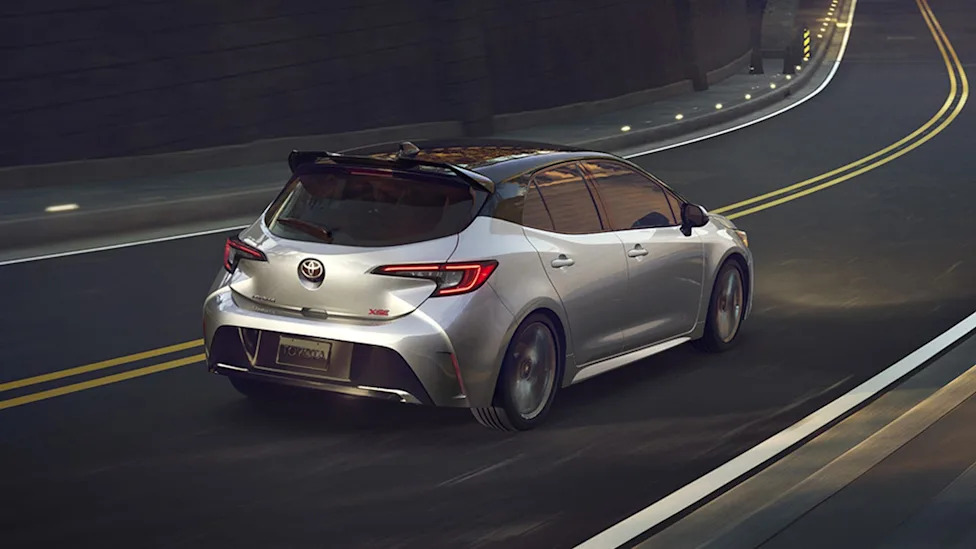
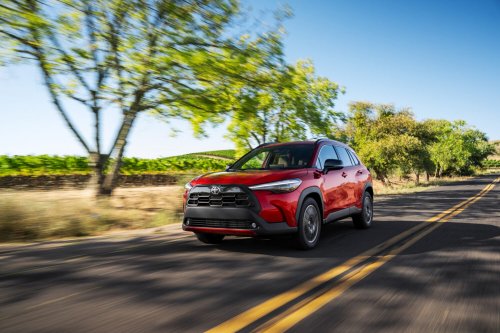
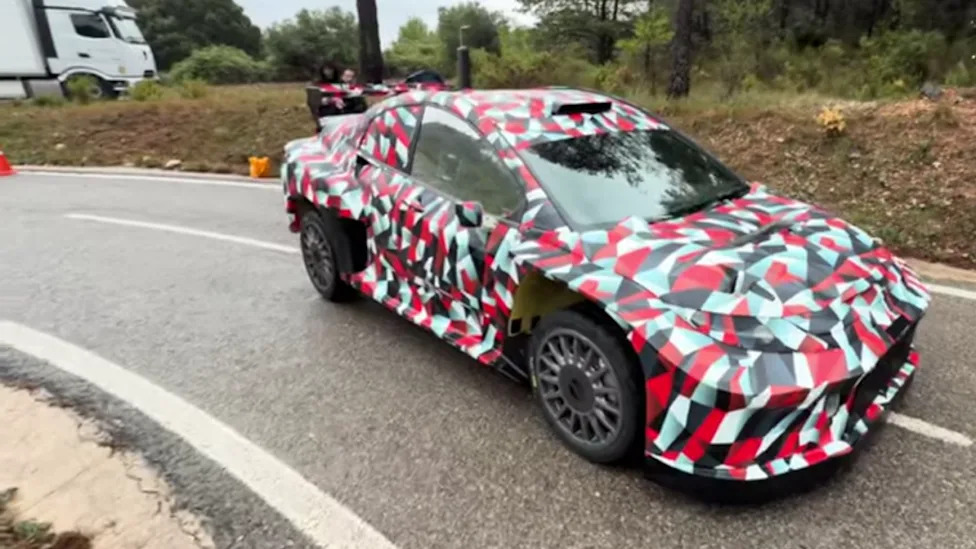
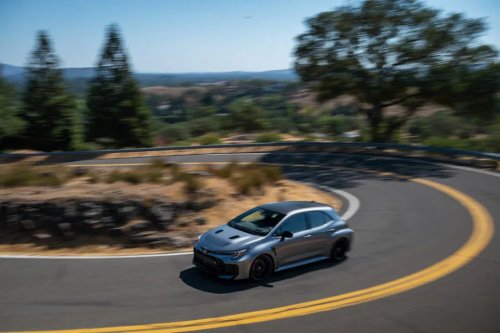
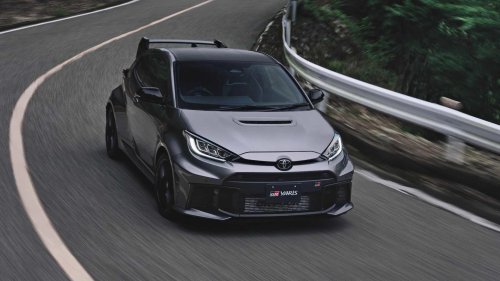
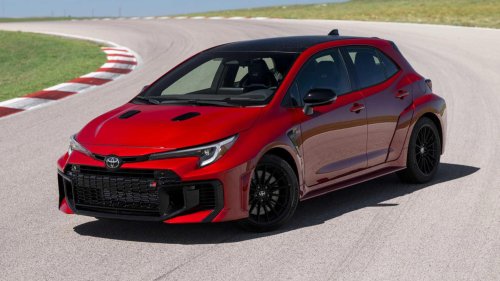
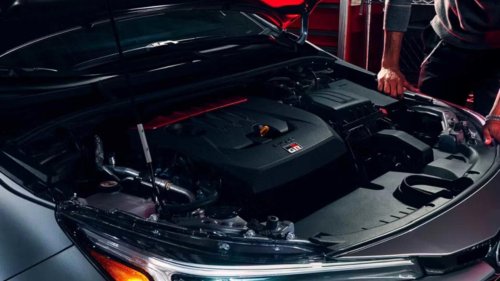
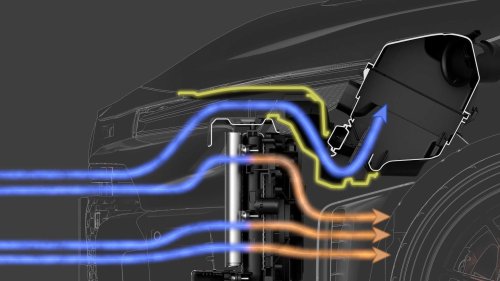
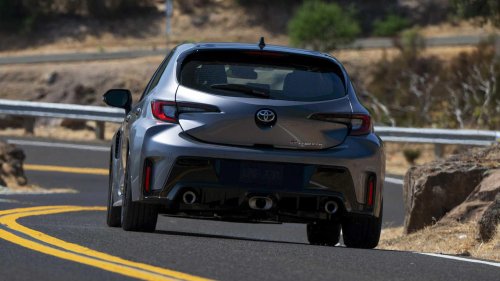
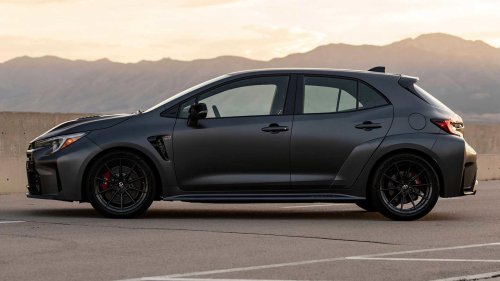
Performance cars come in a wide range of different shapes and sizes. From 1,000+ horsepower hypercars like the Bugatti Chiron to sensible sports sedans like the Volkswagen Jetta GLI, there is something for every budget or pace desire. One of the most versatile and affordable breeds of performance machine is the venerable hot hatch, which tends to take the shape of a front-wheel-drive compact hatchback-style vehicle equipped with a sporty four-pot engine and uprated underpinnings.Some machines though, like the Audi RS3 and Ford Focus RS, take things a step further, and utilize all-wheel drive to enhance traction and stability. Toyota followed the same blueprints with its GR Corolla, though in several ways this creation's design is even more extreme than its rivals. Everything Started With The GR Yaris Toyota This story starts back in 2020, when Toyota unleashed a hot hatch version of its XP210-generation Yaris, the marque's subcompact hatch. It was built as a homologation special based on its World Rally Championship racer, which uses the Yaris' silhouette to tame the world's toughest tarmac and mixed surface rally stages. To build the WRC contender that Toyota wanted, the brand needed to build 2,500 road-going examples based on the modified rally car. Equipped with a small turbocharged three-cylinder engine and an advanced four-wheel drive system, the GR Yaris was released to high acclaim, and has gone on to become one of the most popular hot hatches in the world.Various special edition versions of the car have been unveiled over the last several years, while a facelifted version was unveiled in 2024 as Toyota continually developed its WRC machine. A Lack Of The GR Yaris In The US Led To Something New ToyotaThe only trouble was that North American audiences couldn't have one, since the Yaris had been discontinued from the US market. Recognizing a business opportunity, Toyota instructed its Gazoo Racing operation to get started on making a GR version of the Corolla compact hatch instead, which was available in the US. The finished article was released in 2022, and allowed American drivers to enjoy the amazing performance afforded by a GR-crafted hot hatch.There were a couple of key benefits with the new model over the GR Yaris too. Firstly, the car's longer wheelbase offered greater stability in the bends, while the larger compact body provided some extra space for occupants and cargo. Toyota's Boosted Corolla Also Made More Power ToyotaWhile the GR Corolla used the same G16E-GTS engine, a turbocharged 1.6-liter inline-three, as the GR Yaris, it was modified to produce even more grunt. While the unit kicks out 257 hp in the smaller car, it was tweaked to produce a thrilling 300 hp under the hood of the GR Corolla. A three-pot engine was originally chosen by Toyota to reduce the amount of tax buyers in Japan had to face, as over there the size of the engine has a dramatic effect on the amount of tax you have to pay for.The engine uses an advanced three-piece block design to help maximize the lightweight and compactness benefits of the powerplant, while also ensuring it remains strong. The components used were also tough, with a forged crankshaft and connecting rods being present to deal with the punishment. Lightweight pistons were also utilized, which were constructed with a low-friction surface to aid oil flow, which in turn reduced the amount of heat created. The same efforts went to keeping the turbocharger reliable, as the single-scroll component uses a ball-bearing design to reduce friction, and therefore heat production, within the unit. Toyota even found that placing the wastegate control valve close to the turbocharger within the exhaust manifold reduced turbo lag, enhancing the crispness of the engine's power delivery. Cooling Was Also Crucial ToyotaA key element in ensuring an engine produces plenty of grunt, while also remaining reliable, is making sure it breathes properly, as well as keeping cool. To this end, the G16E-GTS was graced with specially-designed CNC ported intake ports that featured increased valve angles, which allowed for superior fuel mixing to create more grunt. A freer-flowing exhaust design was also employed, while the car's battery was placed in the rear to allow for a beefier air intake system. Toyota's advanced engineering didn't end there either, as the cylinder head was equipped with two cooling jackets rather than the usual single entry point. This allowed for greater heat dissipation, while more oil squirters were employed than usual to make sure the engine got all the oil it needed.These various methods were mostly garnered from the learnings of Toyota's WRC program, and allowed for the GR Corolla's engine to not only provide excellent grunt while being compact and light, but also remain tough and dependable. This durability allowed Toyota to afford the GR Corolla more boost to increase its power output, alongside other upgrades like an extra tail pipe to reduce back pressure. The GR Corolla's AWD System Is Fascinating ToyotaThe GR Corolla is so much more than a small-but-mighty engine. Its MacPherson Strut front and multilink rear independent suspension arrangement was finely tuned by Gazoo Racing to ensure the car was agile but balanced when shown a bend, while the advanced AWD setup developed for the GR Yaris also found its way onto the Corolla. Wanting its road-going pocket rockets to handle like rally cars, the system features dynamic power distribution. To nail the fine line between agility and stability, which depends on how the car is being driven and the sort of surface you're tackling, the setup can utilize a distribution of either 60:40 front to rear, 50:50, or a more rear-biased 30:70 setting.Drivers can switch between these different modes, but for more rear bias, Track mode is required. The system works by using an electronically-controlled multi-plate clutch to vary torque distribution between the front and rear axles by adjusting clutch lock-up, another advancement developed in the muddy world of rallying.The system's rear axle is oversped by a slender 0.7% versus the front, allowing it to utilize extra torque. Interestingly, in 30:70 form, for example, the clutch can slip the front axle and essentially take power away from the front wheels. This leaves the rears spinning faster, affording a rear-biased balance, but without having to send more of the engine's torque directly to the rear tires. It's a rather confusing setup, but it works to afford the car greater range when on power, but without giving up stability. The GR Corolla Isn't As Expensive As You Might Think ToyotaConsidering all the advanced engineering thrown at the GR Corolla, you might think you'd have to bankrupt yourself to afford yourself the chance to own one. In reality, though, you can buy one for well less than the cost of an entry-level luxury crossover. The base version, which comes with an engaging six-speed manual transmission, demands just $39,920 from your bank account, while the optional eight-speed automatic unit adds an extra couple of grand to this figure.If you desire some extra toys for your daily commute, such as a heated steering wheel and seats, then you'll need to splash out just over $45k to get the Premium Plus version. That said, you'll have to accept that the Corolla's cabin won't be as plush and well-built as a luxury-focused machine, though who really cares when you're laying down your money to secure a rally car for the road. Whether you find yourself on a public road or a closed track, the GR Corolla will show you what proper practical performance entails.Sources: Toyota.



















 +12 others