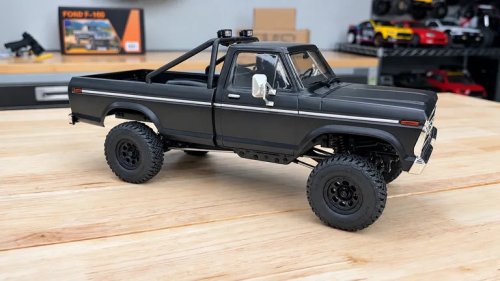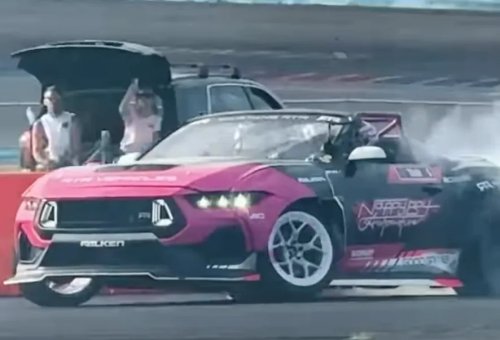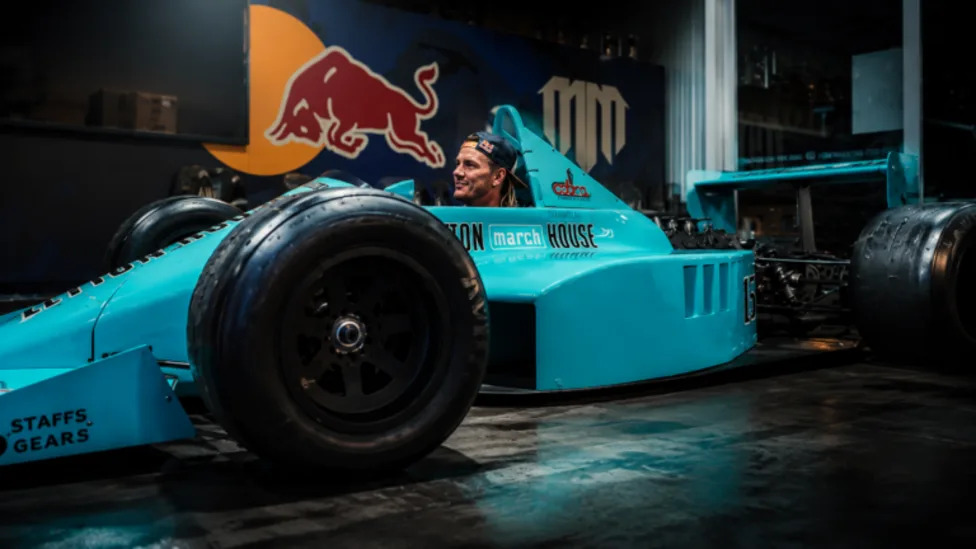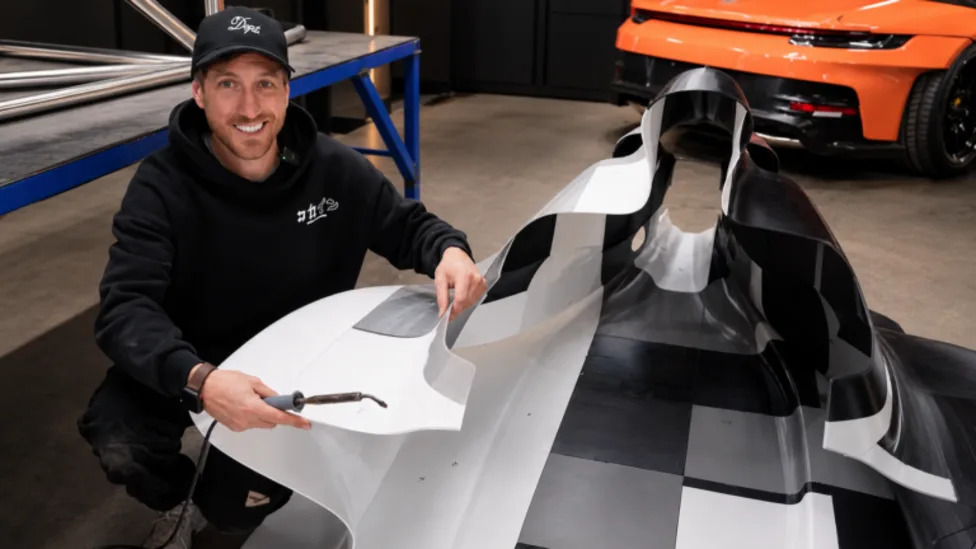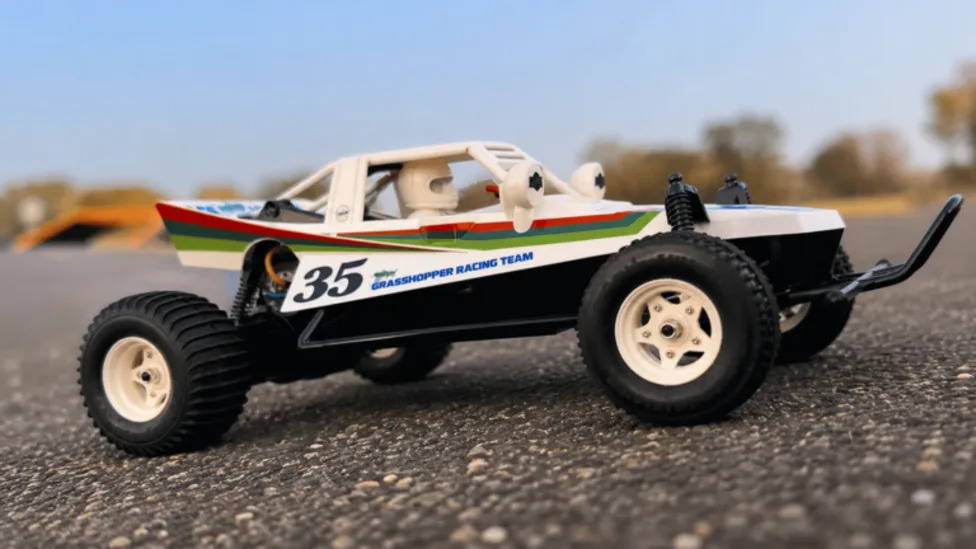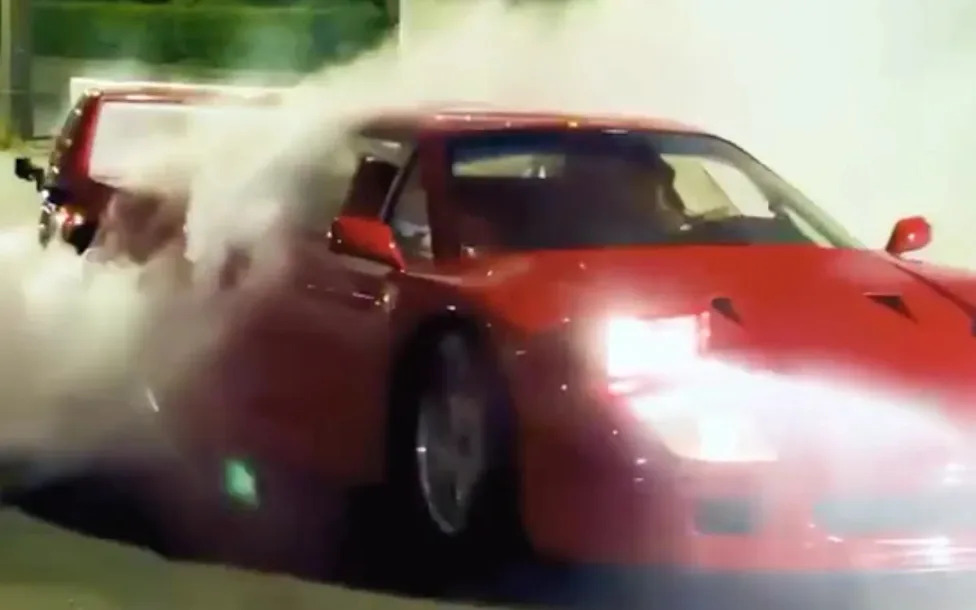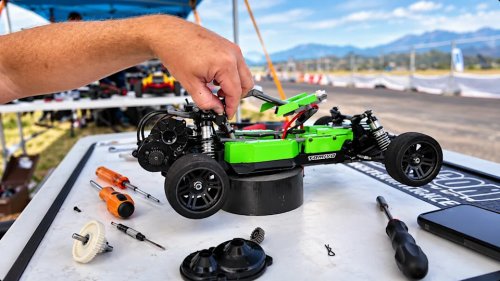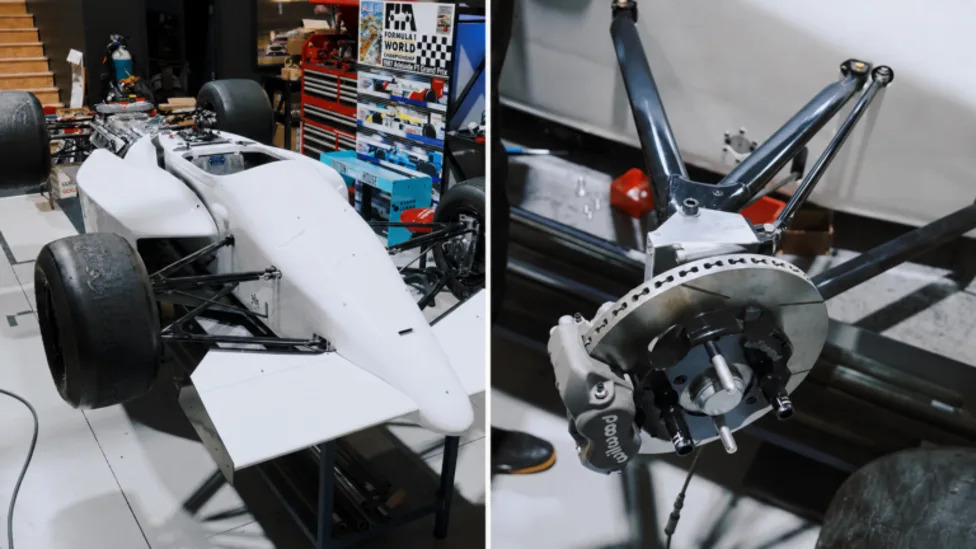


















How Mad Mike Used a Tamiya RC F1 Car to Solve His F1 Drift Car’s Steering ProblemWhen New Zealand drifting icon Mike Whiddett – known to the motorsport world as Mad Mike – announced he was converting a Leyton House March 87P Formula 1 chassis into a rotary-powered drift car, most people's first question was about the engine. The team's first real problem was the steering.Formula 1 cars are built with a singular focus – maximizing speed on long straights and high-speed corners where downforce and aerodynamic grip carry the bulk of the load. At a normal circuit, a Formula 1 car runs roughly 17 degrees of steering lock. Even for Monaco – the tightest street circuit on the calendar – teams go through significant engineering effort just to push that figure toward 20 degrees, which involves cutting suspension wishbones to prevent contact with the wheel rim. A drift car, by comparison, needs something closer to the 65 degrees that aftermarket knuckle kits deliver on a platform like the Mazda MX-5 or Ford Mustang. The gap between those two numbers… well, that's an issue.Billet Knuckles, a Modified Rack, and a Tamiya Test Mule"Steering is number one priority when it comes to drifting," Whiddett says in he latest video. The March 87P's stock geometry provided virtually no workable basis for drifting, obviously ruling out any standard bolt-on approach from the start. The team machined bespoke billet knuckles entirely from scratch – designed to interface with the original control arms, accept Mazda four-stud hubs carried over from a MX-5, and accommodate a custom brake package. The team modified the steering rack internally, adding more teeth to extend its total range of movement. This isn't the kind of car that comes with a parts catalogue, it turns out.AdvertisementAdvertisementTo validate the concept before committing machining hours to the full-size car, Whiddett turned to a 1/10th-scale 1990 Tamiya F1 Nigel Mansell replica he had lying around. The remote-controlled car saw an identical core issue from the outset: virtually no steering range whatsoever. The servo was reversed, a longer horn installed, and the knuckle geometry reworked at small scale to replicate the adjustments the team was working through on the full-size chassis. "The F1 RC car had freaking zero steering lock. So by flipping the servo upside down, putting a longer horn on it gives it exactly what we were trying to do here with making more teeth in the rack gives it more throw," Whiddett explained. The RC experiment worked well, so the real work began.Whiddett is under no illusions about how far outside the original design brief the project sits."This is not designed to do what we want it to do. But we're just trying to make it work," he says. The March 87P was built in 1986 as a Formula 3000 machine before being hastily adapted for the 1987 Brazilian Grand Prix when the successor car wasn't ready in time. The car rolled out of the factory destined for Formula 1 competition, meaning a turbocharged rotary engine pushing around 1,000 horsepower, extreme drift applications, and steering demands exceeding 60 degrees were never part of its design brief – and it never even turned a wheel in the race it was built for.The project has advanced to the milestone of the rotary engine's first startup, with dynamometer testing now on the horizon. Whiddett was away on a film shoot when the engine first ran, but got a happy confirmation of it working over the phone. He considered abandoning the rest of the trip on the spot.