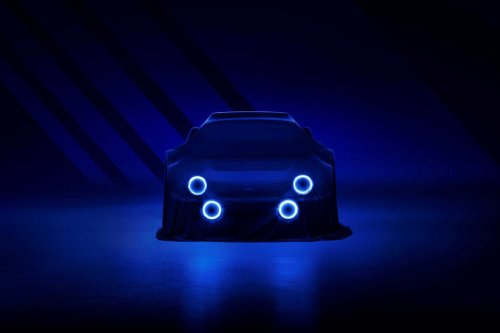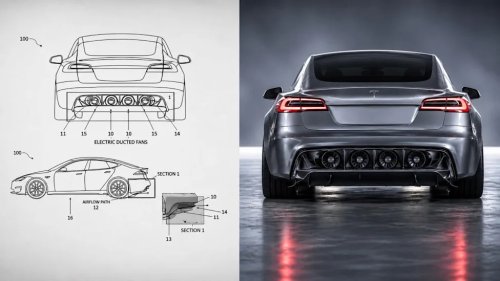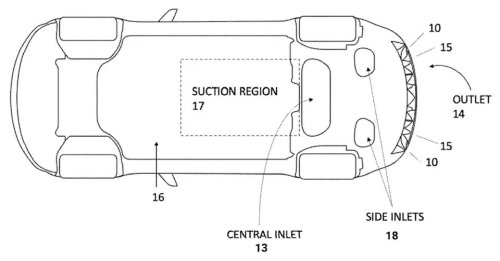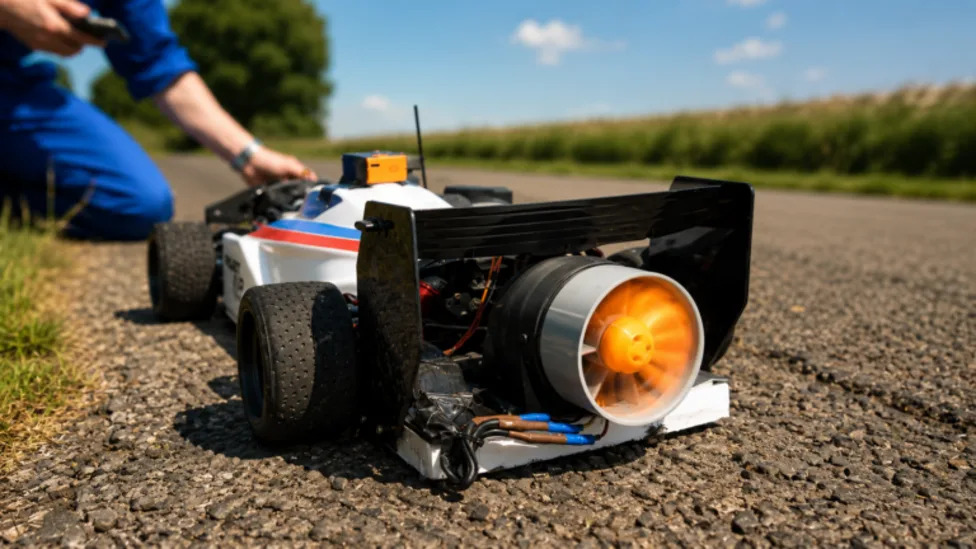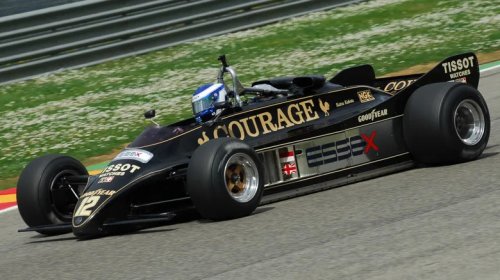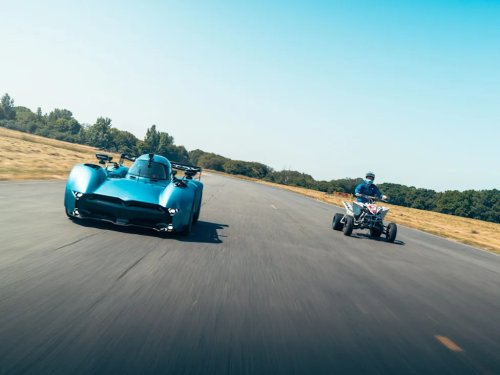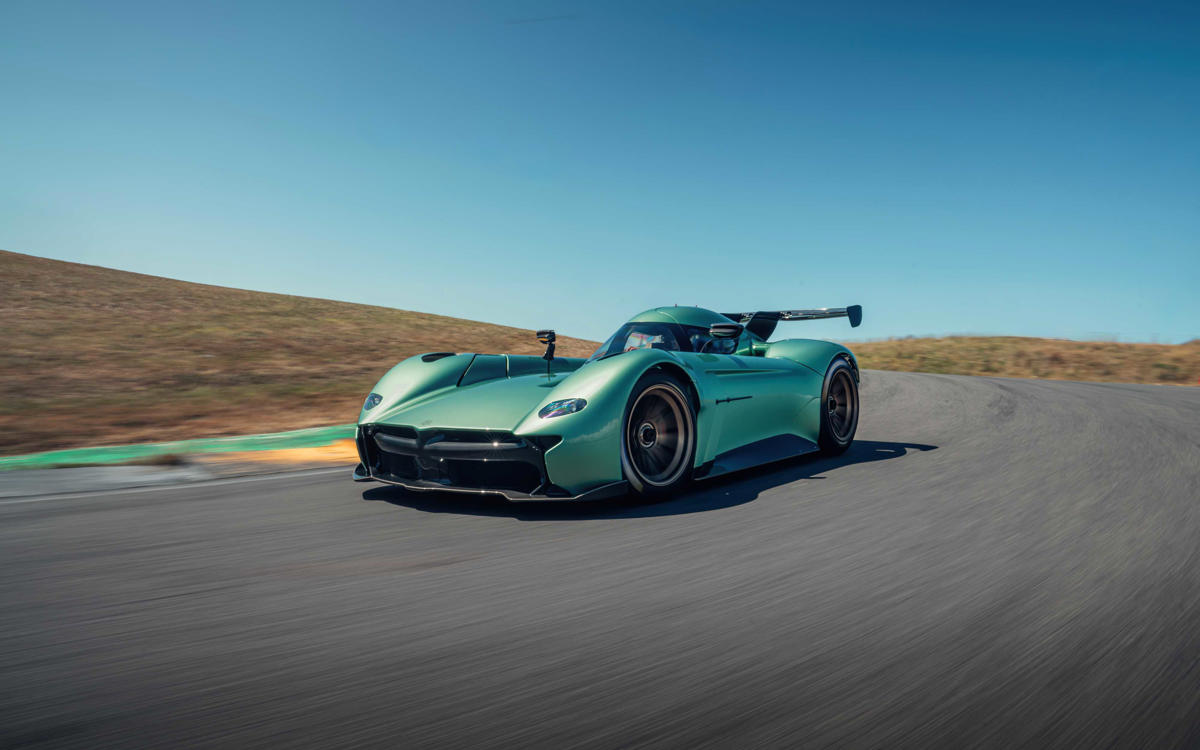
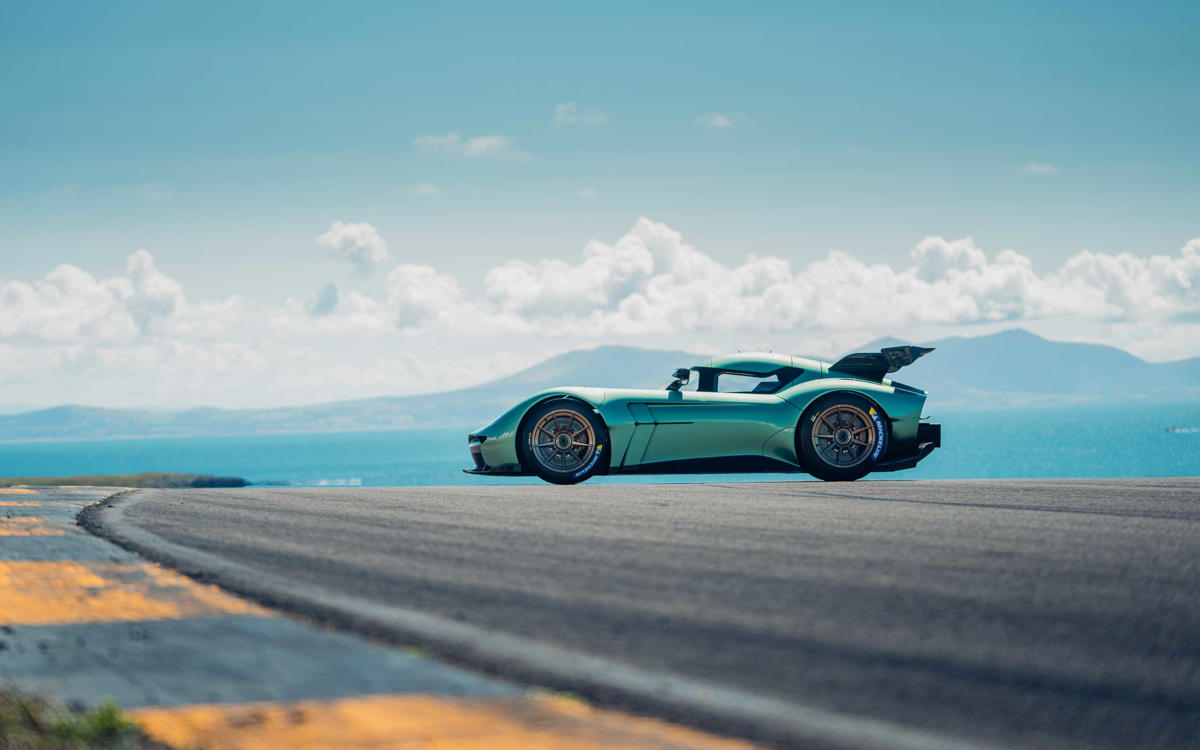
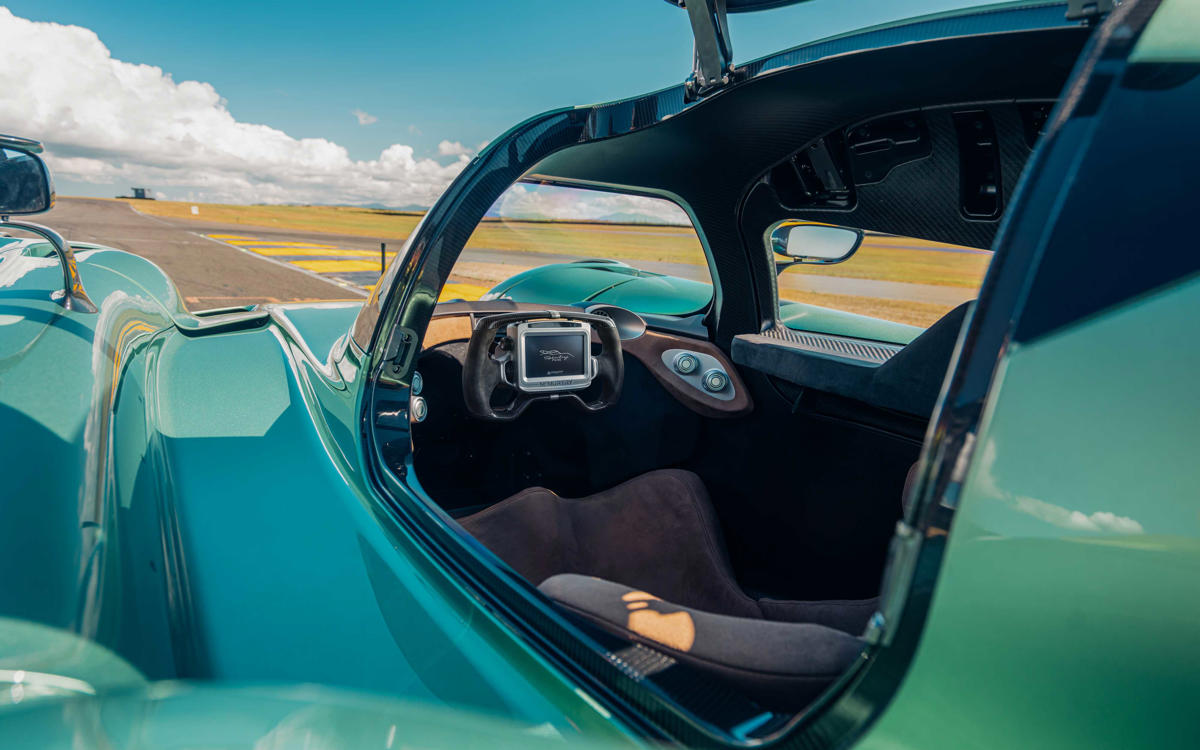



















In 1978, Formula 1 team Brabham showed up to the Swedish Grand Prix with a car that had a giant fan bolted to its tail. The fan pulled air out from underneath the BT46B and sucked the car onto the track, generating downforce without the drag caused by a wing.The late Niki Lauda won the race behind the wheel of the Brabham car, but rival teams led by Lotus immediately protested the design, arguing it threw debris at other drivers. Under intense pressure and threats of a team boycott, Brabham voluntarily withdrew the BT46B, with the FIA officially banning fan-generated downforce devices shortly after. No Formula 1 car has used one since.McMurtry Automotive, the UK manufacturer co-founded in 2016 by the late engineering pioneer Sir David McMurtry and former Formula 1 engineer Thomas Yates, is reviving the fan idea almost 50 years later, minus the controversy. The Spéirling PURE is the production version of the original Spéirling, the prototype that already holds records at Goodwood and on the Top Gear test track. It will make its global debut at The Quail in Monterey, California, on August 14th.Brabham's fan car lasted one race before F1 shut it down. McMurtry took the idea Brabham was never allowed to develop and, with input from its earliest customers, turned it into a full-production hyper-track car. From prototype to production Nearly every part is new McMurty Spéirling PURE (1)McMurtry said the production Spéirling PURE has 95% new components compared to the prototypes that set records at the Goodwood Festival of Speed hillclimb and on the Top Gear test track.The biggest change is the battery. Capacity grew from 60 kWh in the prototypes to 100 kWh in the production car, using Molicel P50B NCA 21700 cells, extending how long the car can run on a single charge. The regenerative braking system now recovers up to 200 kW at any state of charge, while the new Helix drive motors deliver extra torque via an upgraded gearbox.McMurtry relocated the powertrain cooling system from the rear to the front of the Spéirling PURE. The company said doing so improves efficiency and aerodynamics, even as the car grew slightly to accommodate the larger battery (the wheelbase went from 78.7 to 86.6 inches on account of the battery).The carbon fiber monocoque is new too, built to meet global motorsport safety standards. It adds elbow and legroom in the cabin, a wider door opening, and a repositioned A-pillar for a clearer view out. The secondary door is now hinged with wider spacing, making it easier to get in and out. The fan system that makes it stick to the track Downforce, even when standing still McMurty Spéirling PURE (11)McMurtry calls its version of the fan car concept Downforce-on-Demand. Fans at the rear of the car draw air out from beneath it, while a skirt around the car's perimeter seals the low-pressure area against the ground. Together, they generate up to 4,400 lbs. of downforce, available from zero mph, long before the car is moving fast enough for a normal wing or diffuser to be effective.For Spéirling PURE production, McMurtry redesigned the fan blades for durability and moved the fan motors to improve the car's center of gravity. The skirt system also picked up an onboard air compressor. Where prototype Spéirling models needed an external air bottle to charge the system, the production car's skirt retracts automatically when loading onto a trailer or moving through the pits.Meanwhile, a new swan-neck rear wing includes a small storage compartment underneath for a helmet and a HANS device, the head-and-neck restraint drivers wear for crash protection. McMurtry said other track day safety features include headlights, brake lights, turn signals, and hazard lights. 1,000 horsepower and 3g in the corners Steering updates for better driver feedback McMurtry AutomotiveThe Spéirling PURE is rated at 1,000 horsepower, enough to push the car from 0 to 60 mph in 1.55 seconds (with one foot roll out) and to a top speed of 190 mph. All of that power comes from a twin-motor, rear-wheel-drive setup with an electronic differential, in a car that weighs around 2,980 lbs., depending on options. Cornering and braking forces reach 3g, a level normally reserved for GT prototype race cars and Formula 1.McMurtry swapped the electric power steering for a hydraulic system with Formula 1-style valving for greater control, aiming for a lighter steering feel and greater driver feedback. Suspension travel increased too, along with a 20% increase in ride height when the suspension is in use. Tires grew wider, 11% up front and 3% at the rear, with taller sidewalls for a smoother ride over bumps.McMurtry designed the Spéirling PURE to run 25 to 31 miles at the pace of an LMP2 race car before the battery needs a charge. A full charge from 20% to 95%, according to McMurtry, takes anywhere from 20 minutes to an hour depending on the charger and the outside temperature. Production run and where to see it first No more than 100 examples of the Spéirling PURE will be built, priced from £995,000 (about $1.3 million) before options, taxes, and shipping. First customer deliveries are set to begin later in 2026.The Spéirling PURE will make its global public debut at The Quail, A Motorsports Gathering, on August 14th, the same day Hennessey is revealing its new Blackbird hypercar. From there, the Spéirling PURE heads to Laguna Seca Raceway on August 15th for Monterey Motorsports Reunion, followed by a tour of McMurtry dealer partners and tracks across the United States.Ideally, a single skilled driver and a technician can operate the Spéirling PURE, though full factory support is available to owners who want it. The car is eligible for GT1 Sports Club events, Global Time Attack in the U.S., and European Time Attack Masters events, including at the Nürburgring GP circuit.