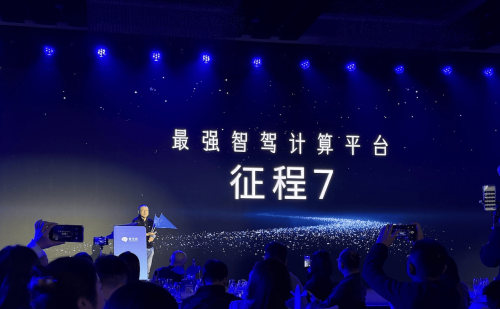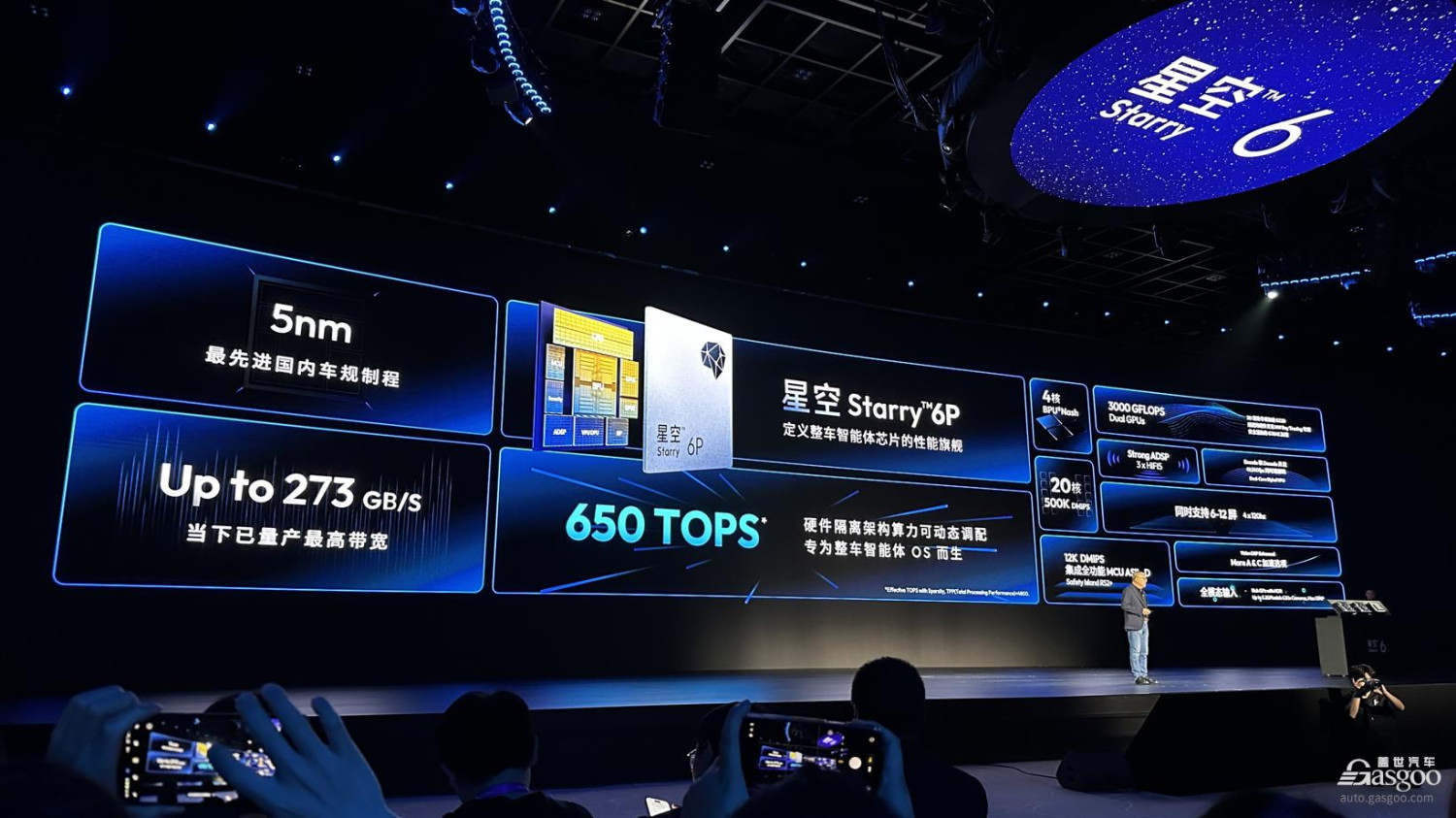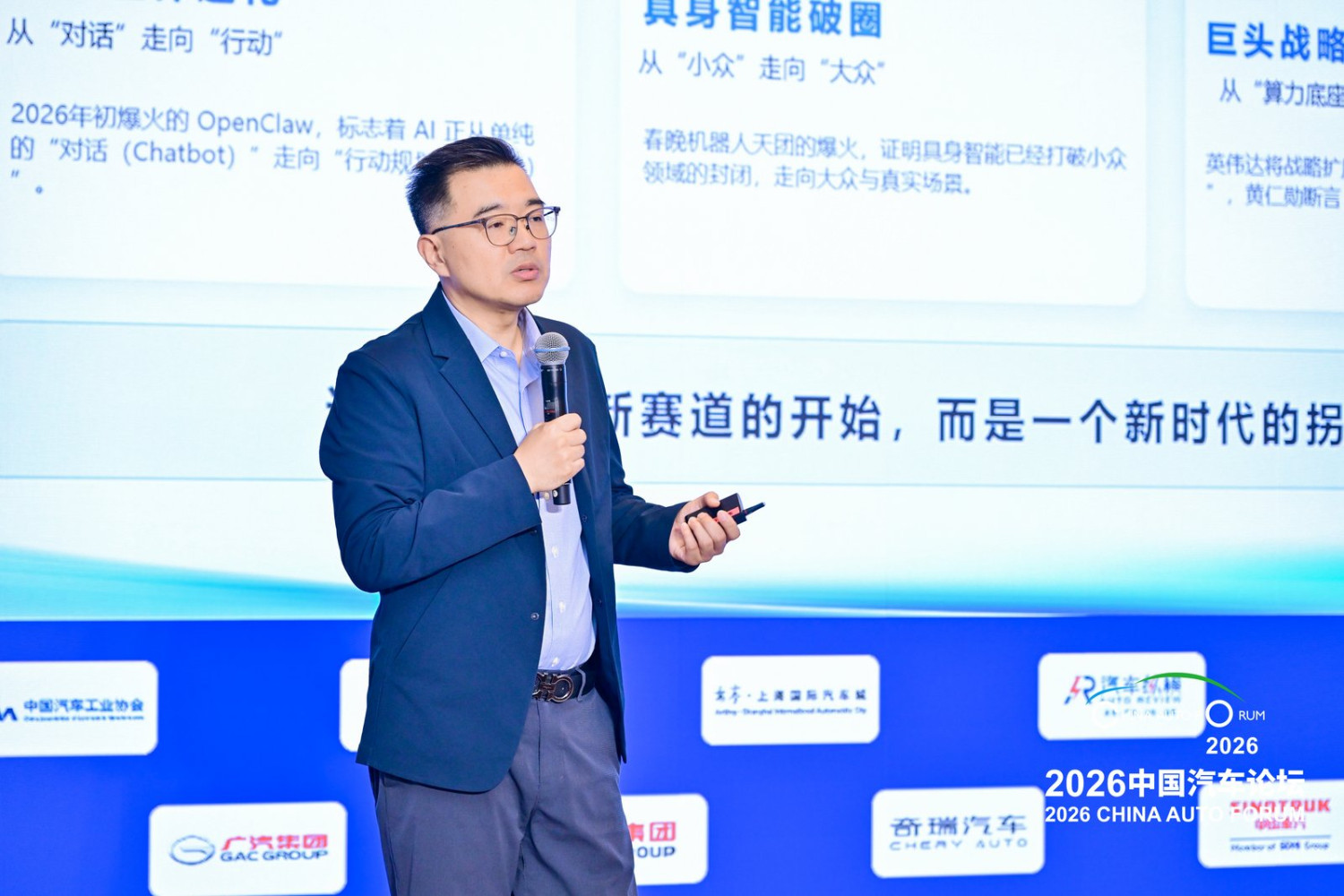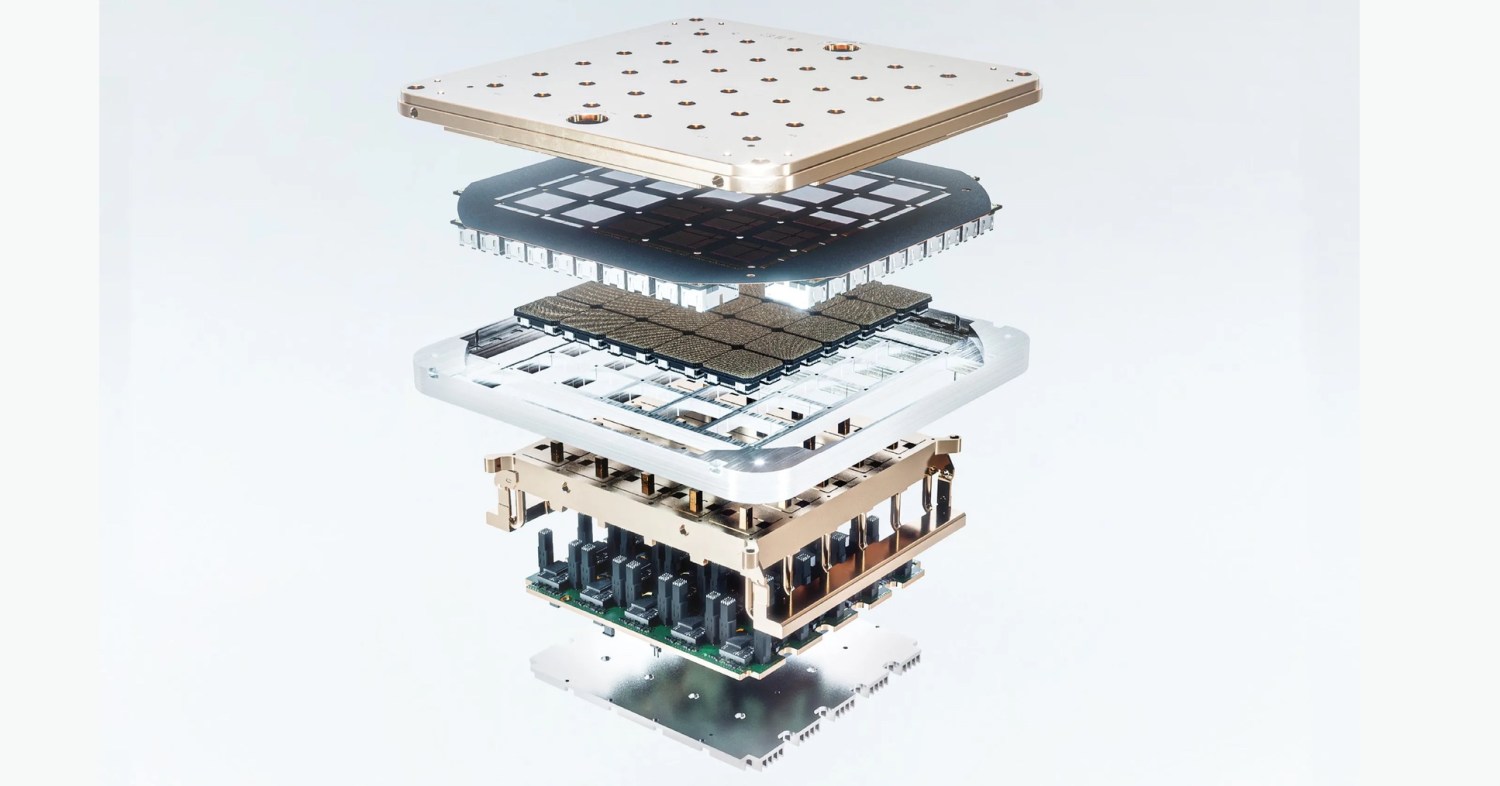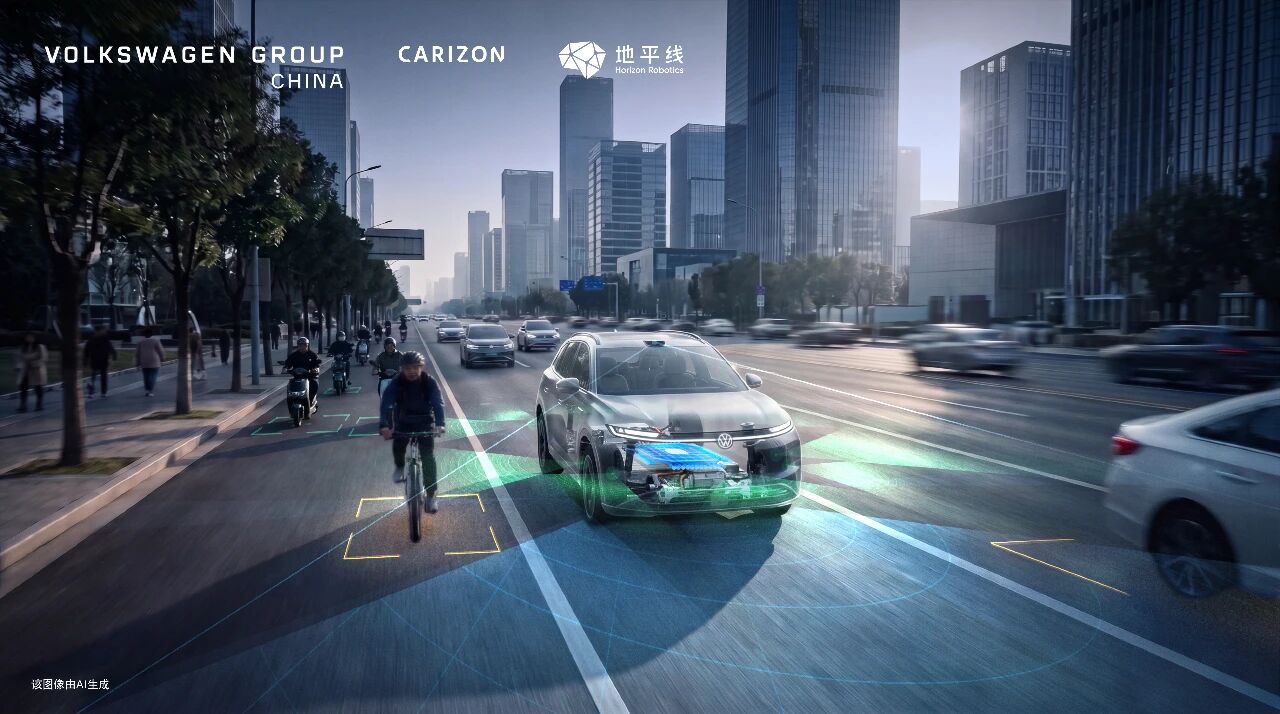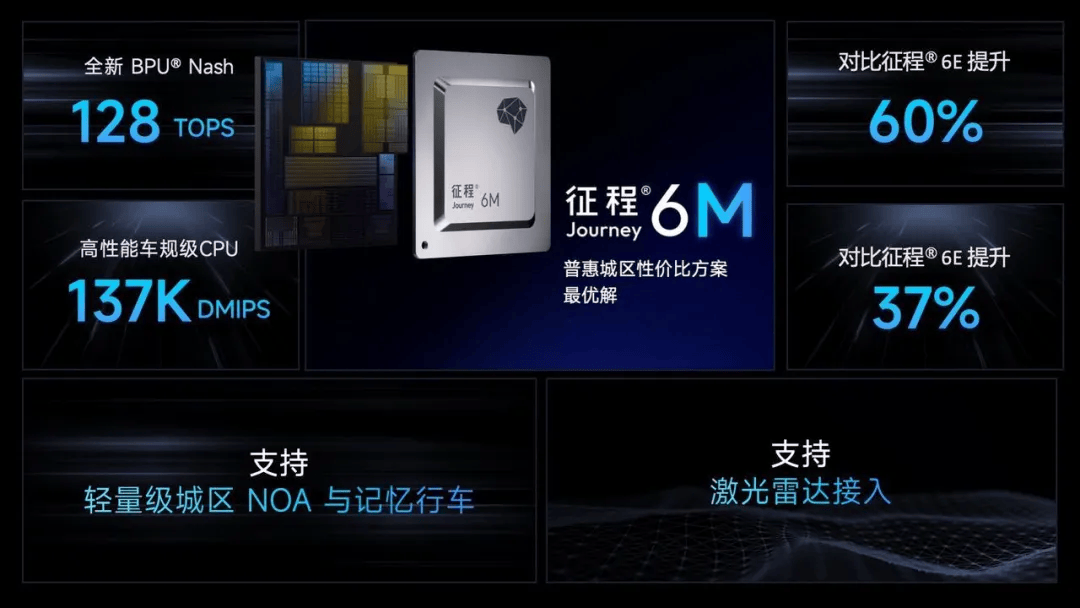
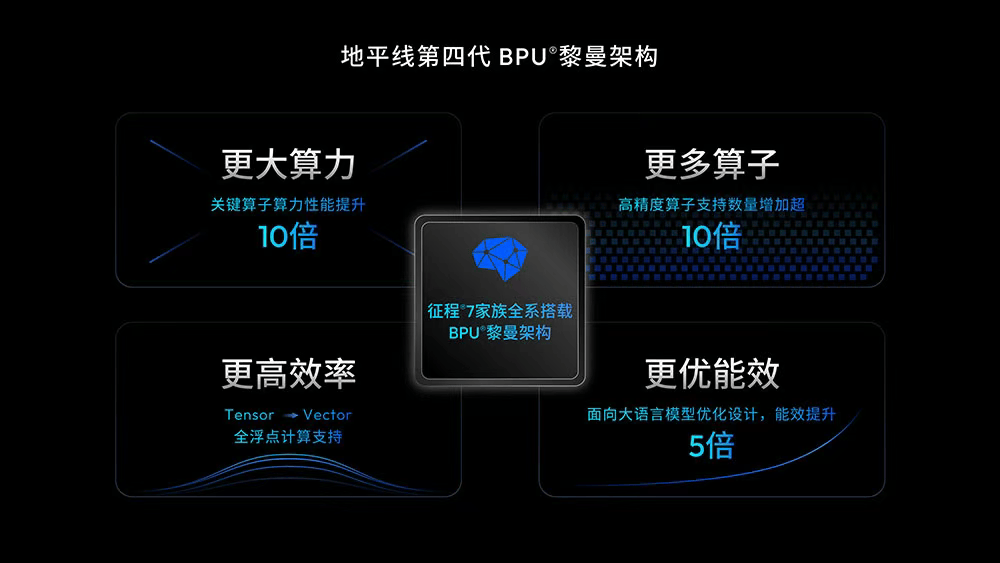
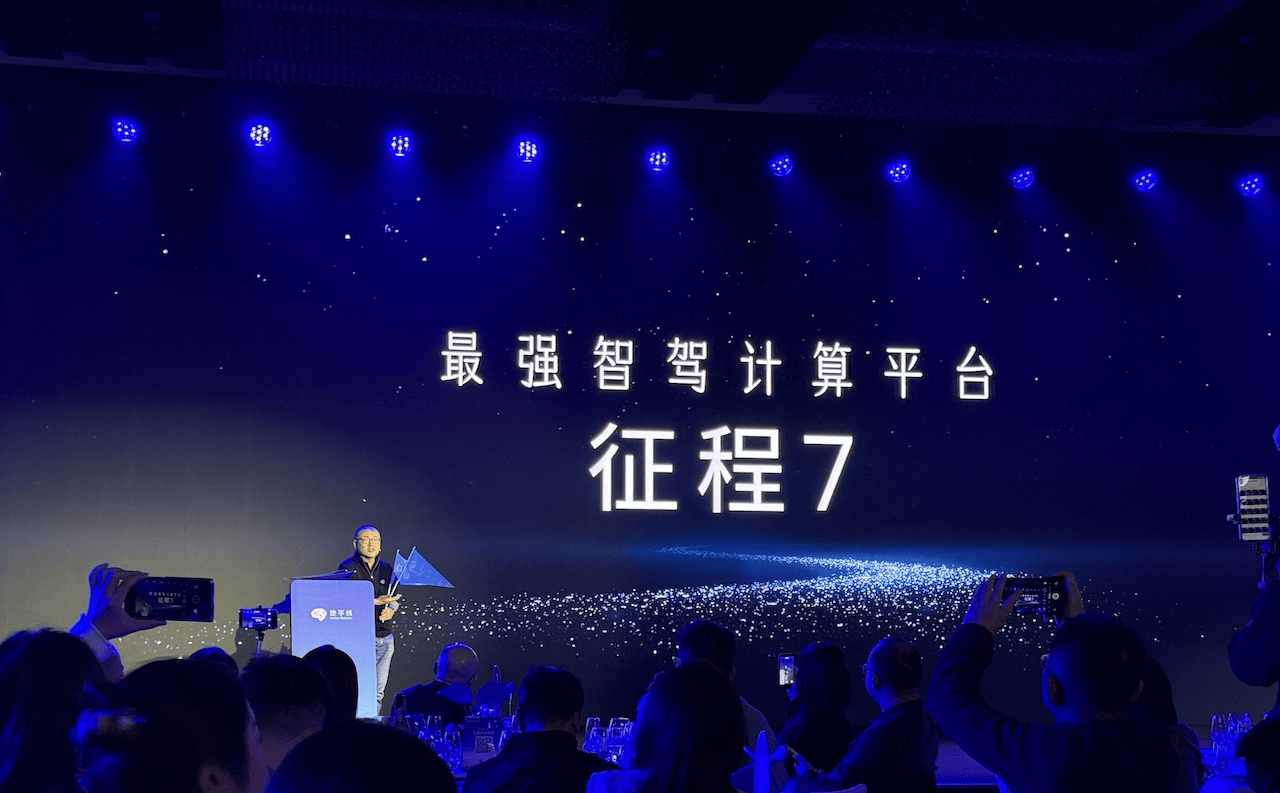



















From J6 rollout to J7 planning, Horizon is shifting toward algorithm-led chip design. Horizon Robotics is preparing its next-generation autonomous driving chip, the Journey 7 (J7) series, according to a Chinese media report. The highest-performance variant, J7P, is targeting compute performance significantly exceeding Nvidia’s Thor-X, with mass production planned for 2027. Similar to the current J6 lineup, the J7 series will maintain a family-based product strategy, but with a notable shift in product definition. Unlike J6, which was primarily driven by the chip development team, J7 is being led more by algorithm teams. Horizon Robotics’ Journey 6M Horizon CEO Yu Kai previously indicated that Journey 7 will adopt the company’s fourth-generation BPU architecture, codenamed “Riemann,” designed to benchmark Tesla’s AI5 chip. This architecture is also being deployed in the C7H chip developed by Horizon’s joint venture with Volkswagen, CARIZON, which is based on a 3–4 nm process and delivers approximately 500–700 TOPS per chip. Horizon Robotics’ fourth-generation BPU architecture, “Riemann.” Across the industry, high-end autonomous driving chips are approaching the 1,000 TOPS threshold. Nvidia’s Thor-X is estimated at around 1,000 TOPS, while NIO’s in-house Shenji NX9031 is reported to be in a similar range. XPeng’s Turing AI chip delivers around 750 TOPS, while Li Auto’s Mach 100 achieves an effective compute performance of 1,280 TOPS per chip. The push for higher compute reflects the transition from L2 to L4 autonomous driving. Industry estimates suggest that in-vehicle compute requirements will need to scale from several hundred TOPS to 1,500–2,000 TOPS, implying a three- to fivefold increase in R&D and deployment costs. The early development of J7 is positioned to address this next phase. Horizon CEO Yu Kai teases Journey 7 In the near term, Horizon remains focused on the rollout of its J6 series. The J6 lineup, particularly the J6P targeting higher-level driving scenarios, is being introduced into mass production programs with automakers including Chery and Changan, while its HSD model has recently entered scaled deployment. In parallel, Horizon is also advancing its cockpit-driving integrated chip, “Starry Sky,” designed to support on-device execution of large-scale cockpit models. The chip is scheduled for release in April this year, with mass production planned within the year.