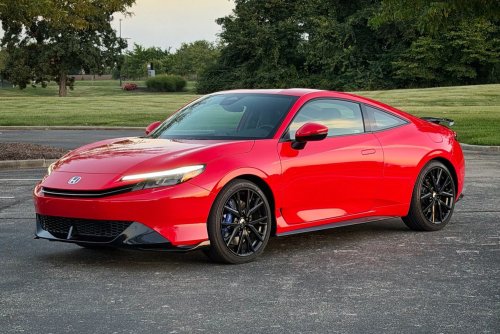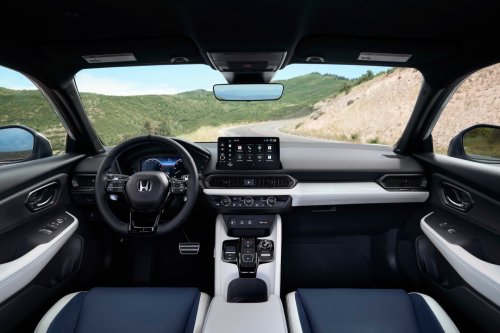



















Honda is bracing for its first annual net loss since it went public in 1957, as a sweeping reset of its electric vehicle strategy triggers a massive one-off charge. The company now expects to swing from profit to a deficit after booking expenses tied to underperforming EV assets and programs. The automaker has warned that it could lose as much as 570 billion yen, or $3.6 billion, in the current financial year, a reversal driven by a reassessment of how quickly battery-powered cars will pay off and where demand is actually materializing. From profit plan to deep in the red Honda had previously guided investors to a solid annual profit, but now says it expects a net loss of up to 570 billion yen after a detailed review of its global EV business. The projected shortfall, equivalent to $3.6 billion, marks a sharp downgrade from an earlier outlook that had assumed a profitable year and underscores how quickly sentiment around battery-only vehicles has cooled. At the heart of the revision is an expected charge of up to $15.7 billion linked to the company’s electric strategy, according to Honda Motor and its updated forecasts. The figure, described as expenses and losses tied to EV programs, instantly turns what had been a steady earnings story into one of the largest single-year hits in the company’s history. Honda’s own communication frames the move as the outcome of a broad internal assessment of its electrification plans. In its official statement titled honda announces losses with the Reassessment of Automobile Electrification Strategy, the company describes a structured review that led to a Revision to the forecast for Consolidated results. EV rethink with a global price tag The financial damage is rooted in a broad rethink of how and where Honda should compete in battery-electric models. Executives have effectively concluded that some planned vehicles will not earn an acceptable return, prompting cancellations, write-downs, and a reset of production footprints. The expected charge, which the company pegs at almost $16 billion, reflects that reset across multiple markets. Honda warned that it expected to book losses of almost $16 billion in the current fiscal year as part of an Electric vehicle rethink, including changes to the rollout of certain electric models in Japan and other regions. Company figures indicate that roughly $15.7 billion of that amount is directly tied to EV-related assets, from platforms and plants to supplier contracts. Honda has indicated through several disclosures that the $15.7 billion cost is concentrated in its EV operations, which have struggled to match earlier expectations for demand and pricing. That price tag puts Honda among the most aggressive of the legacy manufacturers in acknowledging that early EV bets have not delivered. It also aligns the company with a broader industry pattern in which major automakers are trimming or delaying battery-only projects and shifting some focus back to hybrids. First loss since listing and market reaction The projected full-year deficit would be the first time Honda has posted an annual loss since it listed on the stock market in 1957. A company spokesperson confirmed that historical milestone as part of a disclosure that its US-listed shares fell after investors absorbed the scale of the hit tied to a $15.7bil EV charge. The swing from a previously expected profit to a loss has also reshaped the market’s perception of Honda’s near-term earnings power. Commentary around the updated forecast notes that the company had been targeting a net profit of 550 billion yen before the reassessment, a figure that now looks distant in light of the expected loss. The warning also places Honda at the center of a growing recognition that the global EV market is entering a more difficult phase. Industry data and company statements point to slower growth in some key regions, persistent price pressure, and rising competition from lower-cost rivals. Signals from the EV downturn Honda’s announcement arrives as other automakers confront similar challenges in battery-only segments. Executives across the sector are grappling with a writedown trend that suggests the first wave of EV investment was more ambitious than the current market can sustain. Honda Motor Co has explicitly linked its decision to a broader global EV downturn, noting that it expects charges of up to $15.7 Billion from its overhaul. The company’s framing suggests that management now sees a slower, more uneven adoption curve, with some markets embracing full battery vehicles and others leaning more heavily on hybrids and efficient combustion engines. For investors, the episode reinforces the risk that large-scale EV programs can rapidly swing from strategic assets to balance sheet burdens. Honda’s move may prompt peers to revisit their own assumptions about utilization rates for EV plants, battery sourcing contracts, and long-term demand forecasts. Inside Honda’s reassessment Honda’s internal review appears to have been extensive, covering product plans, manufacturing footprints, and partnerships. The company’s description of its work as an assessment of its electrification strategy suggests a methodical process rather than a quick reaction to quarterly numbers. Among the likely outcomes is a more selective approach to fully electric models, with greater emphasis on regions and segments where Honda can price competitively. Reports tied to the EV rethink mention adjustments to the rollout of specific vehicles in Japan and other markets, as well as potential changes to joint ventures and supplier relationships to contain risk. The company has not detailed every program affected, but the scale of the charge implies that multiple platforms and factories are involved. That raises questions about future volumes for existing EVs and whether Honda will prioritize hybrids and plug-in hybrids as a bridge technology in key markets. What it means for drivers and rivals For consumers, the immediate effect may be less visible than the headline numbers suggest. Current owners of Honda EVs and hybrids are unlikely to see changes to service or warranties, but future model lineups could shift as the company reallocates capital. Potential buyers may encounter a narrower range of battery-only options in the short term, particularly in price-sensitive segments where Honda has historically relied on high-volume compact cars. At the same time, the manufacturer may double down on well-known hybrid nameplates, leaning on its engineering strengths in fuel-efficient drivetrains while it recalibrates its battery strategy. Rivals will be watching closely. If Honda successfully absorbs the $15.7 billion hit and emerges with a leaner, more targeted EV plan, other automakers facing similar pressures might follow with their own large one-time charges. The episode also carries a message for policymakers and suppliers. For governments that have set aggressive EV adoption targets, Honda’s experience illustrates how quickly corporate plans can change when market conditions shift, while suppliers tied heavily to battery-only platforms may need to diversify as manufacturers like Honda reset their commitments. The scale of the projected loss, the first in nearly seven decades as a listed company, marks a turning point for Honda and a warning shot for the wider auto sector. How the company executes on its revised electrification roadmap will help determine whether the $15.7 billion charge becomes a painful one-off reset or the beginning of a longer struggle to find profitable ground in the electric age. More from Fast Lane Only Unboxing the WWII Jeep in a Crate 15 rare Chevys collectors are quietly buying 10 underrated V8s still worth hunting down Police notice this before you even roll window down