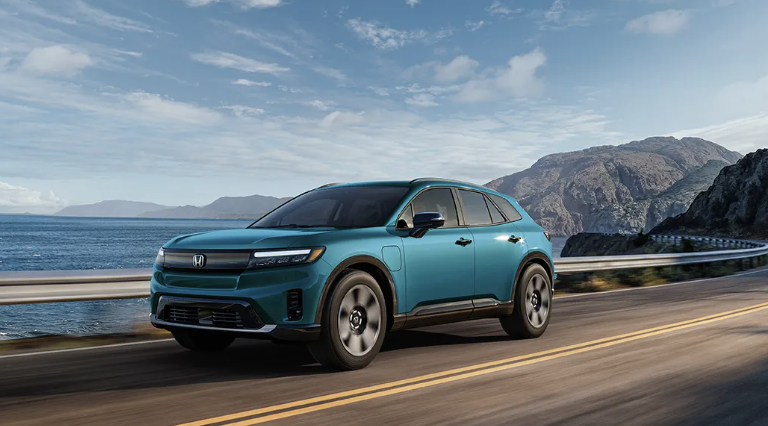
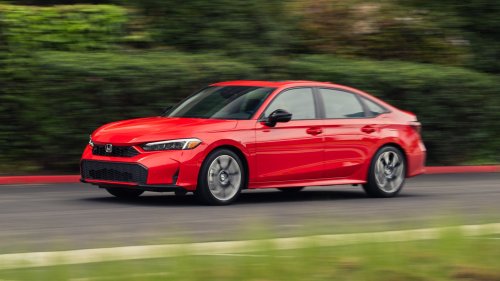
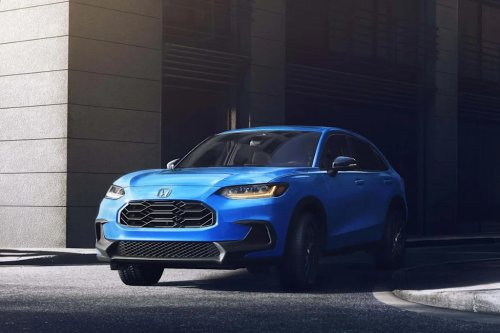
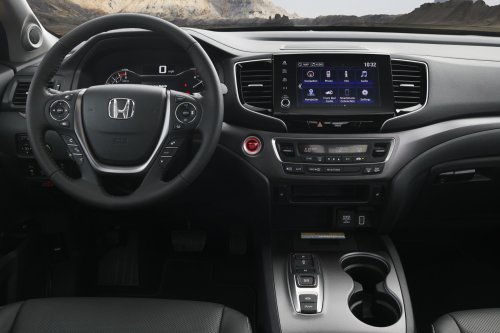
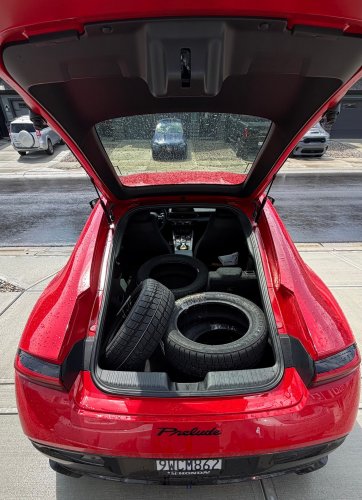
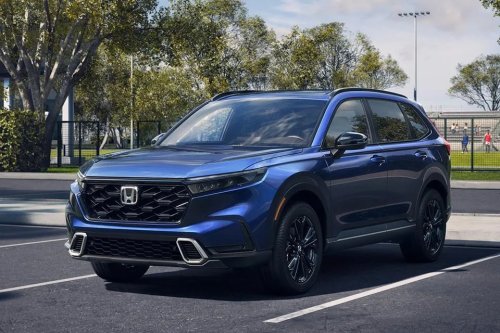
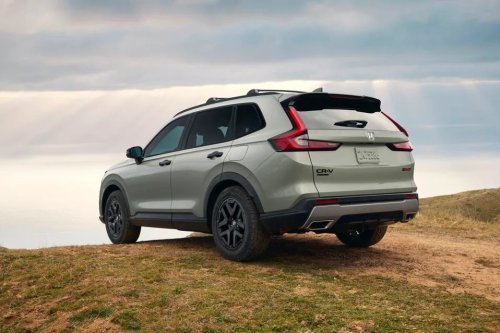
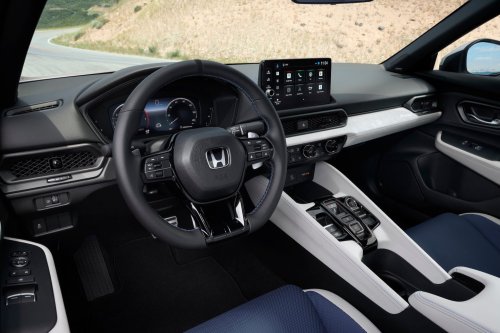
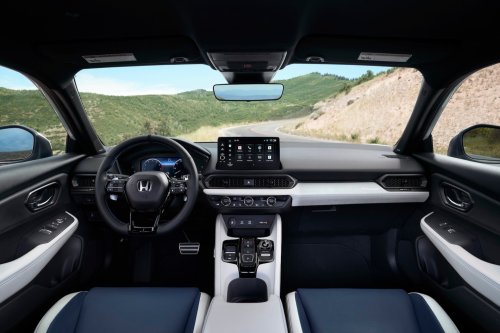
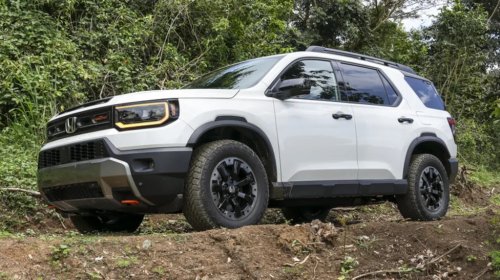
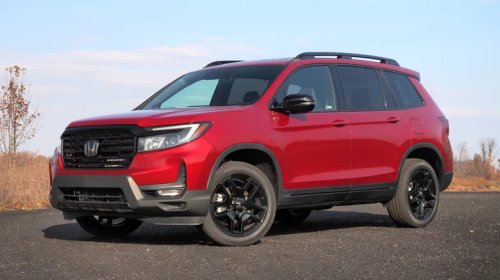
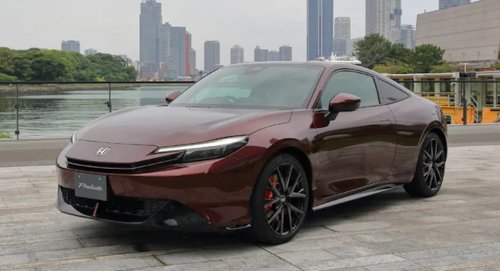
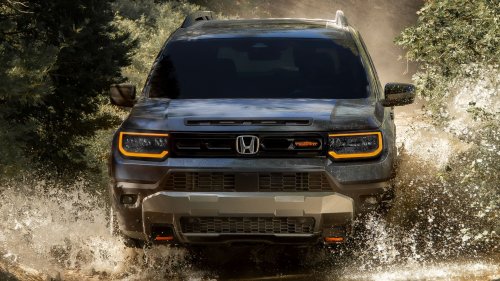
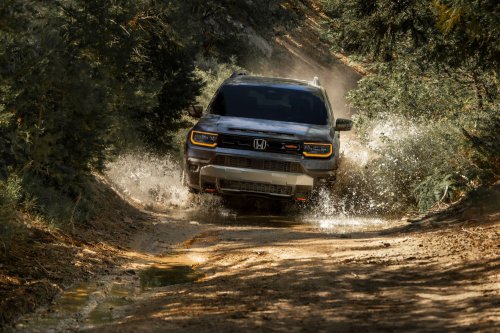
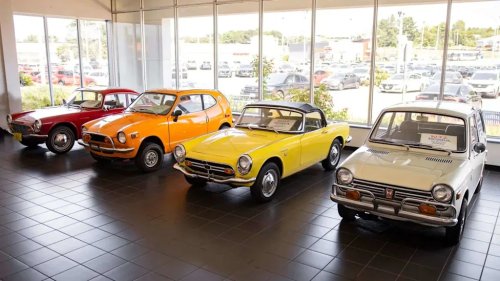
Honda Motor Co. has confirmed it will discontinue the Prologue, ending sales of its only battery-electric vehicle in North America and leaving the automaker without a mainstream all-electric passenger model in the region once dealer inventories are exhausted in early 2027. The decision did not come as a surprise to Honda dealers. Retailers in California, New York, Toronto, and Vancouver told CleanTechnica the Prologue had been a commercial success, with more than 80,000 deliveries in the United States since its launch in 2024. However, they said the model became increasingly difficult to justify as changes in Honda’s partnership with General Motors coincided with shifting trade policies and a rapidly changing regulatory environment. The Prologue was never intended to be a long-term Honda product. Developed through Honda’s alliance with General Motors, the crossover was built on GM’s Ultium electric vehicle platform and assembled alongside the Chevrolet Blazer EV at GM’s Ramos Arizpe Assembly Plant in Coahuila, Mexico. Honda designed the exterior, interior, and chassis tuning, but the vehicle relied on GM’s battery architecture and propulsion system as a bridge while Honda developed its own dedicated electric vehicle platform. That strategy unraveled as market conditions changed. GM began moving away from the unified Ultium branding and architecture strategy, complicating long-term supply agreements. At the same time, the expiration of the U.S. federal electric vehicle tax credit in late 2025 reduced demand for mainstream battery-electric crossovers, while evolving North American trade policies increased the cost of importing vehicles assembled in Mexico. The Prologue, built on an outsourced platform and operating on relatively narrow margins, became increasingly difficult for Honda to sustain. Dealers will continue selling existing inventory through early 2027, after which Honda will no longer offer a battery-electric passenger vehicle in the United States or Canada. The only zero-emission model remaining in its North American lineup will be the CR-V e, a low-volume hydrogen fuel cell vehicle leased primarily in California, where hydrogen refueling infrastructure is available. The Prologue’s cancellation is part of a broader shift in Honda’s North American electrification strategy. In March 2026, the company abandoned its multibillion-dollar 0 Series electric vehicle program, which had been expected to produce next-generation sedans and crossovers at planned manufacturing hubs in Ohio and Ontario. Honda recorded a $15.5 billion impairment charge related to the decision, effectively ending plans for a large-scale expansion of its battery-electric vehicle business in the region. Honda has been here before. In the late 1990s, the company quietly retired the EV Plus after concluding that the market and infrastructure were not ready for battery-electric vehicles. It doubled down on hybrids instead, introducing the Insight in 1999 and eventually becoming one of the world’s leading hybrid manufacturers. The cancellation of the Prologue suggests Honda is once again retreating from battery-electric vehicles in favor of the technology that has repeatedly served it well: hybrids. Now Honda is again redirecting its investment toward hybrid technology, an area where it already enjoys strong consumer demand and healthy profit margins. The automaker plans to introduce 15 new hybrid models globally by 2030 while expanding hybrid powertrains into larger vehicles, including the Passport, Pilot, Ridgeline and Odyssey. Hybrid versions of the Civic, Accord and CR-V already account for a significant share of the brand’s North American sales, reinforcing Honda’s belief that consumers continue to favor partial electrification over fully electric vehicles. The move reflects a growing divide within the global automotive industry. While competitors including Hyundai, Kia and Toyota continue investing in dedicated battery-electric platforms, Honda has chosen to scale back its ambitions and focus on hybrids as market conditions remain uncertain. The Prologue ultimately succeeded in introducing many Honda buyers to battery-electric driving, but its dependence on an external platform and rapidly changing economic conditions proved stronger than its commercial momentum. Its cancellation marks the end of Honda’s first modern battery-electric chapter in North America and underscores how quickly shifting policies, supply chains and corporate priorities can reshape even a successful product.