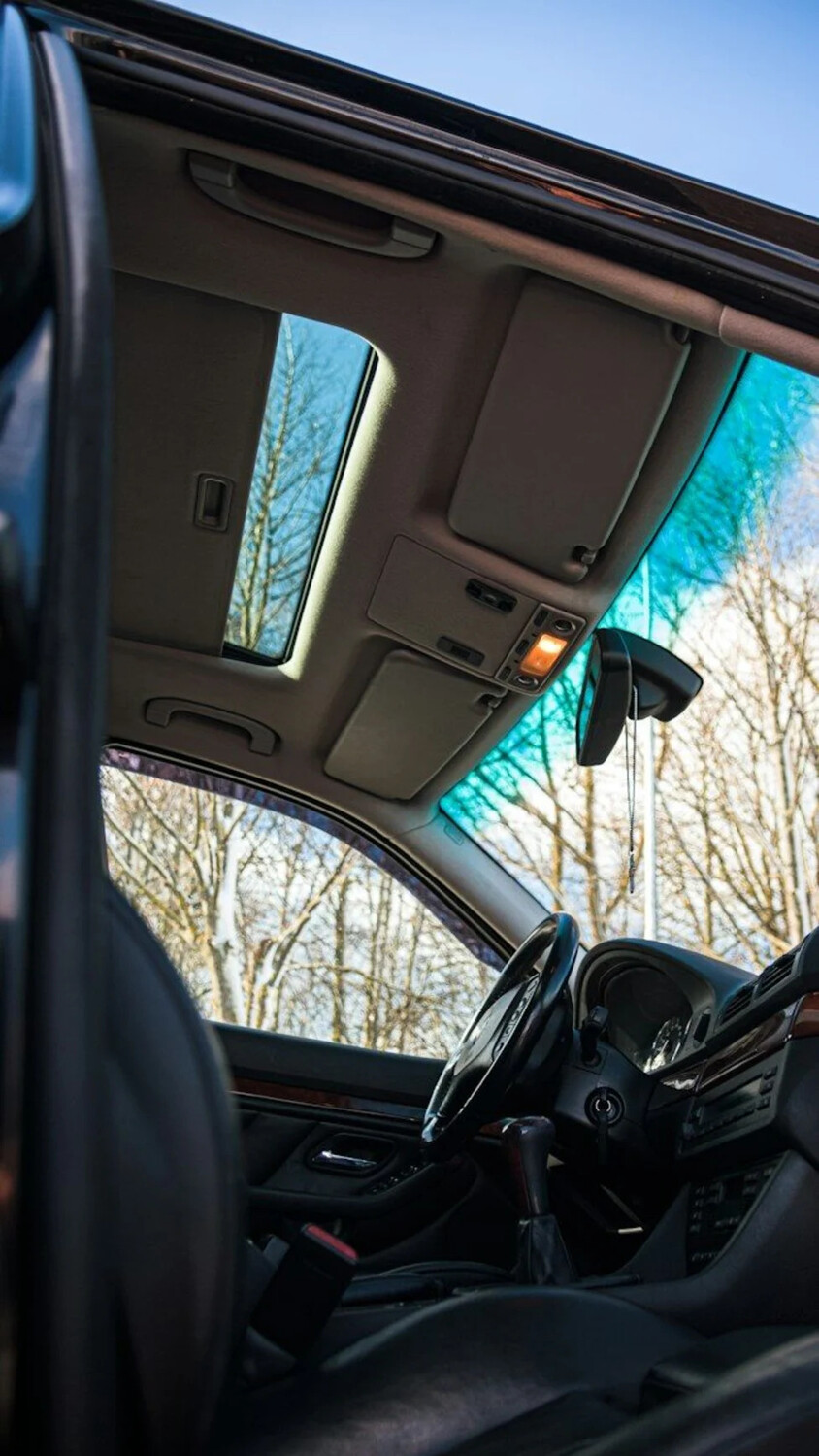
Shattering Sunroofs Aren't a Honda Problem or a Kia Problem — They're a Tempered Glass ProblemBackfire NewsJohn LloydFri, September 11, 2026 at 8:44 PM UTCAdd us on GoogleShattering Sunroofs Aren't a Honda Problem or a Kia Problem — They're a Tempered Glass ProblemSomewhere on a road right now, a piece of glass no bigger than a grain of sand is quietly deciding whether a sunroof survives the drive. It's called a nickel sulfide inclusion, a microscopic contaminant that can get trapped inside a pane of tempered glass during manufacturing, and it's the leading engineering explanation for a phenomenon that keeps showing up in owner complaints filed with the National Highway Traffic Safety Administration: sunroofs and glass roof panels shattering with no rock strike, no accident, and no warning.Tempered glass is made by heating a sheet of glass and then rapidly cooling its surface, which leaves the outer layers in compression and the inner core in tension. That internal stress is what makes tempered glass roughly four times stronger than ordinary annealed glass and why it crumbles into small, relatively harmless pebbles instead of jagged shards when it does fail, the same property that makes it standard for side and rear windows. A nickel sulfide crystal trapped inside that stressed core is a ticking clock. The crystal exists in two different physical structures, and over time, sped along by heat, cold, or the simple passage of years, it can flip from one structure to the other and expand. In a pane already holding itself together through internal tension, that tiny expansion is sometimes all it takes to trigger a full, spontaneous fracture. No impact required.I pulled complaint records directly from NHTSA's public API rather than taking anyone's word for how widespread this actually is, spot-checking 21 model-years across ten different automakers, Kia, Hyundai, Ford, Volkswagen, Nissan, Tesla, Chevrolet, Honda, Subaru, and Mazda, going back to the 2015 model year. Filtering just for complaints that specifically use the words "sunroof" or "moonroof" turned up 194 reports describing exactly the same failure: glass letting go on its own, usually accompanied by a bang loud enough that more than one owner assumed they had been shot at or rear-ended. A 2015 Ford Edge owner described a sunroof panel coming off entirely and shattering in the road behind their car during a windy highway drive. Another Ford Edge owner, whose rear glass blew out while they were standing at a gas pump, put it about as plainly as anyone could: "sounded like a bomb going off."AdvertisementAdvertisementThat 194-complaint figure came from a sample, not a census, the real number across every model on the road is certainly higher, but the spread is the real story here. This isn't a Kia problem or a Hyundai problem the way the panoramic sunroof scare of the early 2010s got framed. Every brand I checked, from a budget-friendly Nissan Rogue to a Tesla Model 3, had at least one owner describing the exact same failure mode. Larger glass roofs, which have become a default styling and cabin-brightness feature on everything from three-row crossovers to EVs built around a single fixed glass panel instead of a steel roof, only add more surface area and more edge stress for a hidden inclusion to exploit.Here's the detail that should bother anyone who's filed one of those complaints: not one of the recall filings tied to any of the twelve model-years I checked against NHTSA's separate recalls database addressed sunroof or glass roof failures. The recalls that do exist for these vehicles cover fuel pipes, airbags, and electrical gremlins, unrelated hardware. Spontaneous glass failure, despite generating complaint volumes that would trigger scrutiny in almost any other component category, has stayed out of the formal recall system entirely. Backfire has documented this exact regulatory pattern before with Honda's 2023 HR-V, where American Honda's own dealer paperwork blamed a manufacturing tolerance issue for shattering rear glass and routed the fix through a quiet voluntary product update instead of a recall, a designation that carries no NHTSA-tracked completion rate and won't show up on a used-car VIN check.That gap between a real problem and an official recall isn't unique to glass. Automakers get the first legal say in whether something rises to an unreasonable risk to safety, and plenty of manufacturers use that latitude to handle a defect their own way. Land Rover chose a stop-sale over a recall this year to freeze Defender, Discovery, and Range Rover deliveries during an unresolved airbag question. Stellantis is now facing a federal class action from Ram 1500 owners who say the company knew about a highway-speed stalling defect and didn't act. Tesla's door handle design got a flat denial from NHTSA on an individual complaint, only for the agency to open a broader rulemaking anyway once enough similar reports piled up. Sunroof glass appears to be sliding through that same gap, common enough to generate hundreds of complaints, but not singular or catastrophic enough on any one VIN to force a mandatory fix.For owners, that regulatory gray zone translates into a real financial question. A cracked or shattered sunroof or glass roof panel typically falls under comprehensive coverage rather than collision, since there's no at-fault party and often no impact at all, and a number of states waive the deductible for glass claims specifically, but that's worth confirming with an actual insurance agent rather than assuming, since it varies by policy and state. Replacement costs run a wide range depending on whether the vehicle has a small fixed panel or a full sliding panoramic unit with a motorized track and sensor wiring built in, and because there's no recall attached, every dollar and every diagnostic visit comes out of the owner's pocket unless the automaker has quietly issued its own goodwill campaign, the way Honda did.AdvertisementAdvertisementThe practical takeaway isn't to panic every time someone mentions tempered glass. Nickel sulfide inclusions are a known, well-documented manufacturing defect across the entire glass industry, not just automotive glass, and the overwhelming majority of tempered panes never have one. But if a sunroof or glass roof panel does fail with no rock, no crash, and no obvious cause, that's not a fluke worth shrugging off. It's worth a call to the dealer to ask, specifically, whether there's an open service bulletin or product update tied to the VIN, because a standard recall check won't tell you.