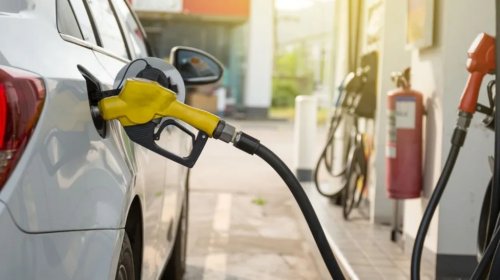
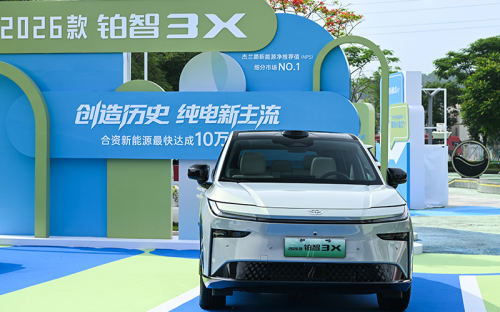
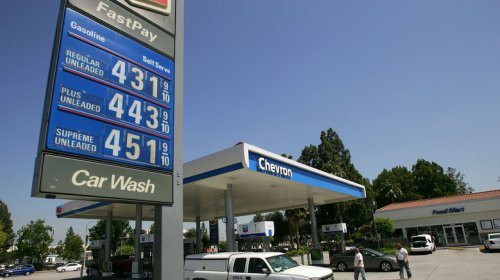
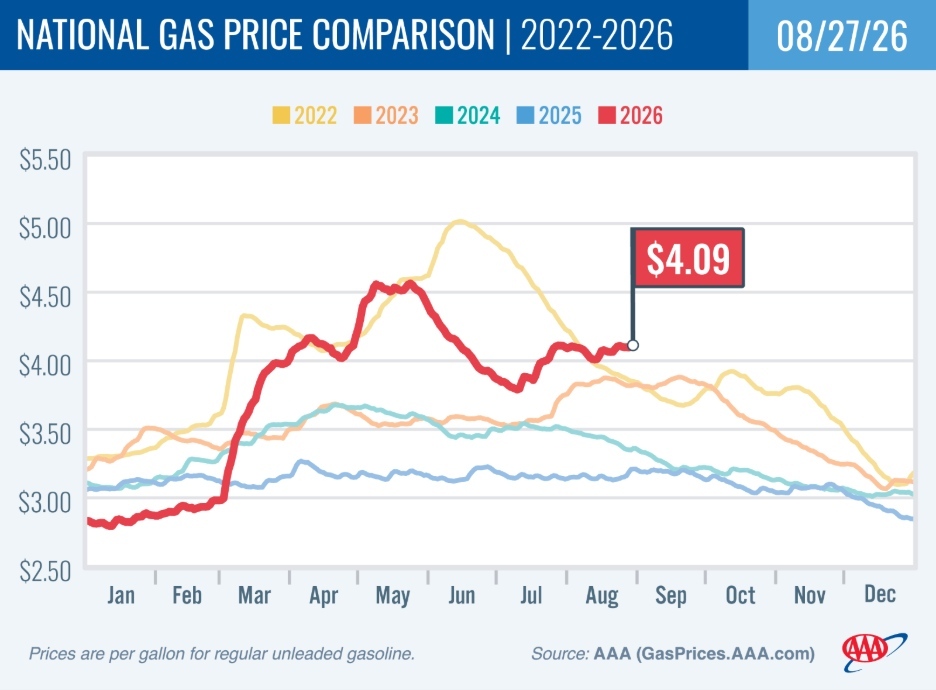
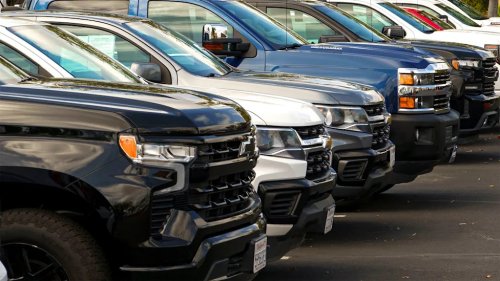
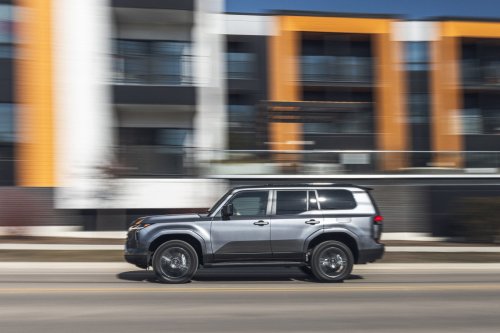
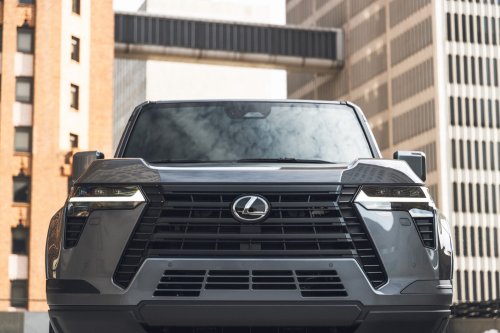
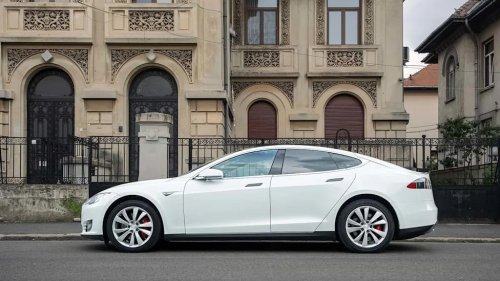
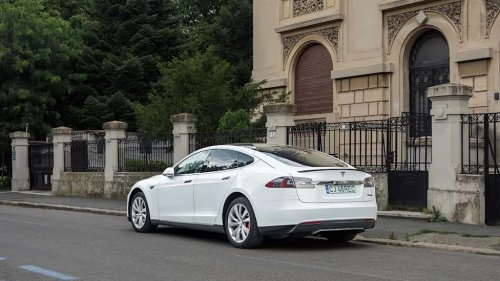
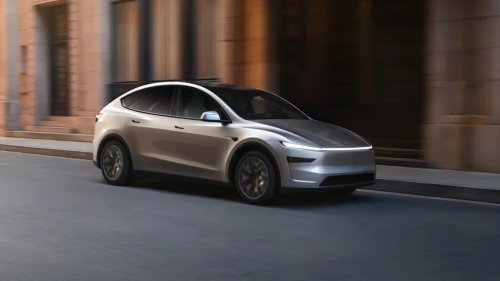
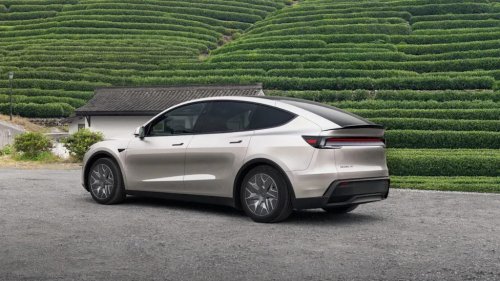
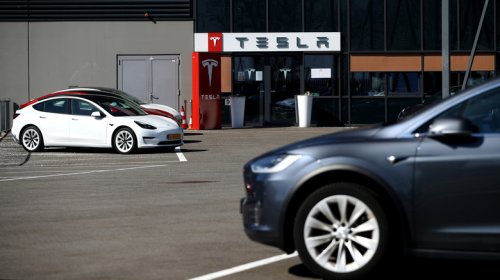
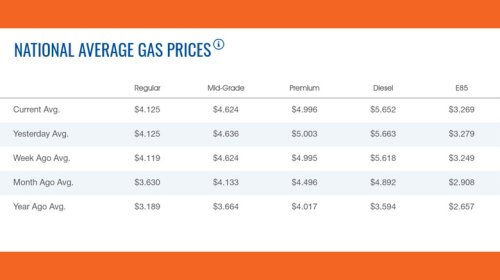
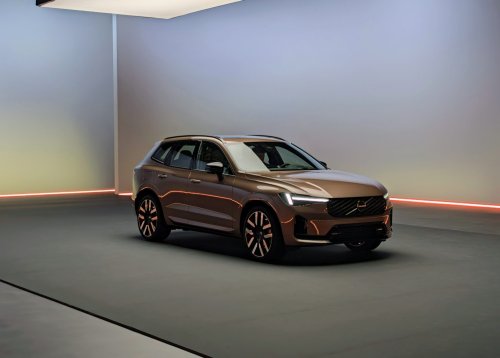
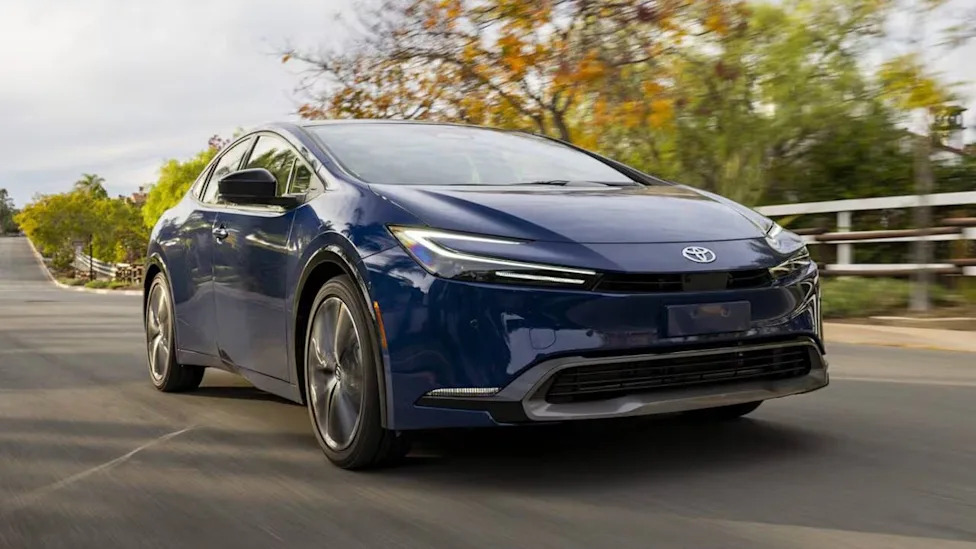
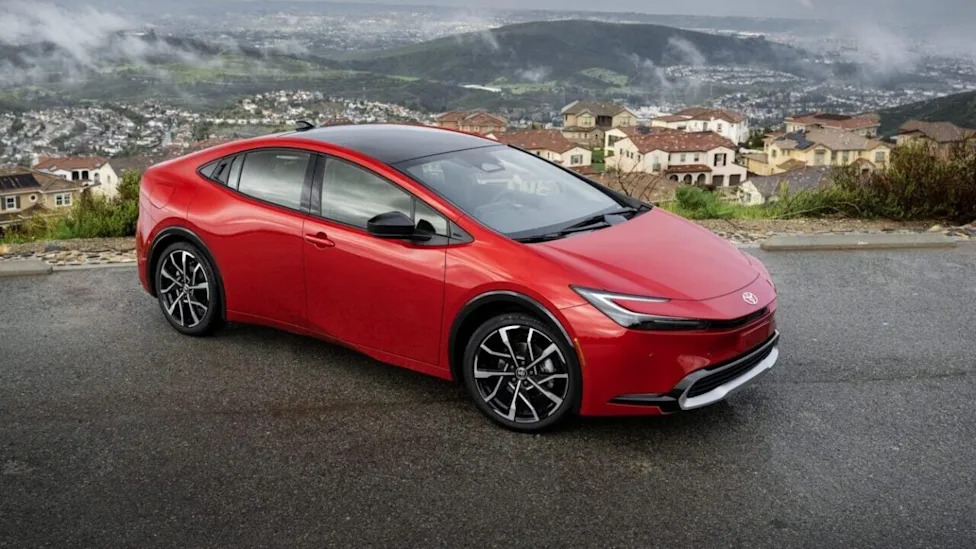
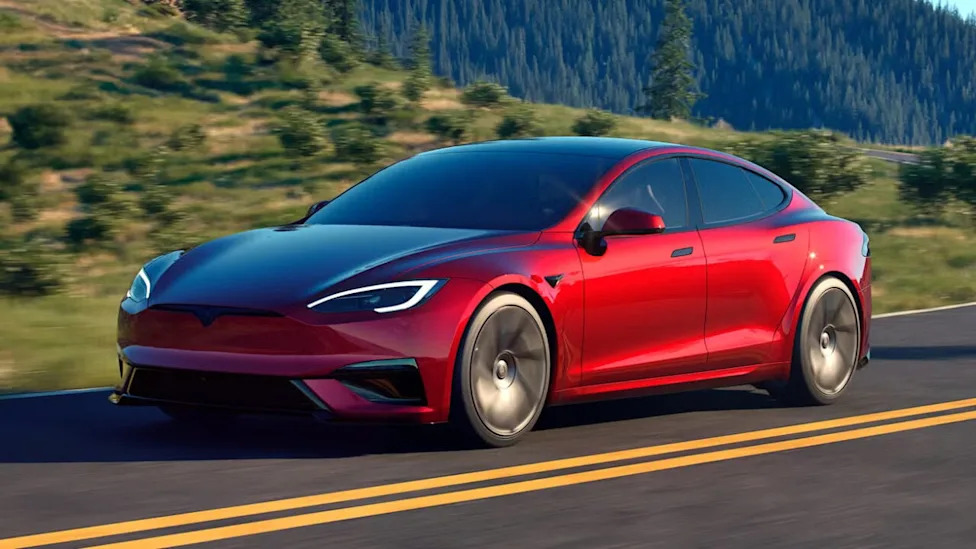
Image Credit: Toyota.For years, hybrids occupied an awkward middle ground in the American car market. Buyers who wanted maximum efficiency could go electric, while everyone else had an enormous selection of familiar gasoline-powered cars, trucks, and SUVs.Now, however, that middle ground suddenly looks considerably more attractive. Thanks to elevated fuel prices and the rising cost of buying a new vehicle, Americans are increasingly gravitating toward vehicles that promise better mileage without requiring them to completely change how they drive.New data from JD Power shows just how significant that shift has become. Hybrid demand is growing quickly enough that limited availability of some popular models is now holding back sales that could otherwise be even stronger.AdvertisementAdvertisementMeanwhile, fully electric vehicles are moving in the opposite direction following the end of federal purchase incentives. The result is a rapidly changing powertrain hierarchy in which hybrids are emerging as one of the biggest winners.Hybrid Market Share Is SurgingImage Credit: Toyota.JD Power expects hybrids to account for 18.2 percent of U.S. retail new-vehicle sales in August 2026. That represents a gain of 4.8 percentage points from a year earlier and translates to 35.5 percent year-over-year growth.Demand is apparently strong enough to create an unusual problem for automakers: they could be selling even more. JD Power President of OEM Solutions Thomas King said August sales would have been stronger if not for "unusually low availability of hybrid vehicles" during the month.Elevated fuel prices are one of the factors driving that demand. Hybrids reduce fuel consumption while retaining the familiar convenience of filling up at a gas station, avoiding the charging considerations that accompany a fully electric vehicle.EV Market Share Is Heading The Other WayImage Credit: Tesla.Electric vehicles, meanwhile, are expected to capture 7.2 percent of the market in August. That represents a 4.6-percentage-point decline compared with the previous year.AdvertisementAdvertisementThe comparison comes with an important caveat, because August 2025 EV sales were unusually strong as buyers rushed to take advantage of federal tax credits worth as much as $7,500 before they expired on September 30 of that year.Without those incentives, EV buyers now face higher effective purchase prices. Hybrids do not eliminate gasoline costs entirely, yet their combination of efficiency and conventional refueling appears to be resonating with consumers who are not ready to make the jump to a battery-electric vehicle.Buying A New Car Is Still Getting More ExpensiveFuel economy is even more important when other vehicle ownership costs are rising. JD Power expects the average new-vehicle transaction price to reach $45,563 in August, up 2 percent from a year ago.Average monthly finance payments are projected to hit an August record of $812, despite average interest rates declining slightly to 6.55 percent. Buyers are increasingly stretching loans to manage those payments, with 13.9 percent of new-vehicle loans now running 84 months or longer.AdvertisementAdvertisementThat affordability pressure gives buyers another reason to pay attention to operating costs after leaving the dealership. A vehicle capable of reducing trips to the gas pump without requiring home charging can be an attractive compromise.Hybrids are no longer simply a niche alternative positioned between gasoline and electric vehicles. With their U.S. market share climbing rapidly and some popular models facing tight inventory, Americans appear increasingly convinced that the middle ground is exactly where they want to be.If you want more stories like this, follow Guessing Headlights on Yahoo so you don't miss what's coming next.



















 +22 others