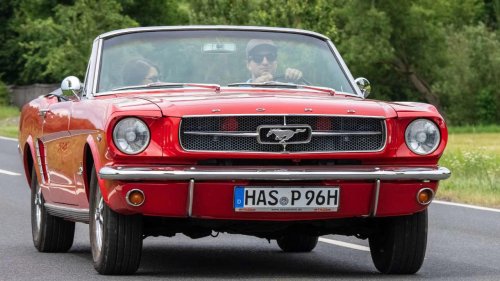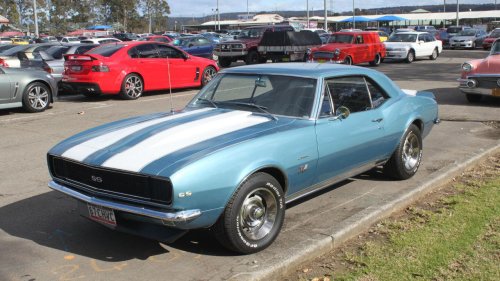



















How Biker Culture Shaped the Cars America Fell in Love With Key Takeaways Post-war motorcycle clubs shaped the rebellious attitude that later defined American muscle cars Detroit engineers who rode motorcycles on weekends brought lean, stripped-down design ideas into showroom concepts Chrome trim and leather bucket seats moved from custom bike shops straight into car interiors A single 1969 film turned outlaw biker style into a marketing strategy for car dealerships Modern retro-styled cars still borrow silhouettes and sound cues first perfected on two wheels Picture a dusty stretch of highway outside a small Midwestern town in 1949. A pack of Harleys thunders past a diner, leather jackets snapping in the wind, and every kid at the counter presses their face to the glass. That image, repeated in towns across the country, did more than sell motorcycles. It planted an attitude that would eventually roll off Detroit's assembly lines with four wheels instead of two. The lean stance, the loud exhaust, the sense that a machine could say something about who you were — all of it started on two wheels before it ever showed up in a showroom. What follows traces that unlikely bloodline, one design choice at a time. Two Wheels Before Four Wheels How returning soldiers on surplus bikes set the tone After World War II ended, thousands of servicemen came home restless, trained on machines, and hungry for speed. Many bought surplus Harley-Davidsons and Indians for next to nothing and formed loose riding clubs that gathered on weekends outside small-town diners and drive-ins. These weren't outlaws in the Hollywood sense yet. They were mechanics, factory workers, and former pilots who missed the adrenaline of wartime machinery and found a substitute in open throttle and open road. That culture of stripped-down, purpose-built speed became the emotional template for what came next in Detroit. Car buyers who grew up watching those riders wanted something that felt just as untamed, even if it came with a steering wheel instead of handlebars. The rebellious streak that would define muscle cars a decade later didn't start in a design studio. It started in a parking lot full of bikes with the mufflers removed. Harley-Davidson's Detroit Connections The weekend riders sketching cars on Monday morning A surprising number of the engineers and stylists who shaped early performance cars at General Motors and Ford spent their Saturdays on motorcycles instead of behind a drafting table. That habit mattered more than most people realize. Riders notice things drivers don't, like how a bike's silhouette gets lower and leaner the faster it's meant to go, or how removing anything unnecessary from the frame changes the way a machine feels on the road. Those same instincts crept into early muscle car sketches. Long hoods, low rooflines, and minimal ornamentation weren't just about aerodynamics on paper. They echoed the chopped-down look of a custom Harley sitting in a driveway. Detroit never advertised this connection outright, but the visual DNA is hard to miss once you know to look for it. The lean, purposeful stance that made cars like the GTO and Mustang feel dangerous parked at the curb had already been proven on two wheels years earlier. Chrome, Leather, and Attitude The custom bike shop details that ended up in showrooms Walk into any custom motorcycle shop in the 1950s and you'd find polished chrome pipes, hand-stitched leather seats, and owners obsessing over details that had nothing to do with making the bike run better. It was about how the machine looked sitting still as much as how it performed moving fast. That obsession didn't stay confined to garages. By the time the 1963 Corvette Sting Ray hit dealership floors, its interior featured bucket seats wrapped in leather-look vinyl and chrome accents that mirrored what custom bike builders had been doing for a decade. The split rear window and aggressive lines gave it a stance that felt lifted straight off a chopper's frame. Car buyers who had never ridden a motorcycle in their life were suddenly sitting in seats designed with the same philosophy that shaped a Harley's saddle. The showroom had quietly absorbed the garage. Easy Rider Sparks a Buying Frenzy How one movie turned rebellion into a sales pitch Before 1969, muscle cars sold on horsepower numbers and quarter-mile times. After Easy Rider hit theaters that same year, something shifted. Peter Fonda and Dennis Hopper riding customized choppers across the open Southwest gave outlaw freedom a face, and it turned out that face sold cars just as well as it sold motorcycles. Dealerships noticed the shift almost immediately. Muscle car advertising started leaning into the same anti-establishment energy the film captured, trading clean-cut family imagery for taglines about breaking rules and leaving the ordinary behind. It wasn't a coincidence that the years right after the film's release saw some of the most aggressive muscle car styling and marketing Detroit ever produced. A biker movie with almost no cars in it had somehow convinced an entire industry that rebellion was worth advertising, and car buyers responded by driving that rebellion straight off the lot. Garage Customization Goes Mainstream Why chop shops built the aftermarket playbook first It's easy to assume the aftermarket car industry grew out of hot rodding alone, with tinkerers swapping engines and shaving fenders in isolation. That's only half the story. Backyard motorcycle chop shops had already been running trial-and-error customization for years before hot rodders adopted the same approach for cars. Bikers were swapping parts between makes, fabricating custom brackets, and repainting frames long before any of that became common practice in car culture. The willingness to void a warranty in exchange for personal expression came from the bike world first. Hot rodders borrowed that mindset wholesale, applying it to fenders, engines, and paint jobs instead of forks and tanks. What eventually became a billion-dollar aftermarket parts industry started as a handful of guys with wrenches, figuring out how far a machine could be pushed past factory settings. The car world just scaled up an idea bikers had already proven worked. Engineering the Perfect Rumble The sound that sold cars before the specs did Motorcycle riders have always cared about sound as much as speed. A bike's exhaust note announces its presence before it ever comes into view, and biker culture treated that rumble as part of the machine's identity. Detroit engineers picked up on this obsession and started tuning V8 exhaust notes on purpose rather than as an afterthought. The Pontiac GTO became a case study in this shift. Engineers worked to give its V8 a specific growl that dealers could use in showroom demonstrations, letting customers hear the car before ever asking about horsepower figures. That deliberate tuning turned exhaust sound into a marketing tool, something biker culture had understood instinctively for decades. A car that sounded aggressive idling in the driveway sold itself before a single test drive happened. The rumble wasn't a byproduct of performance anymore. It was the performance, at least in the buyer's imagination. Riding Into Today's Retro Revival Why leather and chrome never really left the road Today's retro-styled muscle cars and reissued cruisers still lean on design cues that trace straight back to the biker garages of the 1950s. Low stances, exposed chrome accents, and leather-trimmed interiors show up in modern releases not because designers ran out of new ideas, but because those elements still communicate rebellion and freedom better than anything invented since. Even exhaust tuning remains a selling point, with automakers running the same deliberate sound engineering that started with cars like the GTO decades ago. Manufacturers know that buyers responding to a retro-styled car aren't just chasing nostalgia for the cars themselves. They're responding to a feeling that started on two wheels long before it ever had four. The leather-and-chrome spirit that grew out of post-war motorcycle culture never really disappeared from American roads. It just kept finding new machines to ride in. Practical Strategies Check the RooflineLook for a low, chopped-down roofline on classic muscle cars. That silhouette borrows directly from custom motorcycle framing rather than pure aerodynamic necessity.: Listen Before You LookPay attention to a car's exhaust note before checking the spec sheet. Automakers have tuned that sound deliberately since the muscle car era, echoing the sound-first mentality bikers perfected.: Inspect the Chrome TrimChrome accents on classic interiors and exteriors often trace back to custom bike shop aesthetics rather than factory-standard styling choices of the time.: Compare Retro ReissuesLine up a modern retro-styled cruiser or muscle car against its 1960s ancestor. The proportions and detailing usually reveal how much of the original biker-inspired design survived unchanged.: Research Club Culture HistoryReading about post-war motorcycle clubs adds context to why certain muscle car marketing leaned so heavily on rebellion and freedom rather than practicality.: The line between motorcycle culture and car culture turns out to be thinner than most people assume. Chrome, leather, exhaust notes, and even the attitude behind the advertising all trace back to bikers who were customizing machines long before Detroit caught on. Every time a modern retro cruiser rolls off the line with a stripped-down look and a deliberate growl, it's paying quiet tribute to a tradition that started with surplus Harleys and a generation unwilling to slow down after the war ended. That spirit shows no sign of running out of road.