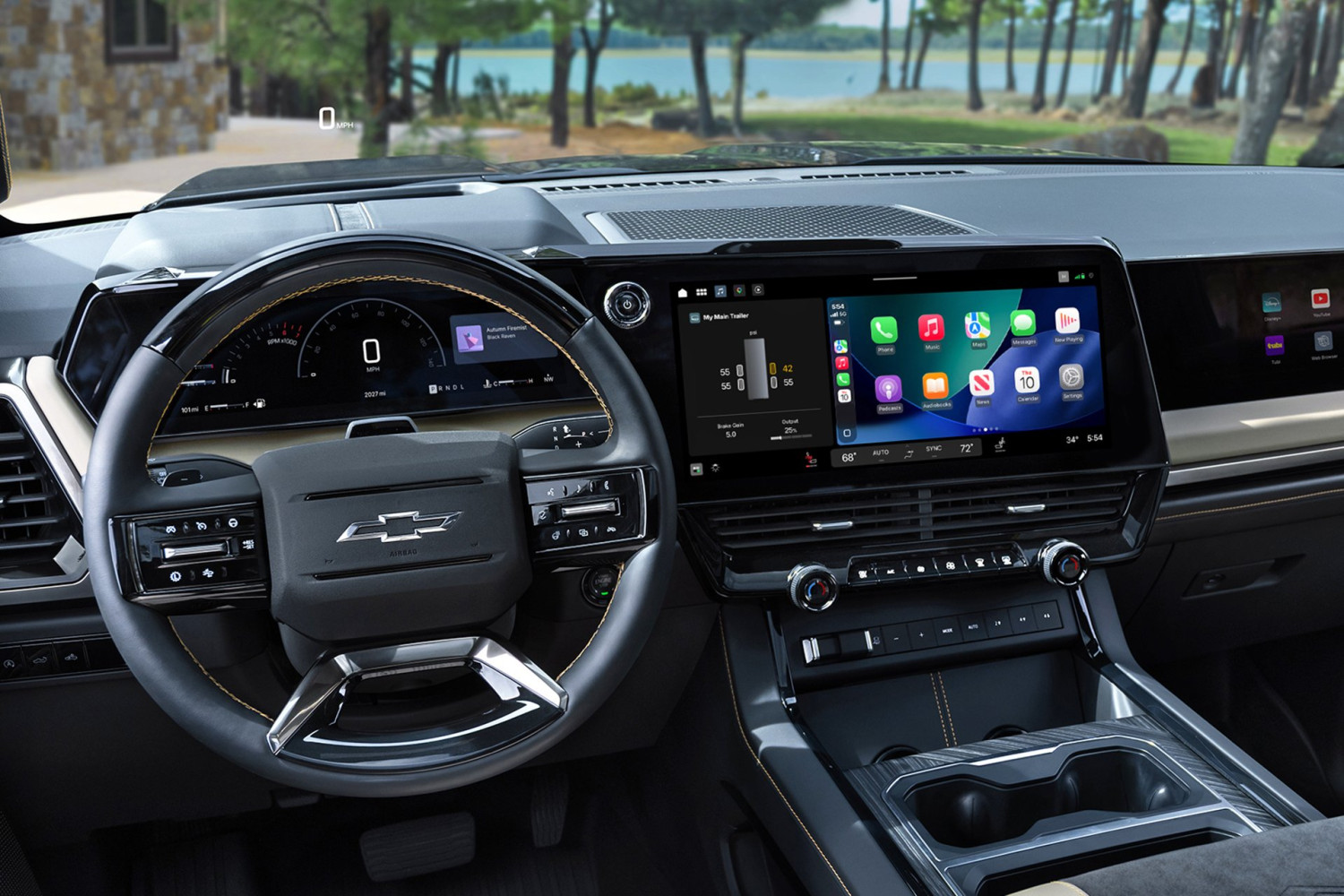
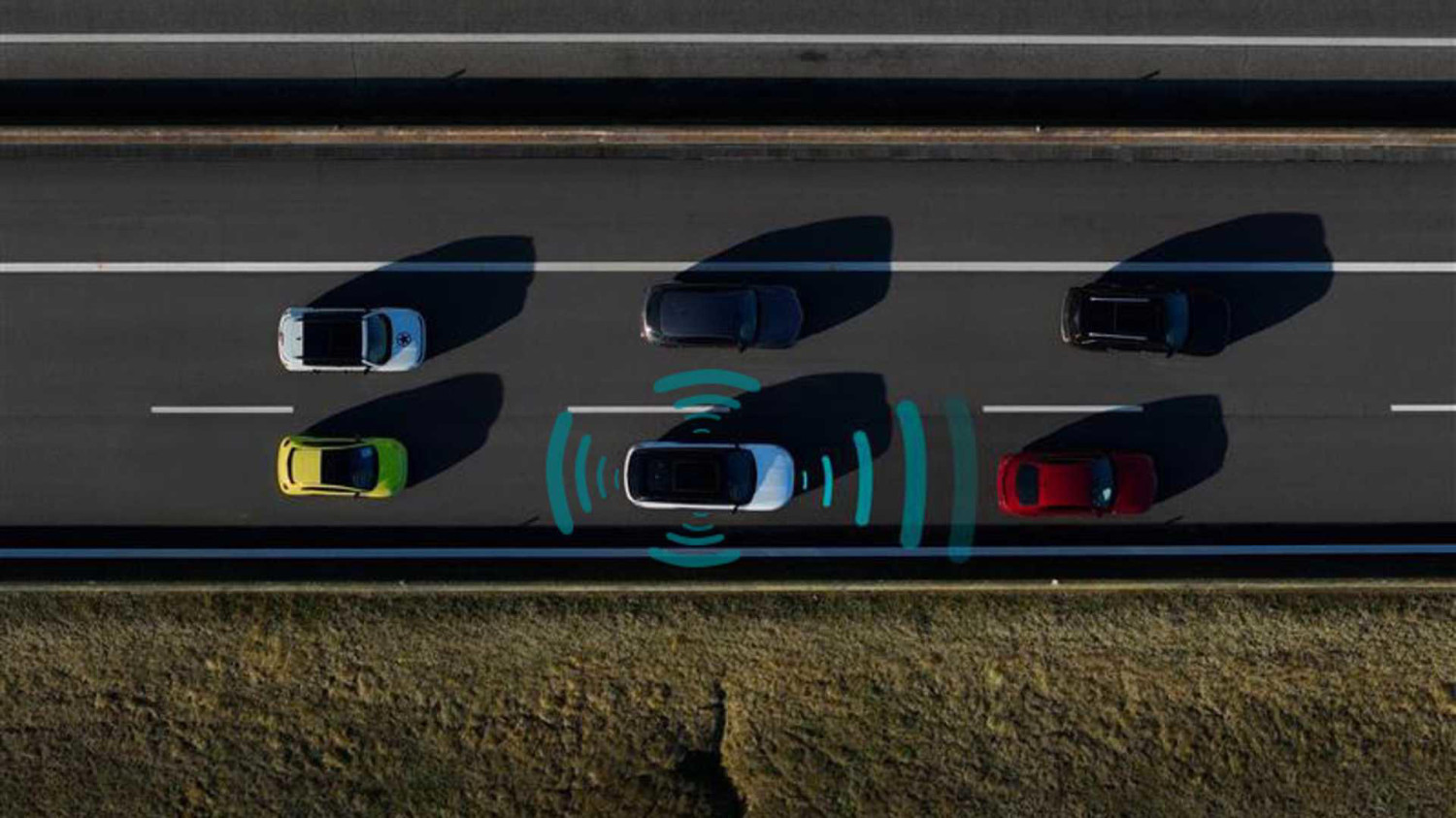



















Ask any driving instructor, be it for a normal driver's license test or a performance racing school, and they'll tell you the same thing. Your hands go where your eyes go, and the car goes with them. But they usually mean that in terms of not staring at the thing you want to avoid, because if you do, you'll probably hit it. Now, a new patent from General Motors looks to expand on that concept in a far more literal sense. You'd Better Watch Where You're Going General MotorsLet us introduce you to a new GM patent called Eye Gaze Automotive Lane Change Activation. Whereas usually we uncover patents with extremely detailed or complex titles, this one is actually pretty much like it sounds. It describes a method to monitor the driver and then use their eye gaze to drive. No, that doesn't mean you'll automatically veer off the road if you glimpse a cool car sitting in someone's driveway, or smash into the wreck you were rubbernecking to see. Fortunately, it's not all driving situations. It's specifically about lane changes.The system starts with an in-car camera. That's not a surprise; it's already a necessary part of GM's Super Cruise hands-off driver assist system, and plenty of vehicles have them for attention-monitoring systems.This one will, when asked by the computer, track your eye gaze and send the stream to a vehicle module. It will watch you for "a predetermined transition sequence in the series of eye gaze directions of the driver between a first target area and a second target area." Clear as mud, right?If it detects that movement, and in a certain amount of time, it will then change lanes.Not immediately or suddenly, it will do its own thing to make sure it's safe, which Super Cruise can do already. But how does GM plan to avoid the false detection problems that have plagued similar systems?In the patent, GM suggests that you need a particular sequence of glances. The authors suggest that could include looking at your side mirror for a time longer than a predetermined minimum but less than a maximum. From there, the patent description falls into a number of other complicated ways to look around, basically to make sure someone else can't snag a similar patent. False Detection Spotting Is Part Of The Patent Stellantis The patent goes further into detail about how it would avoid false detections as well as how the driver could cancel the change. To us, it feels like "a glance" is far too esoteric a thing to initiate a lane change, but GM seems to think it has it figured out.It all sounds a bit familiar, though, and that's because GM isn't the first to do something like this. A few years ago, BMW's Active Lane Change Assistant gained the ability to change lanes with a glance.BMW's system, though, appears to be less automatic than GM's idea. It will first ask you if you want to change lanes. The driver then either confirms the change with a glance at the mirror or ignores it by not looking. Only after the driver confirms will the car make the change.Since this is just a patent, we wouldn't speculate on the possibility of it seeing production. Frankly, we struggle to see the upside when bumping a turn signal and tugging a steering wheel is about as easy as it gets. But, GM is planning a major Super Cruise upgrade with the 2028 Cadillac Escalade IQ. This new feature could come with that.Patent filings do not guarantee the use of such technology in future vehicles and are often used exclusively as a means of protecting intellectual property. Such a filing cannot be construed as confirmation of production intent.