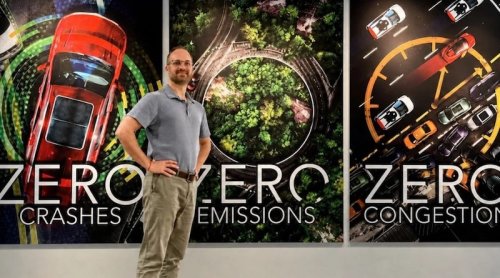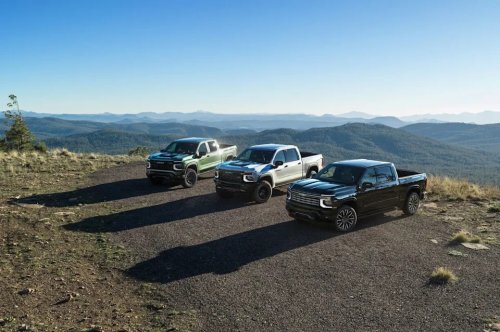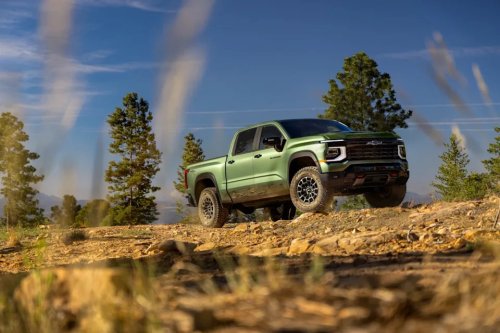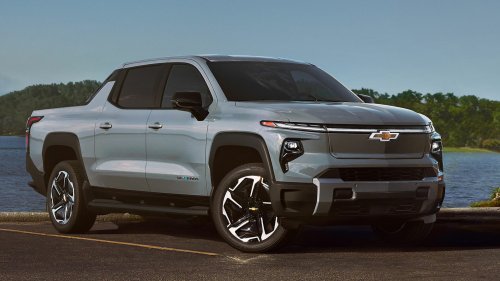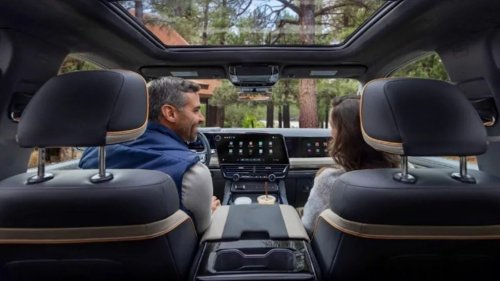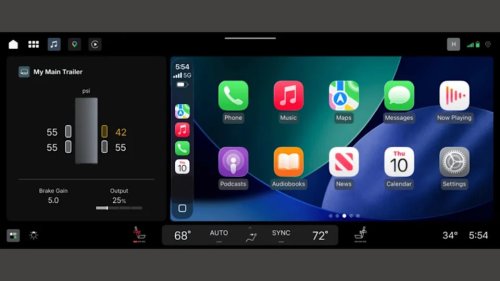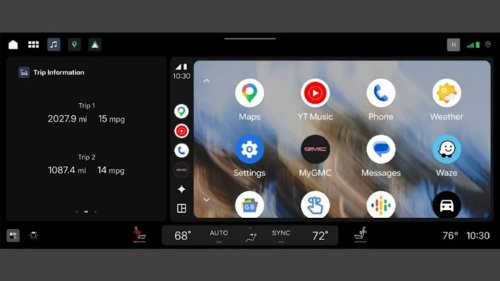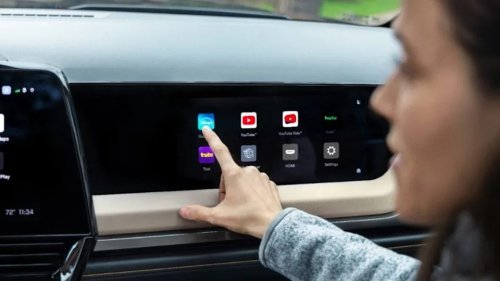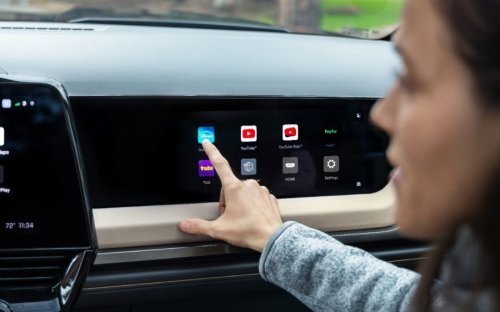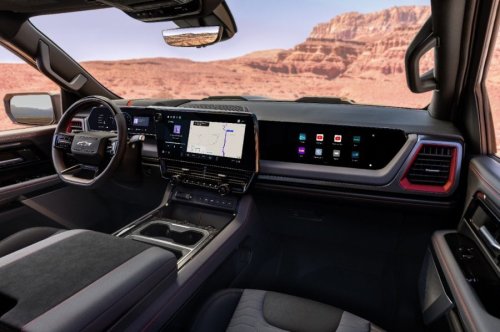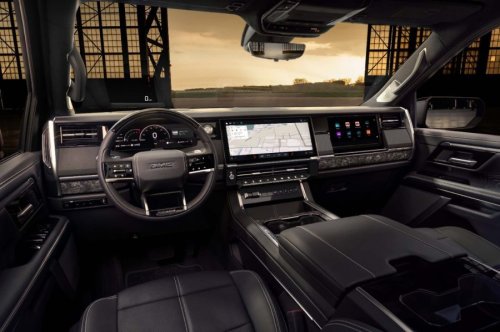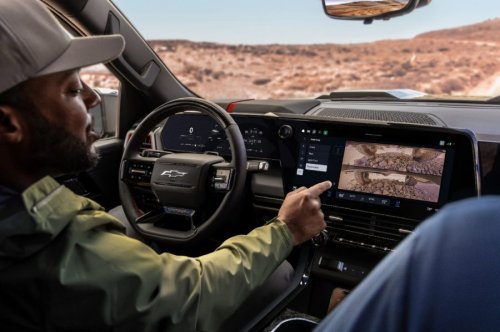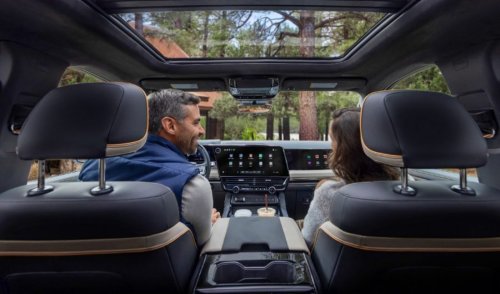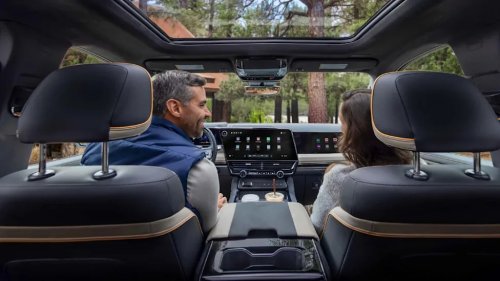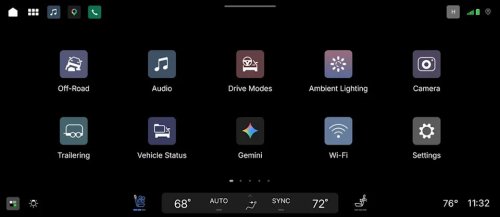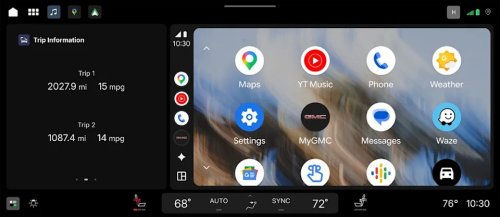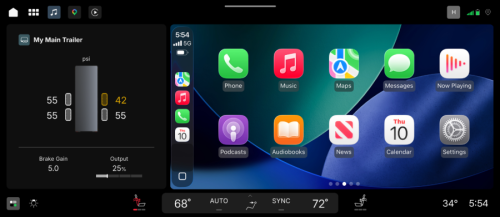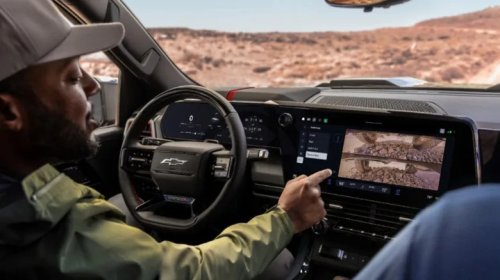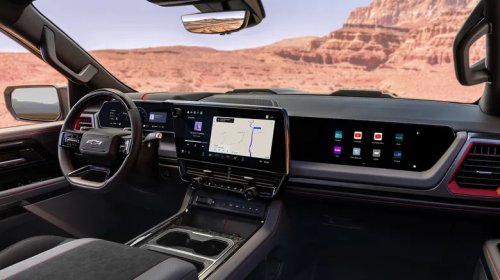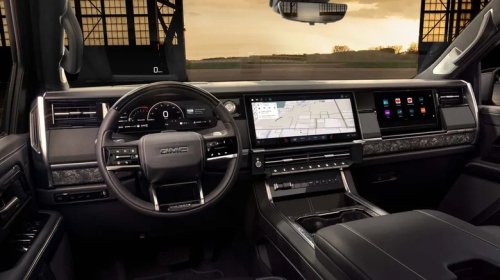





















gm just started testing autonomous vehicle features on public roads General Motors is taking another step toward fully autonomous driving, launching real-world testing of its next-generation driver-assistance system on public roads in the United States. The Detroit automaker confirmed it started trials in Michigan and California, deploying a fleet of approximately 200 test vehicles equipped with advanced, mostly self-driving technology. Each vehicle is operated by trained safety drivers who are ready to take control if needed. The goal is a new "eyes-off" version of Super Cruise that will debut with the 2028 Cadillac Escalade IQ. The system represents GM's first Level 3 semi-autonomous technology-one that will allow drivers to totally space out behind the wheel when the conditions are right. GM says the new system is an evolution of its existing Super Cruise platform, which already allows for hands-free driving on select highways. Most Popular Used Trucks In America gm just started testing autonomous vehicle features on public roads GM believes that allowing the vehicle to handle driving tasks even if the driver is not actively monitoring the road is achievable with enough real-world validation. "Real-world testing is essential to build a trustworthy system," the company said in a blog post. "Data captured during this new phase will feed directly back into GM's development cycle, improving the AI driving model and overall system robustness." Over the past six months, GM has gathered information from vehicles operating across 34 states, helping engineers prepare the system for a wide range of driving conditions. The automaker also said it built a simulation environment that allows engineers to simulate 100 years of human driving every single day. gm just started testing autonomous vehicle features on public roads AutoGuide's Take: GM's new focus on personal autonomous driving is punctuated by a major strategic pivot-in late 2024, the automaker shut down its Cruise robotaxi division following a high-profile incident in San Francisco that raised serious safety concerns after a pedestrian was struck by another vehicle and then dragged under one of GM's autonomous robotaxis. Rather than continuing down the path of fully driverless ride-hailing services, GM has decided to concentrate on integrating advanced autonomy into consumer vehicles-where systems can be introduced gradually with a human driver still present as a fallback. Plus, the automaker can make more money from selling subscription services to individuals than it can from operating a robotaxi network-it also helps to shift some of the liability to privately owned vehicles. The automaker already said it forecasts that autonomous features in privately owned vehicles could generate billions in annual revenue under a monthly or annual subscription fee. 2026 Porsche 911 Turbo S Cabriolet: All the Details