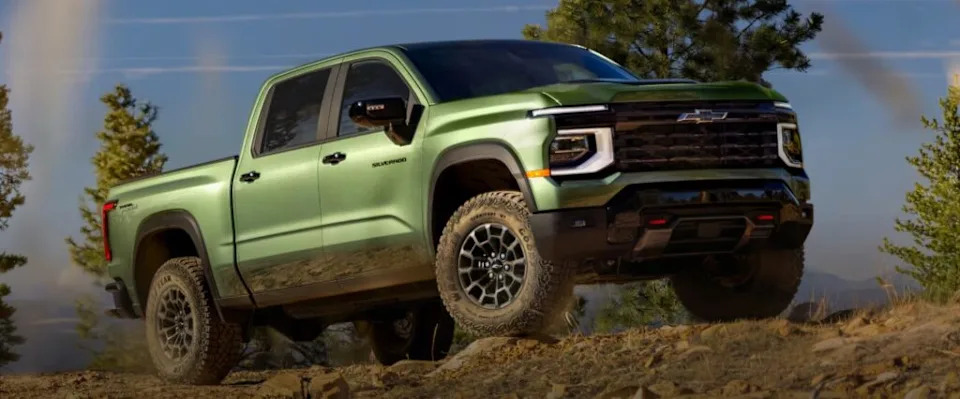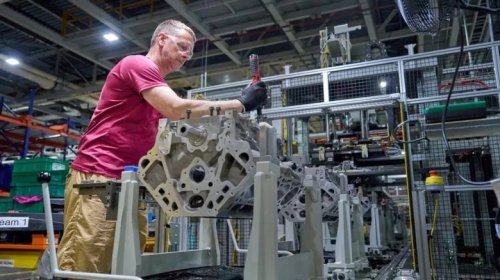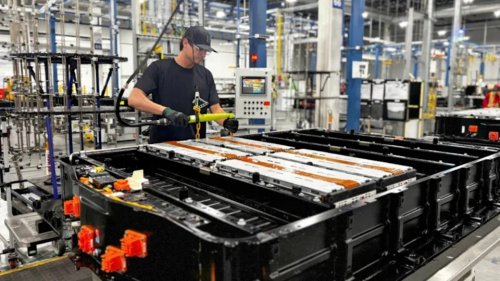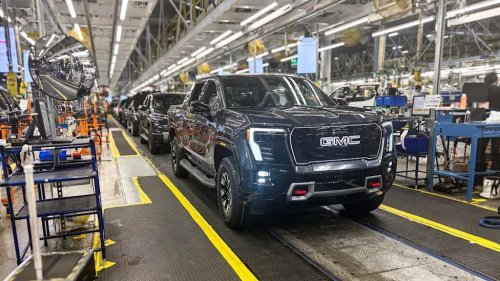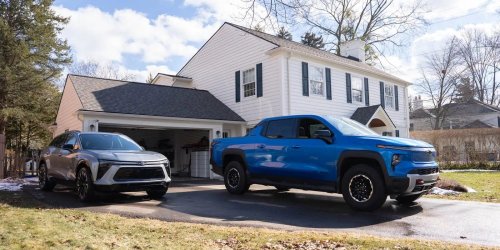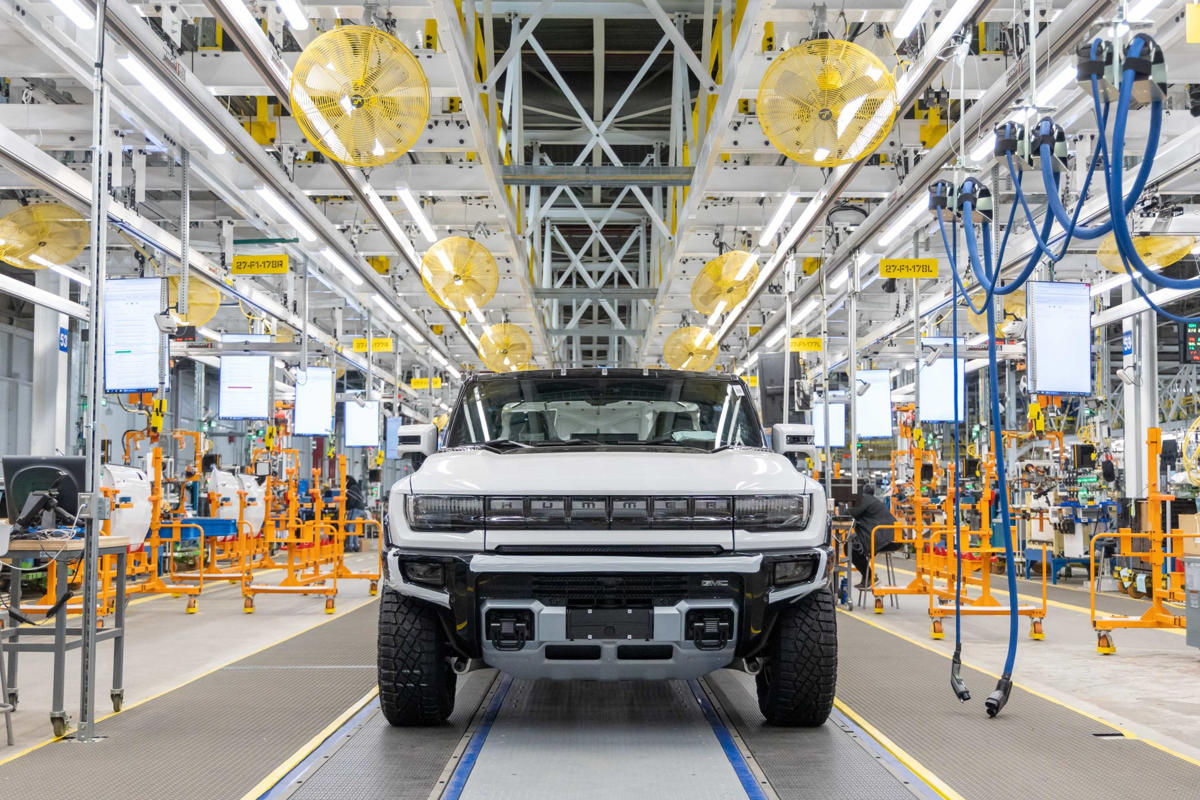





















General Motors has once again halted production at its flagship Factory Zero electric vehicle plant in Detroit, temporarily sidelining about 1,300 workers and casting fresh doubt on how fast the United States can transition to battery powered trucks and SUVs. The stoppage, framed by the company as a response to softer demand, is the latest sign that the industry’s aggressive electric rollout is colliding with consumer hesitation and infrastructure gaps. For the workers on the line and the communities that depend on their paychecks, the pause is not an abstract signal about the market. It is a repeat disruption at a site that was supposed to embody the future of American manufacturing, arriving just as automakers and policymakers are trying to gauge how much near term pain the EV shift will require. The plant that was supposed to change everything Factory Zero sits on the site of the former Detroit-Hamtramck Assembly, a complex that General Motors rebranded as the centerpiece of its electric strategy. The company invested $2.2 billion to convert the aging facility into a modern EV hub and pitched it as a model for how legacy plants could be reborn for a battery era. The Detroit site was renamed Factory Zero to signal a vision of zero crashes, zero emissions and zero congestion. Its future seemed particularly bright when President Joe Biden visited for a test drive of the electric Hummer, a moment that symbolized how closely federal climate ambitions were tied to the plant’s success. The facility was tasked with building high profile vehicles like the GMC Hummer EV and the electric Chevrolet Silverado, products meant to show that battery power could coexist with the large trucks American buyers favor. Instead of a smooth ramp up, the factory has seen a stop and start reality. Earlier pauses in production already disrupted schedules and raised questions about how quickly the plant could reach full capacity. The latest halt deepens that uncertainty and suggests that the company is recalibrating not just operations, but expectations for near term EV demand. A second shutdown and 1,300 temporary layoffs In Mar, General Motors confirmed that Factory Zero would again be idled, with production paused and roughly 1,300 workers temporarily laid off. A company spokesperson said Factory Zero would temporarily adjust production to align EV production with market demand, language that signals a deliberate pullback rather than a short term technical issue. Reporting on the decision describes the Detroit complex as a General Motors activity have highlighted that this is another round of layoffs tied to electric production, not a first time anomaly. That repetition feeds anxiety that the EV transition could mean a more volatile cycle of hiring and furloughs, especially in communities that have already endured decades of auto industry restructuring. Workers interviewed in Detroit describe a mix of pride and frustration. Many say they are proud to build cutting edge vehicles and want to see Factory Zero succeed, but they are also trying to manage mortgages, car payments and college tuition on schedules that keep shifting. Some have taken temporary work elsewhere during previous pauses, while others rely on unemployment benefits and savings that are increasingly strained. GM’s official explanation: “align EV production with market demand” General Motors has framed the decision as a rational response to market conditions rather than a retreat from its long term electric strategy. A spokesperson said Factory Zero will temporarily adjust production to align EV production with market demand, a phrase that points directly at slower than expected sales. Industry reports describe how the company has extended the temporary shutdown of its Detroit based Factory ZERO facility as demand for some electric models has cooled. Analysts have noted that early adopters snapped up high priced EVs, but the next wave of buyers is more price sensitive and more concerned about charging access, especially for large trucks that consume more energy. The company has not publicly detailed which specific models or trims are driving the adjustment, but the pattern is clear. Where executives once talked about a straight line climb in EV volumes, they are now pacing investments and production schedules more carefully, trying to avoid building inventory that sits on dealer lots. Workers, the UAW and the reality of “temporary” For the 1,300 workers at Factory Zero, the word temporary carries a complicated weight. On paper, the layoffs are defined and tied to a production pause that has a scheduled end. In practice, repeated interruptions erode confidence that the plant will deliver the stable careers that traditional auto assembly once provided. Union representatives have emphasized that the UAW wants members to be part of the EV future, not casualties of it. Posts that reference the union explain that the 1,300 workers remaining at Factory Zero were temporarily laid off in Mar and are expected to return in April, but they also hint at a broader concern that the industry is moving faster on product announcements than on workforce planning. Job boards that serve the sector, such as Detroit listings tied to auto manufacturing, show a mix of openings in battery plants, software roles and traditional assembly. That blend reflects a transition period in which some skills are in high demand while others face uncertainty. For line workers whose expertise is rooted in conventional assembly, the question is whether retraining and redeployment will keep pace with the shifts in production. From political showcase to market stress test Factory Zero has always been more than just another plant. When President Joe Biden visited the Detroit facility for a test drive of the Hummer, the event turned the site into a political and symbolic showcase. The message was that American manufacturing, backed by federal policy, could lead the global shift to cleaner vehicles. That symbolism now collides with the realities of consumer behavior and infrastructure. Reports on the plant’s history describe how its fate could not have appeared more promising when President Joe Biden took the wheel of the electric Hummer. Yet the same sources now characterize the latest pause as a response to the interplay of federal policy and market demand, a reminder that subsidies and regulations cannot fully override buyer preferences. Detroit officials and community leaders have treated Factory Zero as a bellwether. If a heavily subsidized, high profile plant with strong political backing struggles to maintain continuous EV production, it raises questions about how smaller, less visible facilities will fare as the industry retools. Demand, pricing and the EV learning curve The decision to idle the Detroit EV plant points to a broader pattern in the electric market. Early forecasts assumed a rapid climb in adoption, helped by tax credits and expanding model lineups. Instead, the market has hit a learning curve period in which some buyers hesitate over price, range and charging. Analysts who follow General Motors point to several friction points. Many EV trucks and SUVs, including some built at Factory Zero, carry premium price tags that limit their audience. Charging infrastructure in parts of the country still lags, which makes long distance travel in large electric trucks less convenient. Some buyers are waiting for more affordable models or for used EV inventories to grow. Corporate communication around the halt has been careful to stress that the company is aligning production with demand, not abandoning its electric strategy. Yet the fact that it is the second time Factory Zero has been idled suggests that forecasting EV demand remains difficult. Automakers are learning, in real time, how quickly mainstream buyers will shift from gasoline to battery power when faced with real world tradeoffs. Local voices and the human side of a “factory of the future” Coverage by Detroit based journalists has put names and faces to the disruption. Reporters such as Gino Vicci, who was born and raised in Detroit and graduated Magna Cum Laude from Rochester College, have chronicled how families are coping with the stop in paychecks and the uncertainty about what comes next. Workers describe juggling side gigs, tapping savings and leaning on relatives while they wait for the call to return. Some say they still believe in the mission of Factory Zero as a factory of the future, but they want that future to include predictable schedules and clear communication. Others express frustration that the plant’s high profile has not insulated them from the same boom and bust cycles that have long haunted the region. Community advocates in Metro Detroit argue that any serious EV transition strategy must include stronger income supports and retraining programs for workers caught in these production swings. They point out that the region has already paid a heavy price for past auto downturns and that a greener future will not feel very green to families facing repeated layoffs. Corporate strategy, investor pressure and global competition Behind the scenes, the decision to idle Factory Zero also reflects pressures from investors and global competition. Shareholders expect General Motors to manage capital carefully, especially after committing $2.2 billion to retool the site and billions more to battery plants and software platforms. Global rivals in China and Europe are pushing aggressively into EVs, often with lower cost models that challenge established automakers to keep prices in check. If demand for high end electric trucks softens while lower priced competitors gain traction, companies like General Motors face a difficult balancing act between protecting margins and building volume. Corporate materials on gm.com still highlight a long term commitment to an all electric future, with timelines that stretch into the next decade. The temporary halt at Factory Zero does not erase that ambition, but it does show that the path will include recalibrations that affect real workers in real time. More from Fast Lane Only Unboxing the WWII Jeep in a Crate 15 rare Chevys collectors are quietly buying 10 underrated V8s still worth hunting down Police notice this before you even roll window down