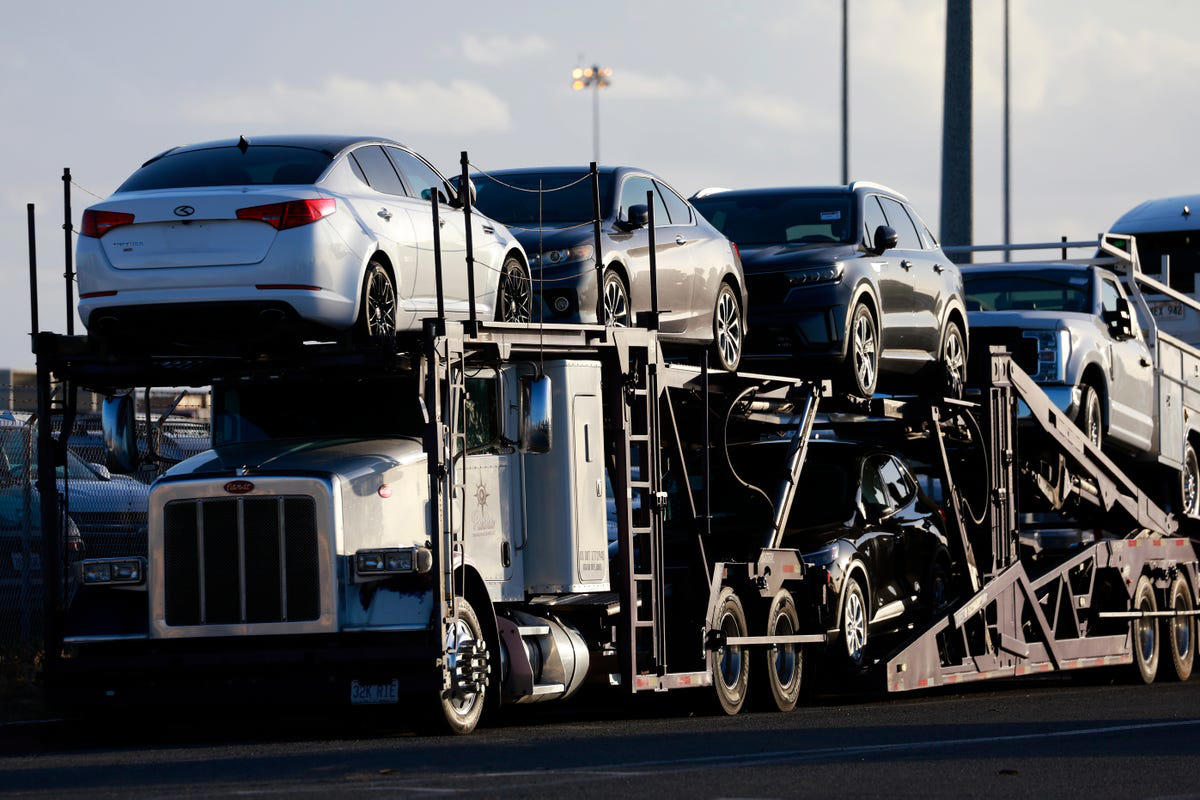
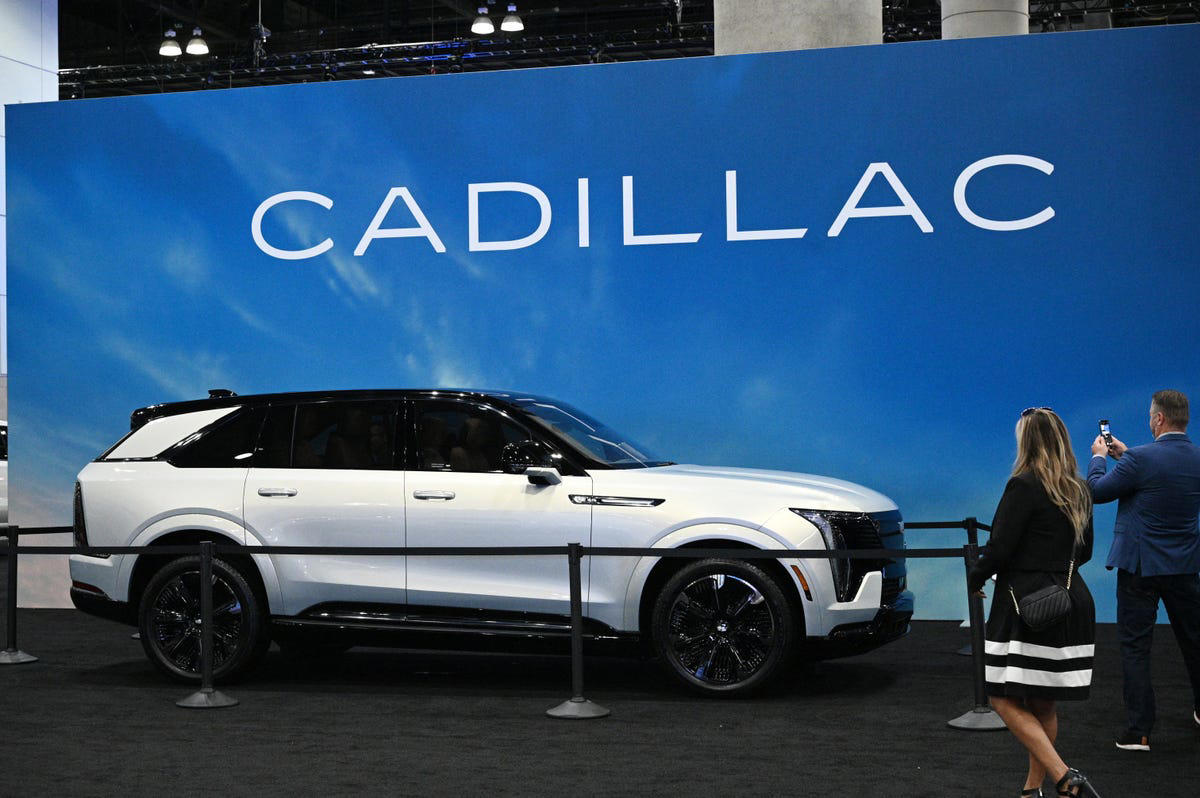
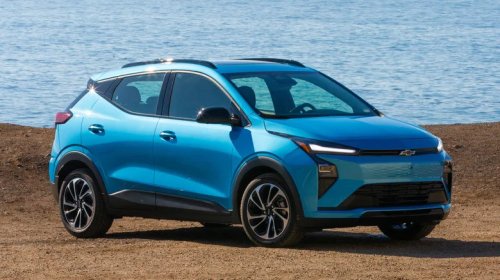
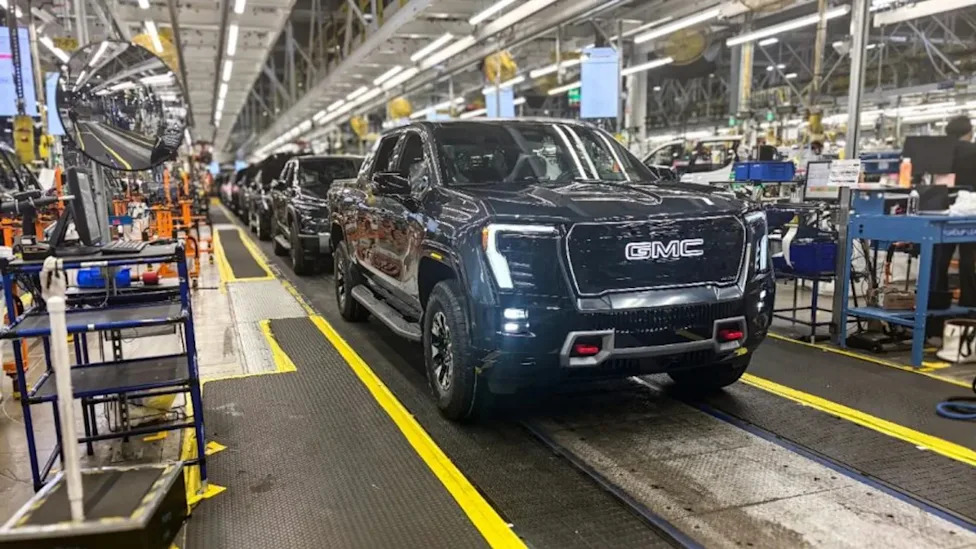
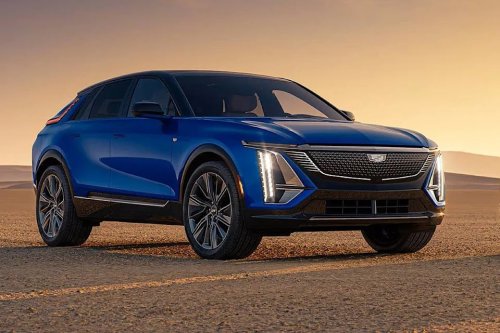
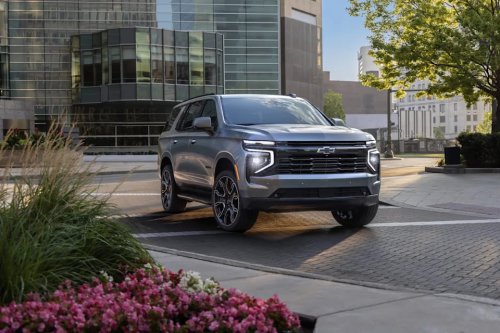
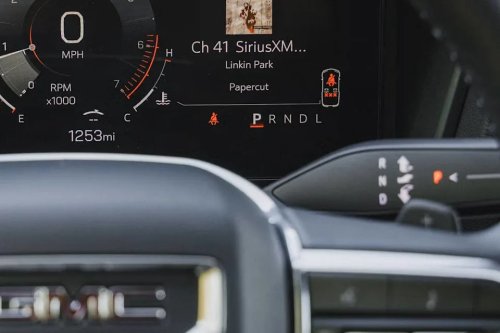
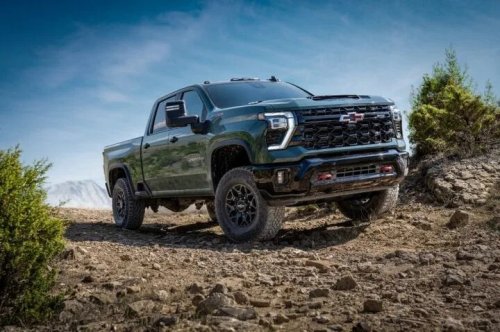
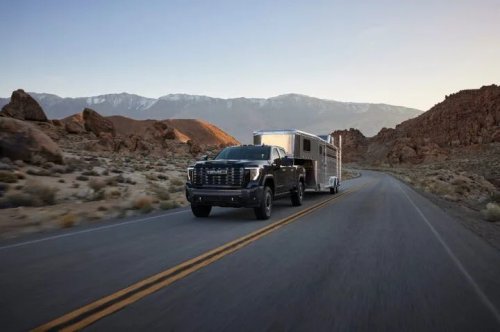
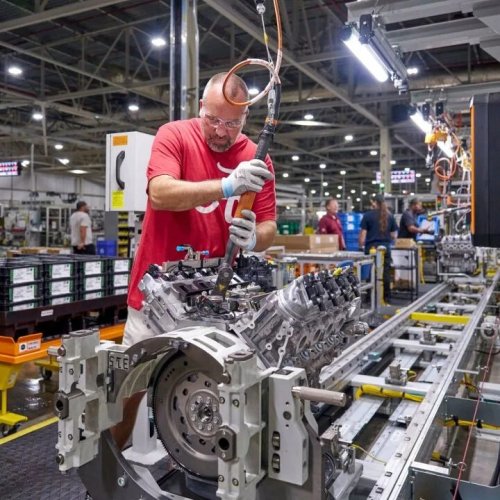
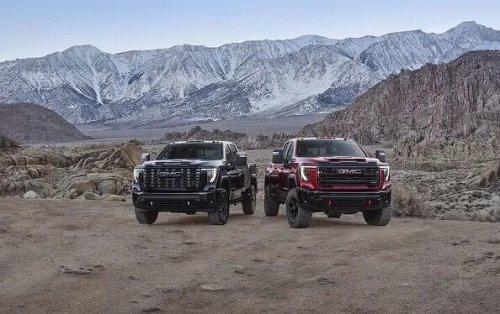
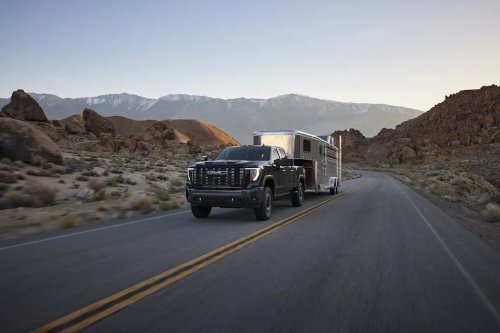
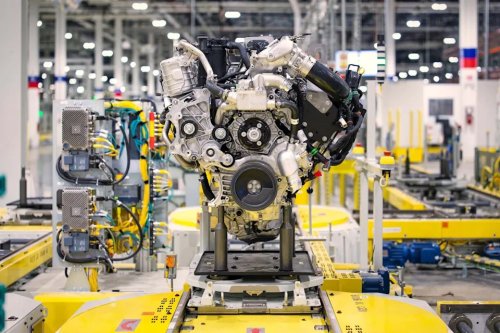
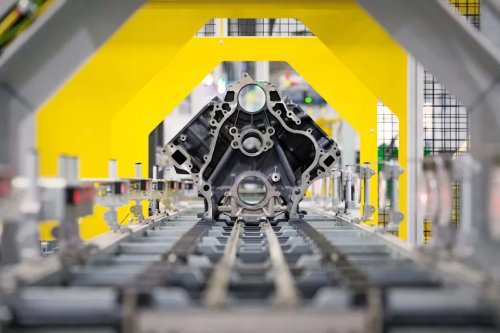
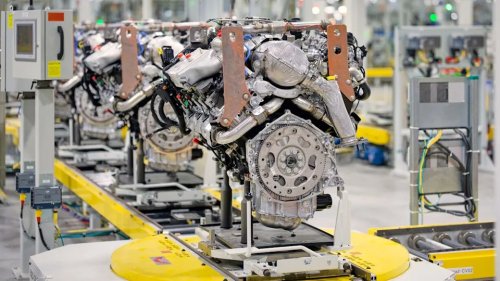
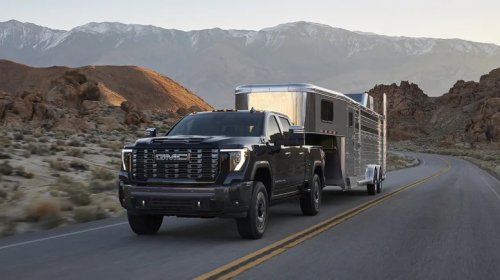
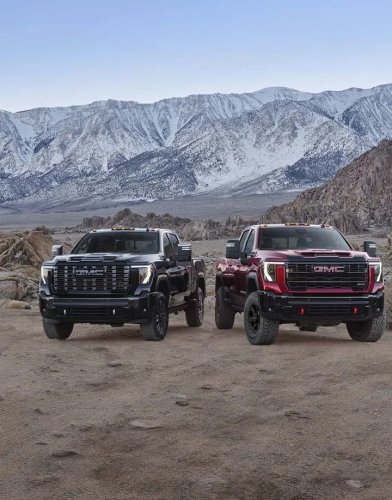
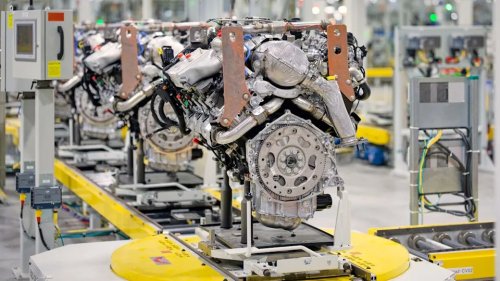
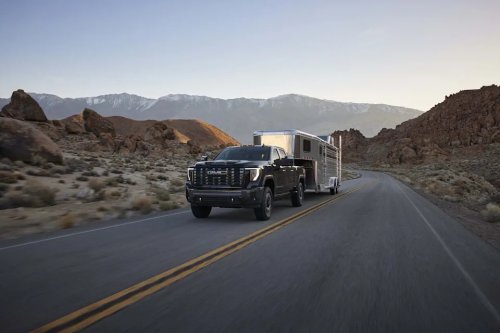
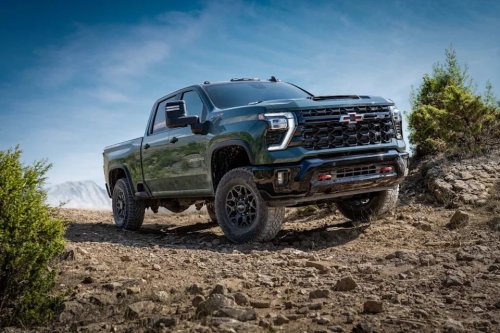
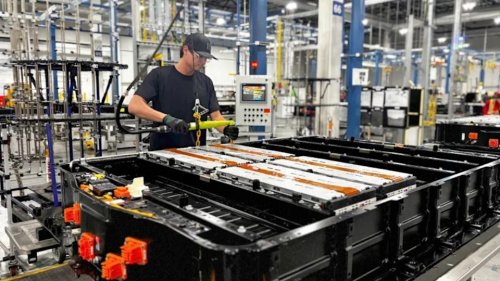
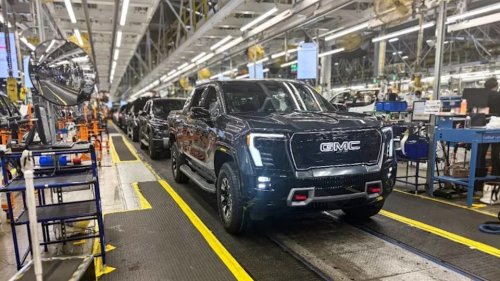
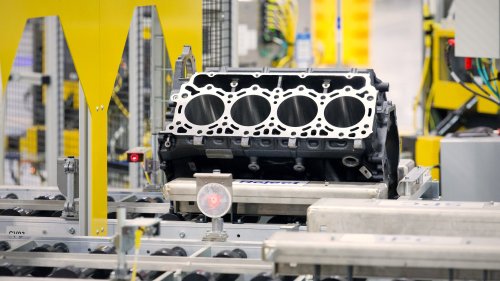
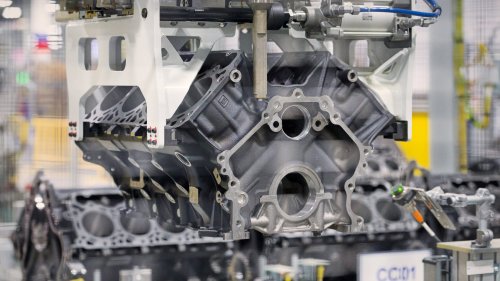
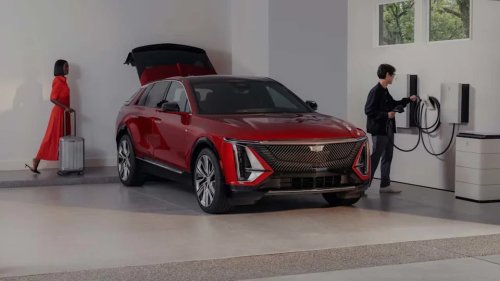
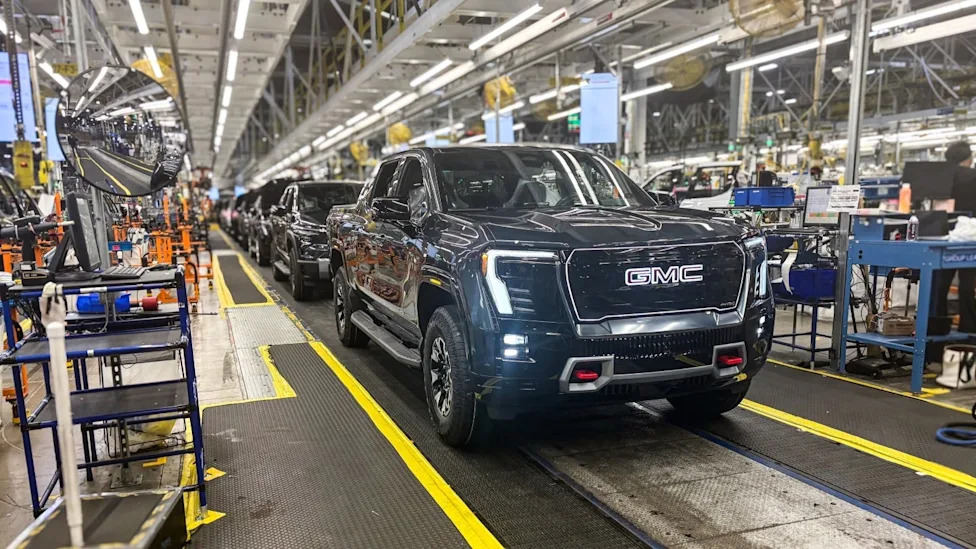
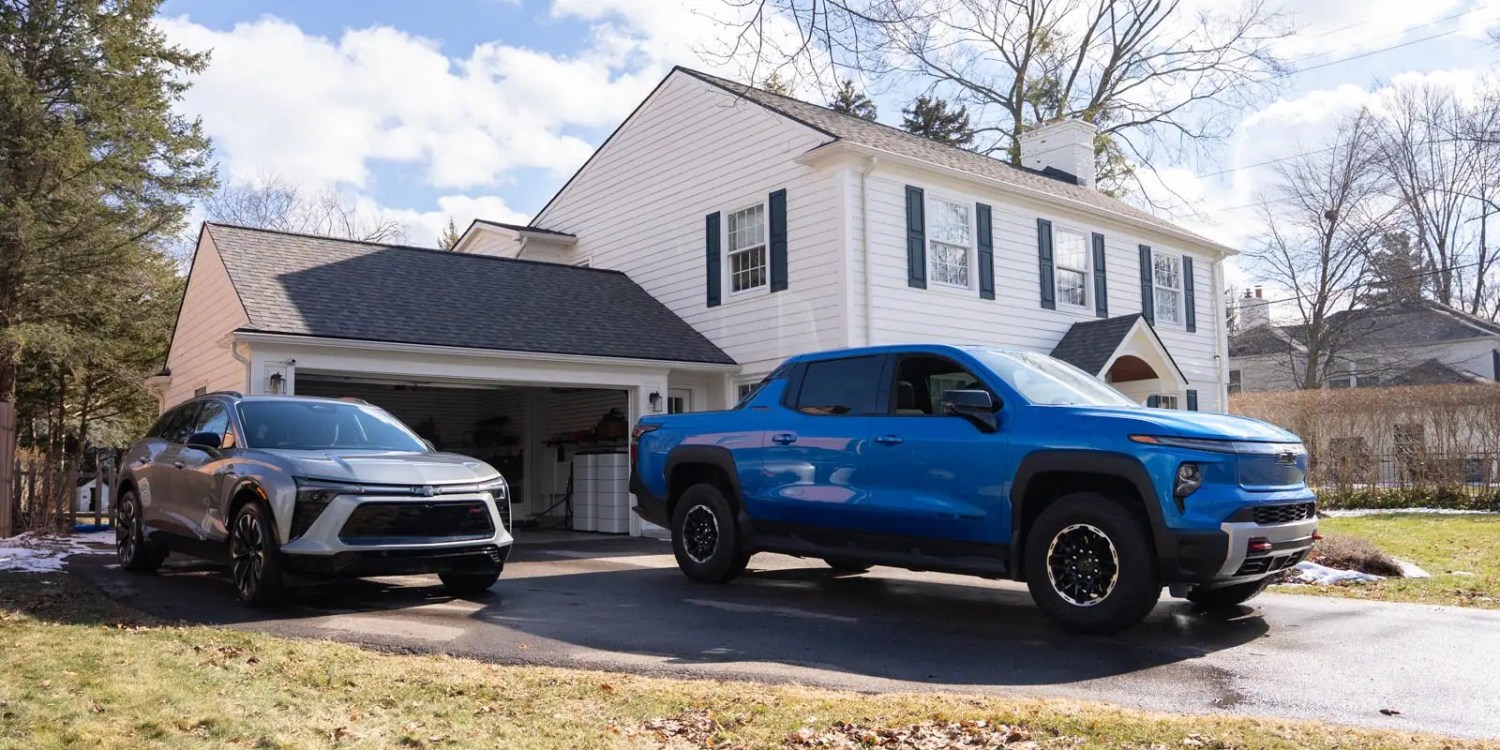
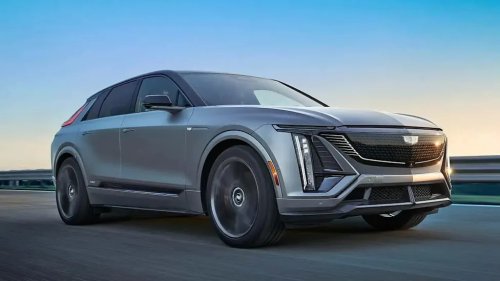
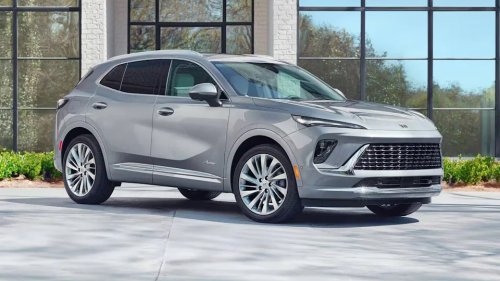
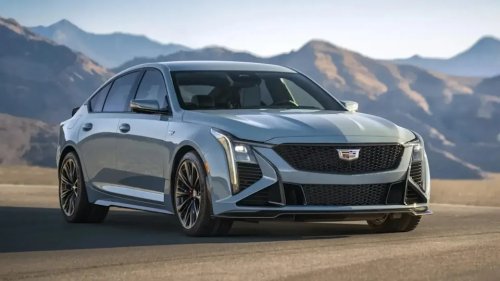
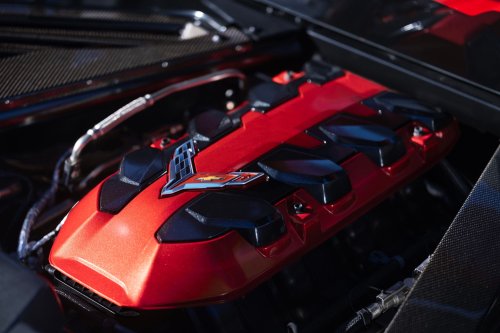
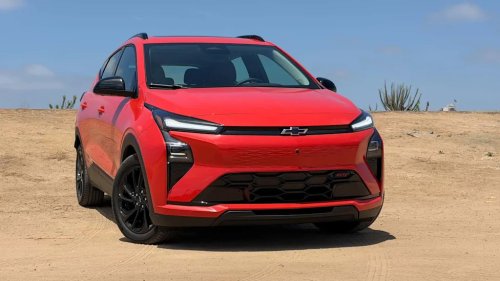
Though it’s the Section 232 Trump administration tariffs still in place that most affect automakers in the US, the Supreme Court’s rejection last February of International Emergency Economic Powers Act (IEEPA) tariffs will save General Motors about half a billion dollars this year.Conversely, commodity inflation, mostly higher energy and logistics costs caused by the war in Iran, will likely eat up such savings.“The number one thing that we are watching is what happens from the Iranian conflict,” said CEO Mary Barra in GM’s first-quarter earnings call with Wall Street analysts. The automaker is managing increased variable costs from the war—largely from higher transportation costs via rising oil prices—by reducing spending in other areas, she said.In its January quarterly report, before SCOTUS scuttled President Trump’s IEEPA tariffs, GM had forecast it would pay $3 billion to $4 billion in gross tariff costs for full-year 2026. Following the ruling, GM now forecasts its full-year costs to be between $2.5 billion and $3.5 billion.Vehicles Imorts And Exports In CaliforniaThat expected reduction comes from GM extrapolating what it will pay in 2026 by removing the IEEPA direct tariffs paid in 2025 from its earlier 2026 forecast, said Chief Financial Officer Paul Jacobsen, but not potential refunds from those unlawful tariffs paid, because “we don’t know when the refunds will arrive,” he said.GM now is forecasting commodity inflation will add $1.5 billion to $2 billion this year, up from the earlier expectations of $1 billion to $1.5 billion, according to GM’s Q1 outlook.Also a result of the war on Iran, which has spilled into adjacent countries, GM International has pulled about 7,500 full-size sport/utilities—Chevrolet Tahoes and Suburbans, GMC Yukons/XLs and Cadillac Escalades—originally to be sold in the Middle Eastern market, back into North America, Jacobsen said.On the product side, the crossover sport/utility segment from the Chevy Trax and Buick Encore GX on up to the Chevy Traverse, GMC Terrain, Buick Enclave, and the soon-to-be discontinued Cadillac XT6 now make up 46% of GM’s sales, up from nearly 40%, Barra said. GM can still claim to be number-two in US electric vehicle sales, behind Tesla, with Cadillac EVs up 20% year-over-year for Q1, to more than 9,500 vehicles, plus more than 10,500 Chevrolet Equinox and Blazer EVs sold, according to the quarterly report.US-AUTO-SHOW-LAAverage transaction price along its full portfolio is about $52,000, which is slightly higher than the US industry ATP that has hovered just below the $50,000 mark for several quarters, reflecting the strength of GM’s sales of those well-equipped full-size pickups and SUVs. GM also claims incentives among lowest of the industry, at 4.4% of manufacturer’s suggested list price, versus 6.6% on average.Approximately 50,000 new SuperCruise customers were added in the first quarter, for an 85% increase in revenues year-over-year and on-target for $400 million for the full year 2026. Touting profitability of its digital services much in the same way Ford touts its digital and aftermarket services for commercial trucks, GM is seeing about 40% retention rate for SuperCruise after owners’ initial three-year introduction period ends, Jacobsen said. Code for approximately 90% of the previously announced SuperCruise V 2.0, the “eyes-off, hands-off” version to make its debut on the next-generation, 2028 Cadillac Escalade IQ, is being generated by artificial intelligence, Barra said.A hiccup in full-size pickup production in the first quarter will not affect start of production of the all-new 2027 Chevrolet Silverado and GMC Sierra pickup trucks, set to ramp up production in the third quarter on the way to a fourth-quarter debut. The trucks will feature GM’s next-generation V-8 engine and is expected to spawn hybrid versions.GM earned $4.3 billion in earnings before interest and taxes in Q1, up 22.9%, from $43.6 billion in gross revenues, down 0.9% for the quarter. Global deliveries were down 10.6% year-over-year to 1.3 million vehicles sold and US deliveries were down 9.6% to 626,000 sold. US market share also was down from 16.5% for Q1 of 2025 to 15.8% for this last quarter.