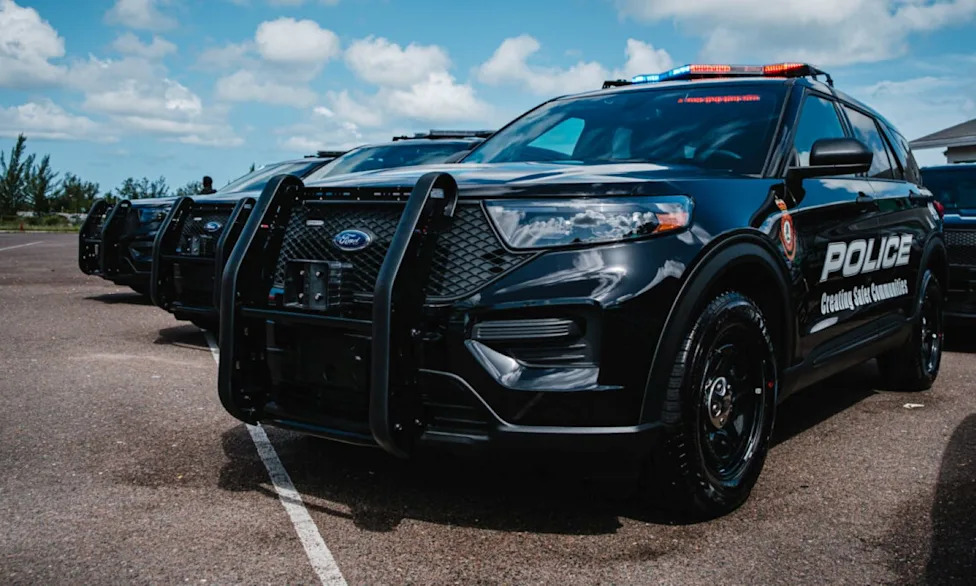
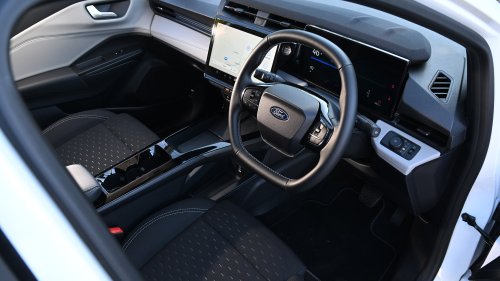
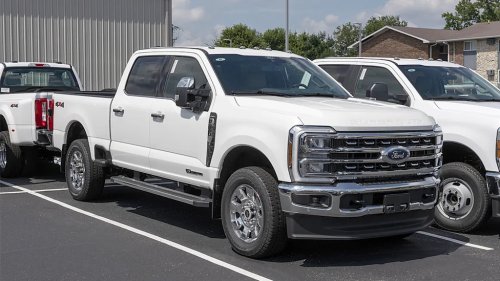
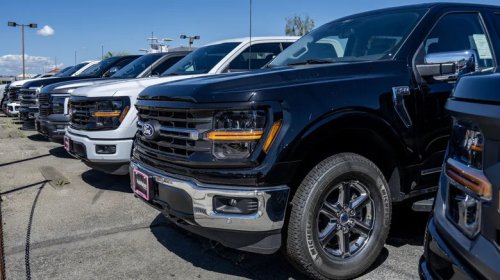
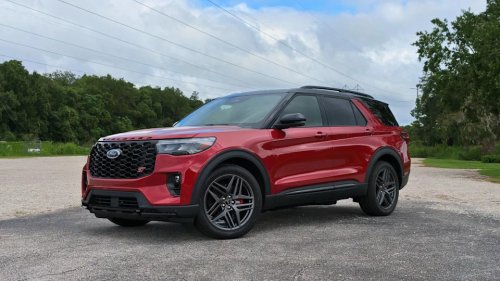
Image: U.S. Embassy in The BahamasYou're doing 47 in a 35. No officer in sight. The Ford Explorer two lanes over — the one with the light bar — has already clocked you, snapped your plate, logged your speed, and queued a report for transmission before anyone inside looks up. No radar gun. No judgment call. Just sensors, algorithms, and paperwork you never saw coming. The rise of the surveillance app era has already shown how quickly these tools move from niche to normalized.That's the scenario Ford's patent application lays out in precise detail. Titled Systems and Methods for Detecting Speeding Violations, filed January 12, 2023, and published by the USPTO on July 18, 2024, the system uses onboard cameras and sensors to identify nearby vehicles exceeding the posted limit, capture images and license plate data, and transmit that package wirelessly to a police unit or roadside monitoring station over an internet connection.What the Patent Actually DescribesThe scope here goes further than a speed gun with a camera attached — and that's the part worth paying attention to.AdvertisementAdvertisementOnboard cameras and sensors detect whether nearby vehicles exceed the posted speed limitThe system captures images, speed measurements, and identifying details including license platesRecorded data transmits wirelessly to a police vehicle or roadside enforcement unitPatent language potentially extends beyond speeding to lane violations, reckless driving, expired registration, and DUIFord frames the concept as automating surveillance tasks police already perform manually, specifically in Ford Police Interceptor-type vehicles — part of a broader wave of automaker filings that includes Ferrari's Latest Patent on adaptive aerodynamicsFord moved quickly to contain the interpretation. According to reporting on the patent, a Ford spokesperson stated this filing does not represent a product plan and that customer vehicles will not share driving data with law enforcement.Ford's clarification echoes a standard industry disclaimer: patent filings reflect exploratory thinking, not committed roadmaps, and the vast majority never become products.Why the Fine Print Doesn't Fully Settle ItThe evidentiary and civil-liberties questions this patent raises don't disappear just because the product doesn't exist yet.AdvertisementAdvertisementThe patent language doesn't stop at squad cars, and the legal questions it surfaces are genuinely unresolved. There is no single, uniform nationwide standard for whether machine-detected traffic violations carry the same legal weight as a human officer directly witnessing one — automated enforcement has been treated differently across jurisdictions for years. The dashcam era already normalized cars as witnesses. This is the logical next step: a vehicle as an active participant in your prosecution rather than a passive bystander.At some point, the question stops being about Ford's stated intentions and starts being about infrastructure. Once this capability exists in enforcement vehicles, the boundary between police hardware and consumer hardware has a way of getting blurry — San Jose's Flock Problem offers a preview of exactly how that boundary erodes — and that's a question the patent itself can't answer.From the coolest cars to the must-have gadgets, GadgetReview's daily newsletter keeps you in the know. Subscribe - it's fun, fast, and free.