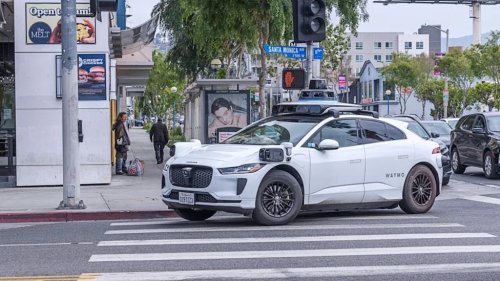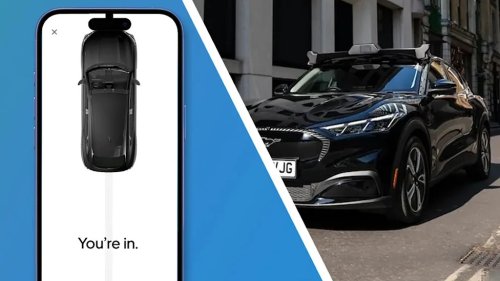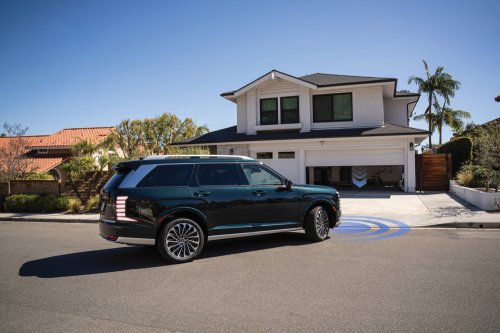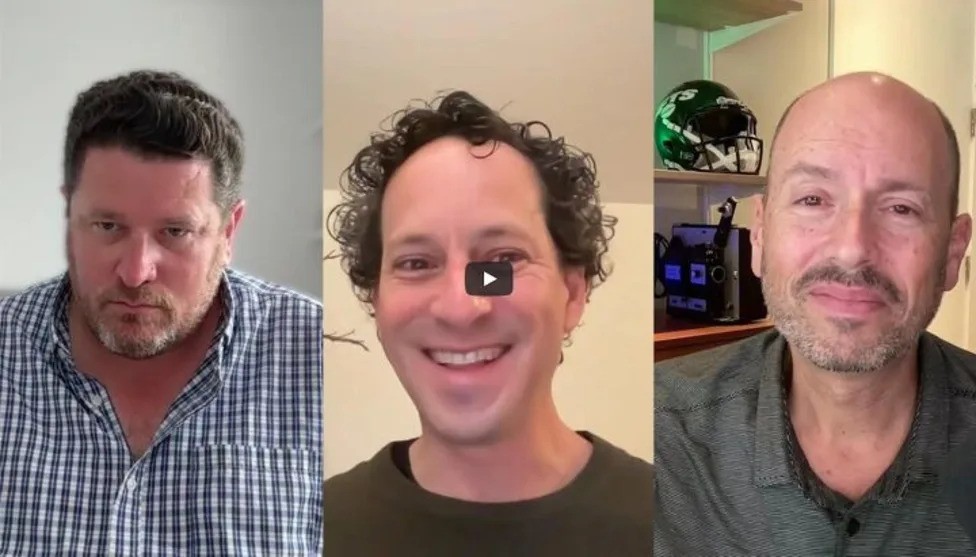



















forget autonomous taxis the future is subscriptionMost city dwellers pay dearly for a car they rarely use, and still, it's hard to access when it truly matters. Ezra Goldman, the visionary behind Upshift, is changing that game. He reveals how autonomous car subscriptions, featuring remote-controlled fleet vehicles, innovative operational models, and strategic teleoperation, are set to reshape urban mobility. You'll discover why current car-sharing models like Zipcar and traditional rentals fall short for parts of the population with specific mobility needs, and how a smarter, more reliable alternative is already on the horizon. Ezra breaks down the practical benefits of autonomous vehicle subscriptions: cars that show up exactly when needed, get cleaned and charged at central depots, and eliminate the frustrations of availability, unpredictability, and maintenance. This episode dives into disruptive concepts like tele-operations, remote assistance, and the rise of purpose-built personal autonomous vehicles designed for city use. Ezra reveals how Chinese automakers are pioneering the affordable models that will expand access worldwide, and the crucial shift automakers and fleets must embrace to stay relevant. Get ready to rethink the roads. This is the future of urban mobility, and it's ready to roll.AdvertisementAdvertisementThe Urban EV Podcast is about electric vehicle ownership in a city -- and how that can be daunting when you don't have access to a plug. We explore urban charging infrastructure along with the day-to-day experience and economics of public charging your vehicle in a big city.The TTAC Creators Series tells stories and amplifies creators from all corners of the car world, including culture, dealerships, collections, modified builds and more. Below is an AI-generated summary of the transcript - edited by a staffer - of the podcast.[Image: YouTube screenshot]Become a TTAC insider. Get the latest news, features, TTAC takes, and everything else that gets to the truth about cars first by subscribing to our newsletter.AdvertisementAdvertisementSummary: Urban EV Podcast with Ezra Goldman (Upshift)This episode of the Urban EV Podcast features Ezra Goldman, founder of Upshift, discussing how autonomous technology, remote vehicle operations, and subscription services could fundamentally change urban transportation and reduce the need for personal car ownership.The problem with urban car ownershipGoldman explains that many city residents don't need a car every day but keep one for occasional activities such as hiking, skiing, golfing, visiting family, or shopping. Existing alternatives - including traditional car-sharing services like Zipcar - often fail because they are:AdvertisementAdvertisementExpensiveUnreliableFrequently unavailablePoorly maintainedOperationally inefficientAs a result, many people reluctantly own vehicles they use only occasionally.Upshift's solutionUpshift aims to replace ownership with an autonomous vehicle subscription service.Instead of owning a car:Subscribers reserve a vehicle when needed.The vehicle is delivered to their neighborhood.After use, it disappears back to a central depot for charging, cleaning, and maintenance.Customers pay a monthly subscription based on usage rather than ownership costs.Today, Upshift already operates this model manually in San Francisco using hybrid Toyota vehicles.AdvertisementAdvertisementThree categories of urban driversGoldman divides city residents into three broad groups:Occasional driversRarely need a vehicle.Traditional car sharing generally works well.Committed car ownersPrefer driving everywhere.Unlikely to switch to shared mobility.Reluctant ownersDon't want to own a car but need one regularly for a specific activity.This is Upshift's primary target market.Families with children remain the most difficult segment because of car seats, equipment, and unpredictable transportation needs.Why today's car-sharing models struggleGoldman argues existing services suffer from several structural problems:AdvertisementAdvertisementCars sit idle much of the time.Fleets require expensive repositioning.Reservations are tied to specific vehicles.Maintenance costs are high.Utilization rates remain low.Upshift instead routes vehicles through centralized depots where identical vehicles can be dynamically reassigned, improving utilization while reducing fleet size and operating costs.Current operationsToday, Upshift delivers vehicles manually:Employees ride bicycles to customer locations.The bicycle folds into the vehicle.The employee leaves the vehicle and bikes to the next assignment.Current subscriptions offer:4, 8, or 12 days of vehicle access per monthInsurance includedDelivery and pickupHybrid Toyota Corolla vehiclesAdvertisementAdvertisementThe bridge to autonomyGoldman describes a three-stage roadmap.Stage 1: Manual deliveryHuman drivers transport vehicles.Stage 2: TeleoperationsRemote operators drive empty vehicles using cameras and steering controls from centralized control centers.Customers then drive the vehicles themselves.Stage 3: Fully autonomous deliveryVehicles drive themselves to customers.Within approved geofenced areas they operate autonomously.Outside those areas, customers take over driving.The company expects its first autonomous deployment outside the United States.Personal autonomous vehicles vs. robotaxisGoldman distinguishes Upshift's vision from services like Waymo.AdvertisementAdvertisementRobotaxis:Optimized for short urban trips.Often purpose-built without traditional controls.Personal autonomous vehicles:Drive themselves through cities.Can continue beyond geofenced areas with the customer driving manually.Function much like a privately owned vehicle without requiring ownership.He believes this hybrid approach better serves people who need transportation beyond dense urban centers.Business opportunitiesRather than owning massive fleets itself, Upshift increasingly plans to partner with:Car dealershipsRental car companiesFleet operatorsCar subscription companiesRide-share fleet managersAutomakersAdvertisementAdvertisementThese organizations already own thousands of vehicles and could adopt Upshift's software platform instead of building new infrastructure.Teleoperations as a near-term technologyGoldman sees remote driving as the practical bridge before widespread autonomy.Unlike Waymo's remote assistance - which merely advises autonomous vehicles - teleoperations involves humans directly driving vehicles remotely via live camera feeds.Benefits include:Eliminating manual repositioningIncreasing fleet utilizationCentralizing operatorsSupporting multiple cities from one operations centerGermany's recent regulatory changes are highlighted as an important milestone for commercial deployment.AdvertisementAdvertisementTesla versus WaymoGoldman offers a critical assessment of Tesla's autonomous strategy.He argues:Waymo pursues fully mapped Level 4 autonomy using lidar and detailed geofencing.Tesla relies primarily on cameras and driver supervision.Tesla's Full Self-Driving remains an advanced driver-assistance system rather than true autonomy because the human remains legally responsible.He speculates Tesla supplements its system with remote operators during difficult scenarios but acknowledges this is his interpretation rather than confirmed information.Outlook for autonomous vehiclesGoldman predicts the next five years will bring several parallel approaches:Enhanced Level 2 and Level 3 driver-assistance systemsGeofenced Level 4 autonomous vehicles in select citiesHighway-focused autonomous featuresPremium personal autonomous vehiclesHe believes Chinese manufacturers currently lead development of affordable personal autonomous vehicles, though regulatory and trade barriers will delay widespread availability in North America.Overall takeawayThe conversation presents Upshift as a company preparing for a future in which urban transportation shifts from vehicle ownership to on-demand autonomous subscriptions. Rather than waiting for full self-driving technology to mature, Upshift is building a scalable business through today's shared mobility services, then gradually introducing teleoperation and autonomy as the technology and regulations evolve. Goldman argues this approach addresses many of the shortcomings of traditional car-sharing while giving automakers and fleet operators a pathway into the autonomous mobility era.