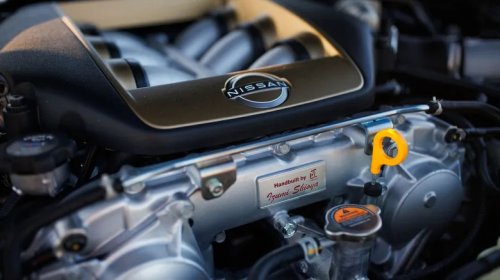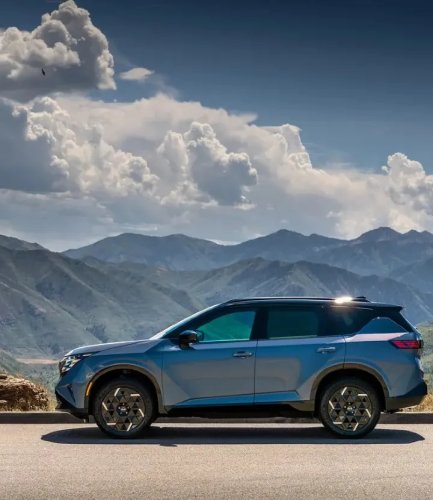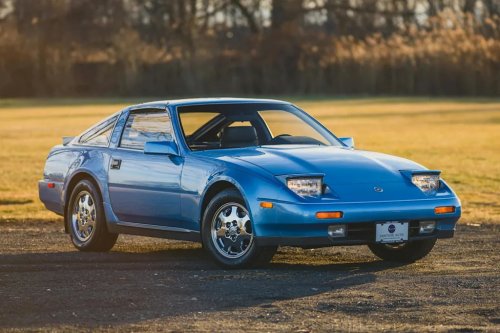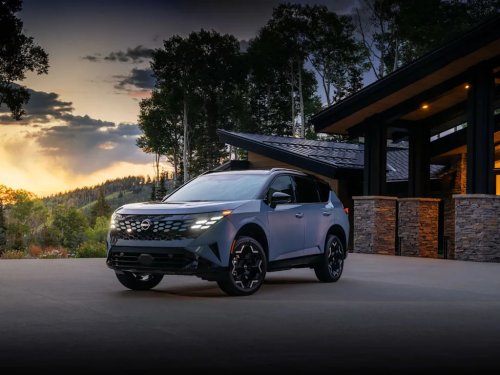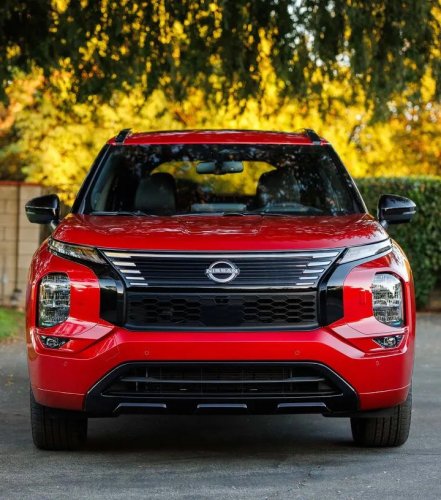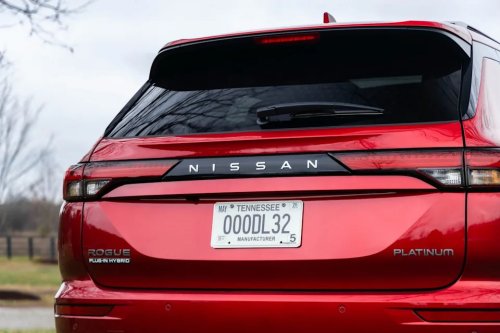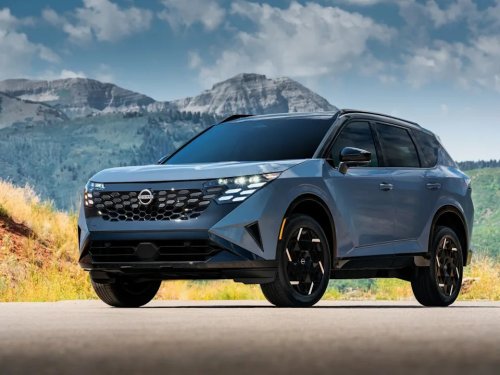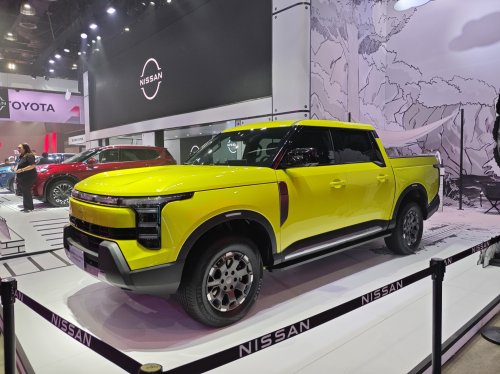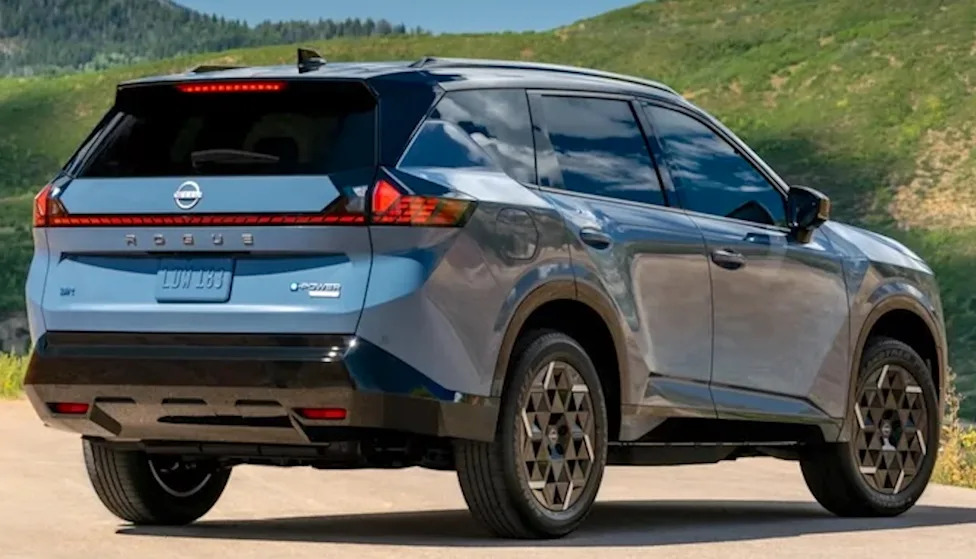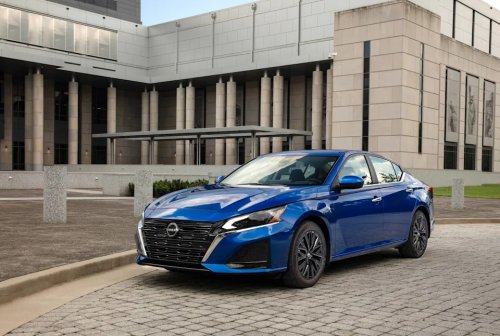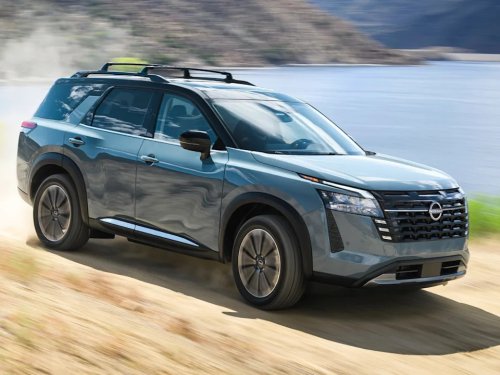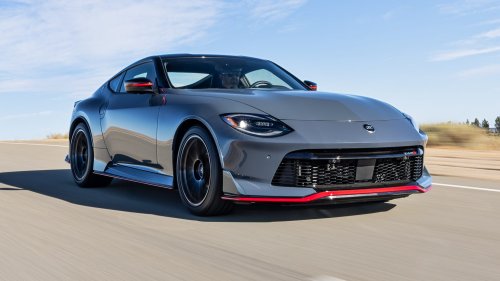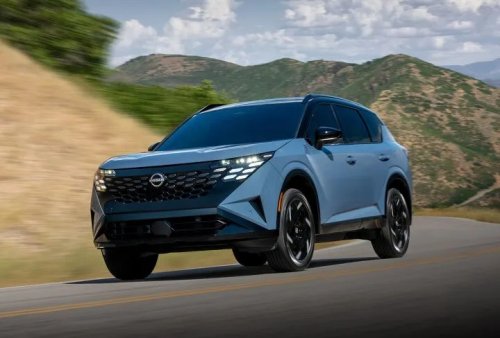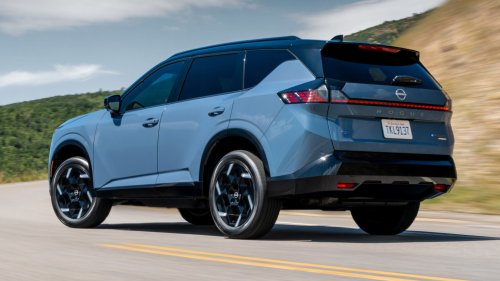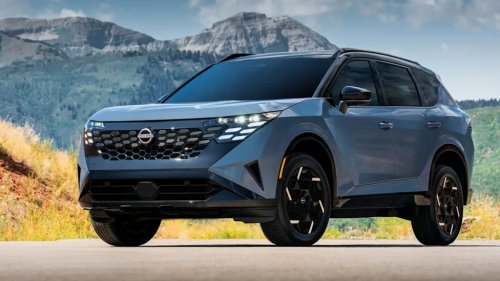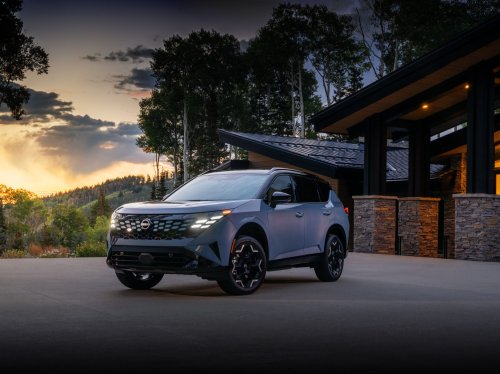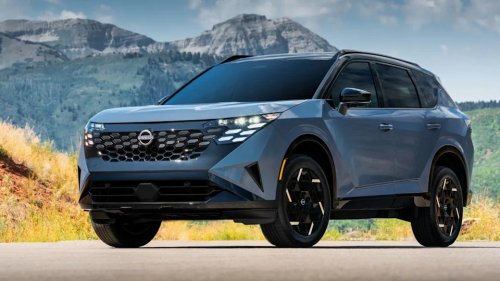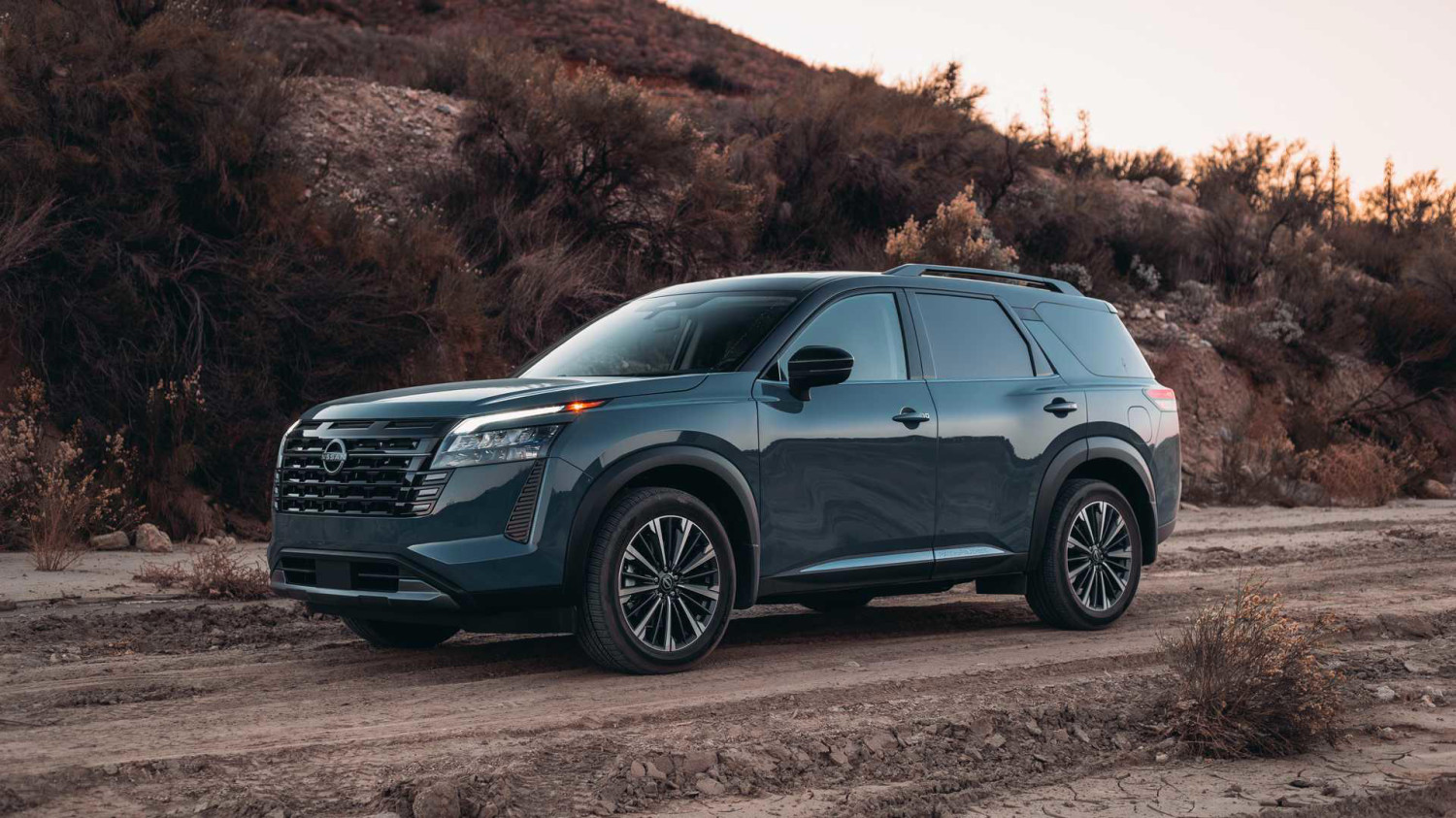

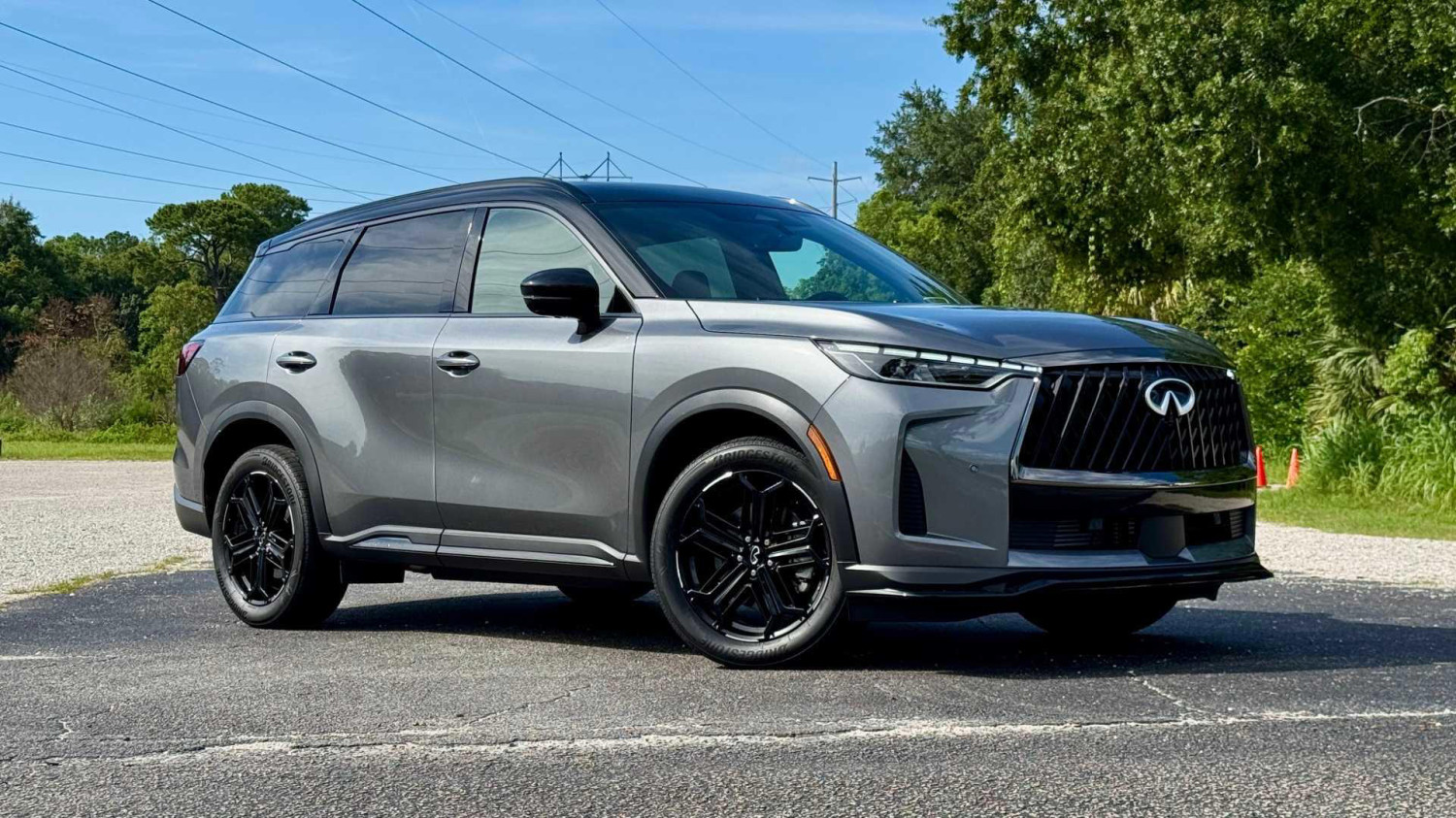



















One of the big themes of the car industry over the last couple of decades has been downsizing, not necessarily of the actual size of vehicles, but with engines. Automakers have dropped cylinder counts and displacement, and made up for it with turbochargers. The turbocharged four-cylinder is far and away the most common powerplant today, even ending up in unexpected applications like entry-level GM full-size pickups. Nissan, however, seems to think there's still a place for engines with more than four cylinders, revealing that it's committed to V6s in some of its volume products.Ian Wright/CarBuzz/Valnet Don't Expect A V6 Sentra It would've been easy to miss Nissan's plans to take advantage of the V6. This week it revealed two new production cars, previewed another few, and talked about various technology plans. The engine plans were one of them, and a relatively minor one toward the end of a press release. Where Nissan talks about its plans for the American and Canadian markets, it confirmed that its new body-on-frame products and D-segment SUVs will continue to use hybrid and non-hybrid V6s. Since it doesn't say anything about smaller vehicles than those, we're assuming those will still use engines with lower cylinder counts.NissanWe already knew that the new Xterra will get a hybrid version of a V6 when it launches in 2028. It will be among the first new body-on-frame models, which will likely include a new Nissan Frontier. So we can expect the midsize pickup to also retain V6 power. Some rumors have suggested that the Pathfinder could also adopt the platform. Whether it does or not, it falls into the D-segment size class, so it's also going to keep a V6. We figure there's a good chance hybridization also reaches these models, especially if they share chassis components.Jared Rosenholtz/CarBuzz/ValnetThis also could be bad news for Nissan's VC-Turbo four-cylinder. The odd variable-compression engine was an attempt by the company to create a bit of a V6 replacement, and it did so as the high-output option in the Altima. A three-cylinder version comes in the current Rogue. The four-cylinder also appeared in the now discontinued Infiniti QX50 and QX55, as well as the current Nissan Murano and Infiniti QX60 and QX65. The latter two are interesting as they're derived from the current V6-powered Pathfinder. If Nissan has no plans to put it or any other turbo four-cylinder in its own branded SUVs, though, it may not have much of a future at all. Much Of The Competition Has Gone Turbocharged In all of the segments Nissan mentioned for its V6 plans, four-cylinders have become far more commonplace. The midsize truck segment in particular favors four-cylinders. The Toyota Tacoma, Ford Ranger, Chevy Colorado, and GMC Canyon all use four-cylinder engines almost exclusively, with the exception of the high-performance Ranger Raptor. Just the Jeep Gladiator and Honda Ridgeline use V6s as standard.It's a similar story with Xterra competitors, as the 4Runner, Land Cruiser, and Bronco all have four-cylinder engines as their main power plants, with only high-end Broncos and the Wrangler having six-cylinder options. There are a few more six-cylinder options in the three-row SUV segment from Honda, Mazda, Dodge, Hyundai, and Kia. Still, there are plenty of four-cylinder options from Ford, GM, and Toyota. The V6 Gives Nissan A Chance To Stand Out There are good reasons automakers have focused on turbocharged four-cylinders. They're lightweight, offer excellent torque, and as long as you're not using the boost too much, they can achieve impressive fuel economy. As for why Nissan might stick with V6s, there are some other good reasons. One of the major ones is that V6s tend to run more smoothly than four-cylinder engines. The extra pistons and combustion pulses help even out vibrations. Naturally aspirated V6s also lack the complex piping and the cooling challenges presented by turbo engines. As such, Nissan choosing this route could help them lead with some extra refinement over the competition, and hybrid options could make up for efficiency issues.