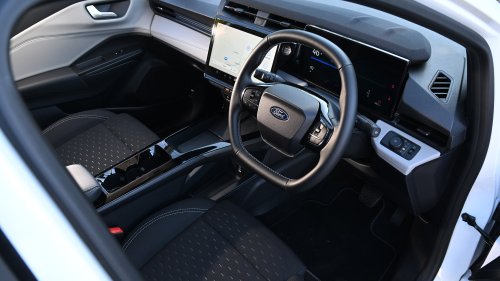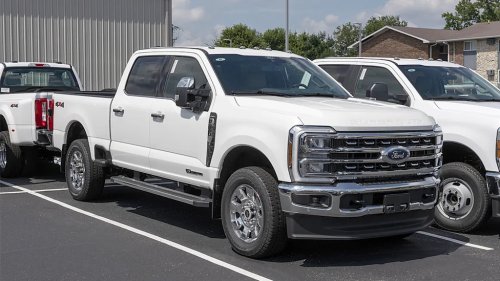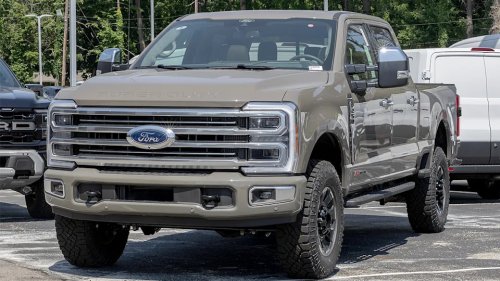






















In an age where surveillance technology is making its way into law enforcement agencies, such as Flock Safety's Automatic License Plate Readers and SignalTrace, which can link electronic signals emitted by devices such as AirPods and smartphones to a license plate, creating an "electronic fingerprint." Now, a Ford patent could give future police vehicles the ability to act as mobile traffic monitors and license plate readers that can transmit information about speeding vehicles to other law-enforcement vehicles.The technology would use cameras and other onboard sensors to detect vehicles traveling above the speed limit, record their license plates and photographic evidence, and then send the information over an internet connection to law enforcement or a roadside monitoring system. The patent application, titled "Systems and Methods for Detecting Speeding Violations," was filed in January 2023 and published by the USPTO in July 2024, Gadget Review reported.The concept goes well beyond simply pairing a speed detector with a camera. Ford's proposed system could use cameras and onboard sensors to determine when nearby vehicles are traveling faster than the posted limit, while also collecting speed readings, images, and identifying information such as license plates. That would allow the vehicle to monitor surrounding traffic without requiring a separate roadside speed camera.AdvertisementAdvertisementThe patent also describes transmitting the collected information wirelessly to a police vehicle or roadside enforcement unit. More broadly, its language appears to leave room for detecting other violations, including improper lane use, reckless driving, expired registration, and potentially impaired driving. Ford describes the technology as a way to automate surveillance and enforcement tasks that officers currently handle themselves, with the patent specifically referencing vehicles such as the Ford Police Interceptor.a police car driving down a street next to tall buildingsHowever, Ford has pushed back on the idea that the technology signals an upcoming product. A company spokesperson said the filing does not represent a product plan and that customer vehicles will not transmit driving data to law enforcement. As with other automaker patents, the filing should therefore be viewed as an exploration of a possible technology rather than evidence that Ford intends to put the system into production.That said, if this technology is eventually deployed across police fleets in the future, it could raise significant privacy and accuracy concerns. Similar issues have been seen with Flock cameras, where license plates have reportedly been incorrectly flagged, sometimes resulting in police action against innocent people. This highlights the need for any technology used to identify potential violations. potential violations to undergo a cautious, thorough, and systematic rollout.