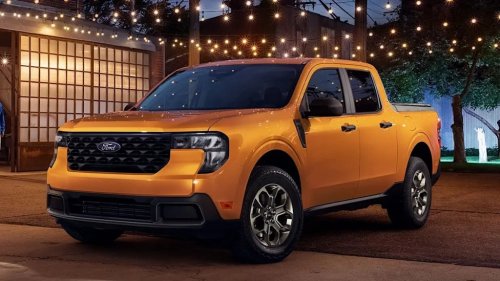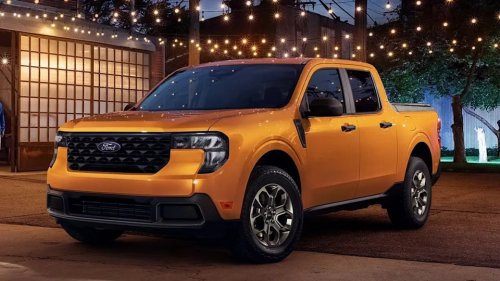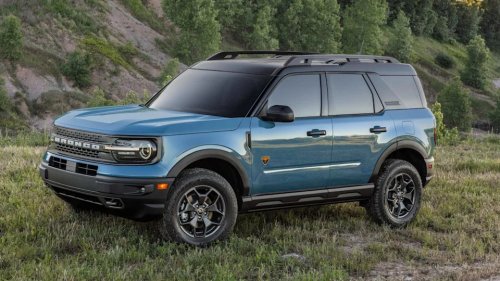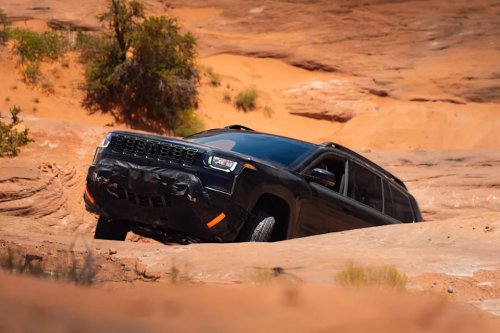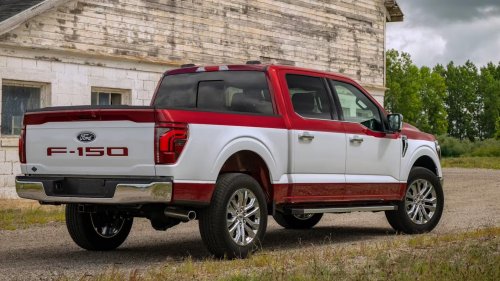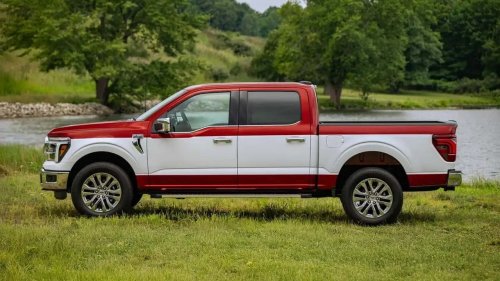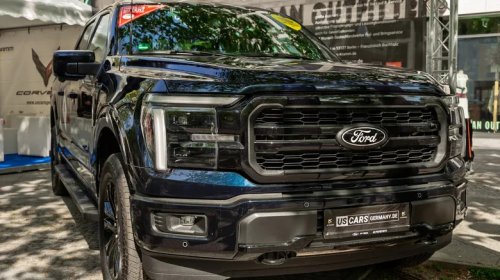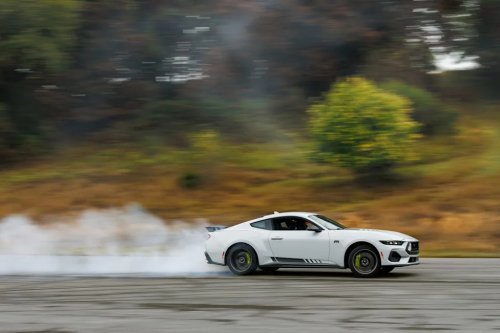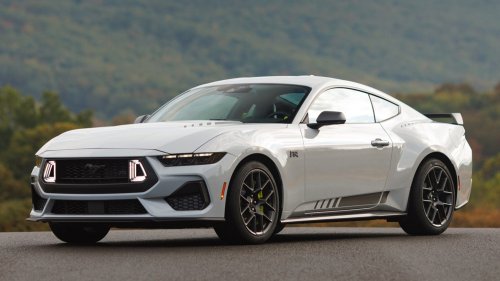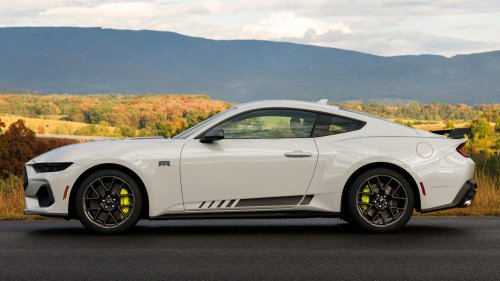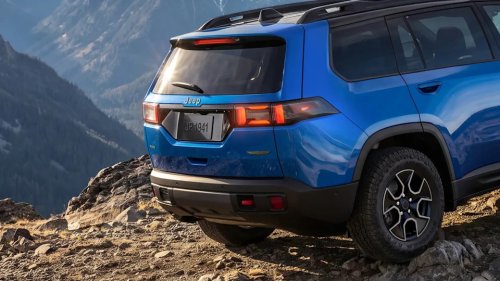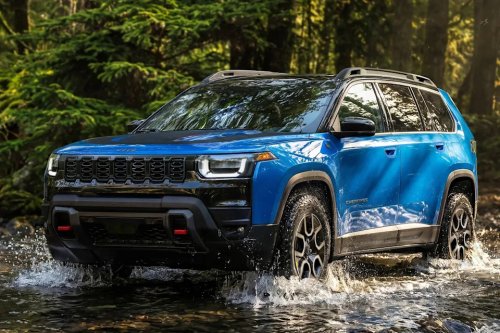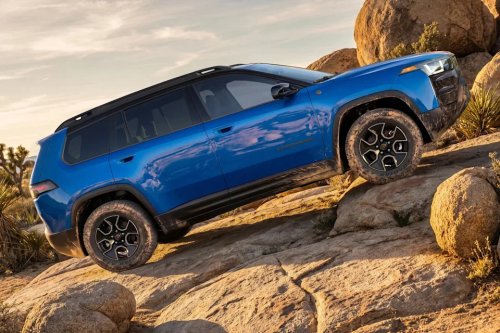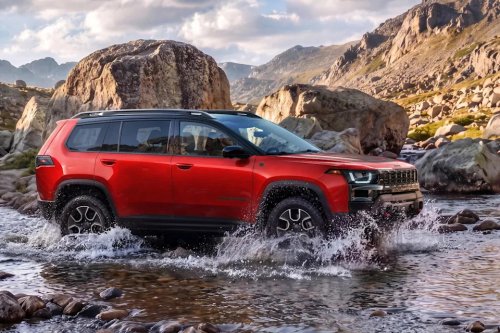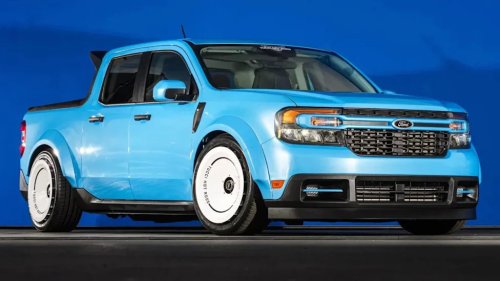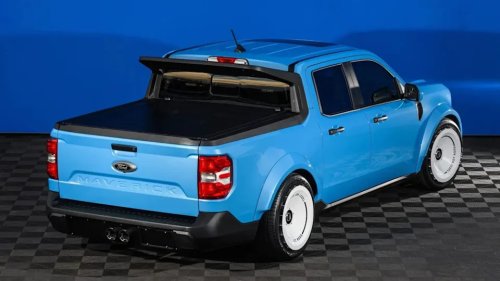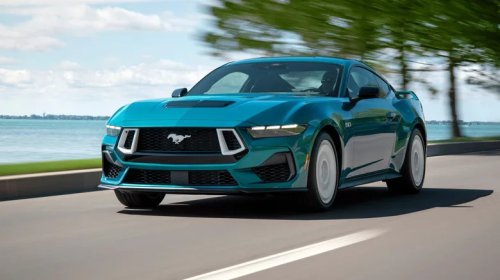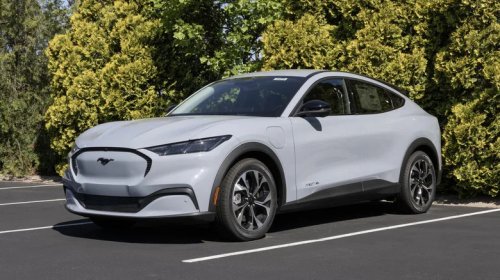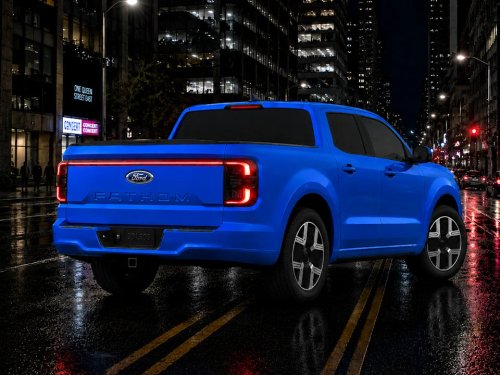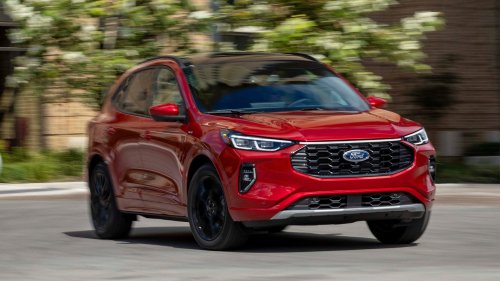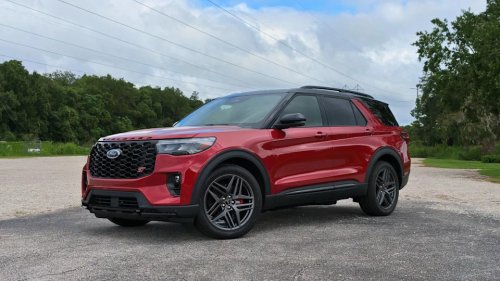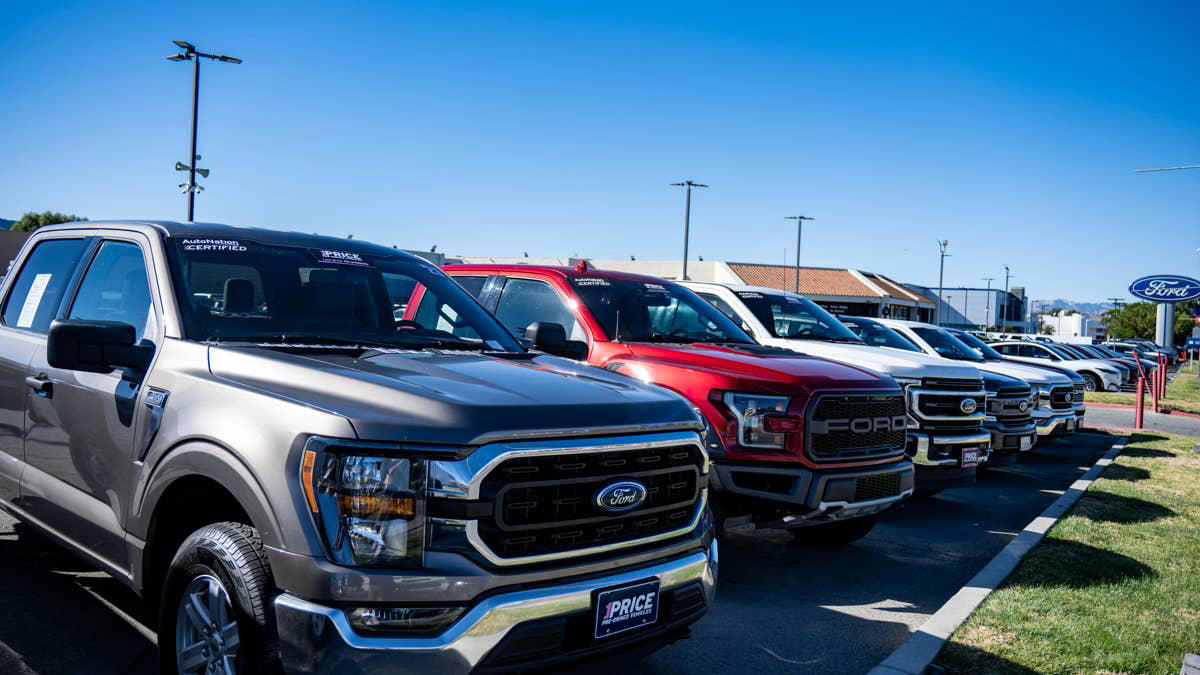



















Every company eventually decides which customers it wants. The harder decision, and the one that never gets a press release, is which customers it can afford to lose.For most of the past century, Ford (F) refused to make that second call. The Model T, the Falcon, the Escort, the Focus, the Fiesta. The company built its reputation on machines a first job could cover and a weekend of wrenching could keep alive.Your parents probably learned to drive in one. You may have too.That arrangement survived decades of price inflation. There was always a Ford parked at the cheap end of the lot, the one with cloth seats and a window sticker you could say out loud without flinching.That car is gone. Not discontinued the usual way, with a farewell edition and a nostalgic press release, but retired as an entire category of vehicle Ford is willing to build.The company has stepped out of the entry-level business in the United States, and the reasoning behind it is finally on the record. What a new car actually costs you right nowBefore you judge the decision, you need the number Ford is reacting to.The average new vehicle sold in the United States went for $49,855 in July, the highest mark of 2026, according to Kelley Blue Book. That is up 1.9% from a year earlier and just short of the record $50,612 set last December.More Automotive:Ford’s first $30,000 shot at increasing U.S. EV demand has a nameUber is doubling down on robotaxis, with Chinese partnerWaymo doubles down on the cars America won’t let you buy“Consumers continue to gravitate toward more affordable segments,” said Erin Keating, executive analyst at Cox Automotive, which owns Kelley Blue Book.The financing math is uglier than the sticker. The average monthly payment on a financed new vehicle hit a record $777 in the second quarter, according to Edmunds.One in five buyers, 20.3%, signed up for payments of $1,000 or more. Nearly a quarter stretched their loans to 84 months or longer, another record, and the typical borrower will hand over $9,811 in interest before the title clears.“Affordability is such a massive hurdle that buyers are forced to stretch their budgets,” said Jessica Caldwell, Edmunds’ head of insights.Down payments are shrinking at the same time. Buyers put an average of $5,815 down in the second quarter, just 11.6% of the purchase price and the smallest share since 2020, according to Edmunds.That combination, a longer loan against a thinner deposit, is how a household ends up underwater on a car it still needs for work.When I mapped those payment records against Ford’s current window stickers, the strategy stopped reading like a betrayal and started reading like arithmetic. If the average buyer is already carrying $777 a month, the profit sitting inside a $23,000 economy car rounds to nothing.Why Ford is walking away from the budget buyerFord would rather sell you something you covet than something you settle for.The company is concentrating on premium sport utility vehicles, pickups and sports cars, plus the accessories buyers happily bolt onto them, The Wall Street Journal reported. Chief Executive Jim Farley has framed the ambition as turning Ford into the Porsche of off-road.“We play only where we have real competitive advantage, or we can build one,” Farley said.Investors are not arguing with him. Ford beat estimates in the quarter with adjusted earnings of 42 cents per share against a 35-cent consensus, then raised its full-year operating profit guidance to a range of $10 billion to $11 billion, according to Morningstar.Selling a loaded Bronco with a rooftop tent simply earns more per unit than moving another anonymous compact sedan.Here is what that philosophy looks like on a dealer lot this month.The cheapest Ford that is not a truck, the Bronco Sport, starts at $33,840 with destination, according to Cars.com.The compact Maverick pickup is the true entry point at roughly $23,000, according to Carscoops.Chevrolet’s Trax starts at $21,700, more than $12,000 under Ford’s cheapest crossover, according to Cars.com.Ford’s Fathom electric pickup will start at $28,350 when it reaches showrooms, according to CNBC.The average new vehicle sold for $49,855 in July, according to Kelley Blue Book.That spread between the Trax and the Bronco Sport is the entire argument. General Motors still keeps a door open below $25,000. Ford has closed it.What Ford’s premium bet means for your next paymentThe uncomfortable part is that Ford has been saying something softer in public.Farley told CBS News in the spring that most of the automaker’s new models would land at or under $40,000. Five affordable vehicles are promised for the U.S. by 2030, and Ford just named the first of them.The Fathom, a midsize electric pickup priced at $28,350, is real. It also is not arriving until 2027, which does nothing for you if your current car dies in October.What struck me comparing the earnings transcript against the July sales report is the timing gap. Ford’s U.S. sales fell 10.2% last month, according to CNBC, and the affordable lineup meant to answer that slide is still a model year or two out.Shares closed at $14.37 on Aug. 14 after a 3.46% gain, well under the 52-week high of $17.78.What budget shoppers should watch from hereFord is not wrong that cheap cars are a punishing business. Thin margins, price-sensitive buyers and tariffs on imported parts turn the entry-level segment into a grinder, and Farley is being honest about refusing to fight there.Somebody is still going to sell a vehicle to the household earning $60,000 that needs dependable transportation before spring. For now that somebody is Chevrolet, Hyundai or a three-year-old lease return.The practical move is to shop by payment instead of by badge. If you have driven Fords your entire adult life, the car that actually fits your budget is probably wearing a different logo for the next two years.Watch the Fathom’s launch price rather than its announcement price. Electric pickups have a habit of arriving heavier and costlier than the number that got the headlines.My read is that the affordable Ford eventually comes back, just wearing a costume. Farley has warned staff that Chinese automakers could reach America within five to 10 years, according to Carscoops, and those rivals compete on price before anything else.Then watch the four-door Mustang Ford is reportedly developing. If that car lands near $35,000, Farley will have found a way to sell an affordable Ford to people who would never admit they bought one.