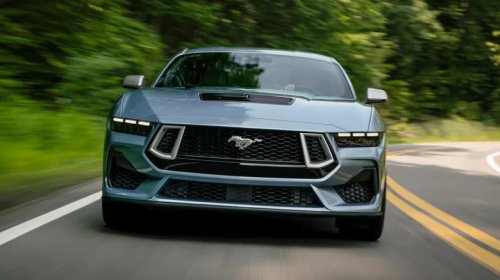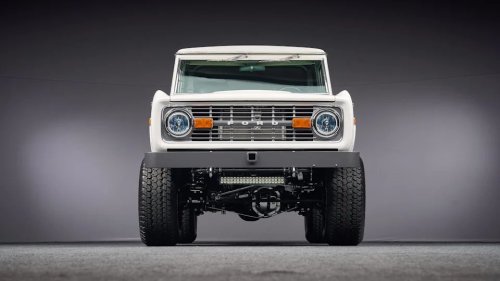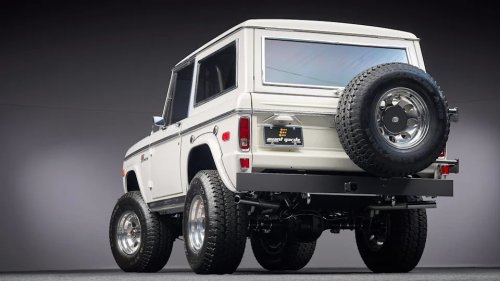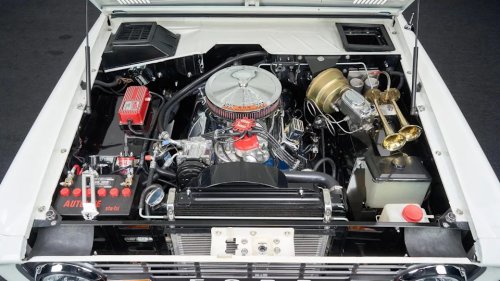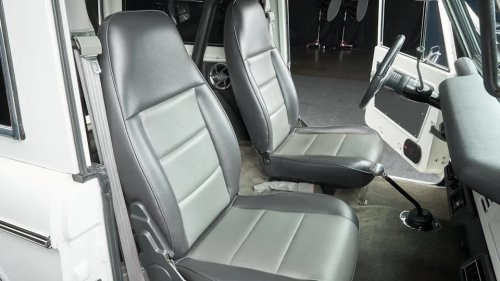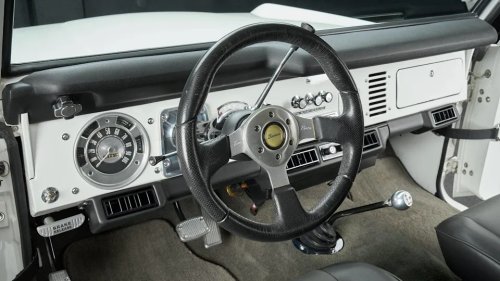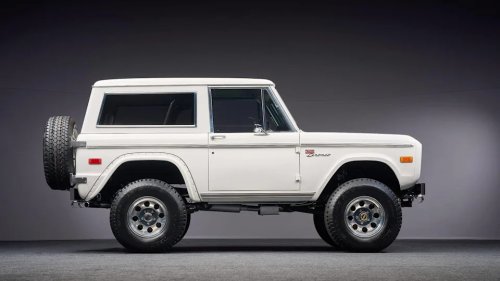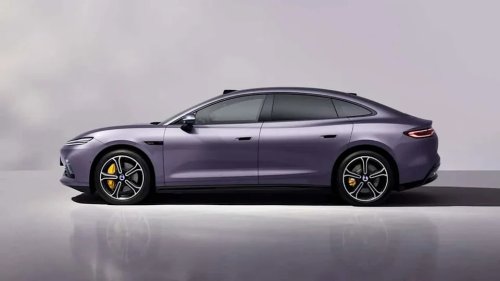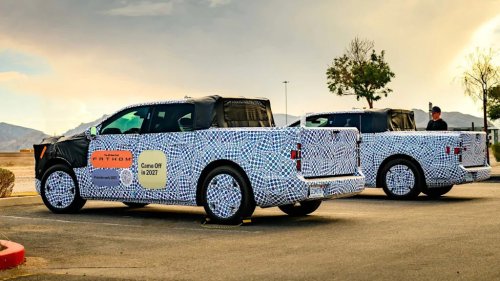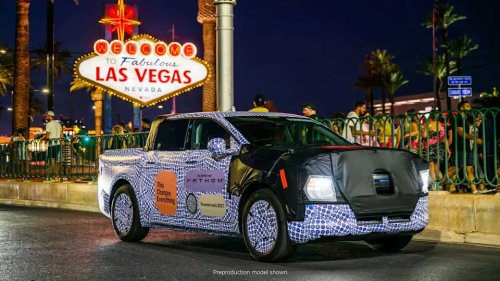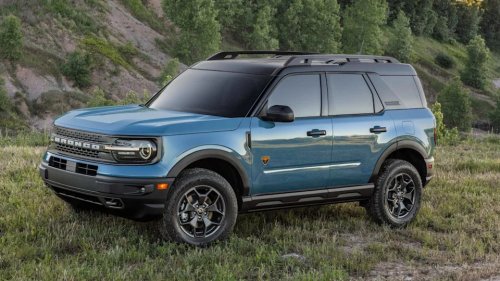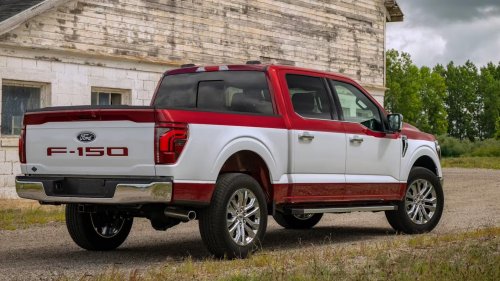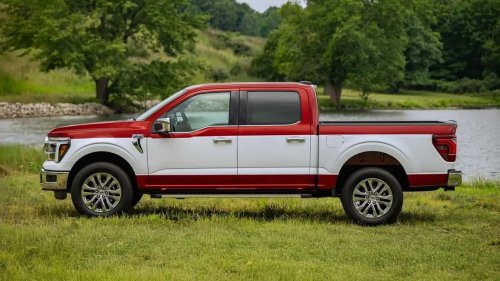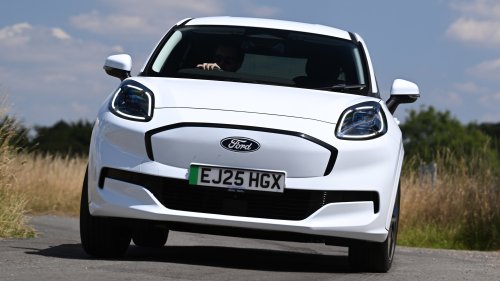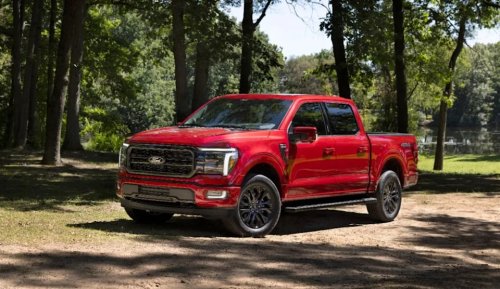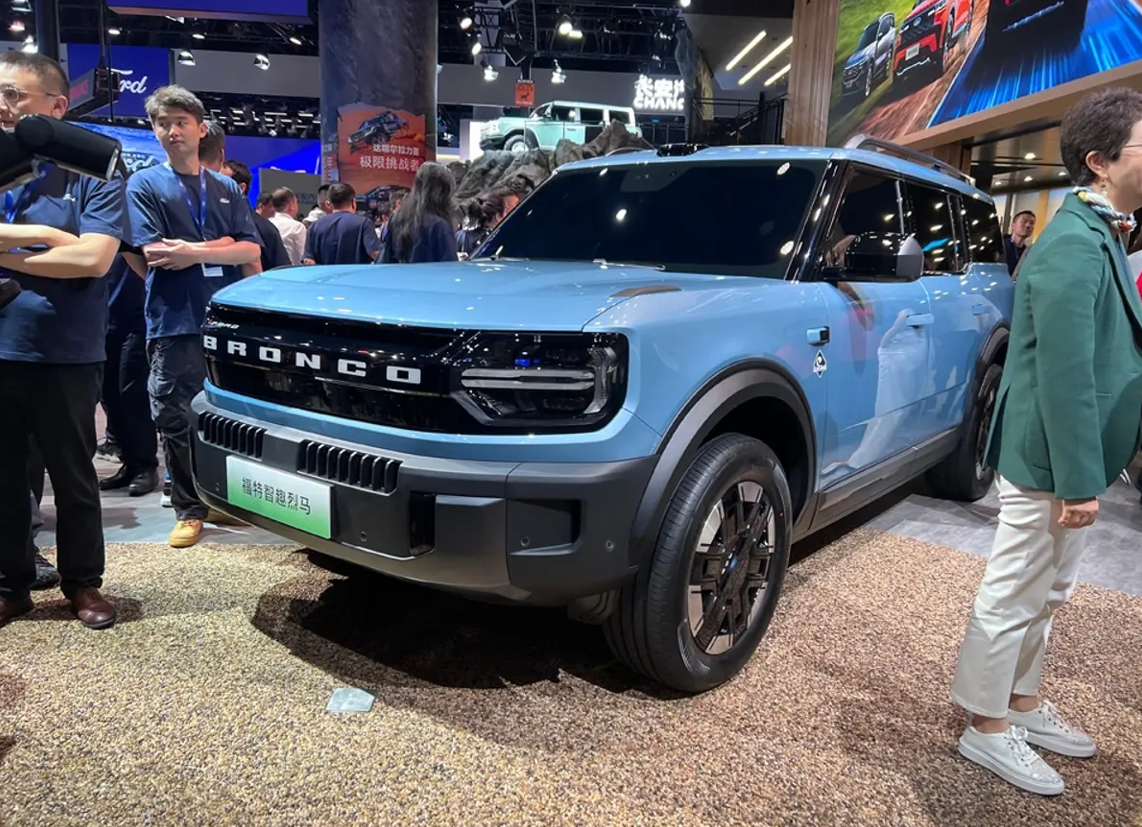
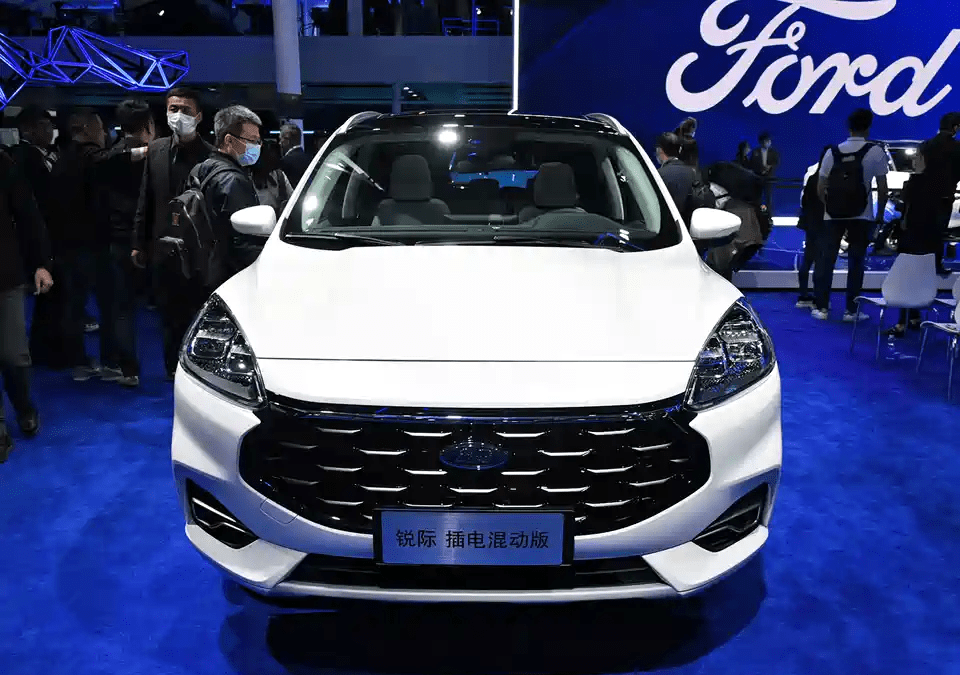
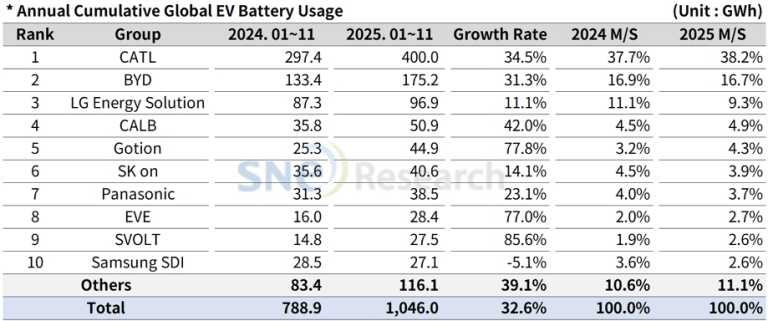



















If an agreement is reached, Ford would use BYD-supplied batteries in vehicle plants outside the United States. Ford Motor is in discussions with BYD over a potential battery partnership, centered on sourcing batteries from BYD for some of Ford’s hybrid models, according to a report by WSJ citing people familiar with the matter. Sources said the two sides are still negotiating the structure of the cooperation. One option under consideration would see Ford import BYD-supplied batteries to its manufacturing plants outside the United States for vehicle assembly. The report noted that talks are ongoing and no deal has been finalized. Ford said it maintains discussions with multiple companies on various matters, while BYD declined to comment. Ford Bronco The negotiations come as Ford accelerates a strategic shift away from all-electric vehicles toward hybrids, amid cooling demand for battery electric vehicles in North America. Last month, Ford said it would scale back EV investment due to weaker demand and expects to incur related costs of $19.5 billion. Under its current plans, about half of Ford’s global vehicle sales by 2030 are expected to come from hybrid, extended-range, and fully electric models. As enthusiasm for pure EVs softens, Ford and its peers see stronger growth potential for hybrids in the U.S. market. Data show Ford’s hybrid vehicle sales rose 18% year on year in the fourth quarter of last year to around 55,000 units. Ford Edge EREV equipped with BYD battery Ford and BYD already have a history of cooperation. In 2020, models produced by Changan Ford began using BYD batteries, and the electric Ford Bronco launched in China in December 2025 continues to be equipped with BYD’s Blade Battery. BYD’s battery business has continued to expand externally. Before becoming one of the world’s largest automakers by volume, BYD had already built a strong battery manufacturing operation, including batteries for hybrid vehicles. The company is also accelerating overseas capacity expansion, targeting markets such as Southeast Asia, Europe, and Brazil. Data from SNE Research show that between January and November 2025, BYD’s installed battery capacity reached 175.2 GWh, giving it a global market share of 16.7%, second only to battery giant CATL. At the same time, Ford is not relying solely on overseas battery suppliers. The automaker is building a battery plant in Marshall, Michigan, using CATL’s technology to produce LFP batteries. The facility is scheduled to start operations this year and will mainly supply an upcoming electric pickup priced around $30,000. In the U.S. domestic market, Ford continues to prioritize North American battery sourcing to mitigate tariff exposure and compliance risks.