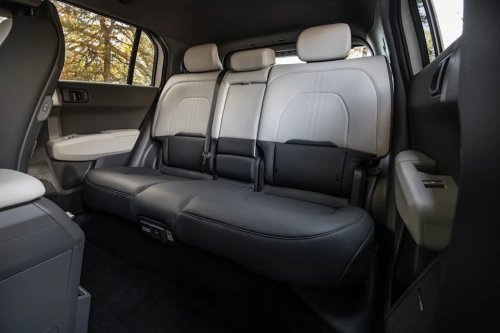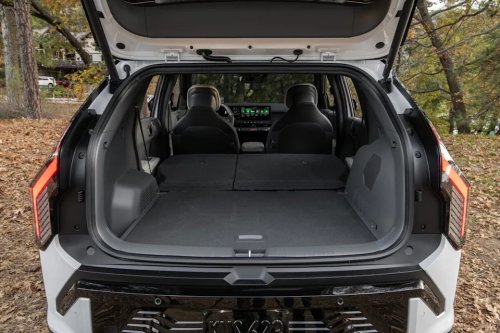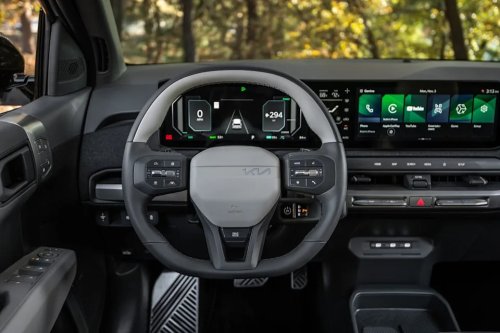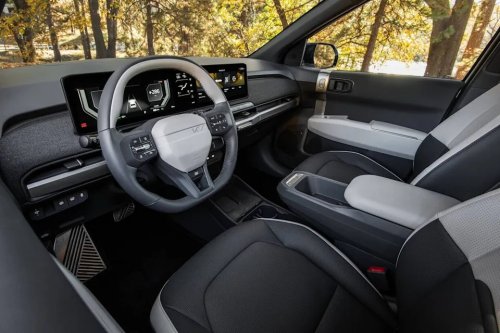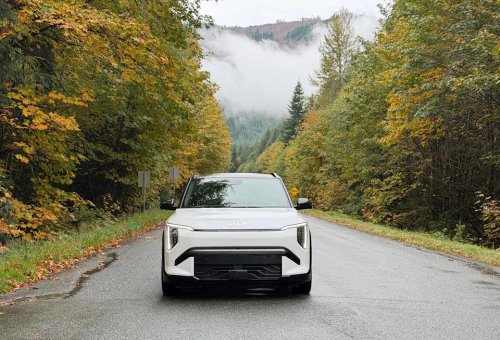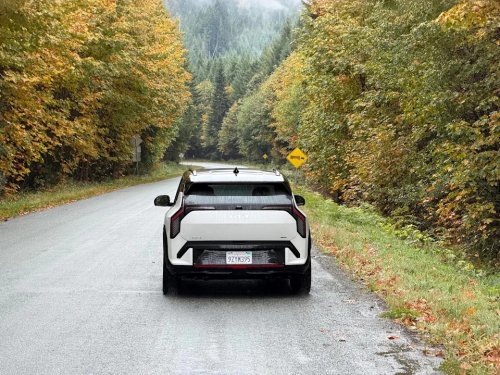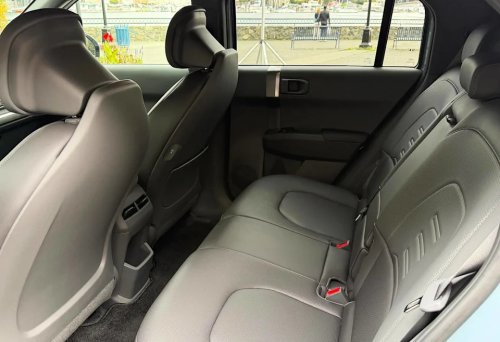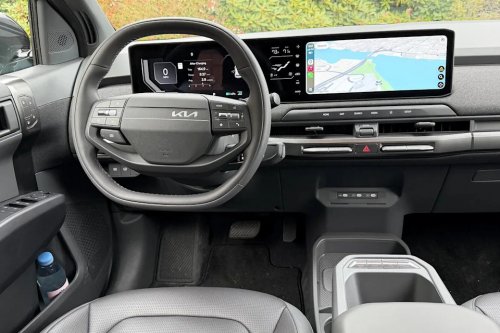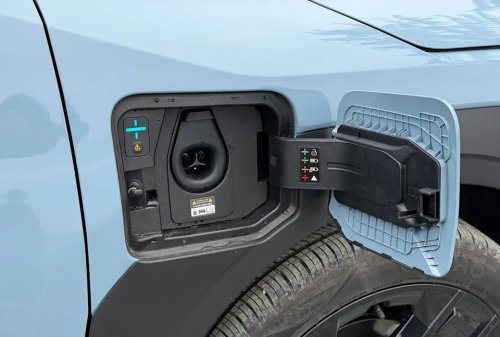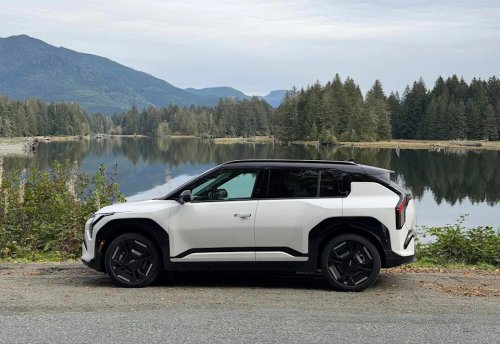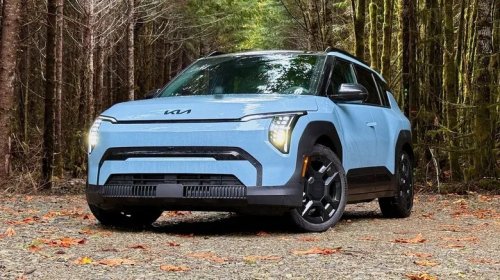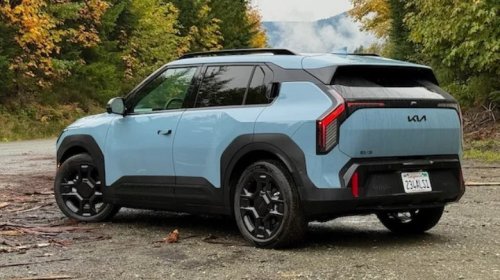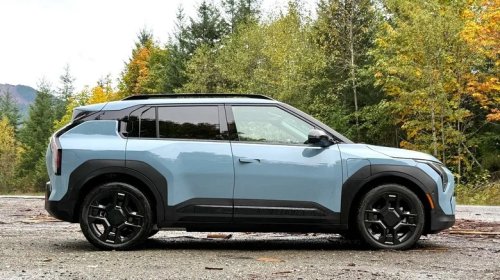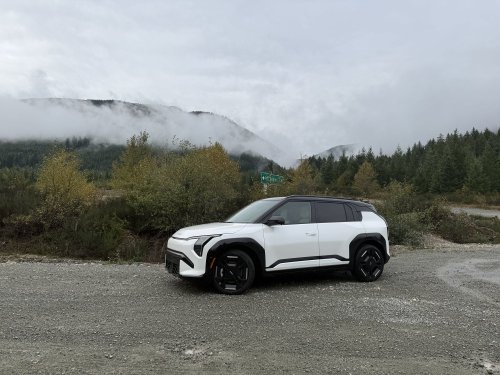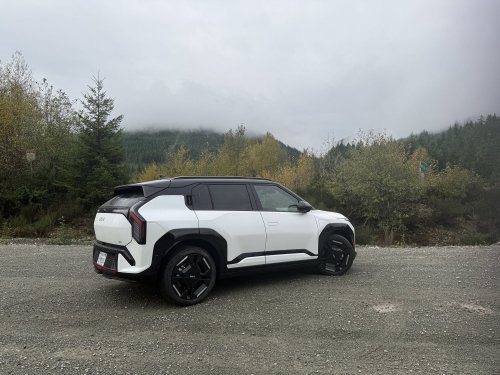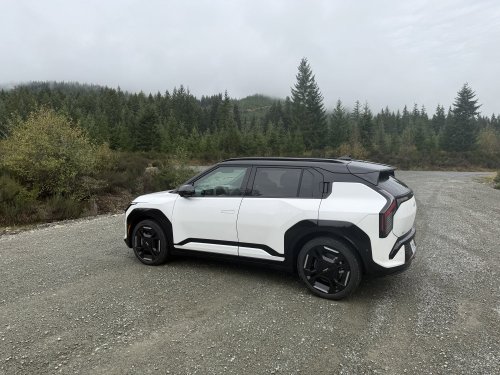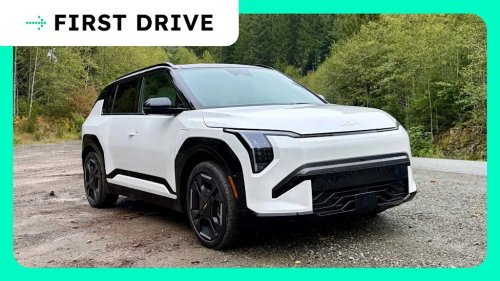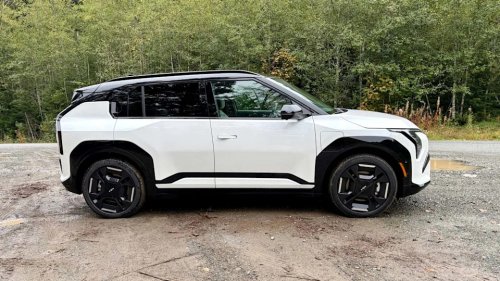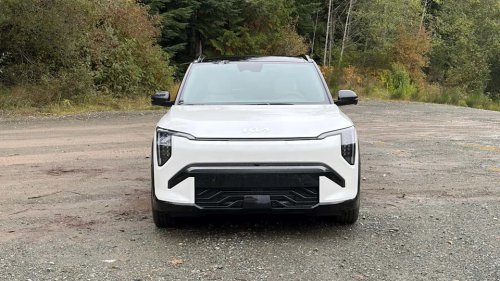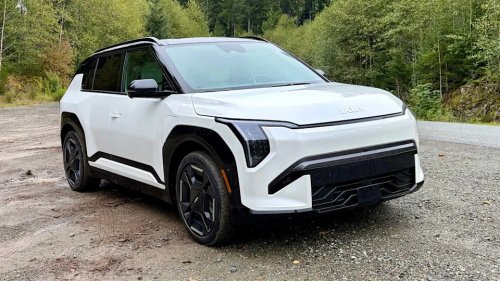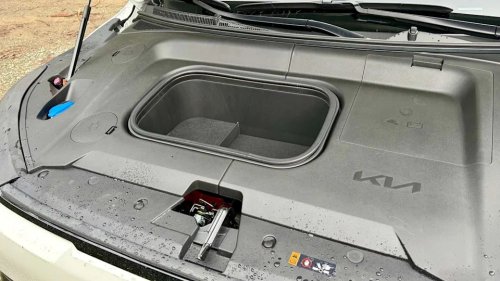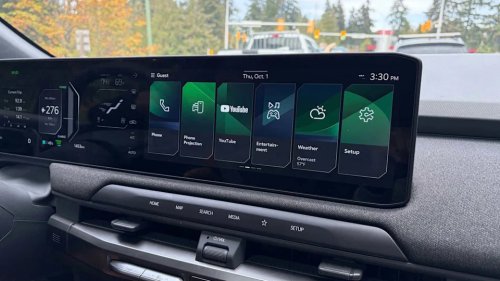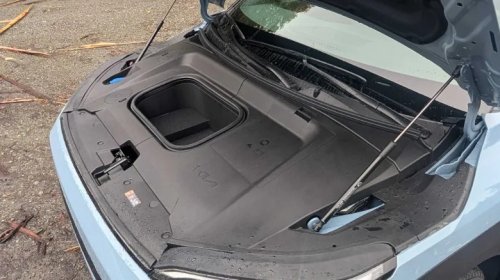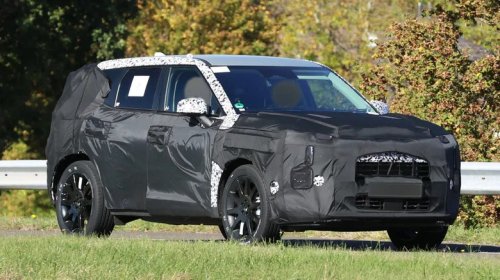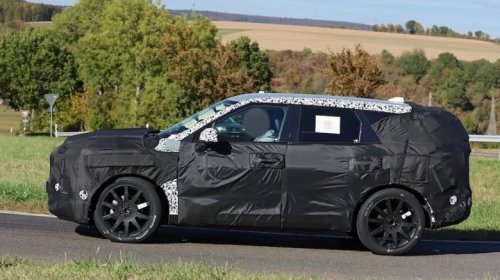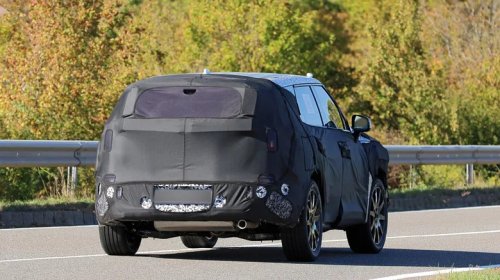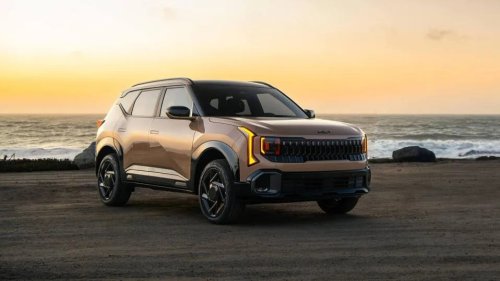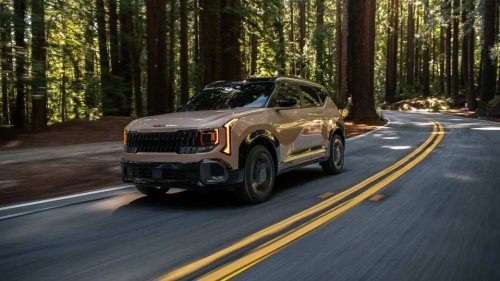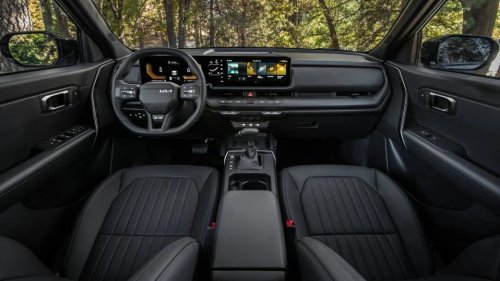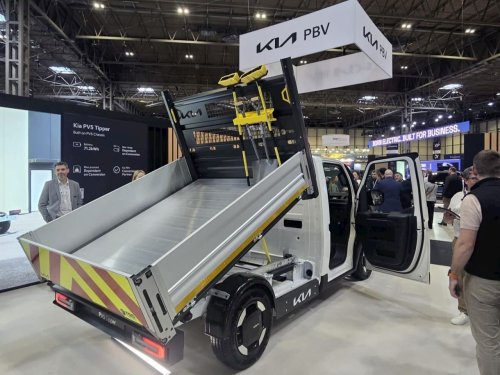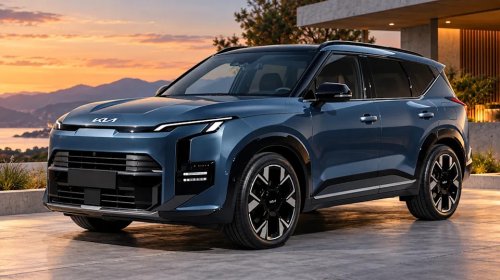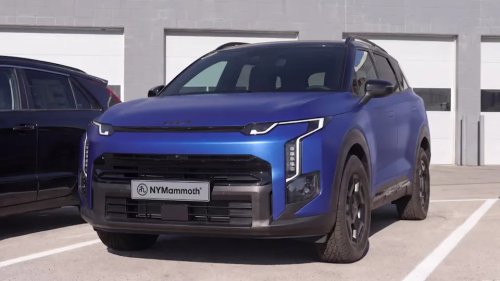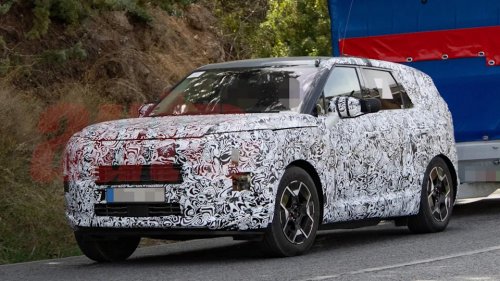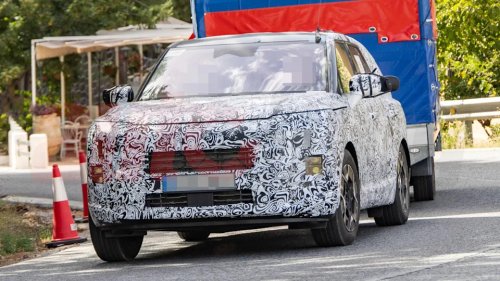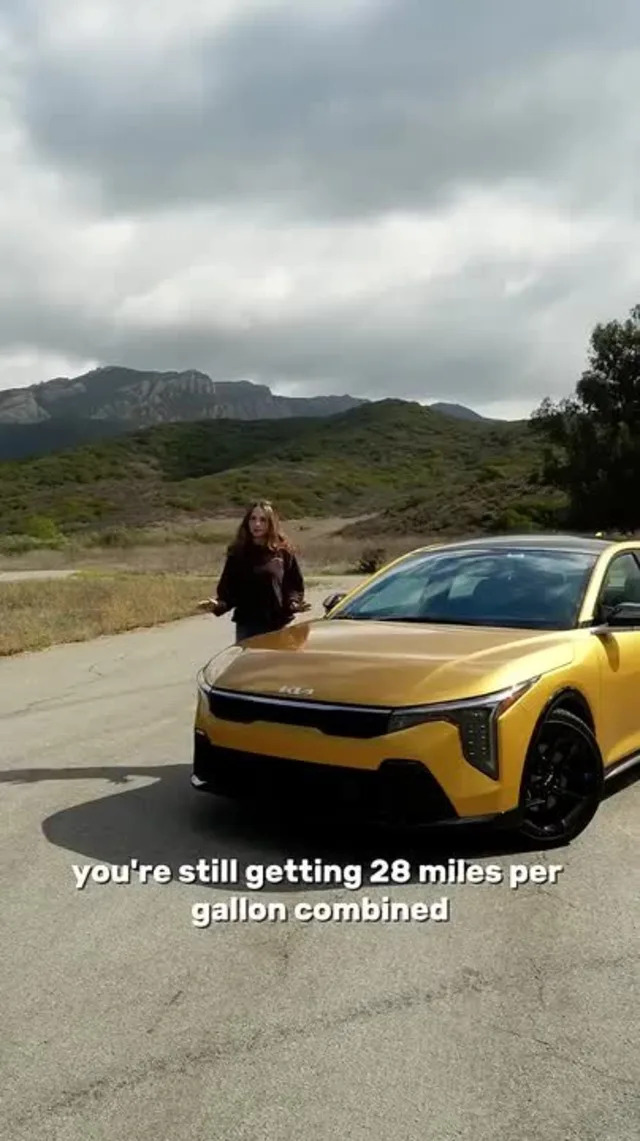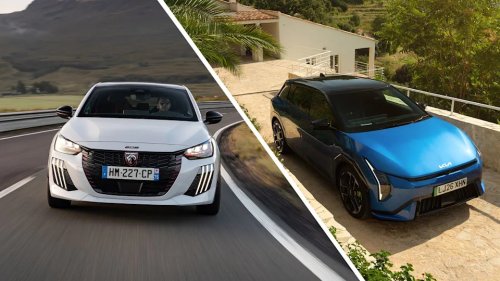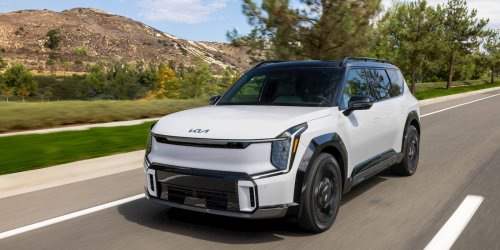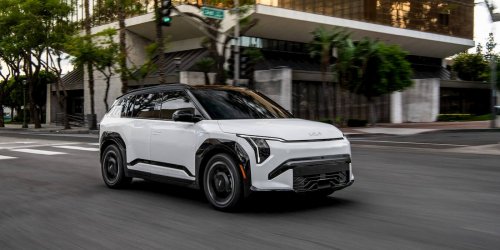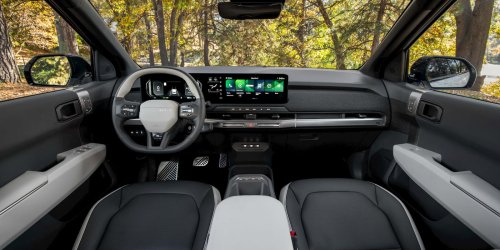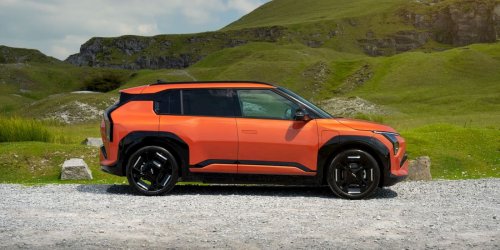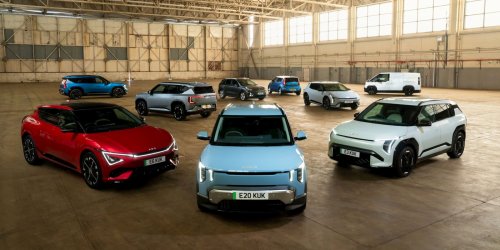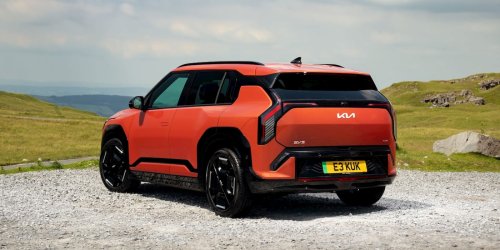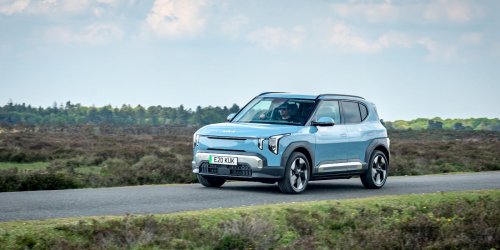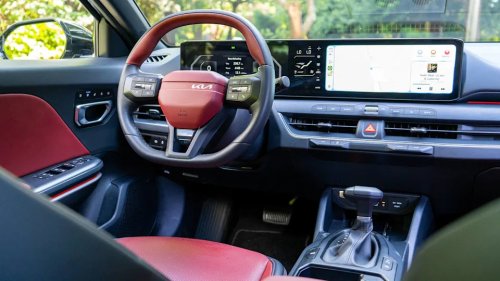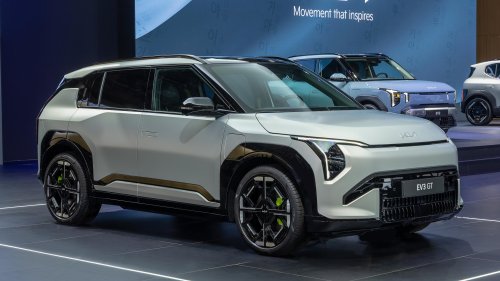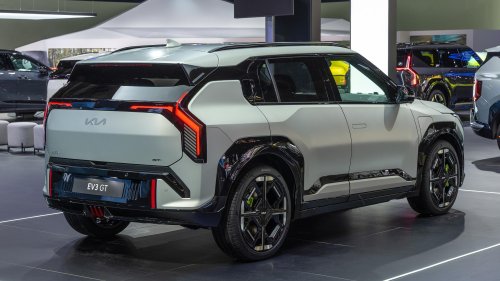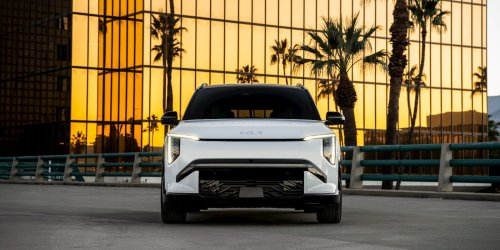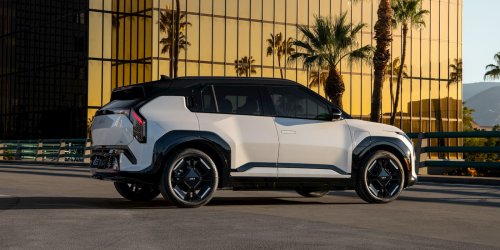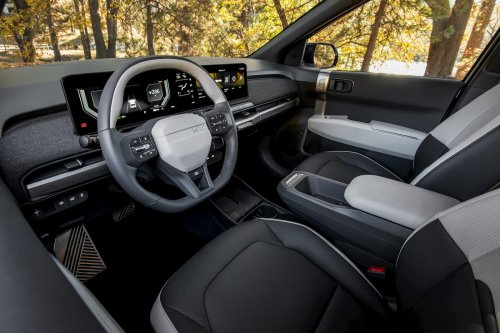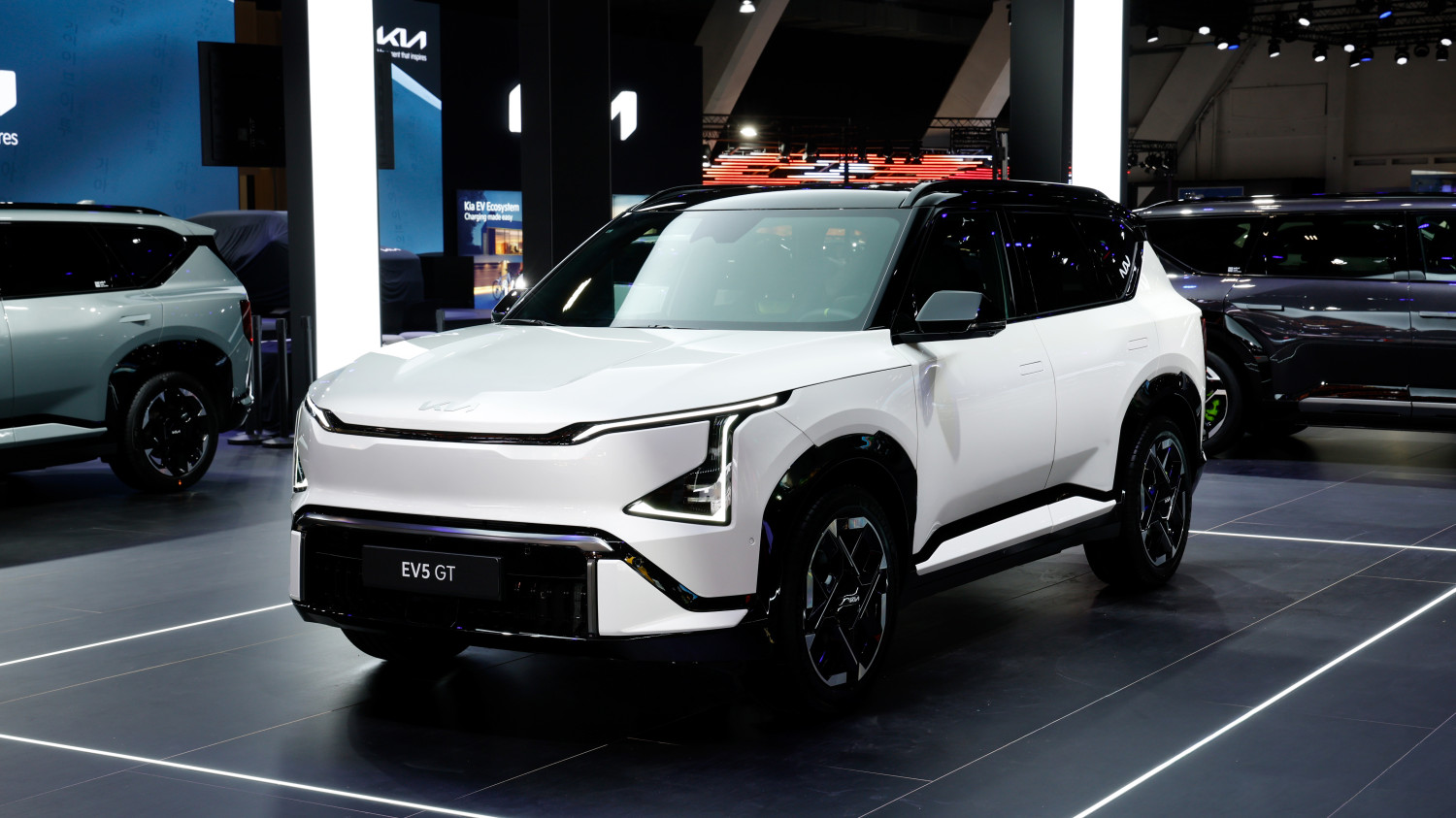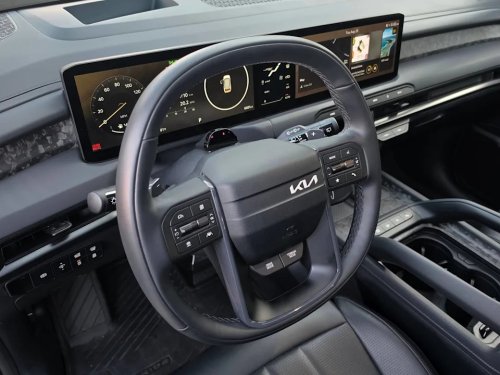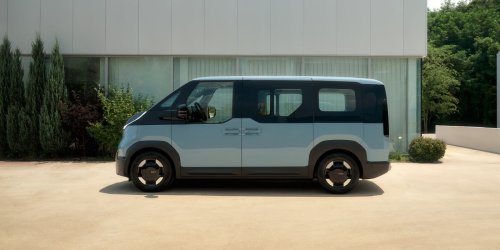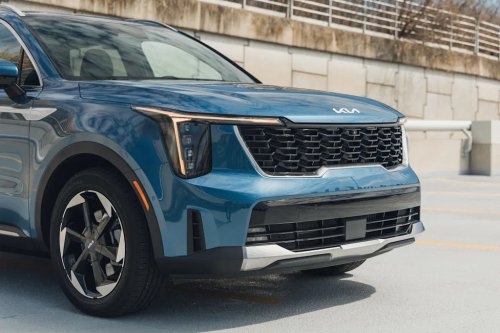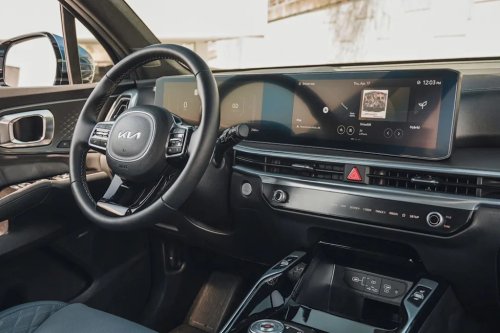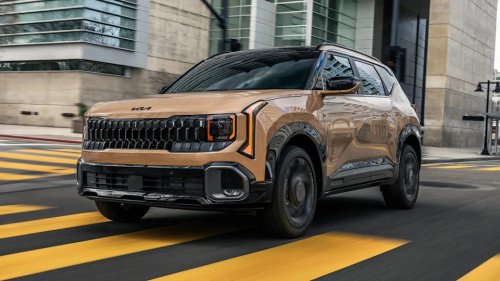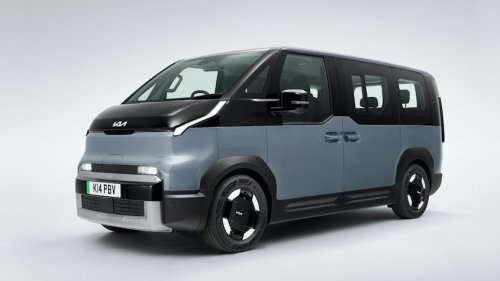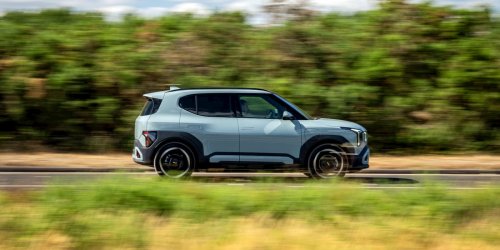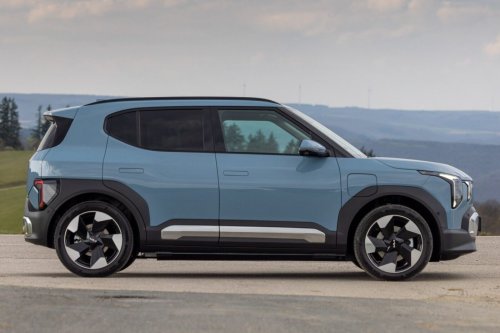
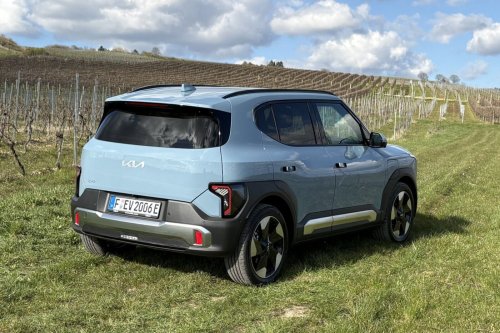
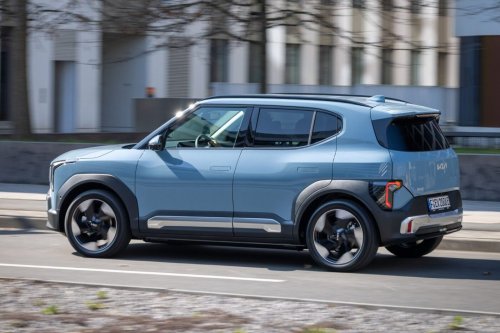
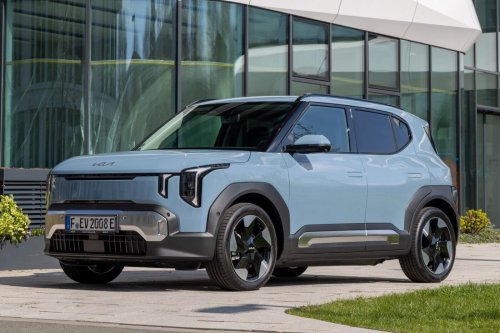
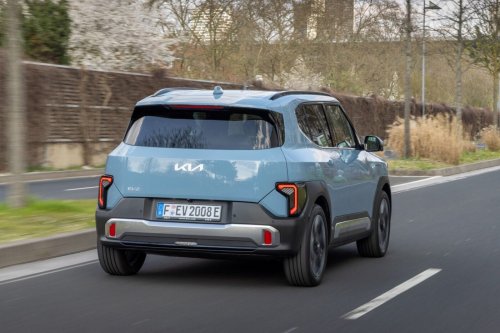
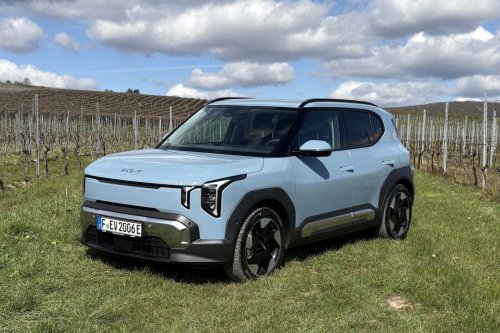
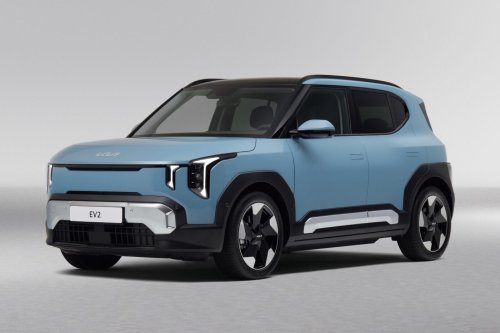
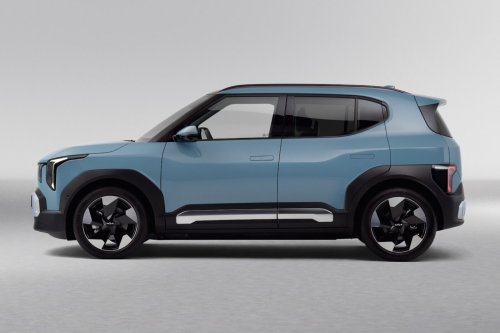
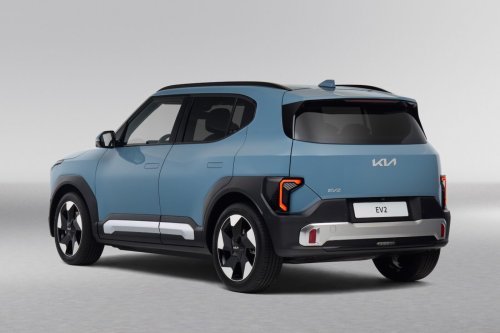
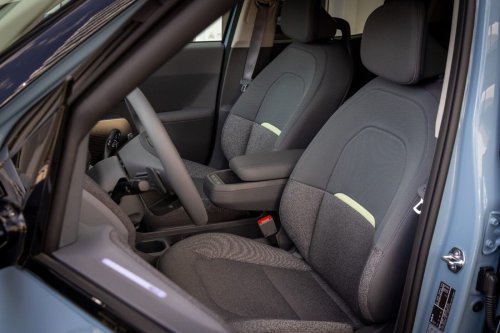
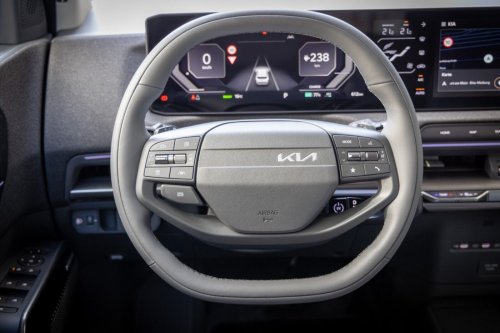
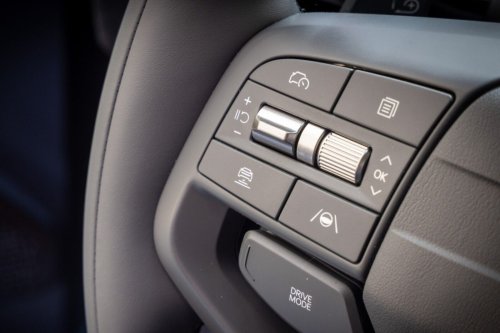
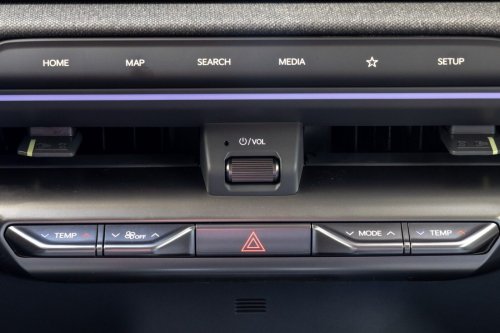
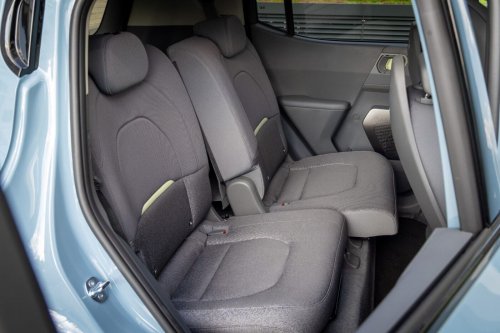
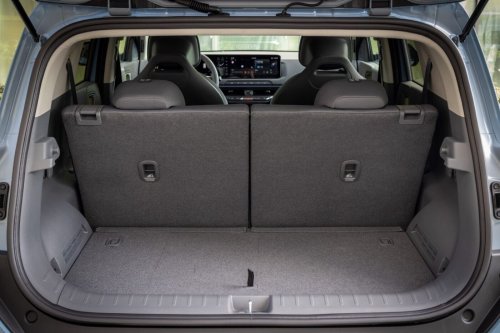
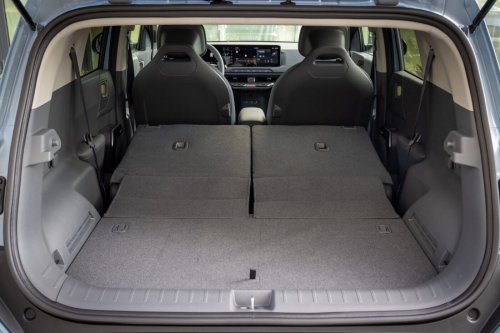
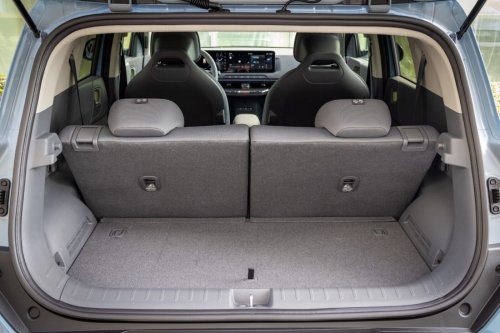
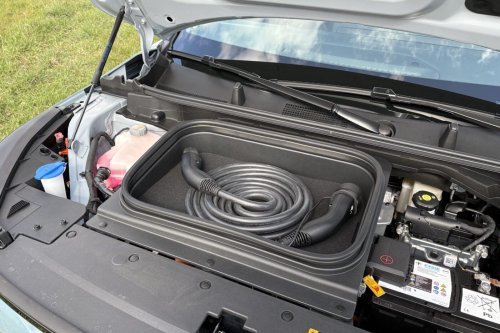
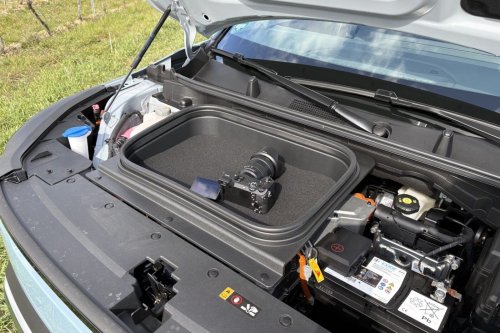



















Kia laid the foundation for its new generation of electric vehicles in 2021 with the EV6. Since then, the E-GMP-based model family has expanded rapidly: the EV9 positioned itself as a large SUV with an 800-volt architecture, while the EV3 transferred much of the design language into a more compact format. Kia later added the EV4 and EV5 for additional vehicle segments, while the PV5 marked the manufacturer’s entry into the electric van market. Depending on the model, Kia uses either an 800-volt or 400-volt architecture.With the EV2, Kia is now completing the lower end of its electric model range. The new B-segment SUV is the brand’s smallest battery-electric vehicle to date. The EV2 is built in Žilina, Slovakia, making it Kia’s second E-GMP model manufactured in Europe following the EV4.With the EV2, Kia is entering a segment that has attracted growing attention from manufacturers since 2024. Models such as the Fiat 600e, Alfa Romeo Junior Electric, Jeep Avenger, Opel Mokka Electric, Citroën ë-C3 and Renault 4 E-Tech already illustrate how competitive the market for small electric SUVs has become. And these are only a selection of the models entering the segment. The Volkswagen Group is also preparing to expand its offering with the VW ID. Cross and the Škoda Epiq.Since April, Kia has been delivering the first EV2 units to customers in the ‘Air’ and ‘Earth’ trim levels. The test vehicle for this first drive was the former, initially offered with the smaller of the two available battery packs. From July, Kia will add variants with the larger battery, including the GT-Line trim, while the entry-level ‘Light’ version is scheduled to follow in October. Pricing has already been announced, showing that the low starting price is only part of the overall picture.Compact SUV, familiar Kia DNAExternally, the EV2 aligns clearly with Kia’s current electric design language. The vertical daytime running lights in the Star Map design, the enclosed front grille, and the angular basic shape make the electric SUV instantly recognisable as a Kia electric car. At the same time, the EV2 appears less imposing than its larger siblings – and makes a distinctive statement at the rear: the tail lights are positioned as inverted L-shaped elements unusually low and wide, just above the rear bumper. This design may polarise, but it creates a strong visual identity in a segment that is becoming increasingly crowded.With a length of 4.06 metres, a width of 1.80 metres, a height of 1.58 metres, and a wheelbase of nearly 2.57 metres, the EV2 is clearly positioned in the B-segment. On the road, however, it appears more substantial than its dimensions might suggest. This is due to the short overhangs, the relatively wide body, and the widely positioned lights. Black trim around the wheel arches and robust plastic cladding emphasise its SUV character. Image: Kia Image: Kia Image: Daniel Bönnighausen Image: Kia Image: Kia Image: Kia Image: Daniel Bönnighausen Image: Kia Image: Kia Image: KiaComfort over cornering enthusiasmWhile the EV2’s exterior design is mature, what matters most is how it feels on the road. Kia offers the EV2 in two drivetrain configurations: initially, as mentioned, with the smaller LFP battery, which has a capacity of 42.2 kWh. This is paired with a 108 kW electric motor delivering 250 Nm of torque. The sprint from 0 to 100 km/h takes 8.7 seconds.From July, Kia will also offer a long-range variant with a 61 kWh NMC battery. The model delivers slightly lower output at 99.5 kW and accelerates from 0 to 100 kph in 9.5 seconds. Pairing the larger battery with a less powerful motor is an unusual approach, but Kia is clearly prioritising efficiency over performance. Both front-wheel-drive variants are electronically limited to 161 kph.The first drive quickly demonstrated how these specifications translate into real-world performance: in urban traffic, the compact Kia feels agile and responsive. On the country roads of the Taunus and Rheingau regions in Germany, the EV2’s power was more than sufficient, without feeling underpowered. At higher motorway speeds, acceleration predictably diminishes, but the Kia still handles overtaking manoeuvres with ease. Even at high speeds, the EV2 does not feel strained.The suspension setup consists of MacPherson struts at the front and a torsion beam axle at the rear – clearly tuned with comfort in mind. It absorbs rough surfaces and smaller imperfections effectively, allowing the vehicle to remain composed even on poorer roads. But the comfort-oriented calibration also has drawbacks. The body exhibits a slight roll during more dynamic cornering. The steering remains light, although feedback from the road could be more direct.The EV2’s focus on comfort is also evident in its one-pedal driving and in its regenerative braking, which can be adjusted via paddle shifters. With its optional navigation system, the EV2 can adjust braking force based on route and traffic data – for example, ahead of junctions, speed limits, or slower vehicles. During the test drive, this function worked smoothly, which is a strong endorsement.Quieter than expectedThe EV2’s overall comfort is further supported by a notably quiet cabin, which remained impressive even at higher speeds. Kia attributes this to acoustically optimised tyres, additional insulation in the carpets and wheel arches, and insulated front side windows, depending on the trim level.The optional Harman/Kardon sound system is also well integrated, adding to the vehicle’s overall refinement. In many small cars, more powerful audio systems can cause vibrations in interior panels, but this was not noticeable in the EV2. The bass response delivered sufficient depth without causing resonance in the cabin. While this is not an essential element, it does add to the vehicle’s overall comfort.Efficiency and rangeComfort is undoubtedly a strong selling point in this class, but for a small electric SUV to be truly practical, efficiency, range, and charging capabilities are equally critical. Kia states a WLTP range of up to 317 kilometres for the smaller 42.2 kWh battery, while the larger 61 kWh battery extends this to 453 kilometres. This positions the EV2 competitively within its segment.The Citroën ë-C3 offers 215 kilometres with its smaller battery (30 kWh) or 322 kilometres with the 44 kWh battery, while the Renault 4 E-Tech provides 308 kilometres (40 kWh) and 409 kilometres (52 kWh). The Fiat 600e and Opel Mokka Electric, both with around 51 kWh batteries, achieve 406 and 403 kilometres, respectively. Although the final figures for the upcoming VW ID. Cross and Škoda Epiq are not yet available; these are expected to be below those of the ID. Polo, for which Volkswagen has announced up to 329 kilometres (37 kWh) and 455 kilometres (52 kWh) under WLTP.The comparison is not entirely straightforward because manufacturers don’t always disclose their vehicles’ usable battery capacities. Even so, in terms of range, it’s still clear that the EV2 version with the smaller battery ranks among the better entry-level options, while the larger battery version places it at the top of the segment.The first drive confirmed this impression. After testing it in the Taunus and Rheingau regions in Germany – a mix of urban roads, country lanes, and motorway sections – at single-digit temperatures, the onboard computer displayed an energy consumption of 16.2 kWh/100 km, suggesting a real-world range of up to 260 kilometres. Without motorway driving, consumption dropped below 15 kWh/100 km, increasing the achievable range to just over 280 kilometres. The impact of sustained high-speed motorway driving or winter conditions on consumption could not be assessed during this initial test.The smaller battery may not necessarily be the inferior choice, even though Kia expects higher sales for the larger battery. For drivers covering 30 to 80 kilometres daily who can charge regularly at home or work and rarely embark on long trips, the standard-range version should offer plenty of range. It is also a viable option for fleets, care services, or other regional applications with predictable routes. For private customers who frequently travel longer distances, the long-range version is likely the better choice.Charging: 118 kW DC, optional 22 kW ACThe EV2 also performs well in terms of charging. While it cannot match the charging speeds of Kia’s 800-volt models due to its 400-volt architecture, its specifications are still pretty competitive within the small electric SUV segment. Both battery variants support DC fast charging at up to 118 kW. The smaller battery is expected to charge from 10 to 80 per cent in 29 minutes, while the larger battery takes around 30 minutes.In everyday use, the stability and timing of the charging performance are more important than peak values. This could not be tested during the first drive but will be assessed in a detailed follow-up test.The EV2 comes equipped with an 11 kW AC onboard charger as standard. According to Kia, charging from 10 to 100 per cent takes 4 hours and 5 minutes with the smaller battery and 5 hours and 35 minutes with the larger pack.Kia also offers an optional 22 kW onboard charger, giving the South Korean model an advantage in this segment. With the higher-capacity charger, charging time for the smaller battery falls from just over four hours to around 2 hours and 35 minutes, while the larger battery can be fully charged in approximately three hours. This is particularly relevant for drivers who regularly rely on public AC charging infrastructure in urban environments.The standard equipment also includes Plug&Charge functionality. Depending on the trim, the Kia EV2 may additionally feature V2L (Vehicle-to-Load) and V2X (Vehicle-to-Everything) hardware preparation. This means the compact Kia already offers functions typically found in larger electric vehicles. This impression continues inside the cabin. Image: Kia Image: Kia Image: Kia Image: Kia Image: Kia Image: Kia Image: Kia Image: Kia Image: Kia Image: Daniel Bönnighausen Image: Daniel Bönnighausen Image: Daniel BönnighausenInterior: premium Kia feel in a compact EV2Inside, Kia ensures the EV2 does not feel like a mere entry-level model. The compact electric SUV borrows many elements from its larger siblings. As standard, it features a triple panoramic display with a 12.3-inch digital instrument cluster, a 5.3-inch climate control display, and a 12.3-inch infotainment screen. The climate control display is more easily visible in the EV2 than in some other Kia models.Kia continues to offer a mix of touch and physical controls that make a positive impression. There is a touch-sensitive panel below the central display for certain infotainment functions, with physical buttons for climate control and additional controls on the steering wheel, including paddle shifters for regenerative braking. That said, the steering wheel could do with fewer buttons.The main drawback of the infotainment system is that the EV2 comes as standard with ‘ccNC Lite.’ While this system offers the same display layout and many basic functions, it lacks built-in navigation. Apple CarPlay or Android Auto can still be used to display routes, but for a battery-electric vehicle, this is only half the solution.Without integrated navigation, the EV2 lacks a built-in EV route planner that schedules charging stops, estimates charging times, considers the desired minimum charge level at the destination, and preconditions the battery before fast-charging stops. The intelligent regenerative braking function adapts recuperation based on route data, but is not available without the navigation system.Those who drive the EV2 in urban environments or on familiar routes may not find this a major limitation, but drivers who regularly travel longer distances are likely to benefit from the navigation system with integrated EV route planning.The EV route planner itself performed well during the first drive. The system schedules charging stops, displays estimated charging times and factors in the desired minimum state of charge at destinations or charging locations. In combination with the battery heating system, the EV2 preconditions the battery ahead of DC fast-charging stops.What the system still lacks are more detailed filtering functions, such as prioritising or excluding specific charging networks. Some competing systems already offer more advanced functionality in this area.Kia also includes Kia Connect Standard free of charge for seven years, while Kia Connect Premium with live services is included for one year. After that period, both services become subject to a fee.Spacious interior in a compact footprintAfter considering the controls and software, another key aspect of the EV2’s interior stands out: its space. A small car must offer ample room if it is to be more than just a typical second vehicle. This is where Kia’s clever design shines. Despite its compact exterior dimensions, the EV2 does not feel cramped inside.The front cabin feels spacious, with airy seating, an open centre console and numerous storage compartments. Even taller drivers will find sufficient room in the EV2.Rear-seat comfort depends on the selected configuration. As standard, the EV2 features a conventional rear bench seat, while trims from the ‘Earth’ specification upwards can be equipped with two individual rear seats. These can slide by 80 millimetres and include adjustable backrests, significantly increasing interior flexibility. Taller adults can also sit comfortably in the rear when the rear seats are shifted back. Sliding them forward increases luggage capacity accordingly.The boot offers 362 litres of space and increases to 403 litres with the variable four-seater configuration. If the rear seats are folded down, the capacity expands to 1,160 or 1,201 litres, depending on the configuration. There is also a small 15-litre frunk, though this is trim-dependent. For a car of this length, the space is impressive. The EV2 utilises its footprint very efficiently.Another plus is the towing capacity. From the ‘Air’ trim upwards, the EV2 can tow up to 750 kilograms (braked or unbraked). Even more important for many drivers is the 100-kilogram tow ball load. The roof load is rated at 70 kilograms. If the interior space is insufficient, a roof box can be added without issue – a feature that is far from standard in this class.EV2 Standard RangeEV2 Long RangeDrivetrainFWDFWDPower108 kW99.5 kWTop speed161 km/h161 km/hWLTP range317 km453 kmBattery42.2 kWh61 kWhDC charging power118 kW118 kWDC charging time 10-80%29 min30 minAC charging power11 kW/22 kW11 kW/22 kWAC charging time 10-100%4:05 h/2:35 h5:34 h/3:00 hPricefrom €26,600from €33,490Trim levels and pricingIn Europe, the EV2 will start at €26,600 with the entry-level ‘Light’ trim, which Kia plans to launch in October. This version is only available with the smaller battery pack and exclusively as a four-seater with fixed, non-adjustable rear seats.Standard equipment includes the panoramic display, LED headlights, automatic climate control, a rear-view camera, parking sensors and a wide range of driver assistance systems, although the ‘Light’ trim offers only limited upgrade options. Customers seeking features such as seat heating, a heat pump, integrated navigation with charging planning, vehicle-to-load functionality, a 22 kW onboard charger or additional comfort features will need to choose a higher trim level.Kia is offering European customers the EV2 in the ‘Air’ trim from €28,990 and the ‘Earth’ trim from €31,290, both paired with the smaller battery pack. From July, the long-range variants will follow, starting at €33,490, alongside the GT-Line version.In terms of drawbacks, Kia links several key EV features to higher trim levels and option packages. Customers only gain access to the integrated navigation system – and therefore the EV route planner and intelligent regenerative braking – from the second trim level onwards. It is also disadvantageous that the heat pump (€990) and Winter package (€300) are bundled together as a prerequisite for the navigation system. As a result, customers who want the full navigation functionality but not the heat pump cannot configure these features separately.The optional 22 kW onboard charger is also restricted to the ‘Earth’ trim and above, where it costs an additional €990. Vehicle-to-load (V2L) functionality is likewise only available from this trim level and requires the Winter-Connect package, priced at €1,390.ConclusionKia’s EV2 is a strong contender in the lower-priced EV segment. The compact electric vehicle delivers a higher level of comfort and refinement than is typically expected in this class, while also making efficient use of its compact dimensions.At the same time, the first drive revealed several compromises. The suspension setup prioritises comfort over driving dynamics, and Kia ties key EV-specific features – including navigation with charging planning, the heat pump and the optional 22 kW onboard charger – to higher trim levels and bundled option packages. As a result, the €26,600 entry price only reflects part of the overall picture. A well-equipped EV2 is more likely to be priced between €30,000 and €35,000.Even so, the EV2 remains competitively positioned in its segment, combining comfort, interior space and range in a package that stands out among similarly sized electric SUVs.