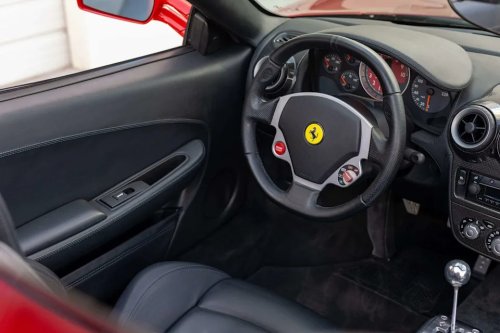
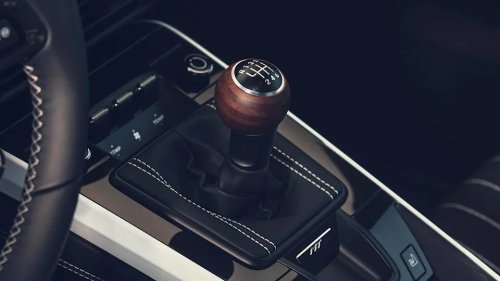
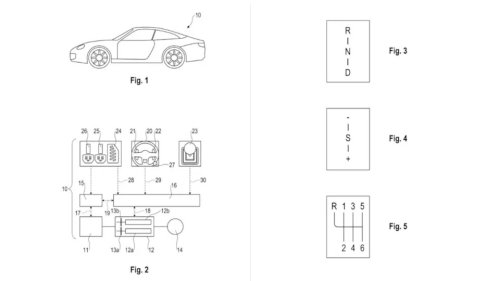
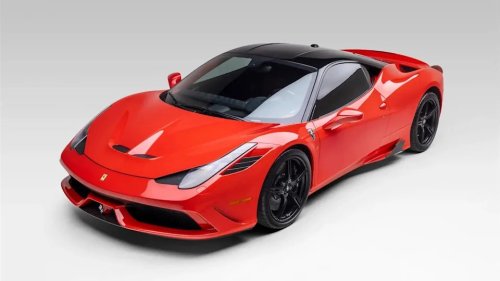
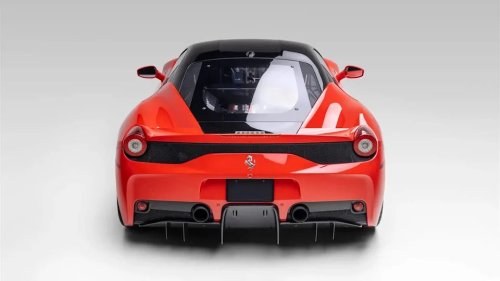
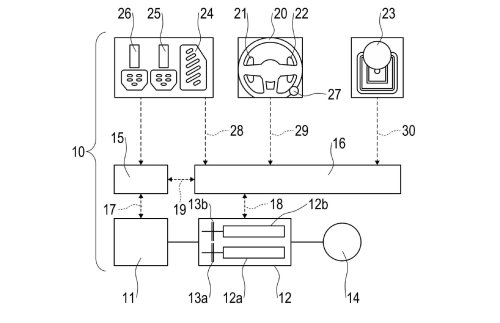
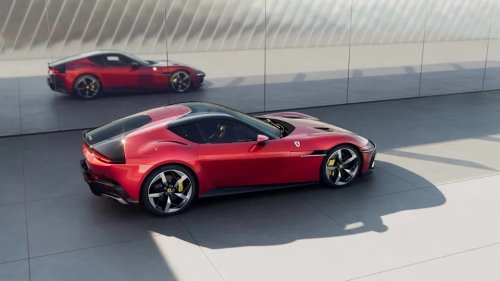
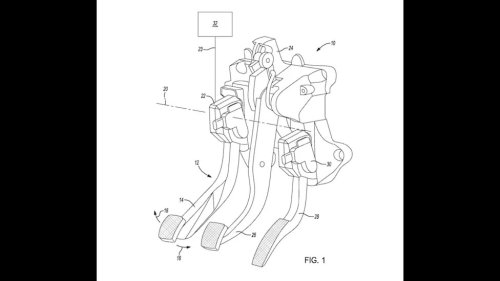
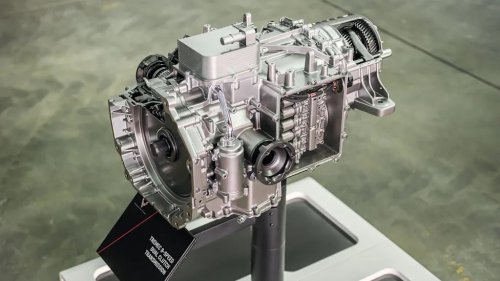
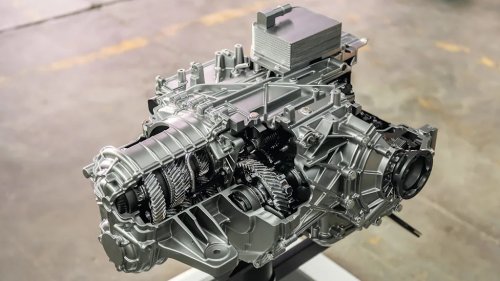
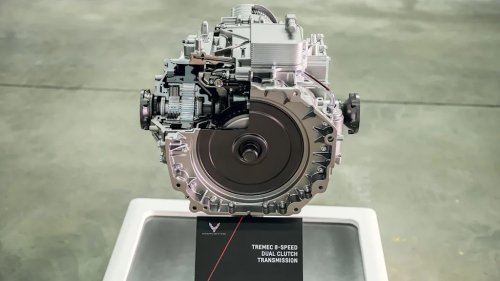
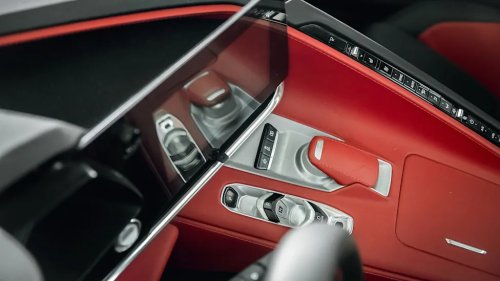
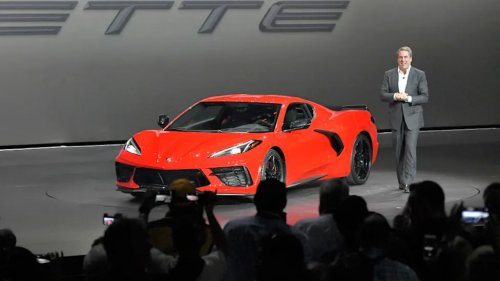
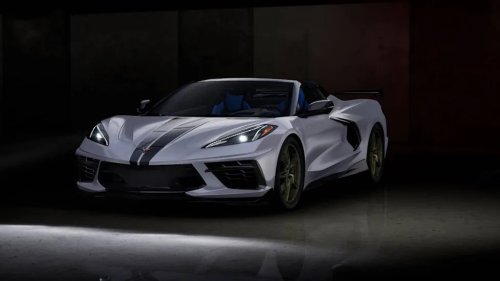
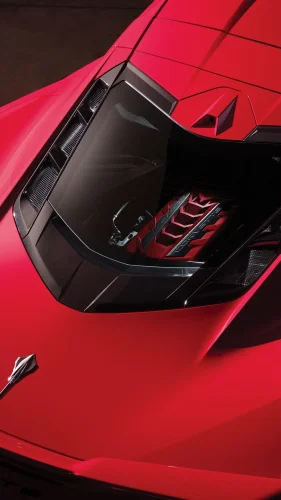
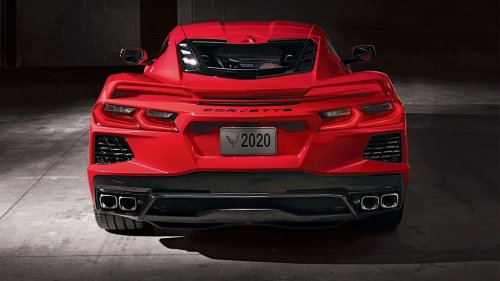
How to Make a Factory C8 Corvette With a ManualMotorTrend - MotorTrendNearly a decade after discontinuing its last car with a manual transmission, Ferrari has brought the stick shift back in the new 12Cilindri Manuale—sort of. Clever engineering makes it feel like a manual transmission when you're actually just controlling the standard dual-clutch automatic in a new way. Ferrari is the first to do it, but Chevrolet has had the technology for years and could still implement it on the Corvette today, just like we suggested it do seven years ago.[Editor's note: This story was originally published in July 2019 and has been updated to reflect the launch of similar technology in the Ferrari 12Cilindri Manuale.]No C8 Manual TransmissionThe most controversial aspect of the mid-engine C8 Corvette is without question its lack of a manual transmission. Its sole transmission option: an eight-speed dual clutch automatic co-developed with transmission specialist Tremec. You may have already seen reports over the years that Chevrolet has no plans for a torque-converter automatic or a manual transmission. The company claimed at the time of the car's launch that manual sales had fallen to 15 percent in the final year of C7 production, although later accounting shows the take-rate for the entire C7 run was nearly 30 percent. Developing a new manual transmission for the C8, Chevy said, would be too expensive for so few sales.AdvertisementAdvertisementHowever, Chevrolet could amortize the cost across all of its models. Once the shifter, clutch pedal, and code are developed, they could be applied to everything from the base Stingray to the Grand Sport, Z06 and ZR1 as they all use the same transmission. Every model could have a "manual" transmission option, or at least a limited-edition manual transmission model. The technology could also be carried forward to the upcoming C9 Corvette.Make It A "Manual"Thanks to modern technology, it's possible for all of those things to be true and for the C8 to get a stick shift, and Ferrari just proved it. Chevy could do it, too, courtesy of a 2018 GM patent for an electronic clutch pedal, combined with manual shifter technology from the C7 Corvette, which could be combined to create a futuristic electronically controlled manual shifter for the C8 and cost far less to develop than a new manual gearbox and linkage. The savings in R&D, not to mention the price premium Chevrolet could charge customers for the "manual" option, could completely change the business case.MotorTrend - MotorTrendThis is exactly what Ferrari has done. There's a clutch pedal and a gated manual shifter, but they're actually connected to servos and computers, not clutches and gears. The transmission is still an eight-speed dual-clutch automatic, just reprogrammed to listen to the new parts instead of paddle shifters. Pressing the clutch pedal tells the computer to open the clutch packs in the transmission, and releasing it tells them to close them. Moving the stick shift tells the computer which gear to select.In function, it's not really any different that what paddle shifters do, telling the transmission to change gear up or down or open the clutch packs for neutral. Ferrari engineers suggest that developing the physical clutch pedal and shifter and getting them to feel like mechanical devices was the biggest challenge.How Chevrolet Can Do It, TooIn the official press release for the current Corvette, Chevy wrote that "with this electric shifter there's no mechanical interface between the shift lever and the transmission." This matters because shifter cables would need to get from the cabin to the transmission behind the engine, and there's an engine and a dry sump oiling system in the way (It's also interesting Chevrolet chose to use the term "shift lever" when describing a pushbutton electronic shifter).AdvertisementAdvertisementNow, think back to the C7 Corvette launch in 2013. Chevrolet engineers at the time boasted of adding a Hall effect sensor to the manual shifter which would sense which gear you were shifting to. At the time, this was used to inform the automatic engine rev-matching software. This is important, because it means Chevrolet already has a manual shifter that can tell a computer exactly what gear you want to put the transmission in without any mechanical connection to the transmission. It's the same thing paddle shifters are already doing, just with a stick instead.MotorTrend - MotorTrendThe other big engineering puzzle is the clutch pedal, and patent sleuth Bozi Tatarevic sniffed out the solution years ago. In a patent filing published on September 6, 2018, GM describes an "Electric Slave Cylinder for Manually Shifted Vehicles." Ignore the slave cylinder and the patent drawings (which look suspiciously like they used a 25 year old Getrag 282 front-wheel-drive manual transmission as a starting point) and skip to the part about the clutch pedal sensor. The electric slave cylinder gets its instructions on opening and closing the clutch from a sensor on the clutch pedal. Chevrolet suggests in its description this electronic clutch pedal would incorporate artificial feedback in order to maintain the "feel" of the clutch pedal even if the clutch itself is getting old and worn-out.As Ferrari shows, similar force feedback technology would need to be added to the shifter in order to make it feel right, too. The Ferrari system not only mimics the feel of a traditional, gated shifter but has protections against selecting the wrong gear and over-revving the engine (it will let you stall the engine, though). The shifter is the part GM would need to develop from scratch, since as far as we know, the company hasn't yet designed or patented one.GM wouldn't even need to necessarily do all the work in-house. Sim racing rigs have come a long way, with their manufacturers spending untold millions getting their electronic pedals and shifters to feel right. At a very basic level, this project would be adapting existing sim racing technology to an actual car.AdvertisementAdvertisementWhat of the transmission itself? It's the exact same eight-speed dual-clutch already designed, engineered, crash-tested, and EPA certified. Once an electronic clutch pedal and an electronically monitored shifter are developed for 'Vette use, all that's needed is software to tell the transmission what to do when the driver presses the clutch and moves the lever. No doubt it would be a long, arduous process programming the transmission's clutches to behave like a manual and get the feel and response of the electronic clutch pedal and shifter right, but nothing about it is technically infeasible. Corvette engineers have already spent countless hours programming the dual-clutch transmission to make it feel the way they want, so they're certainly familiar with the process.MotorTrend - MotorTrendJust Do What Ferrari DidThus, with existing technology and parts, Chevrolet could offer the experience of old-school manual shifting in the high-tech C8 Corvette at a far lower cost than developing, testing, and certifying a second transmission that would only fit one relatively low-volume product.Never mind that dual-clutch automatic transmissions are universally accepted as superior for quicker lap times, manual transmissions have a special place in the hearts of car enthusiasts. Whether it's intimate control of the vehicle or nostalgia or just personal preference, demand for manuals still exists among the Corvette's target audience, and this combination of technologies could help Chevrolet satisfy the purists without busting the budget.Photo credit: MotorTrend - MotorTrendPhoto credit: MotorTrend - MotorTrendPhoto credit: MotorTrend - MotorTrendAdvertisementAdvertisementPhoto credit: MotorTrend - MotorTrendPhoto credit: MotorTrend - MotorTrendPhoto credit: MotorTrend - MotorTrendPhoto credit: MotorTrend - MotorTrendAdvertisementAdvertisementPhoto credit: MotorTrend - MotorTrendPhoto credit: MotorTrend - MotorTrendPhoto credit: MotorTrend - MotorTrendPhoto credit: MotorTrend - MotorTrendAdvertisementAdvertisementPhoto credit: MotorTrend - MotorTrendPhoto credit: MotorTrend - MotorTrendPhoto credit: MotorTrend - MotorTrendPhoto credit: MotorTrend - MotorTrendAdvertisementAdvertisementPhoto credit: MotorTrend - MotorTrendPhoto credit: MotorTrend - MotorTrendPhoto credit: MotorTrend - MotorTrendPhoto credit: MotorTrend - MotorTrendAdvertisementAdvertisementPhoto credit: MotorTrend - MotorTrendPhoto credit: MotorTrend - MotorTrend



















 +41 others