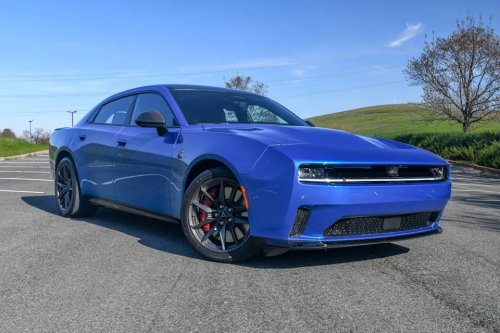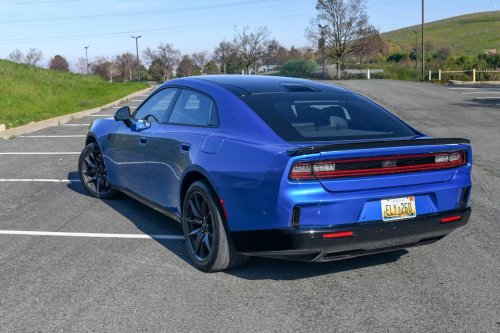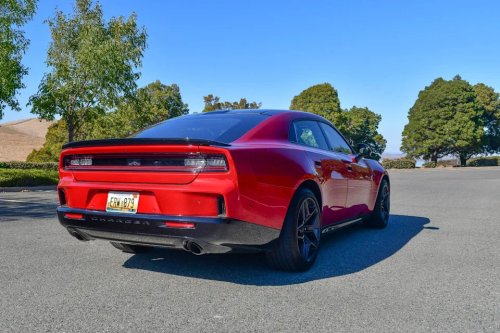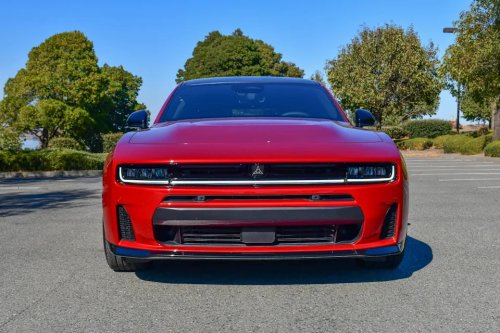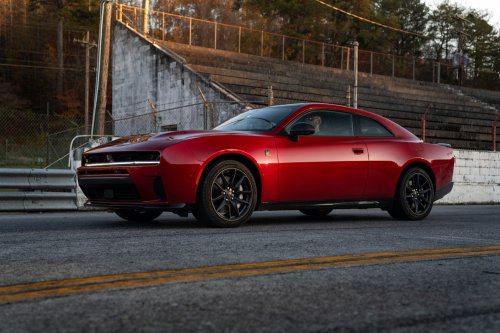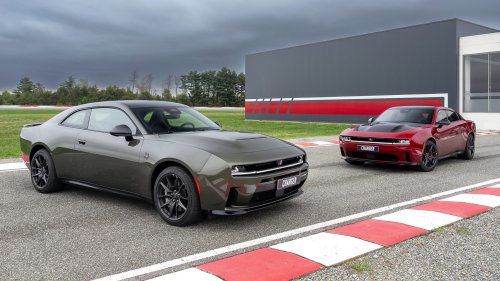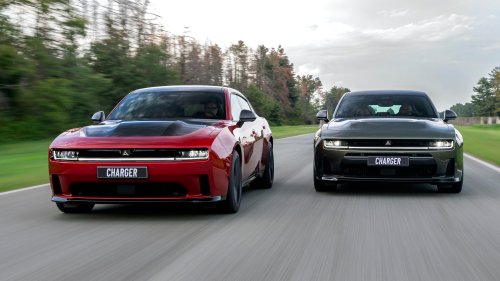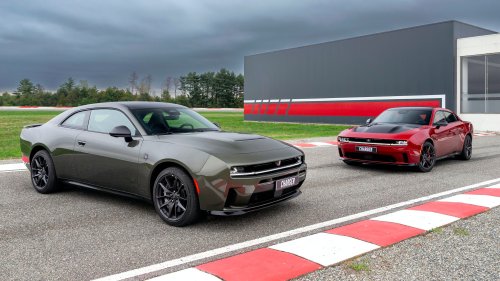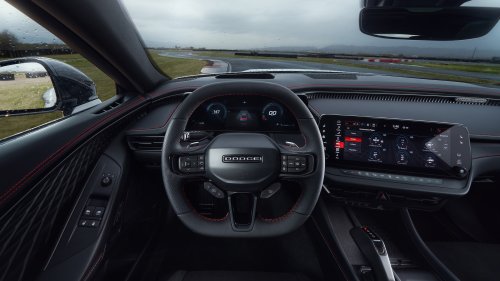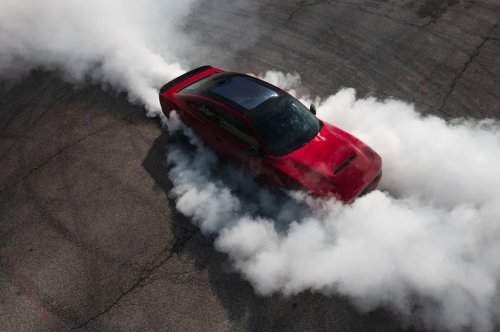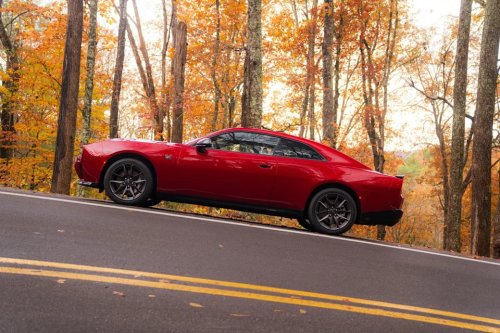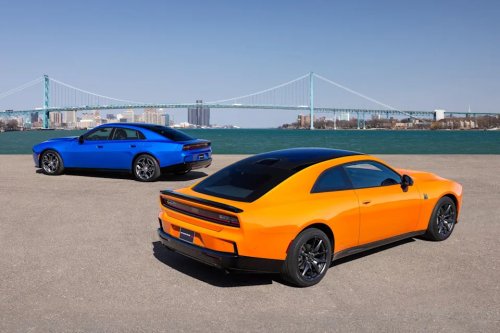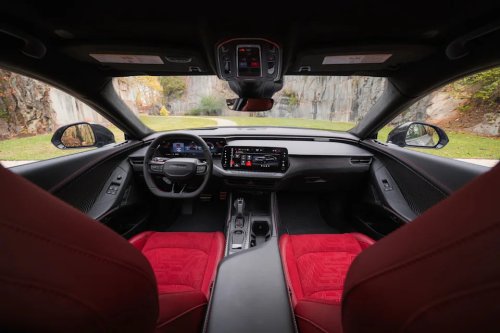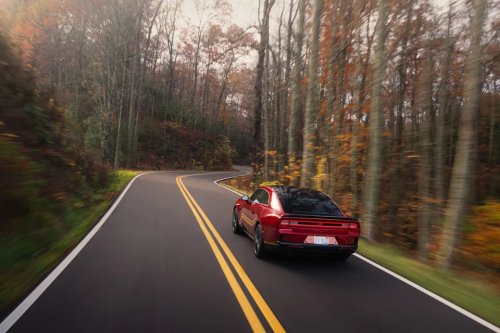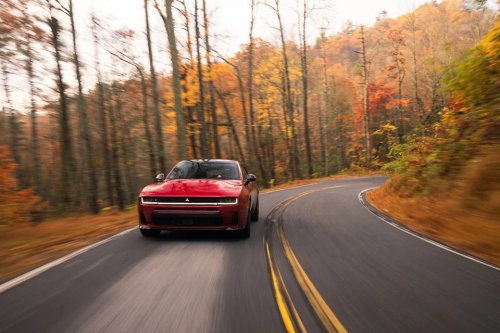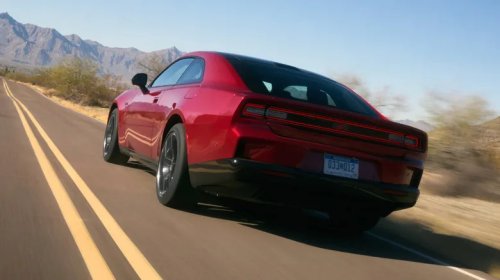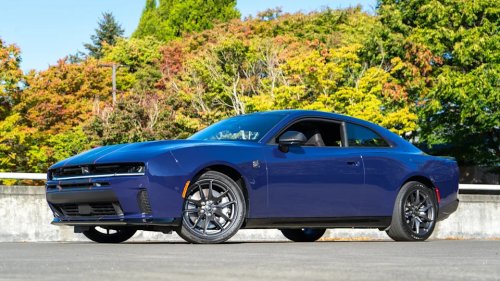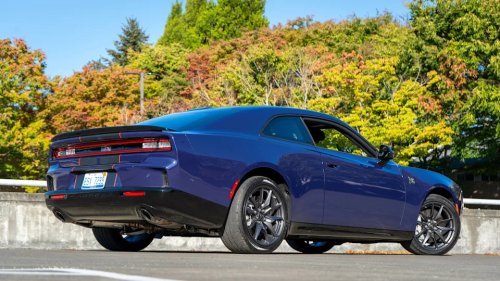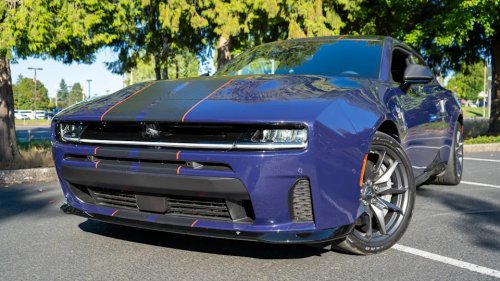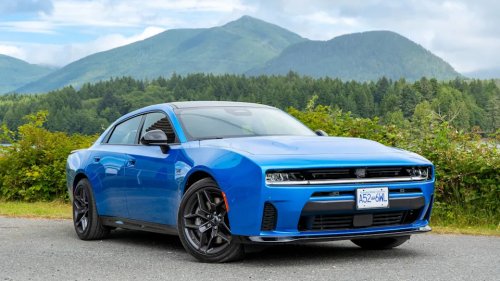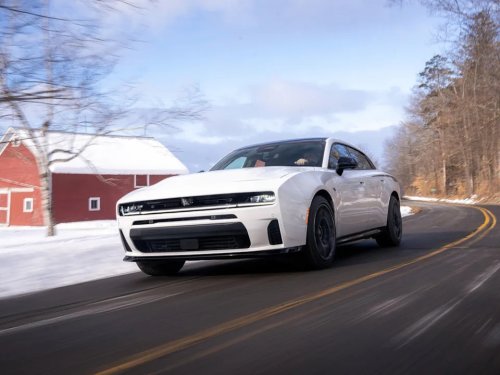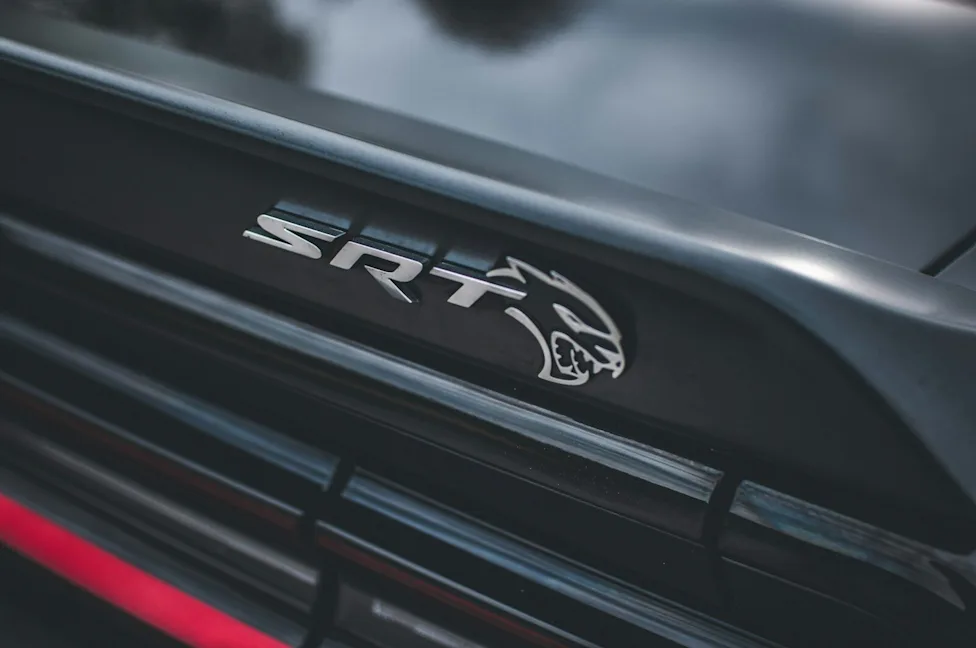



















Dodge’s Reported 700-HP Hellcat Comeback Could Change Everything for Muscle Car FansThe question has followed Dodge ever since the company introduced its new-generation Charger: where is the V8? Now, reports suggest the answer may finally be coming, and it could be exactly what longtime muscle car fans have been waiting to hear.More Stories Like ThisTeen Shot at Massachusetts Car Meet as Burning Stolen Car Full of Bullet Holes Sends Crowd RunningHellcat Murder Case Takes Dramatic Turn After Suspect Rejects Plea Deal in Deadly AirTag Tracking ConfrontationDriver Tried to Hide Expired Tags With Blue Duct Tape and a Marker — What Happened Next Got the Car Impounded10 Used V8 Cars Getting Shockingly Affordable Right NowFerrari’s $640,000 EV Gamble Just Changed the Supercar Fight ForeverAccording to reports stemming from a Stellantis future-product preview shown to select media members, Dodge is planning a future Charger SRT Hellcat powered by a supercharged V8 producing more than 700 horsepower. While the company has not officially revealed the vehicle or confirmed final specifications, the information is already sending a clear message. Dodge may not be finished with the formula that built its modern performance reputation.AdvertisementAdvertisementFor a brand that spent years turning outrageous horsepower, tire smoke, and supercharged V8 noise into a business strategy, that matters.The Hellcat Name May Be Headed Back to the ChargerThe reported vehicle would use Dodge's familiar supercharged 6.2-liter Hellcat V8. That engine family became the centerpiece of Dodge performance during the last decade, helping transform the Charger and Challenger from traditional muscle cars into horsepower icons.Reports indicate output will exceed 700 horsepower. Dodge has not released official figures, which means there is still no confirmation on the final power rating, performance targets, pricing, or launch timing.Even so, the number itself grabs attention.AdvertisementAdvertisementThe current Charger lineup includes gasoline-powered Sixpack models equipped with a twin-turbocharged 3.0-liter inline-six. Those vehicles offer substantial performance, but for many enthusiasts, performance has never been the entire point. The Hellcat represented something larger than a horsepower figure. It became a symbol of Dodge's identity.That's where things change.A supercharged V8 carries a different emotional weight than a turbocharged six-cylinder, regardless of how competitive the performance numbers may be. The sound, the character, and the reputation all contribute to the appeal. For many buyers, that connection cannot be replicated through specifications alone.More Than Just Another Engine OptionReports suggest Dodge intends to make the car visually distinct as well.AdvertisementAdvertisementCoverage of the future product preview describes a more aggressive Charger featuring a sharper front-end design, a prominent hood intake, a large rear wing, and SRT branding. If those features make it to production, the Hellcat's return would not be subtle.That detail matters.Dodge built much of its modern performance success by embracing excess rather than hiding it. The company did not simply sell horsepower. It sold attitude. The Hellcat became recognizable before it even started moving, and the reported styling changes suggest Dodge understands that image remains a major part of the package.For enthusiasts, this is not simply about adding another trim level. It is about whether Dodge is willing to fully embrace the personality that made the brand stand out in the first place.Why Dodge Faces Pressure to Bring Back V8 PowerThe reported Hellcat revival arrives after years of debate surrounding Dodge's future direction.AdvertisementAdvertisementWhen the new Charger first appeared in electric Daytona form, many traditional muscle car buyers were unconvinced. The pushback was immediate because Dodge had spent years building customer loyalty around large-displacement V8 performance.The company later introduced the Charger Sixpack, bringing gasoline power back into the lineup through a twin-turbo inline-six engine. That move addressed part of the criticism, but it did not completely solve the identity problem.And that's where it gets complicated.The Sixpack may be powerful, modern, and capable, but it does not occupy the same place in Dodge's performance culture as the Hellcat. For many buyers, the issue was never simply acceleration. It was about preserving a connection to the brand's most recognizable performance formula.AdvertisementAdvertisementRecent sales figures appear to support that perspective.According to Autoblog's reporting, gas-powered Chargers outsold electric Charger Daytona models by roughly seven to one during the first quarter of 2026, even though overall sales volume remained relatively modest. The numbers suggest early customer demand leaned heavily toward gasoline-powered models.That helps explain why reports of a Hellcat return are generating so much attention.The SRT Copperhead Adds Another LayerThe future-product preview reportedly included another performance vehicle that has enthusiasts talking.Known as the SRT Copperhead, the mysterious model appears to be a far more extreme two-door performance machine featuring a wide stance, aggressive bodywork, a dramatic rear wing, and centrally mounted oval exhaust outlets.AdvertisementAdvertisementThe name itself carries Dodge history. Copperhead was previously associated with a Dodge roadster concept from the late 1990s.However, details remain limited.Some reports have described the vehicle as a future SRT halo coupe. At the same time, reporting from The Drive indicated Tim Kuniskis said the Copperhead is not based on the Charger's hard points.That distinction could prove important.If accurate, the Copperhead may not simply be a modified Charger variant. Instead, it could represent a separate SRT project entirely. Its final platform, engine, and mission remain unclear based on currently available information.AdvertisementAdvertisementStill, both vehicles appear to point toward the same broader strategy.Dodge Appears to Be Recommitting to PerformanceThe reported Hellcat Charger and the mysterious Copperhead both suggest Dodge may be moving back toward the kind of emotionally driven performance vehicles that built its modern reputation.Related IncidentsThe Real Story Behind a 1966 Mustang Running Tesla Full Self-Driving and Why It’s Exposing a Major Industry StandoffClassic Car Buyers Lose Thousands After Scammers Hijack Real Auto Shops in Multi-State Fraud SchemeStellantis’ Stunning Comeback: Hemi V8 Demand Helps Reverse $26 Billion Collapse as Massive Cost Cuts BeginFor several years, uncertainty surrounded how much traditional gasoline-powered muscle would remain within Dodge's future lineup. The electric Charger Daytona represented one direction. The Sixpack models represented another.AdvertisementAdvertisementNow, reports suggest the company could be adding a third path by bringing back the very engine family most associated with its recent success.For dealers, that could create a much stronger showroom story. For enthusiasts, it could represent validation that the demand for V8-powered performance never disappeared.The key point is that Dodge has not officially confirmed final production details. The reported Hellcat remains a future product discussed during a media preview rather than a fully revealed vehicle.Still, if these reports prove accurate, Dodge may be preparing one of the biggest reversals in modern muscle car history. A Charger SRT Hellcat producing more than 700 horsepower would not just add another model to the lineup. It would signal that Dodge believes the formula that made the Hellcat famous still matters, and that muscle car buyers have not forgotten what made the brand special in the first place.SourceAdvertisementAdvertisementJoin our Newsletter, follow our Instagram page, and connect with us on Facebook.