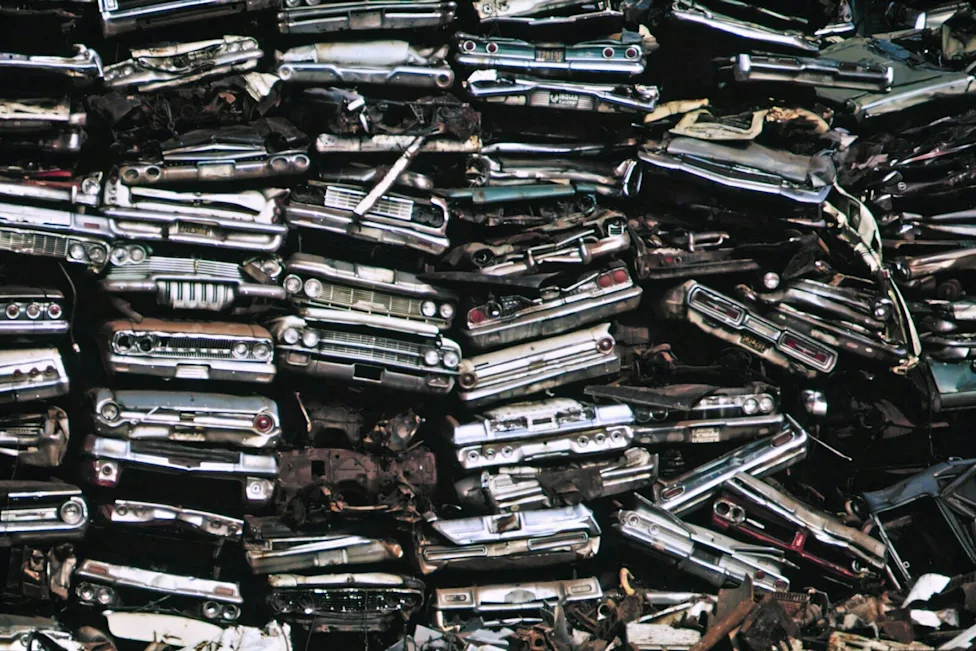
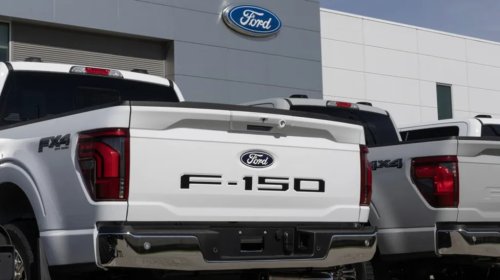
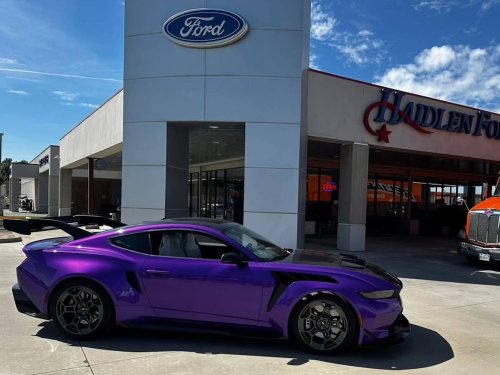
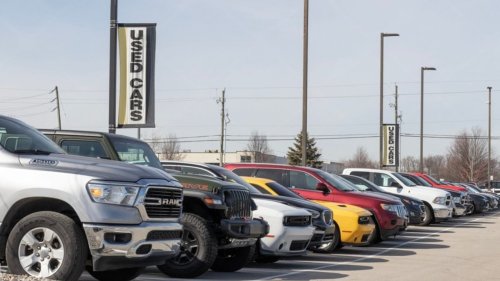
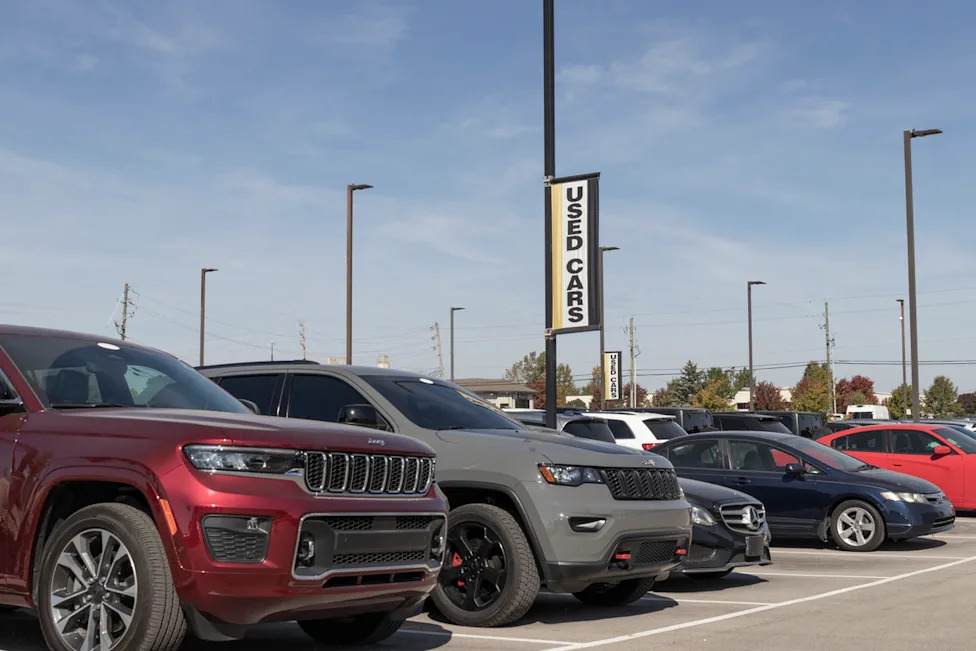
Dealerships Are Finally Paying the Price for Years of Post-Pandemic Price GougingFor the past few years, walking onto a new car dealership lot meant preparing for battle. Consumers were met with empty pavement, aggressive "market adjustments" thousands of dollars above MSRP, and take-it-or-leave-it sales tactics. But as we move into the second half of 2026, the script has completely flipped, and car dealerships are finally paying the price for the industry's runaway inflation.A recent viral walkthrough by automotive commentator Thomas Sieber perfectly captures the bloodbath currently happening on American car lots. Dealerships are overflowing with untouched, aging inventory—specifically unsold 2025 models—and even massive $10,000 discounts aren't enough to stop the bleeding.The core issue driving the dealership crisis is that manufacturers simply priced consumers out of the market.AdvertisementAdvertisementIn his July 2026 video, Sieber highlights the absolute absurdity of modern sticker prices. He points out a brand new, unsold 2025 Volkswagen ID Buzz sitting on the lot with a staggering $73,000 price tag. Over at the Ford lot, a compact Bronco Sport—equipped with a tiny 1.5-liter EcoBoost engine—is listed for over $41,200 after dealer add-ons. Even a standard Subaru WRX is commanding an MSRP of $48,000.While automakers were busy jacking up base prices—pushing the average cost of a new vehicle well north of $50,000—the economic reality of the average buyer crashed into a wall of high interest rates. Now, banks are rapidly tightening their auto loan lending standards. The "F&I box" (the finance and insurance office where dealers traditionally make massive profits selling extended warranties and inflated loan rates) is drying up because banks simply won't approve buyers for artificially bloated loan amounts to cover negative equity.The Dealership "Floor Plan" TrapTo the casual observer, a dealership packed with hundreds of cars looks like a highly successful business. But in reality, an overflowing lot is a massive financial liability, thanks to a system known as "floor plan" financing.Dealerships rarely own the vehicles sitting on their pavement outright. Instead, they purchase their inventory using a specialized revolving line of credit. The vehicles themselves act as the collateral, and the dealer pays interest on that loan every single day the car sits unsold.AdvertisementAdvertisementDuring the pandemic shortages, cars were sold the minute they rolled off the transport truck, meaning dealers paid virtually zero floor plan interest. But today, dealers are staring down acres of unsold 2025 inventory while 2027 models are already beginning to ship to lots. With commercial interest rates remaining stubbornly high, the daily holding costs are quietly eating dealerships alive."Discounts Are Back, But It Still Ain't Enough"To escape the floor plan trap, dealers are deploying a tactic they haven't needed in years: massive, desperate discounts.As Sieber notes, "manager specials" are plastered across dealership websites, with lifted trucks seeing $10,000 to $20,000 price slashes just to move metal. But here is the catch: when a manufacturer raises the base price of a truck to $85,000, a $10,000 discount doesn't make it a bargain; it just makes it a $75,000 depreciating asset financed at a 7% interest rate.The automotive industry is facing a severe market correction. Automakers stubbornly built highly profitable, ultra-expensive trim levels while ignoring the affordable commuter car segment. Now, dealerships are left holding the bag, caught between consumers who can't afford the payments and banks that refuse to fund them. For buyers who actually have the cash and can afford to wait, the power has officially returned to the consumer.



















 +77 others