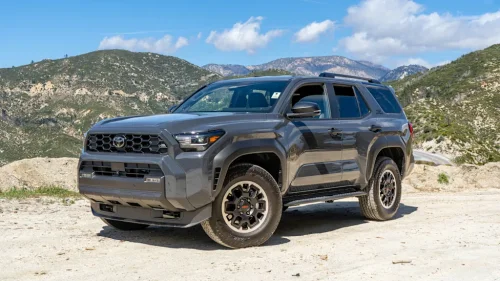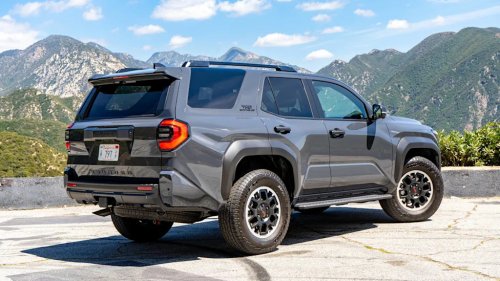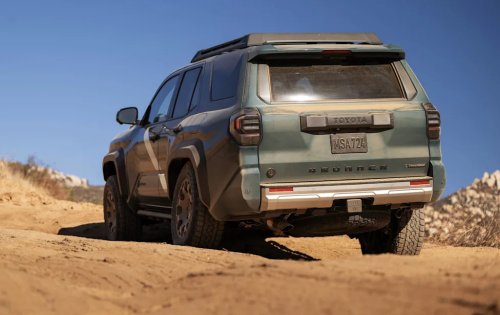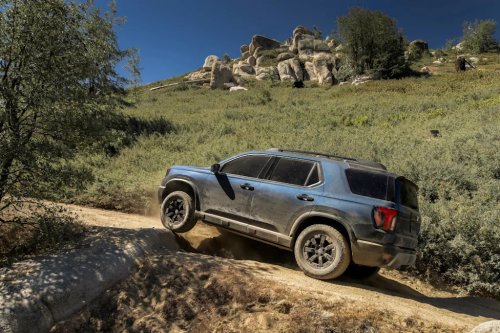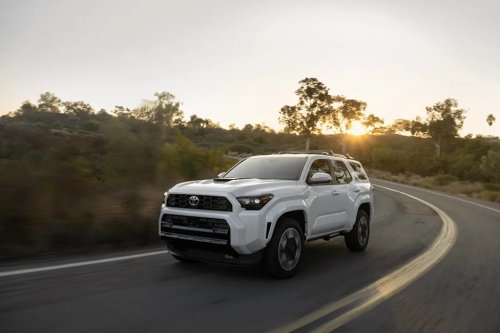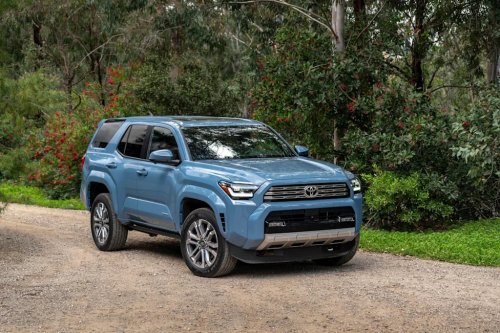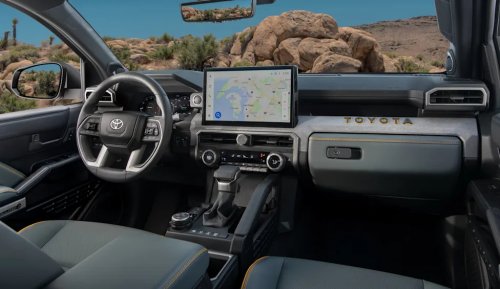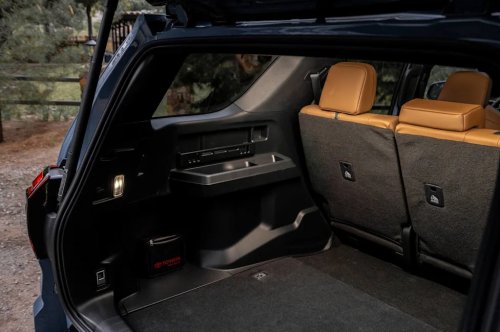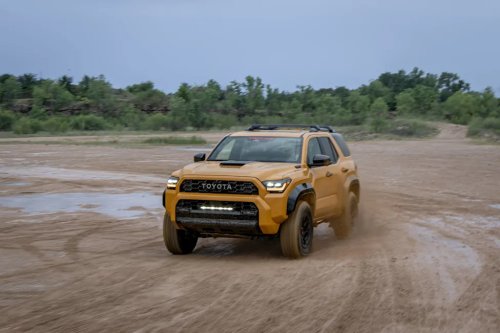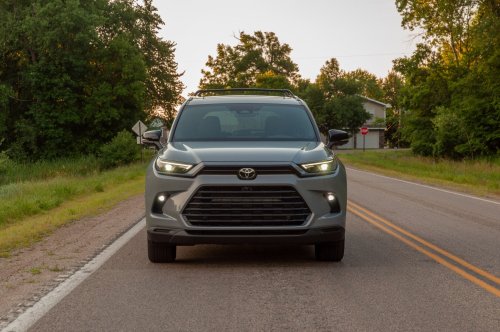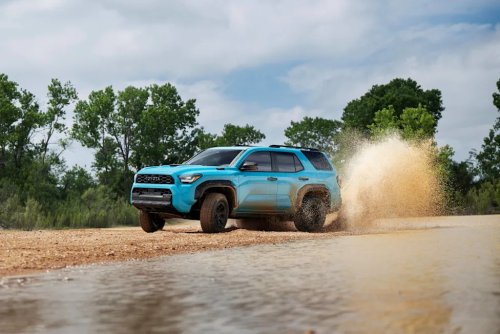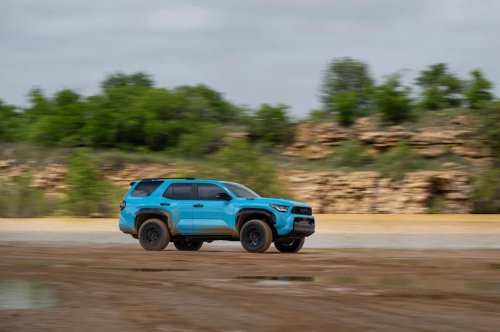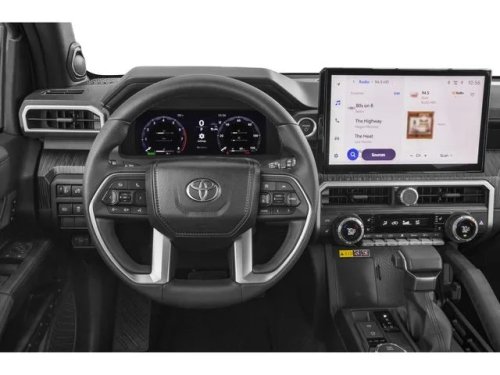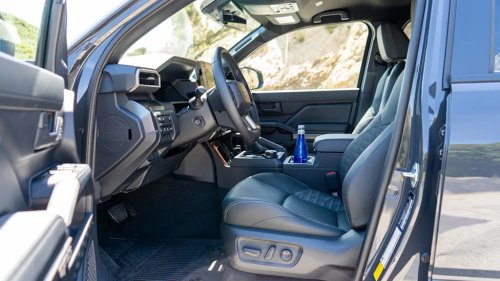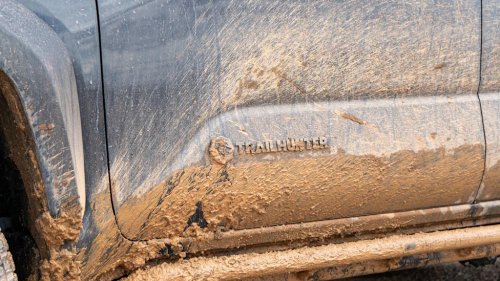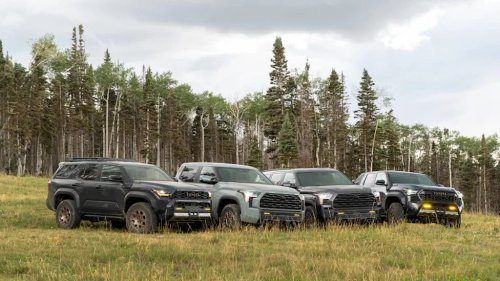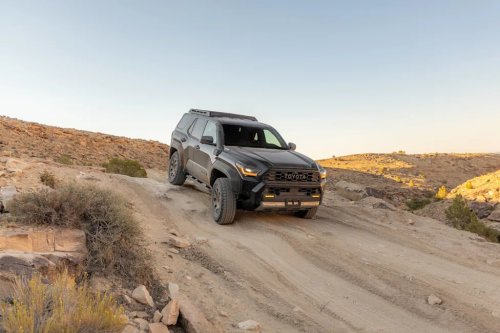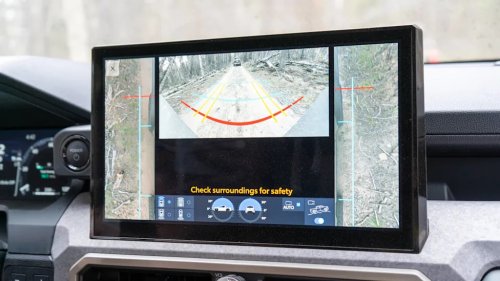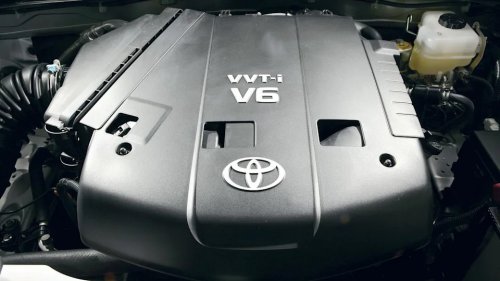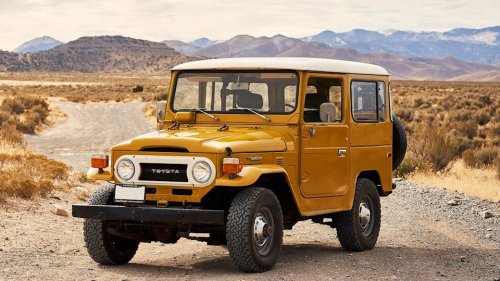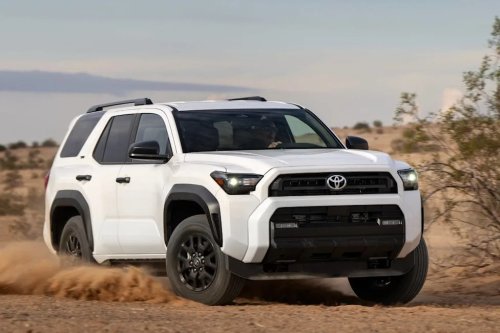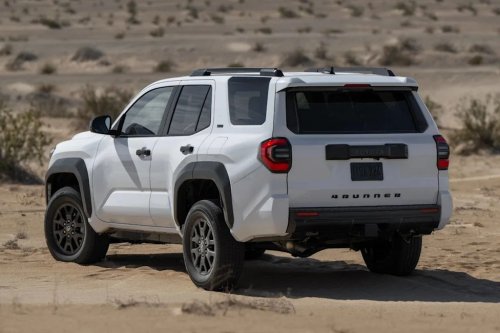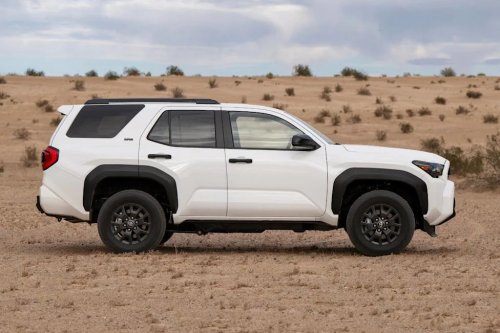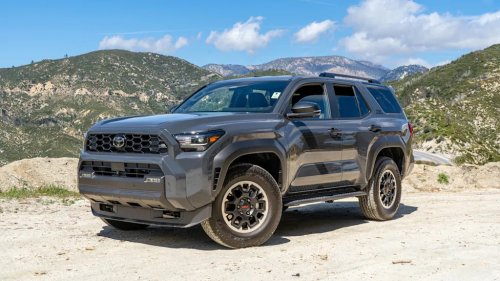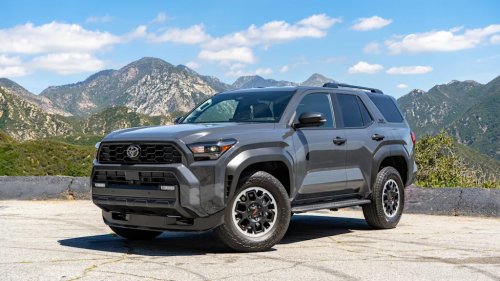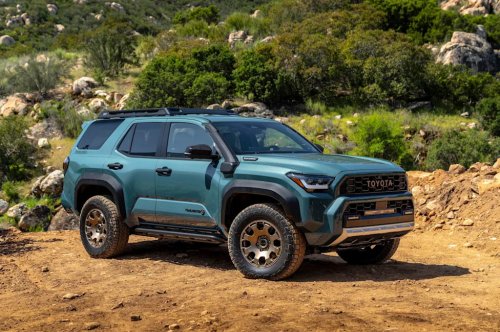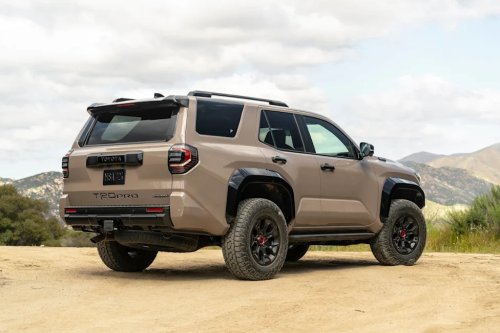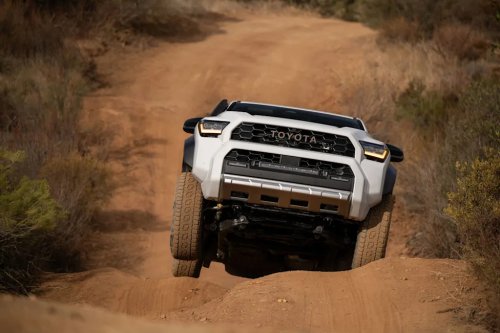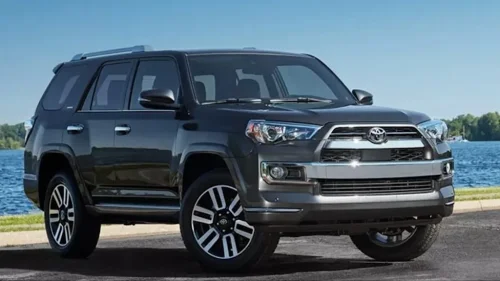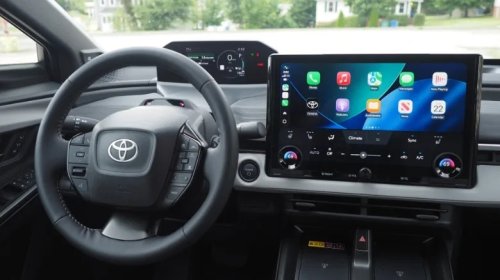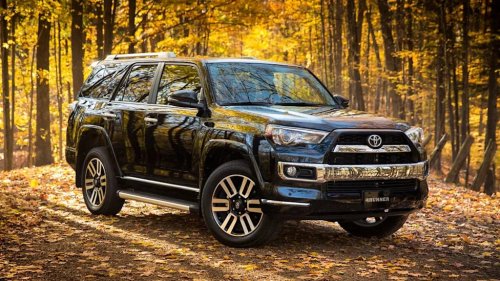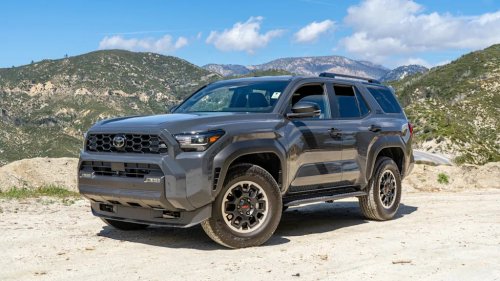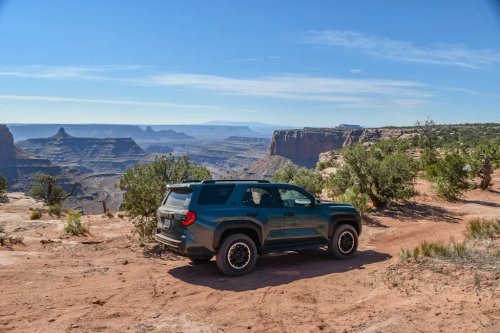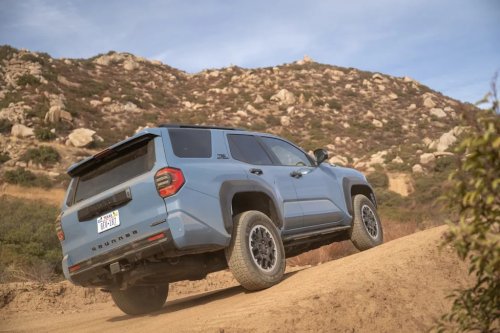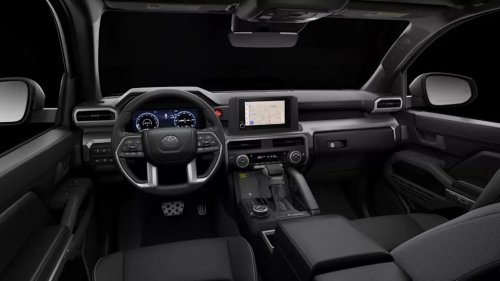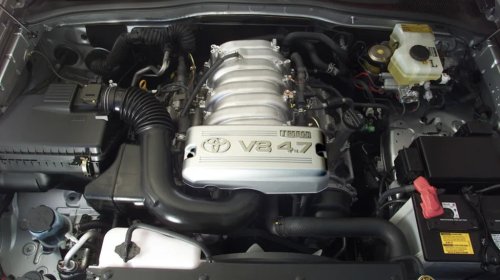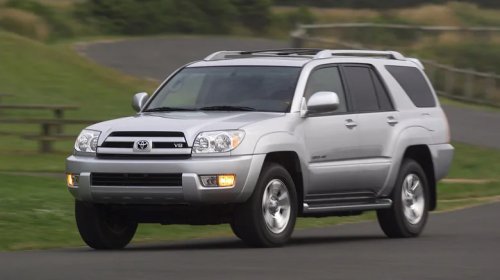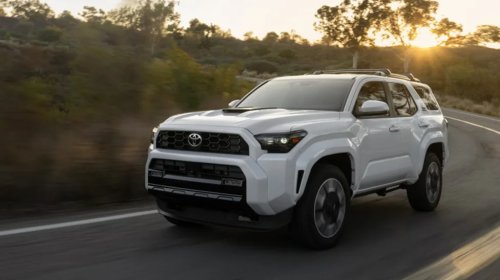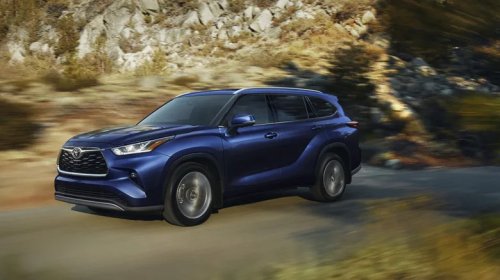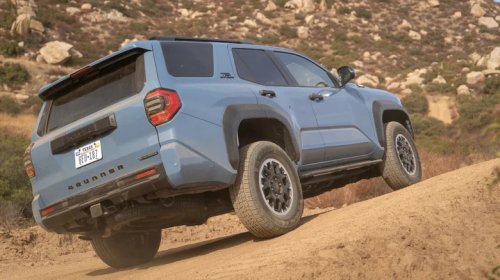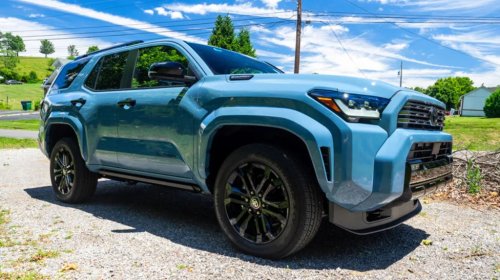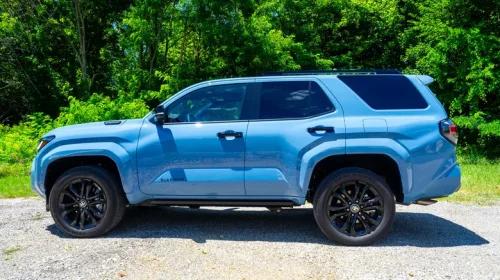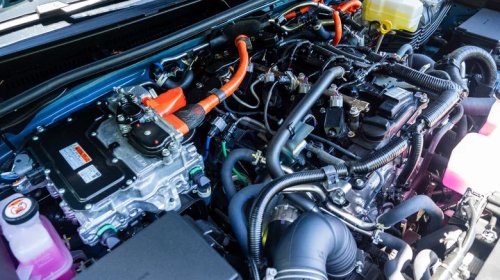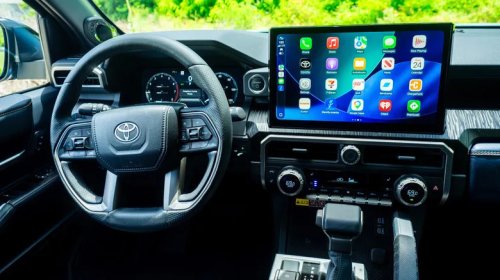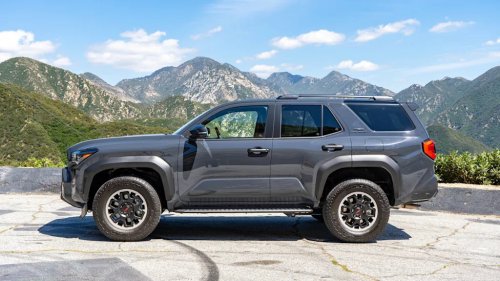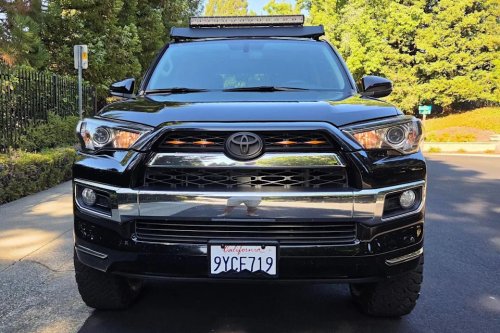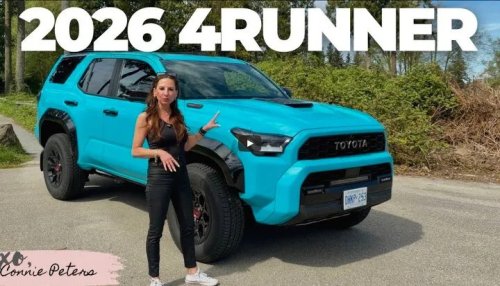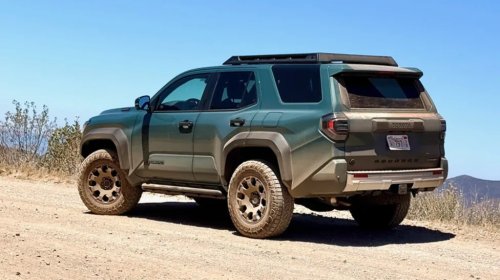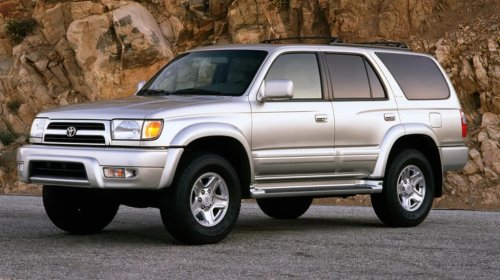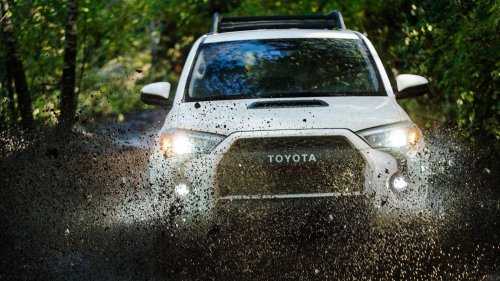
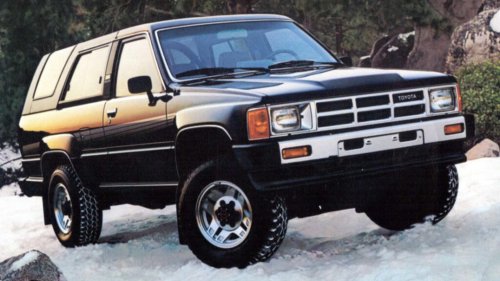
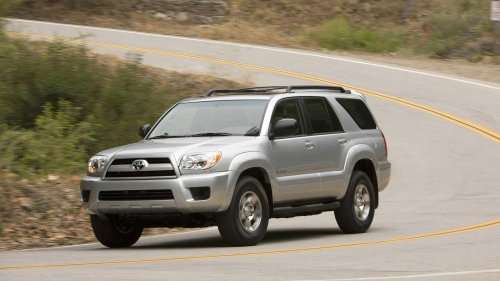
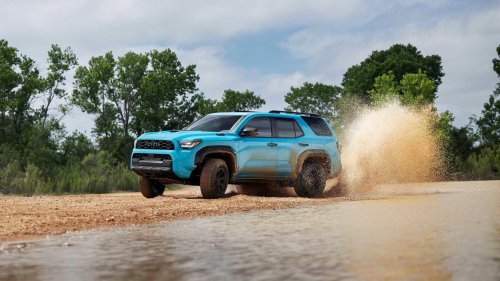
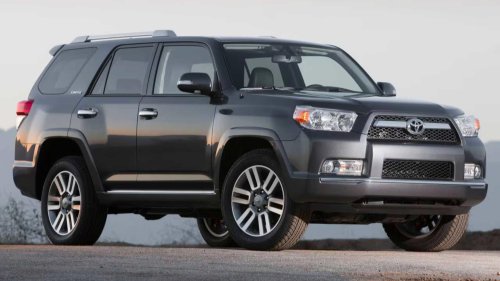
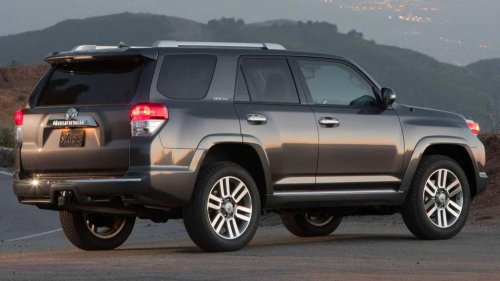
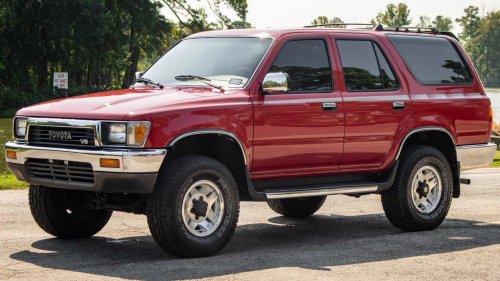
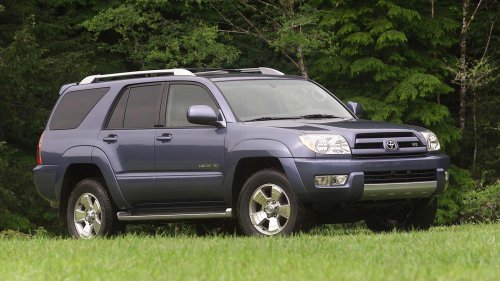
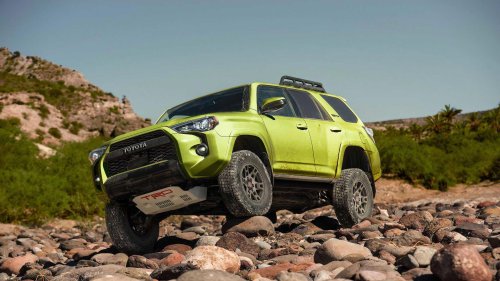

















Jump LinksFirst Generation (1984 - 1989)Second Generation (1990 - 1995)Third Generation (1996 - 2002)Fourth Generation (2003 - 2009)Fifth Generation (2010 - 2024)Sixth Generation (2025 - present)2012 Toyota 4Runner: 5th Generation2017 Toyota 4Runner: 5th Generation2021 Toyota 4Runner: 5th Generation2010 Toyota 4Runner: 5th Generation1990-1995 Toyota 4Runner: 2nd Generation2003-2005 Toyota 4Runner: 4th GenerationWhat years of 4Runner are the most reliable?What is Toyota's most reliable V6 engine?What are common problems with 4Runners?How long will a Toyota 4Runner last?Vehicles are not immune to degradation. No matter which car, truck or SUV you’re eyeing, there is no world where a vehicle is “clean” beyond measure. Yet, the Toyota 4Runner remains frustratingly immune to the standard lifecycle of consumer vehicles. This isn’t just an SUV that survives; it actively outlasts the competition and serves as the benchmark for body-on-frame endurance. But like we noted in the opening act, not every model year rolling off the assembly line was a masterpiece. If you are navigating the used car market, you need to cut through the hype on forums and look at the hard data - turning a blind eye to brand loyalty - to identify the best years for Toyota 4Runner models.We leverage data from authoritative bodies to pinpoint exactly where you should spend your money. We look at the cold, hard metrics of all 4Runner generations - repair costs, safety recalls, and owner-reported failures - from the iconic first iteration that featured the sought-after removable top to the modern tech-heavy giants. Through it all, we will uncover the ultimate top picks, the exact 4Runner years that deliver maximum reliability value, and the specific production runs that will drain your wallet faster than a blown head gasket.Reliability data has been sourced from the NHTSA. Recalls and complaints listed, as well as feedback from consumer surveys, have been taken into account. Authoritative sources are listed at the end of the article. Toyota 4Runner Generations Overview ToyotaThe Toyota 4Runner has been around for more than four decades, catering to a variety of buyers and needs. Here's what each of the six generations offers. First Generation (1984 - 1989) ToyotaThe genesis of the legendary 4Runner nameplate was essentially a modified Hilux pickup truck with a fiberglass shell over the bed. Toyota didn't bother masking its agricultural roots, and that tough-as-nails simplicity is exactly what cemented its reputation. Debuting with the famously indestructible 22R 2.4-liter inline-four engine, these early models prioritized durability over horsepower. The driving dynamics were rudimentary, NVH (noise, vibration, and harshness) levels were punishing by today's standards, and the solid front axle (used until 1985) meant on-road comfort was an afterthought. However, for sheer off-road capability, it was a revelation. In 1988, Toyota introduced the 3.0L 3VZ-E V6. While it offered more torque, it had the unfortunate pleasure of introducing the first real vulnerability into the lineup: a notorious appetite for head gaskets. Despite this, the first generation remains a highly coveted classic. Finding an unmodified, rust-free example today is exceptionally difficult, and those that have survived command premium prices from Second Generation (1990 - 1995) ToyotaToyota shifted gears in 1990, moving the 4Runner away from its pickup-with-a-cap aesthetic into a dedicated, fully integrated four-door SUV. The second generation abandoned the removable fiberglass roof for a fixed steel roof that improved structural rigidity and isolated the cabin more from outside noise. It also adopted a coil-spring rear suspension to make the ride quality less agricultural, though it retained the torsion bar front suspension. While the interior became far more user-friendly, especially with the 1992 facelift, the powertrain lineup remained a point of critical contention. The 3.0L V6 was carried over and continued to plague owners with head gasket failures and sluggish performance, often jokingly referred to as the "3.Slow." Fuel economy was notoriously abysmal, and the heavy body exacerbated the engine's lethargy. The power roll-down tailgate window was the 4Runner’s X factor, but it also became a frequent failure point due to weak internal motors and weather-stripping degradation. Third Generation (1996 - 2002) ToyotaThe third generation is widely regarded by automotive critics and off-road enthusiasts as the apex of the 4Runner’s legacy; the golden era. Toyota engineered an entirely new chassis that it shared with the J90 Land Cruiser, moving away from the Hilux architecture that underpinned the first two generations. The result was a larger vehicle with a significantly more comfortable ride quality, and a continuation of the exceptional trail agility. The introduction of rack-and-pinion system also made the steering feel more precise. The 1999 facelift introduced a refreshed interior that came with digital climate controls. The improved Multi-Mode 4WD system debuted on the Limited models. More importantly, Toyota finally resolved its engine woes by bringing some of the Tacoma’s powertrain components into the fray and introducing the 3.4L 5VZ-FE V6 engine. This powerplant delivered a smooth 183 hp and remains one of the most durable V6 engines ever mass-produced. The introduction of the multi-mode 4WD (four-wheel drive) system on higher trims allowed for seamless transitioning between all-wheel drive (AWD) and locked 4WD, which was a massive technological leap for the time. Notably, early models suffered from lower ball joint wear and the infamous "pink milkshake" (radiator failure mixing coolant with transmission fluid). Still, it remains a titan of the used car market. Fourth Generation (2003 - 2009) ToyotaIt wasn’t a popular choice in the off-road community because the fourth-generation 4Runner pivoted towards the suburban, luxury-oriented buyer. It grew in every dimension and utilized the Land Cruiser Prado 120 platform. For the first and only time in the model's history, Toyota offered an optional 4.7L 2UZ-FE V8 engine. This V8, identical to the one found in the Tundra and Land Cruiser, transformed the 4Runner into a formidable towing machine with a 7,300-lb capacity. The standard engine was an all-new, all-aluminum 4.0L 1GR-FE V6. Despite the power upgrades, the styling was highly polarizing, featuring the extensive use of plastic and an undeniably softer look than its predecessors. Early production years (2003-2005) were riddled with uncharacteristic quality control issues, but the 2006 facelift is famous for its cosmetic refresh, which added a new front bumper, redesigned grille, and LED taillights. The V6 models suffered from catastrophic head gasket failures, while the entire generation fought severe frame rust problems that triggered massive NHTSA investigations and class-action lawsuits. The dashboard cracking became so prevalent that Toyota was forced into an extended warranty replacement program. Fifth Generation (2010 - 2024) Bring A TrailerRunning for an astonishing 15 model years, the fifth generation defied every rule of modern automotive product cycles. The 4Runner went back to a blocky, aggressive, unapologetically truck-like design, and set its sights on the off-road demographic. Toyota streamlined the powertrain options, with the V8 not a part of it anymore and the 2.7L inline-4 running for just the 2010 model year. The updated 4.0L V6, mated to an old but virtually indestructible 5-speed automatic transmission, was the sole powertrain. The interior technology lagged severely behind competitors, but buyers didn't care; they were purchasing proven durability. In 2014, a facelift came to market and introduced a more aggressive and "angry" front-end design that featured a redesigned front fascia, sharper headlights, and a more prominent grille. This generation introduced specialized trims that dominated the market, including the TRD Off-Road and the flagship TRD Pro, featuring Fox internal bypass shocks and thick aluminum skid plates. It became the default choice for the overlanding community, and the Toyota 4Runner reliability metrics during this period are unparalleled. It is the definitive best used SUV for buyers who value absolute mechanical certainty over modern features and soft-touch plastics. Sixth Generation (2025 - present) ToyotaThe inevitable modernization finally arrived with the sixth generation. Built on Toyota’s TNGA-F global truck platform - shared with the Tacoma, Land Cruiser, and Tundra - this generation violently drags the 4Runner into the modern era. The ancient naturally aspirated V6 is dead, replaced by a 2.4L turbocharged inline-four (i-FORCE) producing 278 hp and 317 lb-feet of torque, with an available i-FORCE MAX hybrid variant pushing 326 hp and 465 lb-ft. An 8-speed automatic transmission replaces the 5-speed, which improves highway manners and theoretical efficiency. The interior is completely digitized and features a massive 14-inch touchscreen, a digital gauge cluster, and the latest Toyota Safety Sense 3.0 suite. While the addition of a disconnecting front sway bar enhances trail articulation, purists remain highly skeptical of the turbocharged hybrid powertrains’ ability to match the 20-year lifespan of the outgoing V6. It is too early for long-term reliability data, but the initial reviews and impressions point to a vastly superior on-road driving experience. The true test will be whether this heavily computerized platform can uphold the legacy of the Toyota 4Runner generations that came before it. But given our initial impressions, this is the off-road warrior you need in 2026."Cars and trucks don't need to be logical, but they do need to make sense when they evolve. The new 4Runner has all the right boxes ticked: The engine upgrade is on point, while the hybrid delivers more than most buyers will ever need. The ride and handling is now among the best, and the off-road ability is exactly what you expect from a 4Runner. The TRD models are exceptional, and the Trailhunter might be Toyota's best off-road vehicle yet."- Ian Wright, Senior Road Tester, CarBuzz Best Toyota 4Runner Years For Reliability 2012 Toyota 4Runner: 5th Generation Toyota J.D. Power Quality & Reliability Score: 83/100 RepairPal Reliability Rating: 4.0/5.0 CarEdge Rating: A+ For buyers looking to maximize their ROI (return on investment), the early 5th generation models are the ones to go for among the best Toyota 4Runner years, because the 2012 model successfully dodged the minor teething issues of the 2010-2011 launch years. The narrower profile makes this SUV ideal for off-road excursions, and the interior plays home to the bare minimum. The technology is archaic, but the mechanicals are undeniably robust. NHTSA data shows minimal owner complaints regarding major engine or transmission failures, and this SUV serves as a low-cost entry point into reliable overlanding. 2017 Toyota 4Runner: 5th Generation Toyota J.D. Power Quality & Reliability Score: 88/100 RepairPal Reliability Rating: 4.0/5.0 CarEdge Rating: A+ If the 2021 model stretches the budget, the 2017 model is the best compromise, offering identical mechanical integrity at a lower price point. It builds on the durable, trusted architecture of the fifth generation, which only supports its bulletproof nature. This year is particularly notable for the expansion of the TRD lineup, solidifying the brand's off-road dominance. Granted, the infotainment system is noticeably dated, and you will lack advanced safety features like adaptive cruise control, but the foundational chassis and powertrain are identical to the newer, more expensive models. It is very analog, but a high-value purchase. 2021 Toyota 4Runner: 5th Generation CarBuzz/Valnet J.D. Power Quality and Reliability Score: 88/100 RepairPal Reliability Rating: 4.0/5.0 CarEdge Rating: A+ The 2021 model - in fact, the final years of the fifth generation - represents the absolute pinnacle of the 5th gen. By this point, Toyota had ironed out every conceivable mechanical flaw in the 1GR-FE V6 engine and the 5-speed transmission. What makes the 2021 model the best year for Toyota 4Runner is the inclusion of standard LED headlights across all trims - a massive safety upgrade over the halogens of previous years. And it retains the Apple CarPlay and Android Auto integration introduced in 2020. According to the NHTSA, recalls are virtually non-existent for this year. If you want a modern vehicle that will outlive your mortgage, this is the definitive target. Toyota 4Runner Model Years To Avoid 2010 Toyota 4Runner: 5th Generation ToyotaThe fifth-generation 4Runner is a largely reliable range, but its inaugural year, 2010, proves that even Toyota is susceptible to the dreaded first-year manufacturing syndrome. Upgrading to a heavier, blockier platform meant tweaking the suspension and braking dynamics. The most frequently reported problems involve the braking system, specifically premature front rotor warping and excessive steering wheel vibration under heavy braking loads. While not as intense as a blown head gasket, it represents a recurring, frustrating maintenance cost that later models resolved."The contact owns a 2010 Toyora 4Runner. The contact stated the brake pedal felt loose and rattled whenever he applied the brakes. During the failure, the contact would also hear an abnormal hissing noise."- NHTSA Complaint 1990-1995 Toyota 4Runner: 2nd Generation Bring A TrailerThe entire second generation is a powertrain disaster, and it is the weakest mechanical link in the 4Runner's lineage. The primary culprit is the 3.0L 3VZ-E V6 engine that suffered from head gasket failures caused by a poorly routed exhaust crossover pipe that prevented the rear cylinders from working as intended. Beyond the engine’s mechanical flaws, this generation was underpowered, remarkably thirsty at the fuel pump, and burdened by a heavy steel body. And to add insult to injury, the signature power roll-down tailgate window became a notorious and frequent failure point."Owner states while driving the vehicle there is a misfire in engine; also, heard a loud boom while driving. He pulled over to find out that the head gasket blew out and the head bolts were defective."- NHTSA Complaint 2003-2005 Toyota 4Runner: 4th Generation ToyotaThese early fourth-generation models are a statistical minefield on the used market and can’t be ignored when discussing the Toyota 4Runner years to avoid. From 2003 to 2005, the core issue lies with the newly introduced 4.0L 1GR-FE V6 engine, which suffered from premature head gasket failure. This repair often requires a complete top-end rebuild, and this cluster of years was plagued by structural frame corrosion that triggered massive NHTSA investigations and class-action lawsuits. The frames rotted from the inside out, causing suspension mounting points to fail."Blown head gasket. Potential to overheat while in operation, leaving the passengers stranded or start an engine fire. Every local mechanic shop I received estimates from was very familiar with this issue for this model year, and the internet forum searches have hundreds of complaints for this same issue."- NHTSA Complaint Most Reliable Toyota 4Runner by Generation ToyotaWhen analyzing Toyota 4Runner reliability by year, one can quickly pick up on which generations perform better than others. The 5th generation (2010-2024) stands unrivaled at the top. It took the proven 4.0L V6 and perfected it, resulting in a 15-year run with almost zero systemic powertrain failures. It is the most statically reliable mid-size SUV of the 21st century. Following closely is the 3rd generation (1996-2002). The 3.4L V6 engine is legendary, and while they are getting old, a well-kept 3rd gen will still outlast many modern vehicles. The issues here are largely age-related wear rather than inherent design flaws.The 4th generation (2003-2009) is the Jekyll and Hyde generation. The early V6 models are disastrous, but the later V8 models (2007-2009) are very reliable. The 1st generation (1984-1989) is mechanically simple and robust (specifically the 22R engine), but 40 years of wear and severe rust issues drop it down the list. The 6th generation (2025-Present) cannot be accurately ranked yet, but modern turbocharged and hybrid systems inherently carry more points of failure than naturally aspirated engines. How these powertrains perform in the 4Runner remains to be seen, but their performance in the Tacoma should be cause for optimism.Finally, the 2nd generation (1990-1995) ranks last due to the catastrophic, systemic head gasket failures of the 3.0L V6. Used Toyota 4Runner Buying Guide: What To Check Bring A TrailerPurchasing a used 4Runner requires a critical eye, as its reputation for durability often leads owners to neglect basic maintenance, assuming the SUV will simply "handle it." Here are some aspects that affect the 4Runner’s values that prospective buyers should check before buying a used example: Maintenance records (Has this 4Runner been maintained regularly?) Model year (See the rest of the article above: Is it a generally reliable model year?) Cosmetic condition (Is there damage to the exterior or interior? Scratched or faded paint?) Number of previous owners (How many people have owned the car before you?) How many miles it's been driven (Does it have high mileage?) Accidents on the vehicle's record (Has it been in an accident?) Mechanical condition (does it have problems?) The non-negotiable inspection point is the frame. Toyota 4Runner reliability is entirely dependent on the structural integrity of the steel beneath it. Inspect the frame rails, specifically near the rear trailing arm mounts and the front catalytic converters. Surface rust is normal - that can be removed quickly - but deep pitting, flaking metal, or fresh black undercoating (often used to hide rot) are signs to walk away from the deal. A 4Runner’s service history is crucial, too. On third-generation models, examine the radiator; if it hasn't been replaced, budget for it immediately to avoid the "pink milkshake" transmission destruction. For fourth-generation V8s, verify that the timing belt was changed every 90,000 miles. For fifth-generation models, test the 4WD system to ensure the vehicle shifts smoothly into 4HI and 4LO.Pricing for a used model aligns with the generation and trim. The SR5 is your entry-level workhorse and is generally the lowest barrier to entry. The Limited trim offers AWD and leather, but it sacrifices tire sidewall for larger wheels, which impacts off-road prowess. The trail edition and TRD models, like the TRD Pro, will command a premium. Overall, a 4Runner will defy resale value trends. As for pricing, the CarBuzz MarketPlace lists used examples as far back as 2007. The listed prices are the least and most expensive listings, which should indicate the price scope for each generation. FAQs What years of 4Runner are the most reliable? The most reliable Toyota 4Runner models are from the late 5th generation, specifically 2017 through 2024. These years feature the 4.0L V6 engine and excellent reliability ratings from J.D. Power. What is Toyota's most reliable V6 engine? The 3.4L 5VZ-FE V6 (found in the 3rd Gen 4Runner) and the later 4.0L 1GR-FE V6 (found in the 5th Gen) are widely considered Toyota’s most reliable V6 engines. What are common problems with 4Runners? The most persistent issue across all 4Runner generations is frame rust. But mechanically, early fourth-generation V6 models suffered from blown head gaskets, and third-generation models are prone to lower ball joint failures. The fifth generation is largely problem-free, aside from occasional brake issues. How long will a Toyota 4Runner last? When analyzing the best used Toyota 4Runner data, a well-maintained model will easily surpass 250,000 miles.