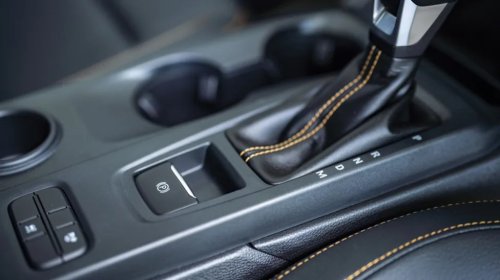
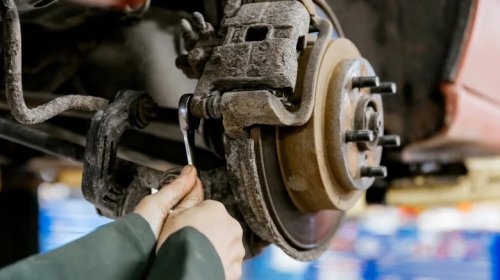
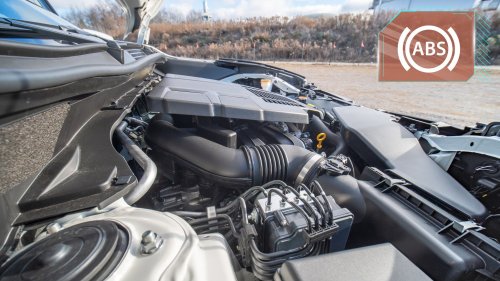
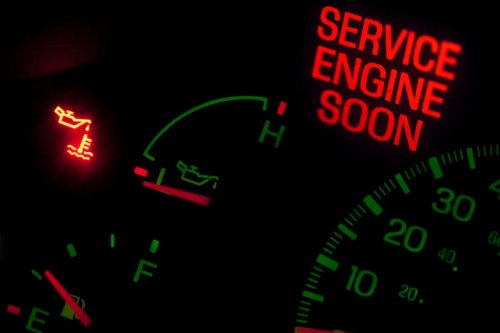
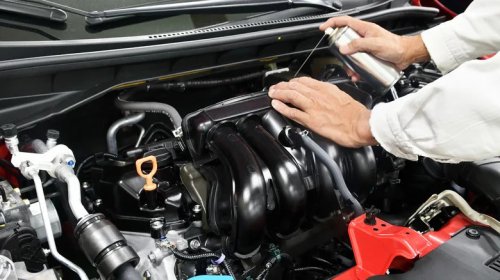
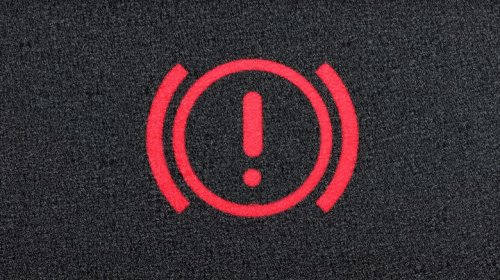
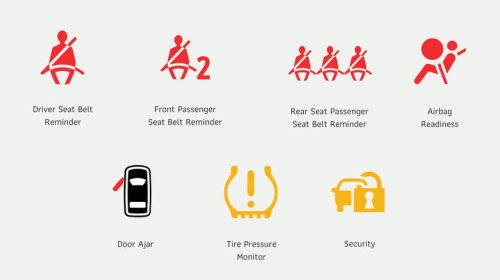
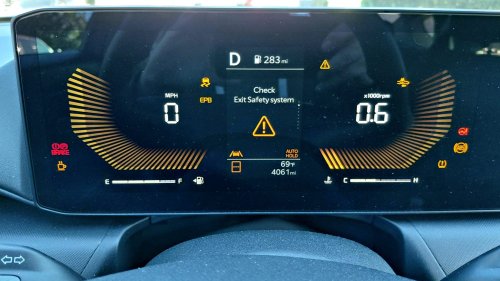
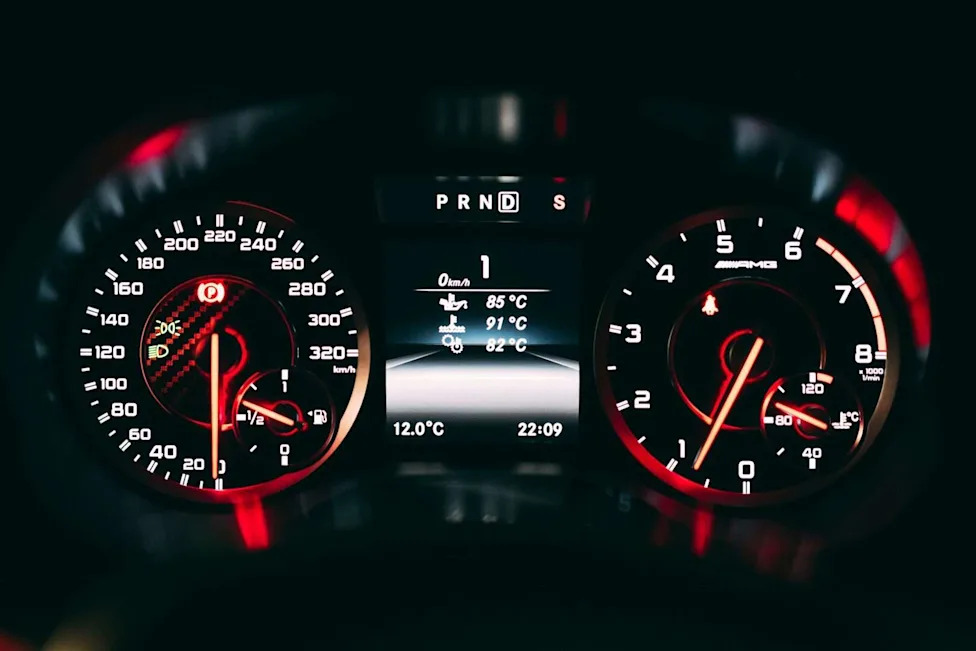
Dashboard Warning Lights Explained: What Each Symbol Really MeansThat little glowing symbol on your dashboard can mean anything from "top up your washer fluid" to "pull over immediately." Modern cars use dozens of warning lights, and knowing what each one means can save you from an expensive breakdown or a dangerous situation. This guide breaks down the most important dashboard warning lights and what you should do when they appear.Understand the Color Code FirstDashboard lights follow a simple traffic-light logic. Red means stop or serious danger and demands immediate attention. Amber or yellow means something needs checking soon but is rarely an emergency. Green and blue lights are simply informational, telling you a system such as cruise control or high beams is active.The Check Engine LightThe most misunderstood light of all, the check engine light, can indicate anything from a loose gas cap to a failing catalytic converter. If it glows steadily, have it scanned soon. If it flashes, that signals a serious misfire, and you should reduce speed and get help quickly to avoid engine damage.Oil Pressure and Temperature WarningsThe oil pressure light, shaped like an oil can, is one you must never ignore. Low oil pressure can destroy an engine in minutes. Similarly, a red temperature light means your engine is overheating. In both cases, pull over safely and shut off the engine. Staying on top of fluids is exactly what keeps the models that routinely last 300,000 miles running strong.Battery and Charging LightThe battery-shaped light indicates a problem with the charging system, often a failing alternator or a loose belt. The car may run for a while on battery power alone, but once that drains, it will stall. Get it checked before you find yourself stranded.Brake and ABS WarningsA brake warning light may simply mean the parking brake is engaged, or it could signal low brake fluid or a hydraulic fault. The separate ABS light points to the anti-lock braking system. Because brakes are critical to safety, never delay having these inspected. Choosing a dependable vehicle helps too, as we cover in our look at the most reliable cars ever made.The Bottom LineYour dashboard is your car's way of talking to you. Learn the color code, take red lights seriously, and never ignore the oil, temperature, or brake warnings. When in doubt, consult your owner's manual or a trusted mechanic. A few minutes of attention can prevent a major repair down the road.AdvertisementAdvertisementJoin our Newsletter, follow our Instagram page, and connect with us on Facebook.



















 +7 others