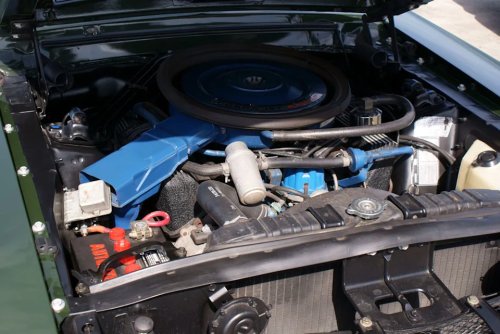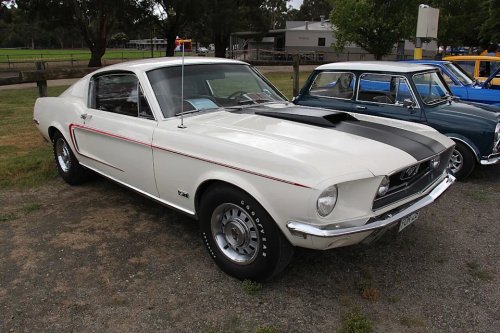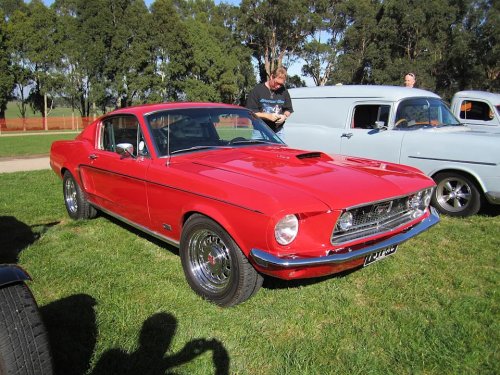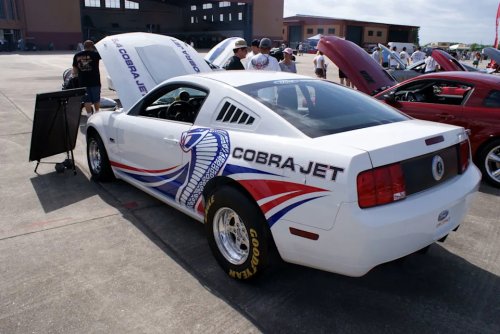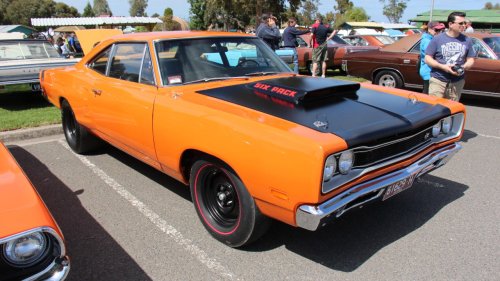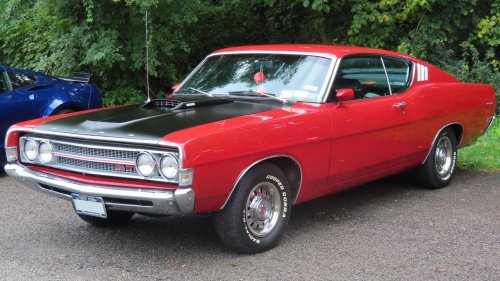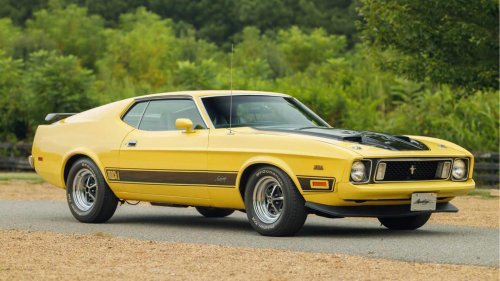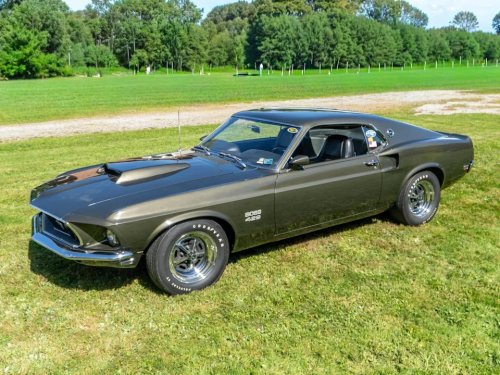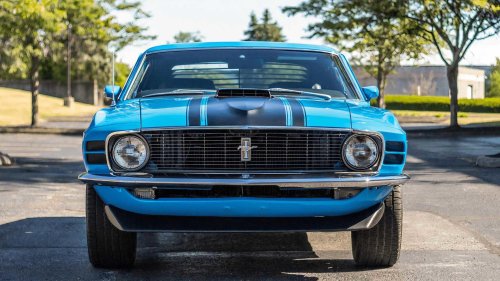
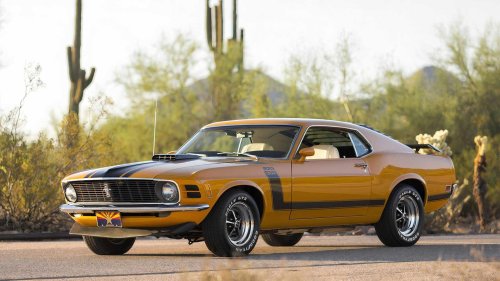
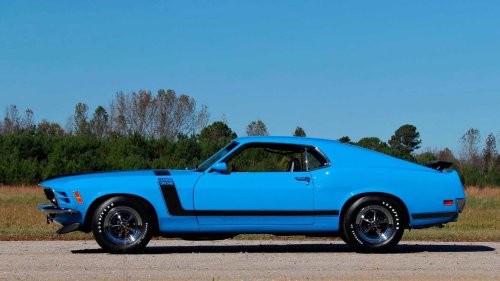
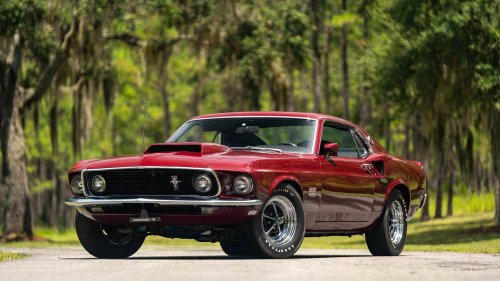
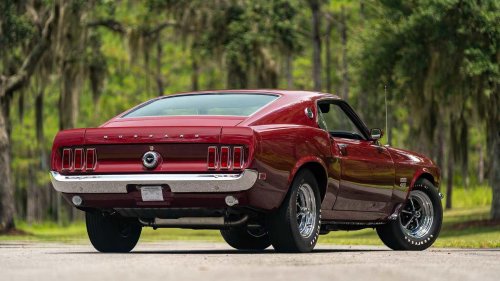
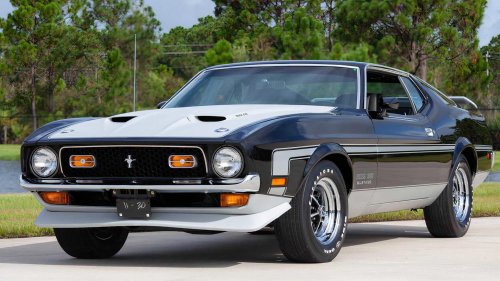



















Where do some of the legendary names for cars come from? When you hear someone talk about the Boss Mustang, your thoughts instantly go to high-performance, track-oriented versions of Ford’s most iconic muscle car. The Boss models were some of the most powerful and impressive non-Shelby versions of the Mustang.Building something legendary takes a lot of skill, engineering, ingenuity, and imagination. The Ford Mustang hit the market in the 1960s and was an instant hit. Over its long history, Ford has created several special models with various names, such as the Bullitt model, but none carries the cache and name recognition as the Mustang Boss. This name lives on as a car that had everything muscle car enthusiasts desired in the '60s. The Boss Name Began As A Secret Project Response Bring A Trailer It Wasn’t Meant To Be The Name Special, high-performance versions of cars were often kept secret and under wraps in the early days of performance driving. That can sometimes still be the case today, but in the 1960s, it seemed like some secrets were even kept from the rest of the company. This certainly seems to be the case with the Boss Mustang name.As the story goes that Larry Shinoda, a designer who left GM for Ford, developed the Mustang project. When people asked what he was working on, he’d reply, “the Boss’s car,” a reference to then-Ford president Semon “Bunkie” Knudsen. The nickname stuck, and “Boss” became the official badge.The Boss name has become a symbol of dominance and top-of-the-line performance, allowing Ford to brand the Mustang at a higher level of performance in a way that drivers easily understood these cars were meant to dominate on the street and racetrack. First Ford Muscle Cars Wearing The Boss Name Hagerty Legendary Rivals Face Off The late 1960s and early 1970s were thrilling times in the muscle car world. Chevy had the Camaro Z/28 and Ford needed a Mustang that could respond to the higher-powered, high-performance Chevy. This led to creating not one, but two legends that wore the Boss name. The 1969 Boss 302 Mustang Was A SCCA Race Car For The Roads Via: Mecum AuctionsThe first car with the Boss name was the 1969 Boss 302 Mustang, which was built to compete in SCCA Trans-Am racing. This was a direct competitor to the Chevrolet Camaro Z/28, and it had an impressive engine. The 302 signified a displacement of 302 cu-in, which is 4.9 liters in today’s measurements, and it was a specially built Windsor block with Cleveland heads.The power was listed at 290 horsepower and 290 lb-ft of torque. Many believe the horsepower rating was underrated, which was pretty common at the time to avoid higher insurance premiums. The power was much closer to 350 horsepower, which makes sense considering the performance figures.During this era of muscle cars, a standing quarter-mile was the measure of speed, and the Boss 302 completed this run in 14.57 seconds at 98 MPH, which was pretty impressive.Ford made 1,628 versions of the ’69 Boss 302 Mustang, making it one of the most sought-after muscle cars of its time. The first 50 of those produced were hand-built models. Legendary Ford Power With The Boss Name Mecum Auctions The 1969 Boss 429 Mustang Redefined "Muscle" Why not go bigger? Well, you want to go bigger with a car that has purpose, and the 429 Boss Mustang was aimed directly at NASCAR. This car was made for homologation purposes to enter the Mustang in the top racing series. The big 7.0-liter, 429-cu-in engine was so tight that Ford had to modify the suspension and widen the shock towers to fit it into this car.Mecum AuctionsThe massive engine is a “Semi-Hemi,” which means it has crescent-shaped combustion chambers. This amazing engine was listed at 375 horsepower and 450 lb-ft of torque, but it really produced nearly 500 horsepower, and more than that in some cases.The massive power produced by the Boss 429 Mustang allows it to finish a standing quarter mile in 13.7 seconds, which is blistering fast for the time. Ford only produced 1,359 versions of the Boss 429 during the 1969 and 1970 model years, making it one of the rarest Mustangs ever produced. Boss 351 Mustang: One-Year Wonder American Muscle Car Museum The 1971 Boss 351 Mustang After the Boss 302, Ford went back to the drawing board to see if they could build something even bigger and better for the Trans Am Racing series. This brought about the 1971 Boss 351 Mustang, which was meant to fulfill the SCCA production requirement, but the plug got pulled before the car ever hit the track.This car was short-lived, but it was a ferocious monster that drew power from a 351-cu-in, 5.8-liter, V8 engine with an 11.7:1 compression ratio. Power was listed at 330 horsepower and 370 lb-ft of torque. It was listed as finishing a quarter-mile in 14.1 seconds at 100 MPH, but some testers were able to reduce that to 13.9 seconds, making it one of the fastest cars in its class at that time.The 1971 Boss 351 was the last true “Boss” before insurance rates, the fuel embargo, and emissions ruined the Muscle Car Era in America for good. Modern Revivals Of The Boss Mustang Ford 2012–2013 Boss 302 Mustang It was time for a Mustang facelift in the early 2010s, and that also brought something special and exciting to the market. The Boss 302 name was revived for the 2012 and 2013 model years, using a 5.0-liter Coyote V8 engine that sends 444 horsepower and 380 lb-ft of torque to the rear wheels.Unlike earlier Boss Mustang models, the listed horsepower is actually what this car put on the road, but the modern build meant it was faster and even more furious than its predecessors. Ford built a special “Laguna Seca” edition for some serious track work and enjoyment on the tarmac.The modernized Boss 302 is capable of finishing a quarter mile in 12.4 seconds at 114 MPH and reaches 60 MPH in only 4.4 seconds. This Boss Mustang showed how the name still carries authority and demands respect among performance enthusiasts. Ford Boss Mustang Fun Facts Big Scary Power The Boss 429 engine was so large and powerful that it’s considered one of Ford’s greatest big-blocks. Many argue that it was intentionally underrated to avoid scaring buyers or insurance companies. Street Racing Dominance The Boss Mustangs were not just drag cars; they were built with road racing in mind, giving them sharper handling than many rivals. This meant they were more capable than most muscle cars that were built for the quarter-mile sprint on the street. High-Priced Collector’s Items In collector's markets, Boss 429s can fetch over $400,000 at auctions, making them some of the most valuable muscle cars ever built. The rarity of early models and their racing purpose have led to the high prices achieved at some auctions.“Boss” in Ford muscle cars means dominance, high performance, and exclusivity. They were originally born out of racing requirements, with clever branding, and legendary engines that remain icons today. The “boss’s car” definitely took on a new name and became an iconic legend in the American classic car market.Sources: Hemmings, MotorWeek, Hagerty, Ford Authority.