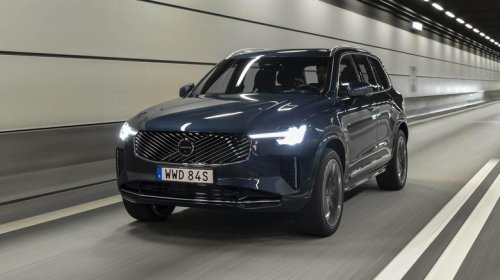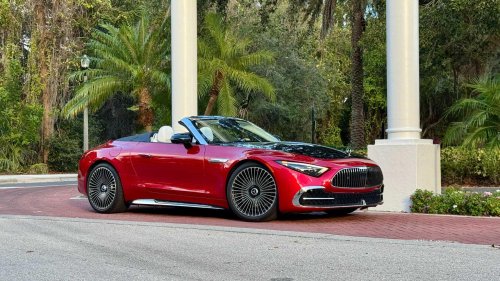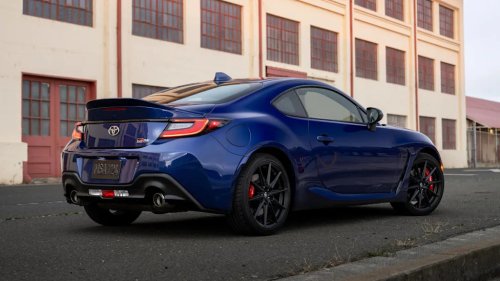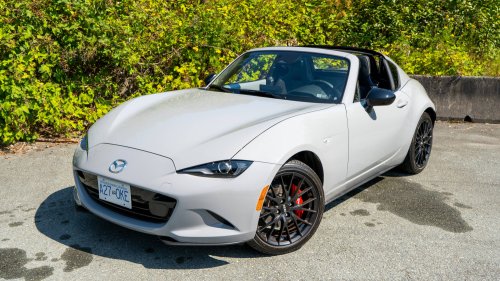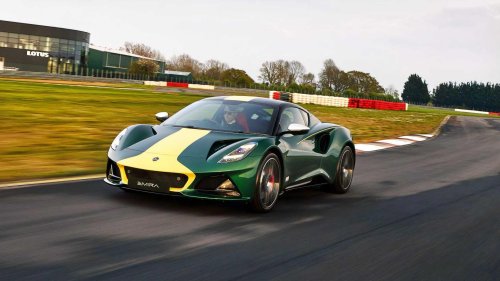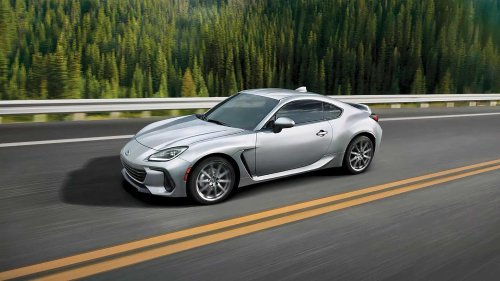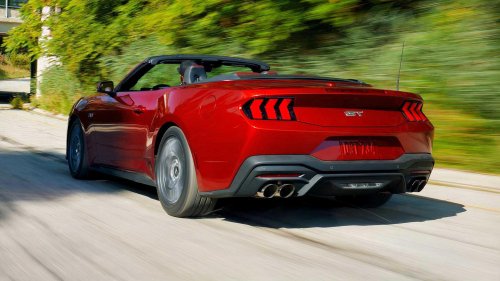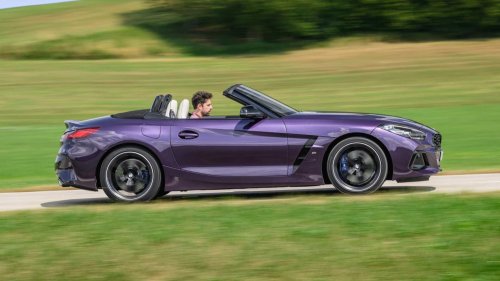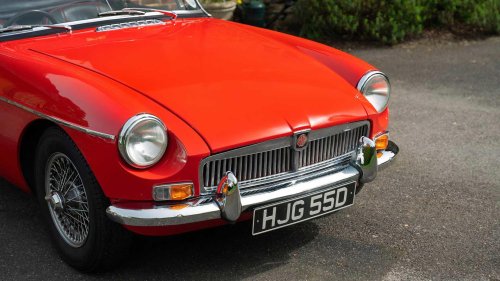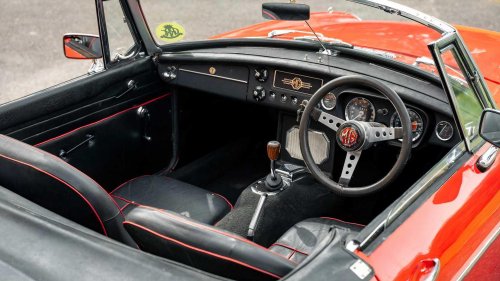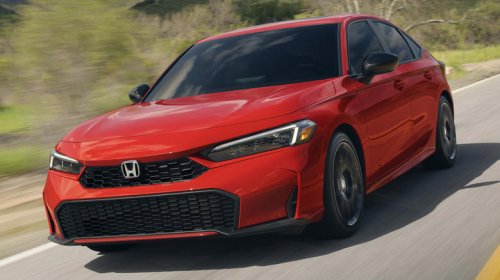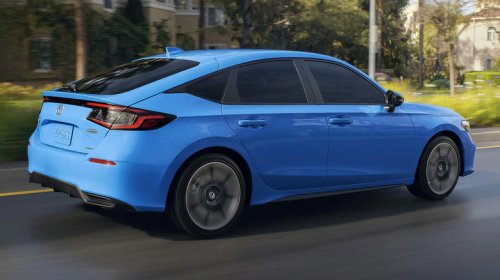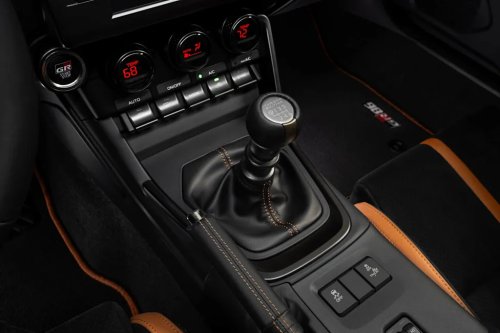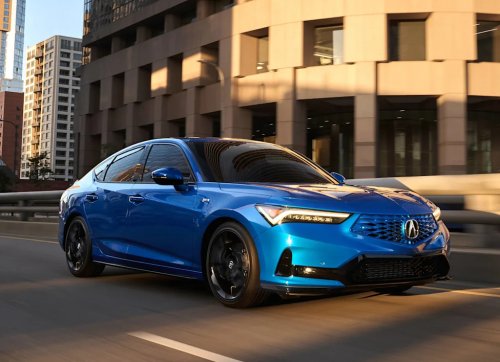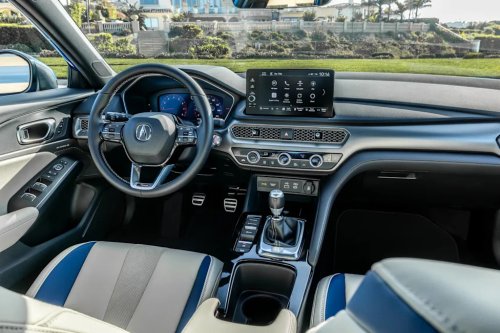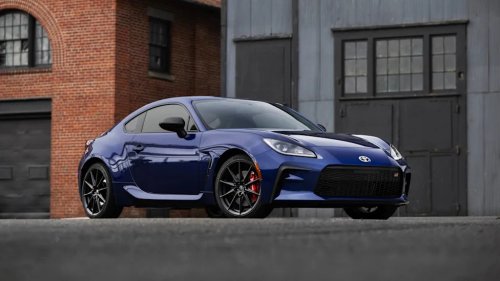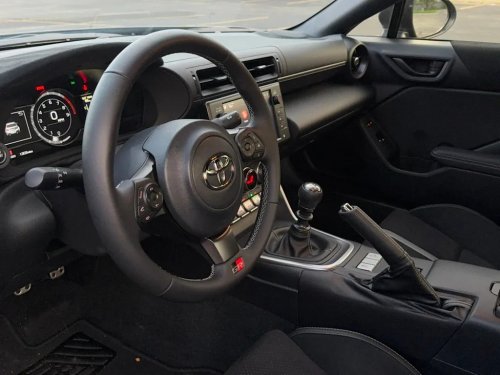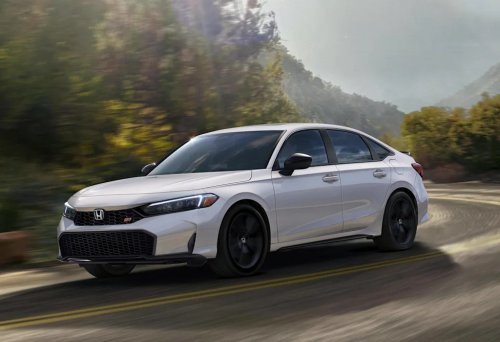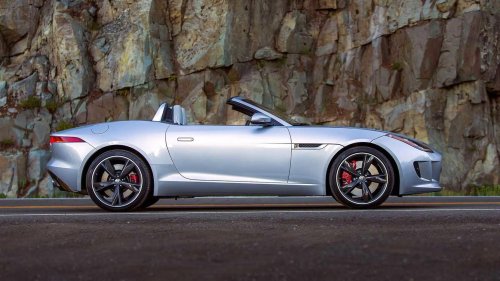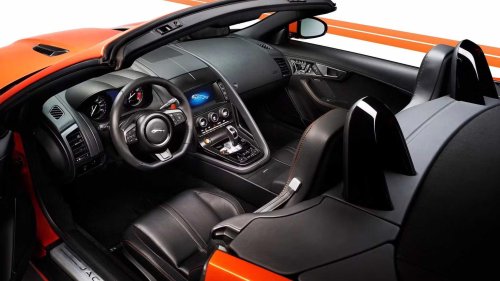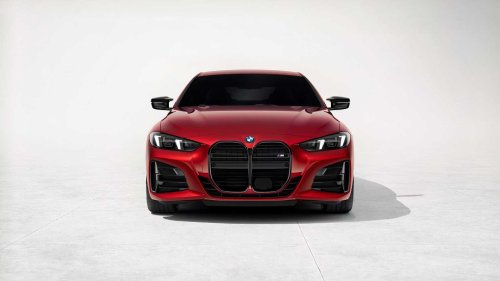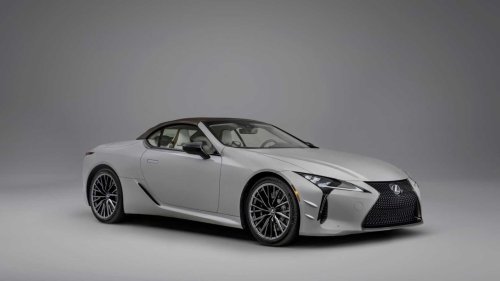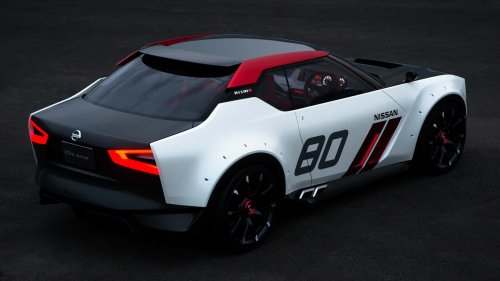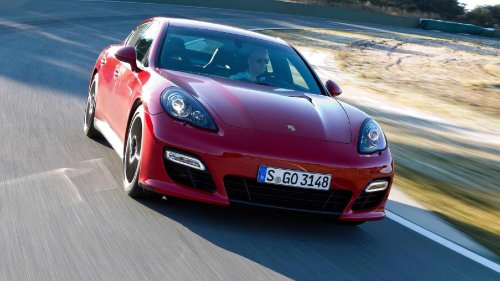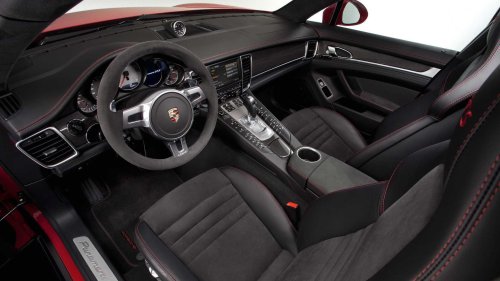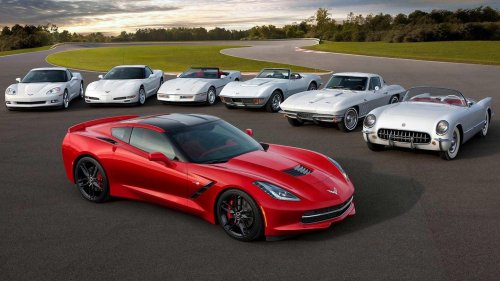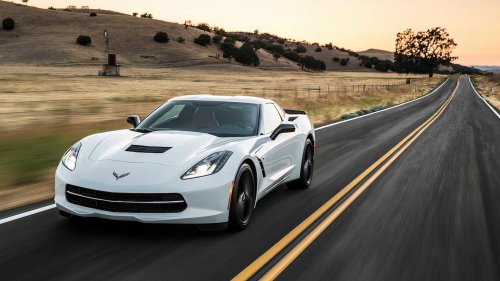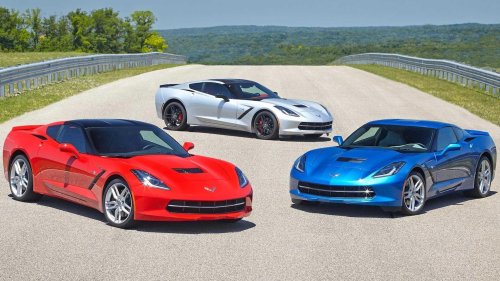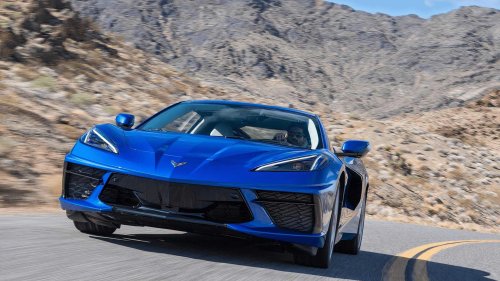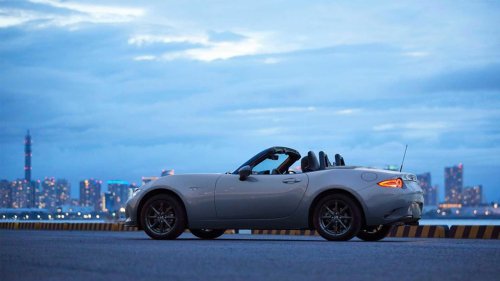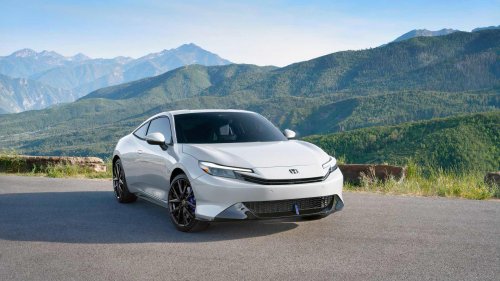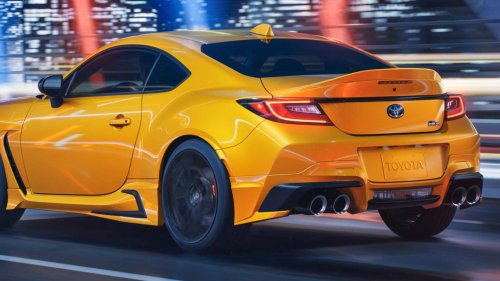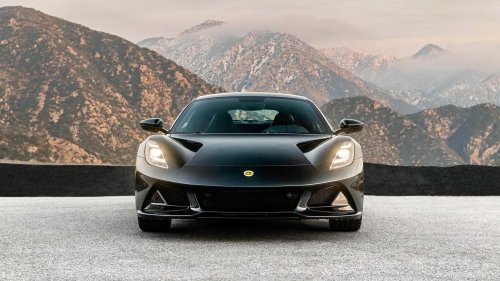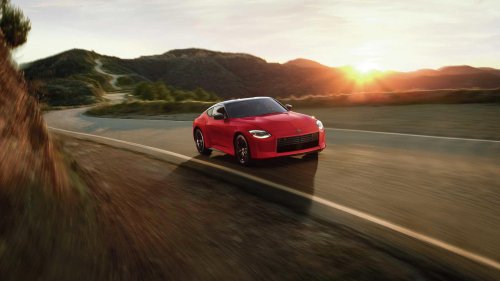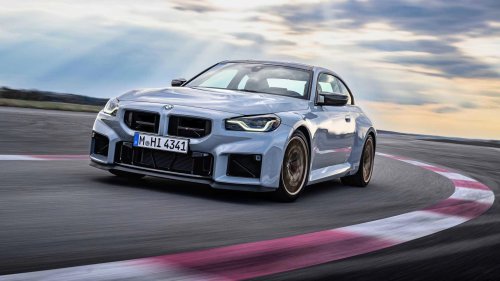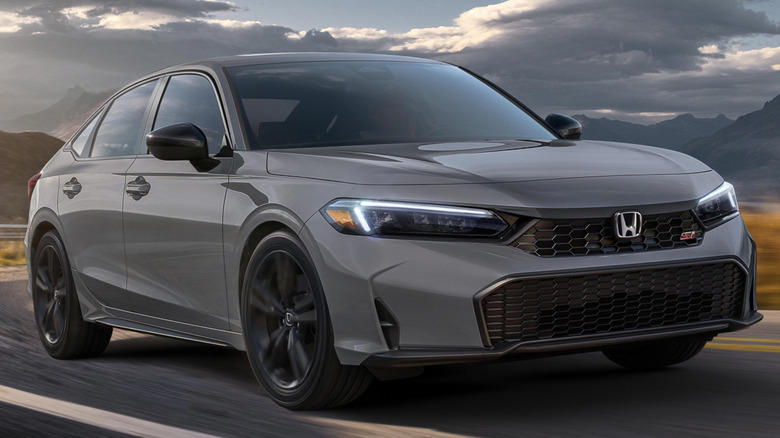
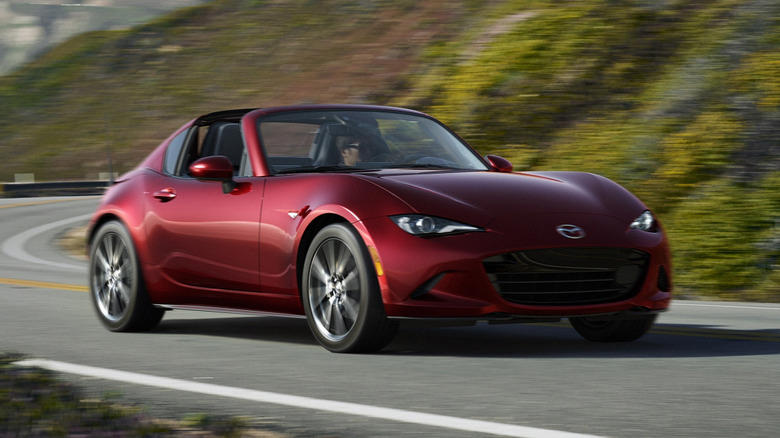
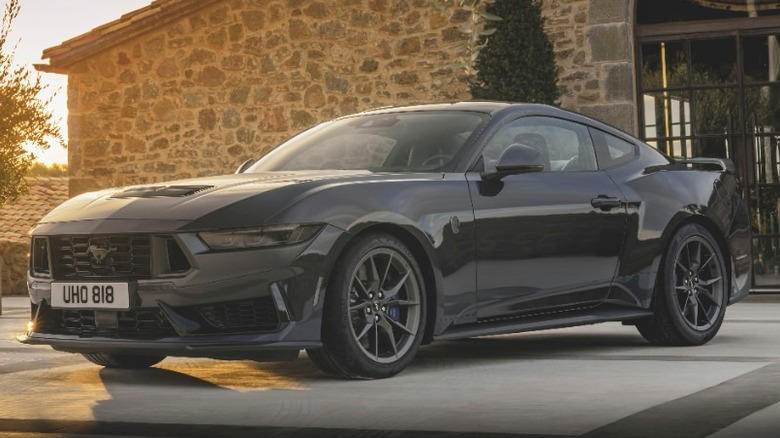



















Honda The Consumer Reports list of the best sports cars available in 2026 has some worthy candidates, but also raises an age-old question: Just what defines a "sports car" in the first place? Road & Track notes that the original definition of a sports car, as promulgated by the Sports Car Club of America, was "any car that seated two, had a soft top, and could be used for competition." Does this definition still deliver, or does it need updating? CR clearly thinks it needs a makeover, as among the site's list of sports cars and convertibles are the Hyundai Ioniq 5N and Honda Civic Si. Both are brilliant cars, but they certainly don't fit the Sports Car Club's description, whereas other models on the list certainly do; Chevy's mid-engine Corvette, and the beloved Mazda MX-5 Miata, for example. It's not an open-and-closed case, though, as there are solid arguments to make on each side. Stop complicating things: A sports car is a sports car Mazda The Ioniq 5 N and Civic Si are indeed sporty cars, but that doesn't make them sports cars. The former is a hotted-up electric crossover, and the latter is an entry-level sporty sedan. They already have homes within other segments, so why are we blurring the lines? This rule applies to a whole host of other cars, too. List any high-performance or driver-oriented car you want that's currently on sale; the Volkswagen Golf R is a high-performance hot hatchback, BMW's 8 Series is effectively a personal luxury coupé, and BMW's 2 Series is just a compact coupé. We have proper sports cars, granted not many, but we do have them. The evergreen example of Mazda's MX-5 Miata is the perfect example: two seats, soft top, and could indeed be used for competition. At the quicker end of things, there is the Chevy Corvette, and quickly before it disappears for good, the BMW Z4 too. To put it simply, we don't need to start classifying near-5,000-pound electrified crossovers as sports cars. We still have sports cars, so there is no need to dilute the waters of classification. Maybe it's not that easy Ford In some cases then, deciphering whether a car is a true sports car is fairly easy. But what about in more complex instances, such as with Toyota's GR Supra? It's a coupé, which immediately means it doesn't neatly fit into that old description of a sports car — but what exactly is it, if not a sports car? It can't be just a coupé, as that's a body style, not a classification or segment. It can be a grand tourer if you want it to be, but with a 382-horsepower inline-6 powering the rear wheels through a six-speed 'box, it's certainly what many would consider a thoroughbred sports car. In that vein, so is the current Ford Mustang. It used to be a muscle car, or pony car, to be more specific, but it has definitely crossed over into sports car territory now — even if it is a coupé, not a roadster, and boasts four seats. It's easy to make the cases for models like these, so is it just as reasonable for Consumer Reports to categorise the Civic Si and Ioniq 5 N as sports cars? The Civic offers a slick six-speed manual transmission our Andy Kalmowitz thoroughly enjoyed test-driving, while the Ioniq boasts north of 600 horsepower, flamboyant styling tweaks, and even a power-boost mode. That's far more sporting than anything you'd find beneath the haunches of a Miata, so what's the problem? It's controversial, sure, and perhaps "sports car" isn't a neatly defined box we can cram specific cars inside any more, or exclude others from fitting within it, for that matter. An electrified Hyundai crossover is a stretch, but the original definition certainly is up for revision.