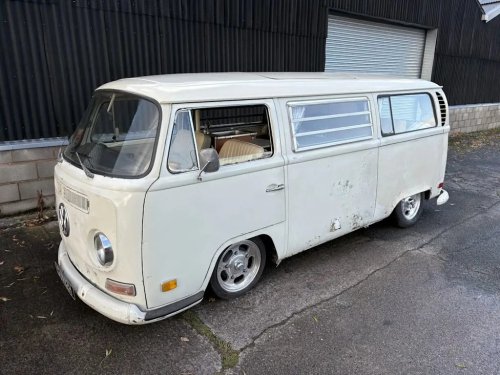
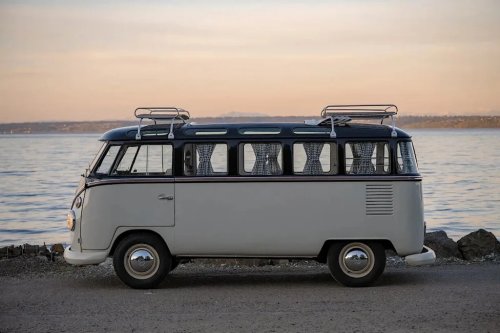
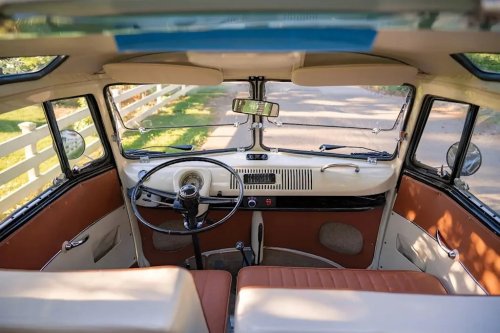
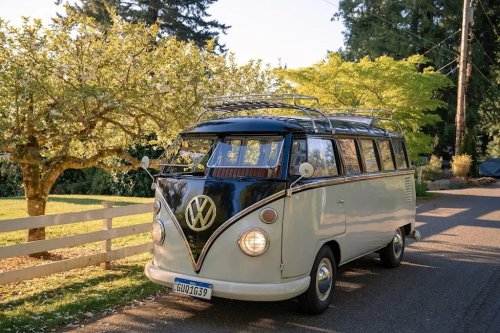
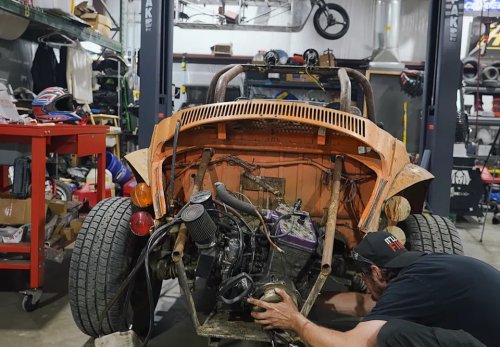
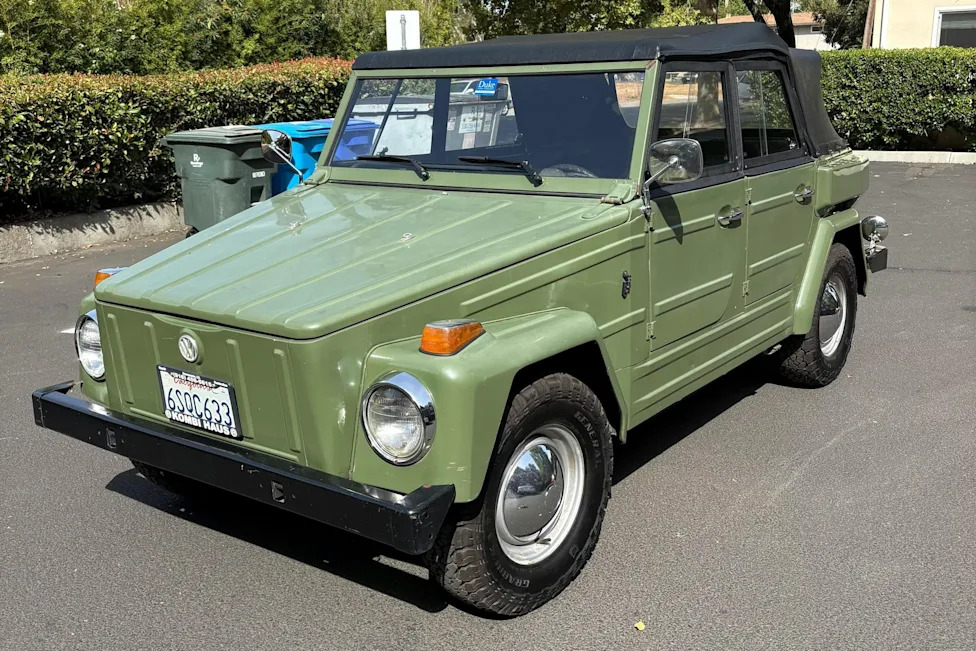
Collectable Classics: Volkswagen Type 2AutoGuide.comJeremy KorzeniewskiFri, September 11, 2026 at 3:22 PM UTCAdd us on GoogleBus, microbus, or van. Split window, bay window, camper. High top, pop top, weekender, Westfalia. Kombi, Transporter, even Ambulance. The Volkswagen Type 2 has earned many nicknames and served countless roles over the years, which is pretty surprising given the machine's humble beginnings.The VW Type 2 went into production in March, 1950, following a back-of-the-napkin sketch by Dutch importer Ben Pon. The design looked absurd, with the front seats perched on top of the front wheels for a forward-control design, a tiny air-cooled engine mounted behind the rear axles, and an almost impossibly small wheelbase in between. Somehow, it worked.Humble origins aside, the VW Type 2 would go on to be celebrated around the world as a practical people mover, never-say-die workhorse, and eventually a symbol of counterculture.AdvertisementAdvertisementThe Type 2 went through several variations over its lifetime, debuting with a unique split-screen windshield before morphing into a more blunt-faced van with a wraparound front window. We're focusing on air-cooled Type 2 models prior to the introduction of the Vanagon for the purposes of this article, which means vans built between 1950 and 1979.If you're the kind of enthusiast who's always searching for something different-or just love discovering rare, one-off, or downright oddball vehicles-AutoGuide has you covered. We've put together a curated list featuring some of the most unique used cars, trucks, and SUVs from across more than 600 enthusiast forums.Subscribe now to join our exclusive mailing list and get the latest finds delivered straight to your inbox.What Makes the VW Type 2 So Interesting?Everything.AdvertisementAdvertisementWhile some people may argue that Chrysler invented the minivan in 1984, that's not strictly true. The Volkswagen Type 2 predates the Caravan, Voyager, and Town & Country by decades, and if you haven't seen one in person, let's just say it is indeed a minivan. It shared a number of parts with the ubiquitous Beetle (the Type 1, for those unfamiliar with VW's early naming scheme), initially including its air-cooled engines.As we alluded to in the opening paragraph, the Type 2 would take a number of interesting forms over the years. From passenger vans with rooftop skylights and sliding canvas roofs to camper vans with tents that popped out of the roof, the van was marketed for nearly any activity. It was even sold in pickup form with bedsides that folded away to reveal a flat load floor.It was also terribly underpowered. In its initial form, a 1.1-liter air-cooled four-cylinder boxer engine was used that produced about 25 horsepower. Displacement and power would rise over the years, to 30, then 40, before eventually surpassing the 50-hp mark in the 1960s. In its final incarnation, the humble bus was equipped with a 2.0-liter flat-four engine with fuel injection and a rated output of around 70 ponies. You could also find this "pancake" engine in a few Porsche models. Unlike your typical Porsche, though, the van's top speed barely exceeded its horsepower rating. But it simply didn't matter to the type of people who were attracted to the Type 2.I owned a 1975 model myself, complete with a high-top roof, refrigerator, sink, cooktop, and fold-out bed. I could hit 74 miles per hour with my foot to the floor (and no headwind). Simply put, driving a Type 2 is an adventure. They are fun, unique, and draw a crowd wherever they go.What Is The Best Version Of The VW Type 2?In this case, "best" is relative. The most desirable Type 2 models are often the oldest, and those with skylights and flip-out windows carry hefty asking prices. Those old buses are pretty hard to find in original condition, but having a replacement engine that doubles power from 25 hp to 50 isn't necessarily a bad thing for buyers who aren't interested in winning trophies at concours events.AdvertisementAdvertisementThere's a large number of Type 2 buyers who are on the lookout specifically for camper vans. Multiple companies offered camping conversions, the most famous being Westfalia from Germany. Buyers who plan to actually use a VW camper van as it was meant to be used - at campsites and on the roadways in between - models from the 1970s are easier to drive on the highway than older ones.It's worth noting that VW's production lines in Brazil continued pumping out various versions of the Type 2 all the way until the 2013 model year. There's a growing market in the United States for buses imported from Brazil, and they tend to be significantly cheaper than those originally sold in the U.S. If you see a split-window bus for sale that's newer than the 1967 model year, it's likely a Brazilian import.What Should You Expect To Pay For a Used VW Type 2?According to Classic.com and at the time of this writing, the average sale price of a split-window bus sits at over $45,000. Later buses with bay windows average less than half that sum. It's not uncommon to see extremely rare and restored early buses with asking prices cresting $100,000, but it's also pretty easy to find a later bus from the 1970s in good working order in the $20,000 range.AutoGuide's used car classifieds is another source for used Volkswagen buses, including this model from 1973 that could be an import from South America.



















 +25 others





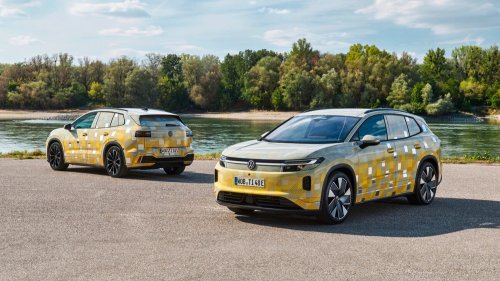
![Volkswagen, Volkswagen ID.4, Volkswagen ID.5, Volkswagen's best-seller is going electric in 2027 to replace the ID.4 and ID.5 [Images]](https://cdn.topcarnews.net/thumb/id/aHR0cHM6Ly9pMC53cC5jb20vZWxlY3Ry-ZWsuY28vd3AtY29udGVudC91cGxvYWRz-L3NpdGVzLzMvMjAyNi8wOS9Wb2xrc3dh-Z2VuLUlELVRpZ3Vhbi1JRC00LmpwZWc_-dz0xNTAwJmFtcDtxdWFsaXR5PTgyJmFt-cDtzdHJpcD1hbGwmYW1wO3NzbD0x/aed2aa2870791850c8e69c5fc3a0ed85.jpeg?t=20261005&post_id=66267)
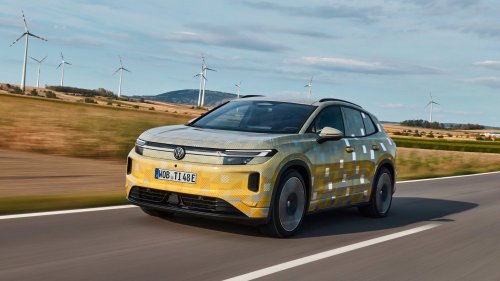
![Volkswagen, Volkswagen ID.4, Volkswagen ID.5, Volkswagen's best-seller is going electric in 2027 to replace the ID.4 and ID.5 [Images]](https://cdn.topcarnews.net/thumb/id/aHR0cHM6Ly9lbGVjdHJlay5jby93cC1j-b250ZW50L3VwbG9hZHMvc2l0ZXMvMy8y-MDI2LzA5L1ZvbGtzd2FnZW4tSUQtVGln-dWFuLUlELTQtZnJvbnQtcXVhcnRlci5q-cGc_c3RyaXA9aW5mbyZhbXA7dz0xMDI0/97fb00cd3919b8d0dc36440715039e6e.jpg?t=20261005&post_id=66267)
![Volkswagen, Volkswagen ID.4, Volkswagen ID.5, Volkswagen's best-seller is going electric in 2027 to replace the ID.4 and ID.5 [Images]](https://cdn.topcarnews.net/thumb/id/aHR0cHM6Ly9lbGVjdHJlay5jby93cC1j-b250ZW50L3VwbG9hZHMvc2l0ZXMvMy8y-MDI2LzA5L1ZvbGtzd2FnZW4tSUQtVGln-dWFuLUlELTQtc2lkZS5qcGc_c3RyaXA9-aW5mbyZhbXA7dz0xMDI0/ed240b20e8275f3af4b904f46ebb5fb3.jpg?t=20261005&post_id=66267)
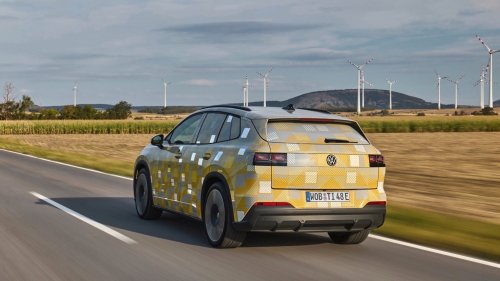
![Volkswagen, Volkswagen ID.4, Volkswagen ID.5, Volkswagen's best-seller is going electric in 2027 to replace the ID.4 and ID.5 [Images]](https://cdn.topcarnews.net/thumb/id/aHR0cHM6Ly9lbGVjdHJlay5jby93cC1j-b250ZW50L3VwbG9hZHMvc2l0ZXMvMy8y-MDI2LzA5L1ZvbGtzd2FnZW4tSUQtVGln-dWFuLUlELTQtcmVhci1xdWFydGVyLmpw-Zz9zdHJpcD1pbmZvJmFtcDt3PTEwMjQ/436c7979cf5b947053f7f0bf39ff94bc.jpg?t=20261005&post_id=66267)
![Volkswagen, Volkswagen ID.4, Volkswagen ID.5, Volkswagen's best-seller is going electric in 2027 to replace the ID.4 and ID.5 [Images]](https://cdn.topcarnews.net/thumb/id/aHR0cHM6Ly9lbGVjdHJlay5jby93cC1j-b250ZW50L3VwbG9hZHMvc2l0ZXMvMy8y-MDI2LzA5L1ZvbGtzd2FnZW4tSUQtVGln-dWFuLUlELTQtZnJvbnQuanBnP3N0cmlw-PWluZm8mYW1wO3c9MTAyNA/ec2e4ca027ccbfb42942abe523f3acf7.jpg?t=20261005&post_id=66267)
![Volkswagen, Volkswagen ID.4, Volkswagen ID.5, Volkswagen's best-seller is going electric in 2027 to replace the ID.4 and ID.5 [Images]](https://cdn.topcarnews.net/thumb/id/aHR0cHM6Ly9lbGVjdHJlay5jby93cC1j-b250ZW50L3VwbG9hZHMvc2l0ZXMvMy8y-MDI2LzA5L1ZvbGtzd2FnZW4tSUQtVGln-dWFuLUlELTQtcmVhci5qcGc_c3RyaXA9-aW5mbyZhbXA7dz0xMDI0/668525889dc433b0fd0e166fd5bd8366.jpg?t=20261005&post_id=66267)