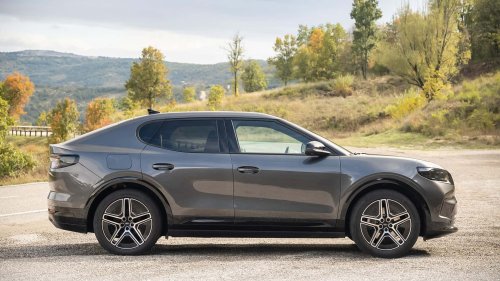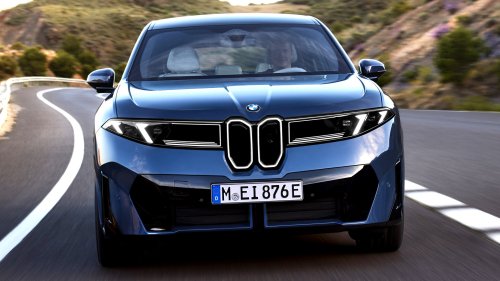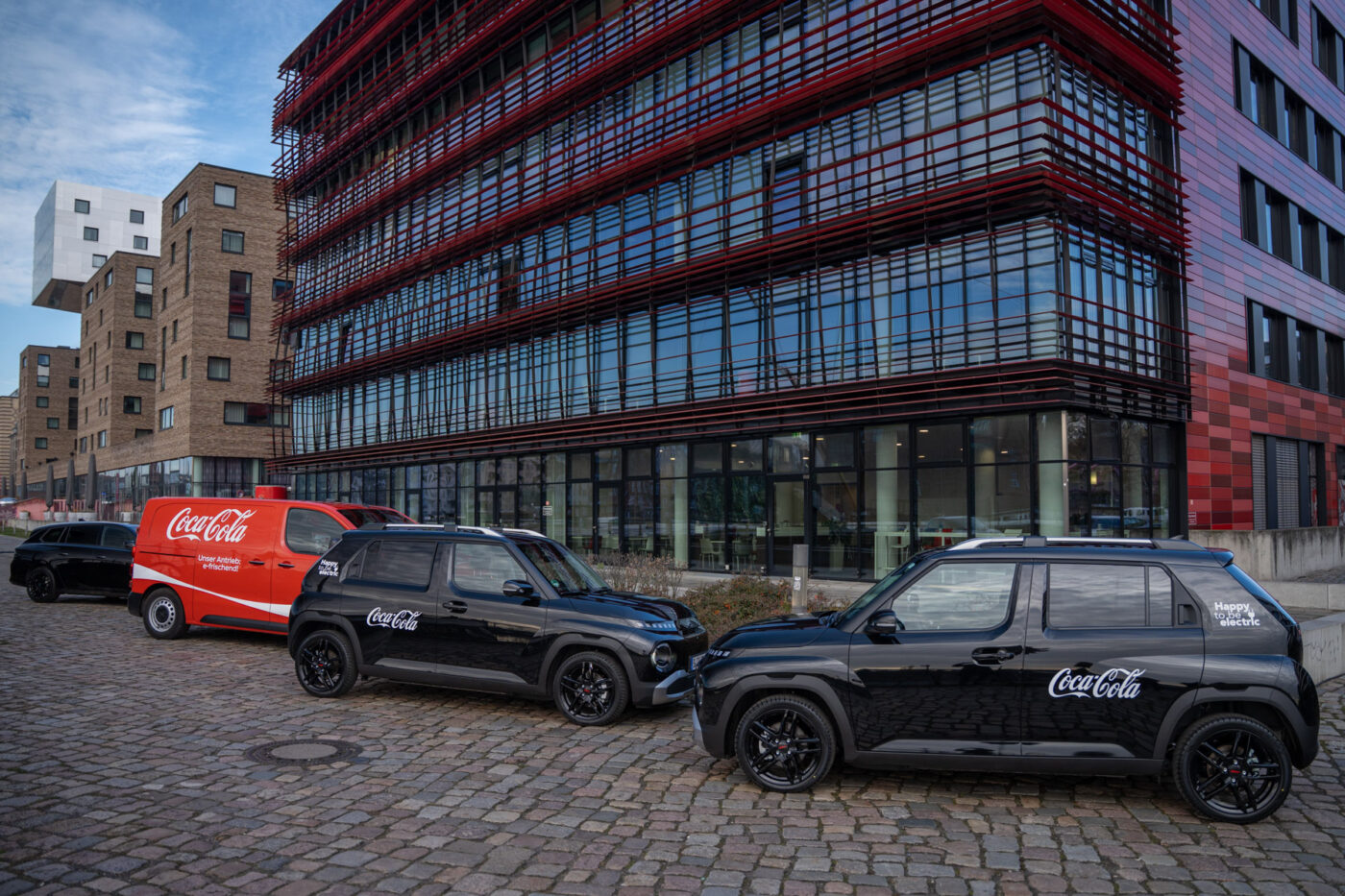


















Image: Coca-ColaThe transition was completed on schedule by the end of last year, as planned in 2021. As this fact was only recently confirmed through an internal audit, CCEP DE announced the completion of its fleet transition in mid-April. The fleet now consists of battery-electric vehicles from brands such as Hyundai, Opel, Škoda, BMW, and others. These include passenger cars for sales advisors and vans for service technicians who install, maintain, or repair sales equipment like beverage dispensing systems.CCEP joined the EV100 initiative by the Climate Group in 2021. This membership commits the organisation to transitioning all passenger cars and vans across Europe to electric or hybrid powertrains by 2030. In Germany, however, CCEP DE has already achieved this goal ahead of schedule, reaching full electrification by the end of 2023. Shortly after joining the EV100 initiative, CCEP DE placed a large order with Hyundai (DE) and began ordering up to 200 Kona Electric models per year. The 500th unit was delivered in March 2024 (DE). The company has since added the Hyundai Inster to its fleet, as seen in recent press images.Across Europe, CCEP is not yet as advanced but is making progress: by 2023, the share of electric or hybrid passenger cars, vans, and trucks at CCEP had increased to 55.5 percent. In 2023, emissions from CCEP’s passenger car and van fleet accounted for around 25 per cent of the company’s direct emissions, representing a key lever for achieving its climate targets.To support the transition in Germany, CCEP DE installed a total of 170 charging stations across its 23 sites by the end of last year. Additionally, the company supported the purchase of 480 wallboxes for employees who use company or functional vehicles. Of the 23 sites, 13 are production plants where beverages are bottled. The company serves approximately 340,000 retail and hospitality customers and employs more than 6,000 staff.“We are very proud to have electrified our entire passenger car and van fleet as planned, despite significant supply shortages during the Covid-19 pandemic and at the beginning of the Ukraine war,” says Sven Boomgaarden, Managing Director of Customer Service & Supply Chain at CCEP DE. “This makes an important contribution to our commitment under the EV100 initiative and sends a strong signal for sustainable mobility in Germany.”Source: Information via email