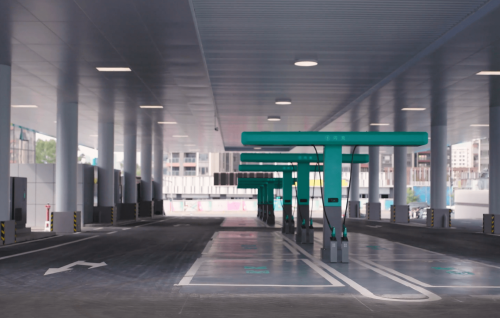
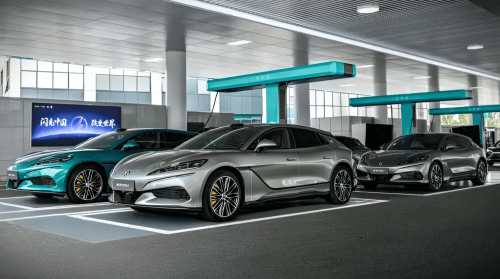
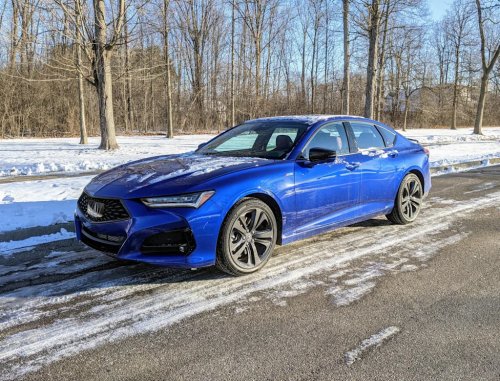
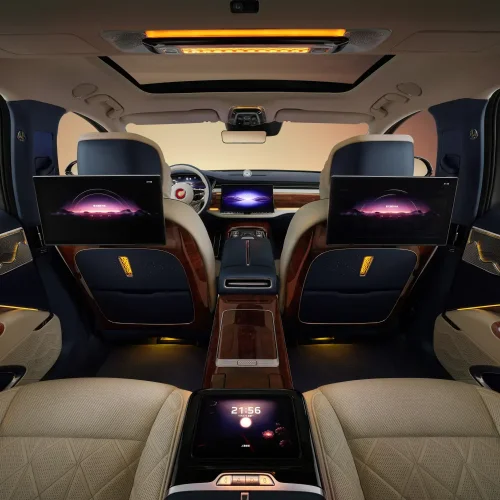
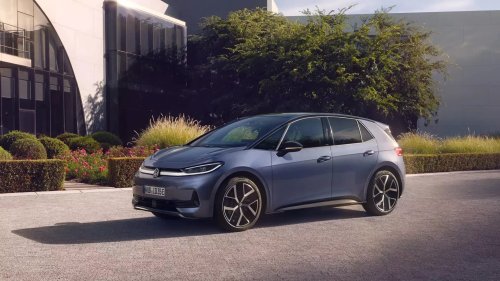
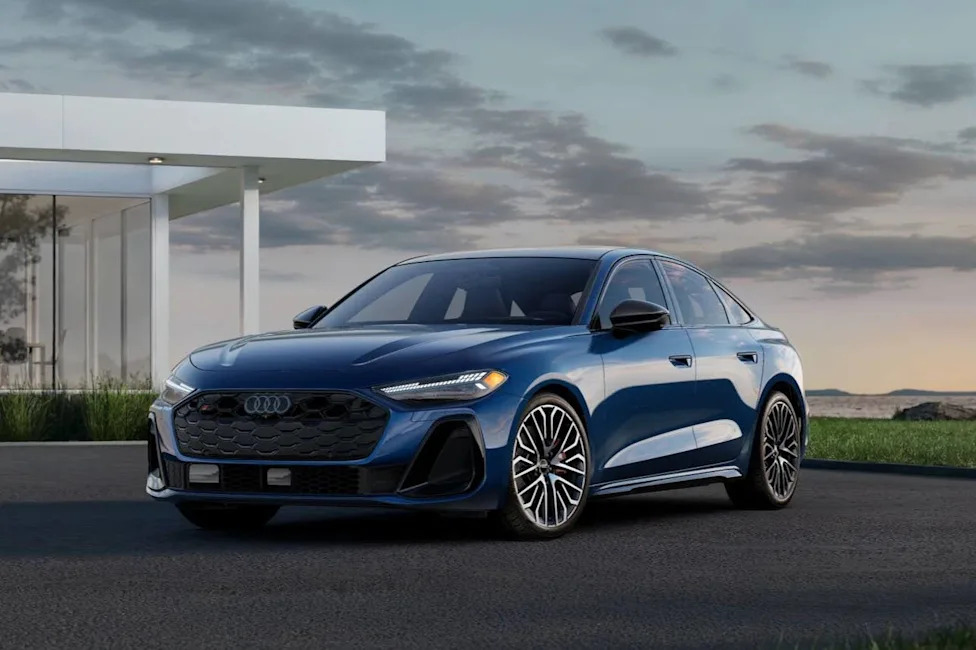
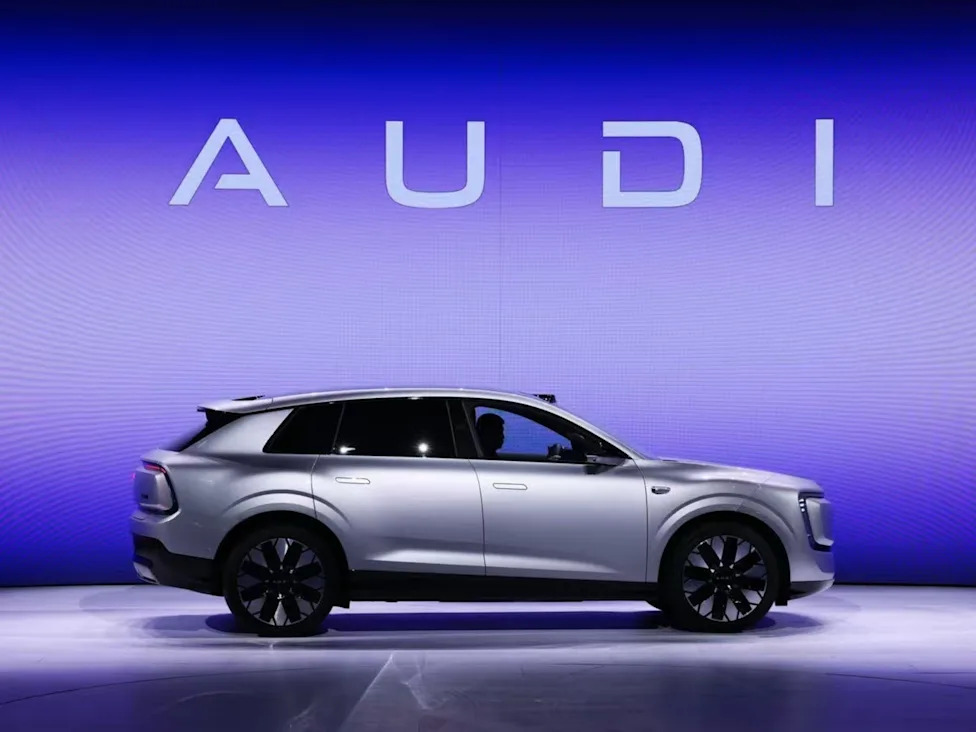
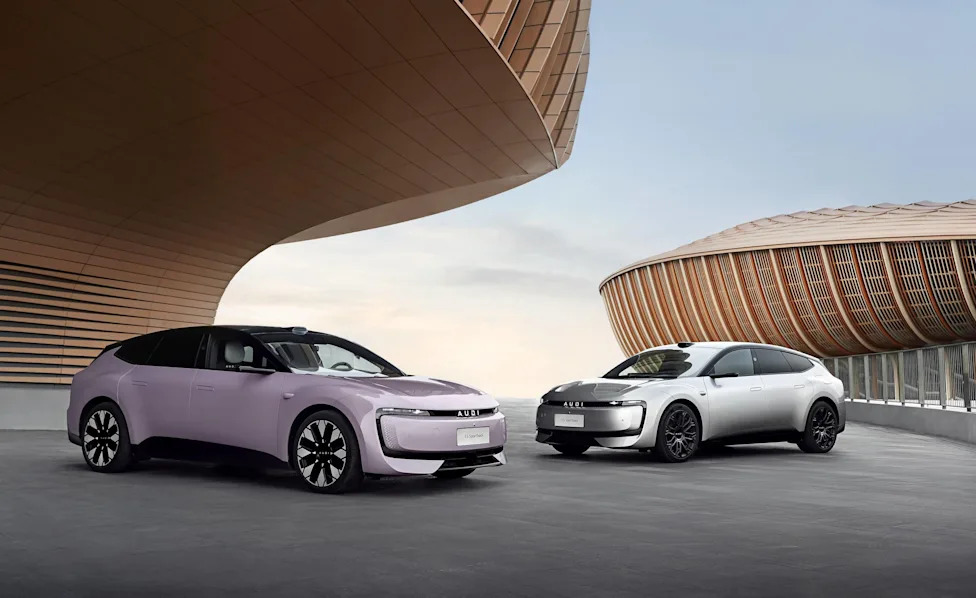
Autoblog and Yahoo may earn commission from links in this article.Two electric Audi models co-developed with SAIC Motor specifically for the Chinese market are entering Germany through grey-market parallel import channels. Neither the Audi E5 Sportback nor the Audi E7X SUV was originally slated for release in Europe. However, independent distributors are now sourcing these vehicles directly from Chinese inventory, shipping them west, and securing local road compliance certifications.The cross-border movement highlights a widening divergence between Audi's regional product strategies. The brand developed these models specifically for Asian consumer preferences, creating localized offerings like an award-winning China EV that European showrooms lack. By bypassing official distribution networks, grey-market dealers are offering German buyers access to these exclusive electric vehicles.Audi configuratorImport Logistics and Price ComparisonsAccording to a report from Autohome, transporting these vehicles from China to Germany involves significant overhead, including international freight, customs duties, and mandatory compliance modifications. Consequently, retail prices roughly double upon arrival. In China, the E5 Sportback starts at roughly $28,800, but sells in Germany for approximately $65,200. The higher-tier E7X SUV rises from about $37,800 in China to around $79,300 on German lots.AdvertisementAdvertisementDespite the steep markups, both imported models remain far less expensive than Audi's domestic European lineup. In Germany, the comparable S6 Sportback e-tron starts at roughly $108,200, yet delivers lower performance metrics than the imported E5 Sportback. Similarly, the domestic SQ6 e-tron starts around $102,000 while offering fewer luxury appointments than the E7X SUV, which matches the posture of a high-output electric SUV for substantially less money.This price gap underscores how supply chain efficiencies in Asia are reshaping global luxury vehicle economics. As Audi expands its China EV strategy to capitalize on localized battery manufacturing and lower production costs, imported units retain a distinct price advantage over vehicles manufactured directly on European assembly lines.AudiMarket Implications and Buyer RisksThe viability of these parallel imports demonstrates a fundamental structural cost disparity between European and Chinese vehicle manufacturing. When an electric vehicle can be purchased, shipped across the globe, taxed, retrofitted, and still undercut domestic factory prices by tens of thousands of dollars, it signals severe overhead pressures for Western production facilities. European automakers are increasingly challenged by domestic operational costs compared to Chinese joint-venture operations.For consumers, however, purchasing a grey-market import carries substantial legal and operational risks. Major automakers routinely act to protect authorized distribution channels, as demonstrated in 2023 when Volkswagen secured a court order forcing the destruction of 20 parallel-imported Chinese ID.6 vehicles in Germany. Beyond potential legal action, buyers of these unauthorized imports will likely be denied official warranty coverage and software updates from factory-backed Audi service centers.This story was originally published by Autoblog on Aug 25, 2026, where it first appeared in the News section. Add Autoblog as a Preferred Source by clicking here.



















 +72 others