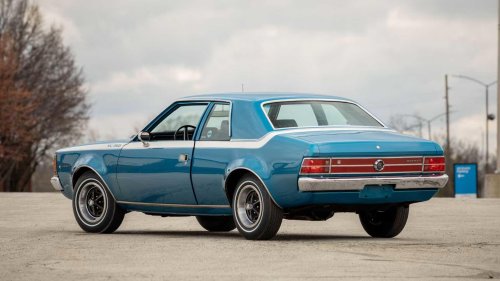
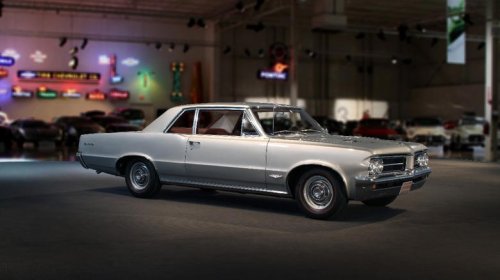
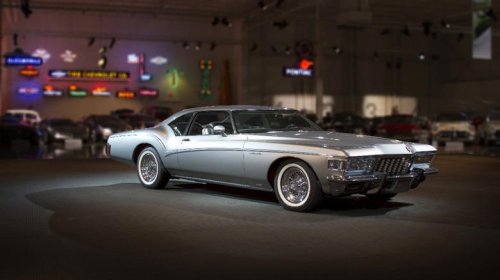
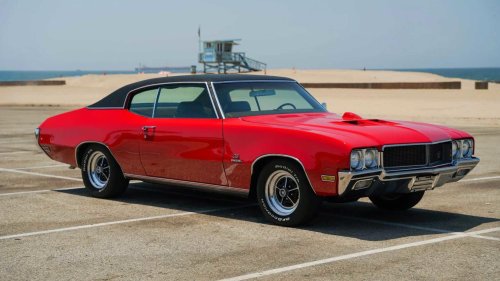
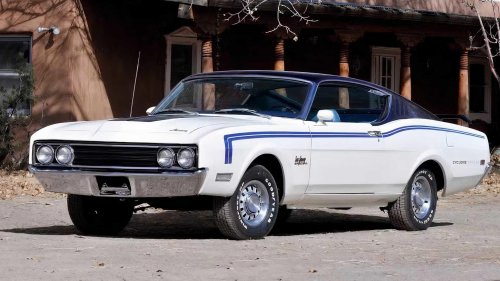
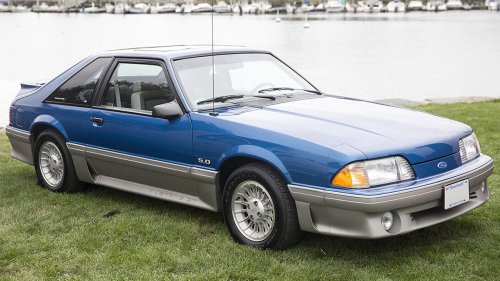
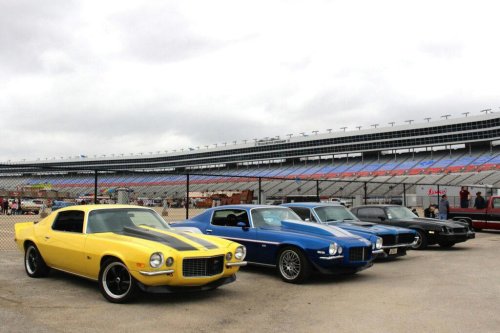
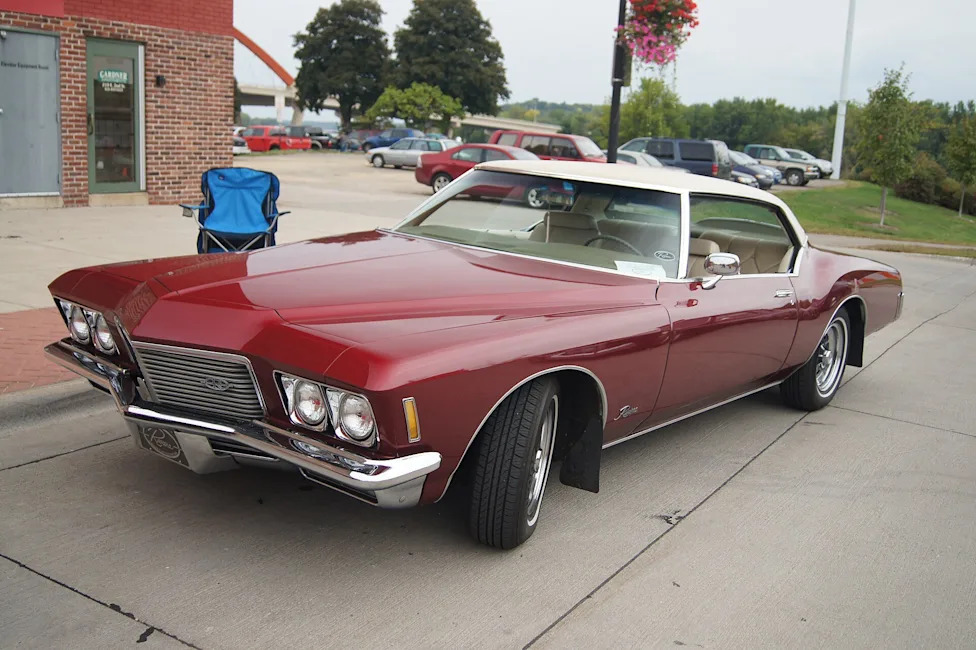
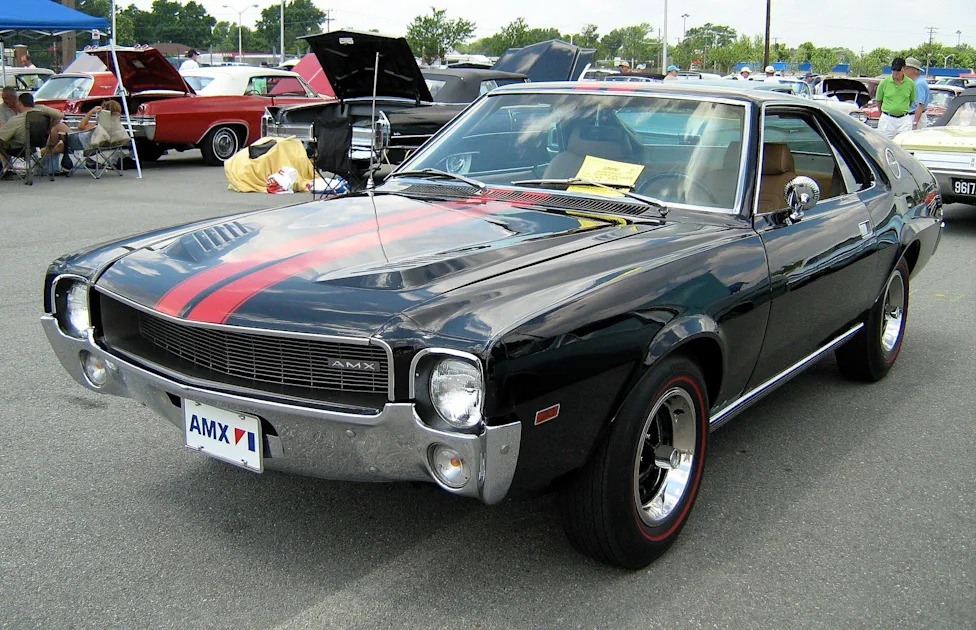
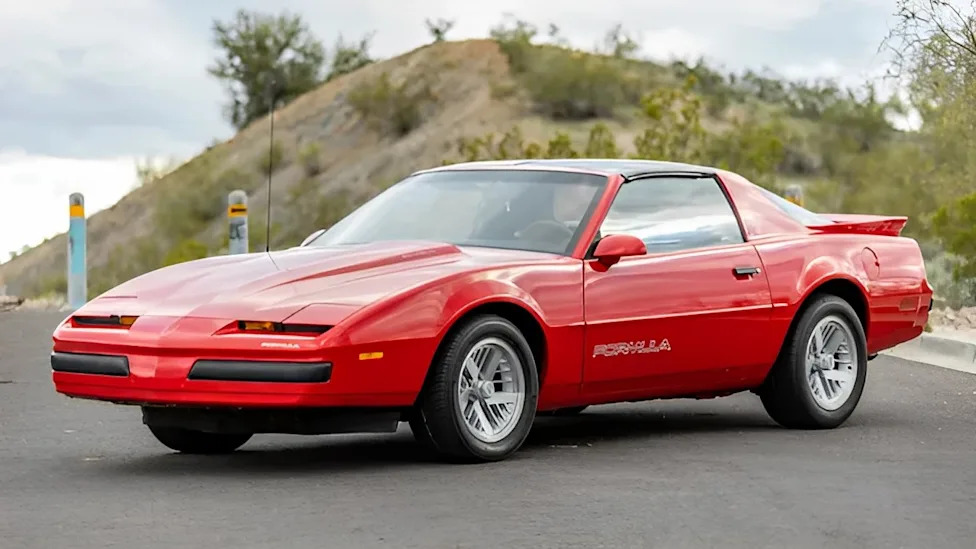
Every generation of car collector discovers, too late, the cars they should have bought a decade earlier. The muscle car crowd wishes they'd acted on Hemi 'Cudas in the 1980s. The sports car crowd missed early Porsche 911s in the 1990s when they were still just used cars. The pickup truck market's recent explosion left a lot of people wishing they'd locked up clean first-gen Broncos before prices tripled.The pattern is consistent enough that it's worth paying attention to: today's overlooked classic is tomorrow's sought-after collectible. With that in mind, here is a current list of ten cars that represent genuine value in today's market—cars with strong collector appeal, reasonable parts availability, and prices that still make sense. None of them will stay this accessible forever.1. 1971–1976 Buick Riviera (Third Generation)The boat-tailed third-generation Riviera is one of the most distinctive American designs of the 1970s—a polarizing shape that has aged from "controversial" to "iconic" in the way the best automotive designs eventually do. Clean examples with the 455 big-block are still findable in the $12,000–$22,000 range. The cars that survive tend to be surprisingly solid, and the collector community around them is knowledgeable and enthusiastic. Values have been creeping upward for five years and show no sign of plateauing.2. 1965–1967 Pontiac Tempest / LeMansWhile the GTO commands a significant premium as the car that launched the muscle car era, its platform-mate siblings—the Tempest and LeMans—offer the same basic architecture and many of the same virtues at a substantial discount. A clean 1966 Tempest coupe with a V8 swap or an original 326 can be had for $15,000–$25,000. A comparable GTO easily runs double that. If your goal is a driver rather than a numbers-matching investment, this gap represents real opportunity.3. 1969 AMC AMXAmerican Motors built fewer AMX two-seat muscle cars than almost any competing model from GM, Ford, or Chrysler during the same period. That rarity hasn't yet fully translated to market prices, which remain surprisingly accessible compared to similarly rare Mopars or Chevys. A solid driver-quality AMX with the 390 engine can still be found in the $25,000–$38,000 range. AMC's collector community is tight-knit, parts support has actually improved over the past decade, and the cars themselves are genuinely quick and well-engineered.4. First-Generation Mazda RX-7 (1979–1985)The rotary-engine RX-7 is one of the best handling cars of its era—lightweight, balanced, and genuinely fun to drive in a way that transcends its modest power output. The threat of rotary engine complexity has kept prices modest, with good examples still available in the $10,000–$18,000 range. That threat is somewhat overstated for buyers willing to do their homework on proper maintenance, and the reward is a car that will turn heads increasingly as the Japanese classic market continues to mature.5. 1982–1992 Pontiac Firebird / Trans AmThird-generation F-bodies occupied an awkward middle ground in the market for years—too modern to be traditional classics, not modern enough to attract younger buyers. That window is closing. The car is now forty-plus years old, and the generation that grew up with them as aspirational objects is entering its peak buying years. Clean T-tops cars with the 305 TPI or the later LT1 are still in the $12,000–$20,000 range for drivers. The WS6 Trans Am variants with the 5.7 will lead the appreciation.6. 1968–1970 Dodge Dart GTS / Swinger 340The A-body Dodge Dart with the 340 small-block is one of the most under-appreciated performance packages of the muscle car era. These cars weigh less than a Charger or Road Runner, which means the 275-horsepower 340 feels genuinely quick rather than merely adequate. Values remain well below their B-body and E-body siblings despite the strong performance credentials. Good driver-quality examples are available in the $18,000–$30,000 range, with plenty of room to run.7. 1970–1981 Chevrolet Camaro Z/28=AdvertisementAdvertisementFirst-generation Camaros have already had their major appreciation run. The second generation—longer in the market, more available in better condition—hasn't followed yet. The early second-gen cars with the LT1 350 are particularly interesting. As first-gen prices put those cars increasingly out of reach for average collectors, the second gen represents a natural next step. Values are rising, but good examples are still findable in the $20,000–$35,000 range.8. 1973–1979 Ford Bronco (Full-Size)The first-generation Bronco has experienced extraordinary appreciation. Its successor—the full-size Bronco on the F-100 chassis—remains relatively accessible. These are capable, attractive trucks that benefit from the Ford F-series parts ecosystem, making them easier and cheaper to maintain than many comparable trucks of the era. Prices vary widely by condition and configuration, but solid examples are still available in the $18,000–$32,000 range before the inevitable escalation.9. 1976–1986 Jaguar XJ6 Series 2 / 3British classics carry a reputation for unreliability that is, at this point, largely historical rather than practical. A properly sorted XJ6—with fresh seals, a correctly functioning cooling system, and attention paid to the Lucas electrical components—is a genuinely wonderful car to own and drive. The value proposition is extraordinary: these are elegant, handsome saloons that cost a fraction of comparable German alternatives. Prices for sorted examples range from $8,000 to $18,000, depending heavily on condition and prior care.10. 1986–1993 Ford Mustang LX 5.0 (Notchback)Fox-body Mustangs have begun their appreciation climb, but the market still hasn't fully sorted itself out. The notchback LX body style with the 5.0 HO engine is the enthusiast's choice—lighter than the hatchback, cleaner in appearance, and increasingly rare in original, unmodified condition. Low-mile, original-paint survivors are beginning to command serious attention. The window for finding one at a reasonable price is narrowing faster than most people realize.The Common ThreadWhat connects these ten cars is a combination of genuine driver appeal, reasonable current pricing, and the kind of collector trajectory that the market has rewarded consistently over the past thirty years. None of them are secrets—the knowledgeable collector community has noticed all of them. But for buyers willing to act with some urgency, real value still exists.AdvertisementAdvertisementThe cars that will replace this list in ten years are already out there. They're sitting in garages, waiting in barns, and showing up on finding platforms like this one. The question is whether you'll be the person who recognizes them now, or the person who regrets not acting later.SourcesBuick Riviera – WikipediaAMC AMX – WikipediaMazda RX-7 – WikipediaPontiac Firebird (Third Generation) – WikipediaDodge Dart – WikipediaChevrolet Camaro (Second Generation) – WikipediaJaguar XJ6 – WikipediaFord Mustang Fox Body – Wikipedia



















 +32 others