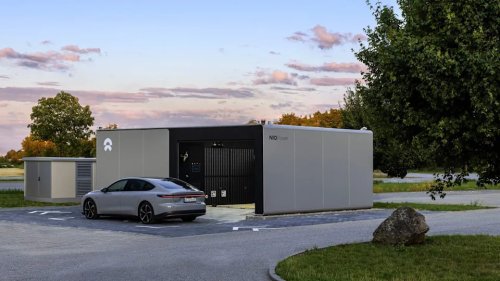
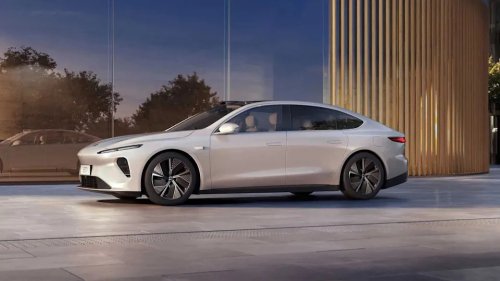
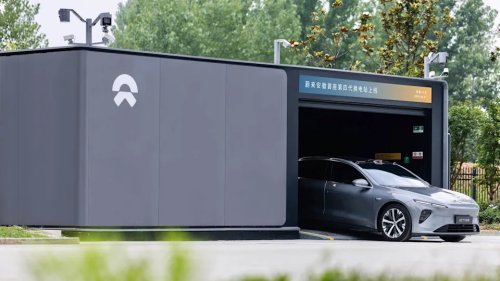
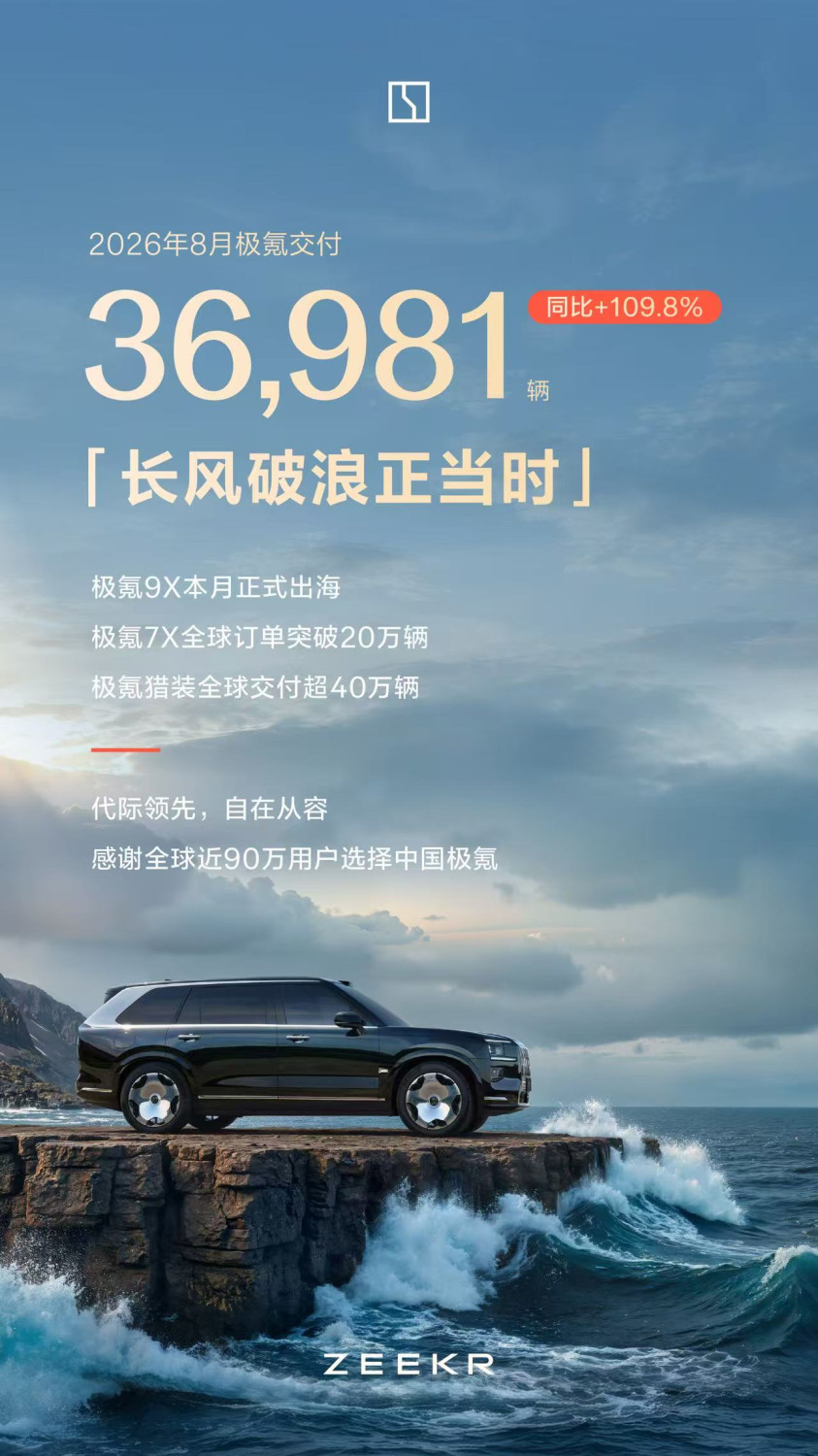
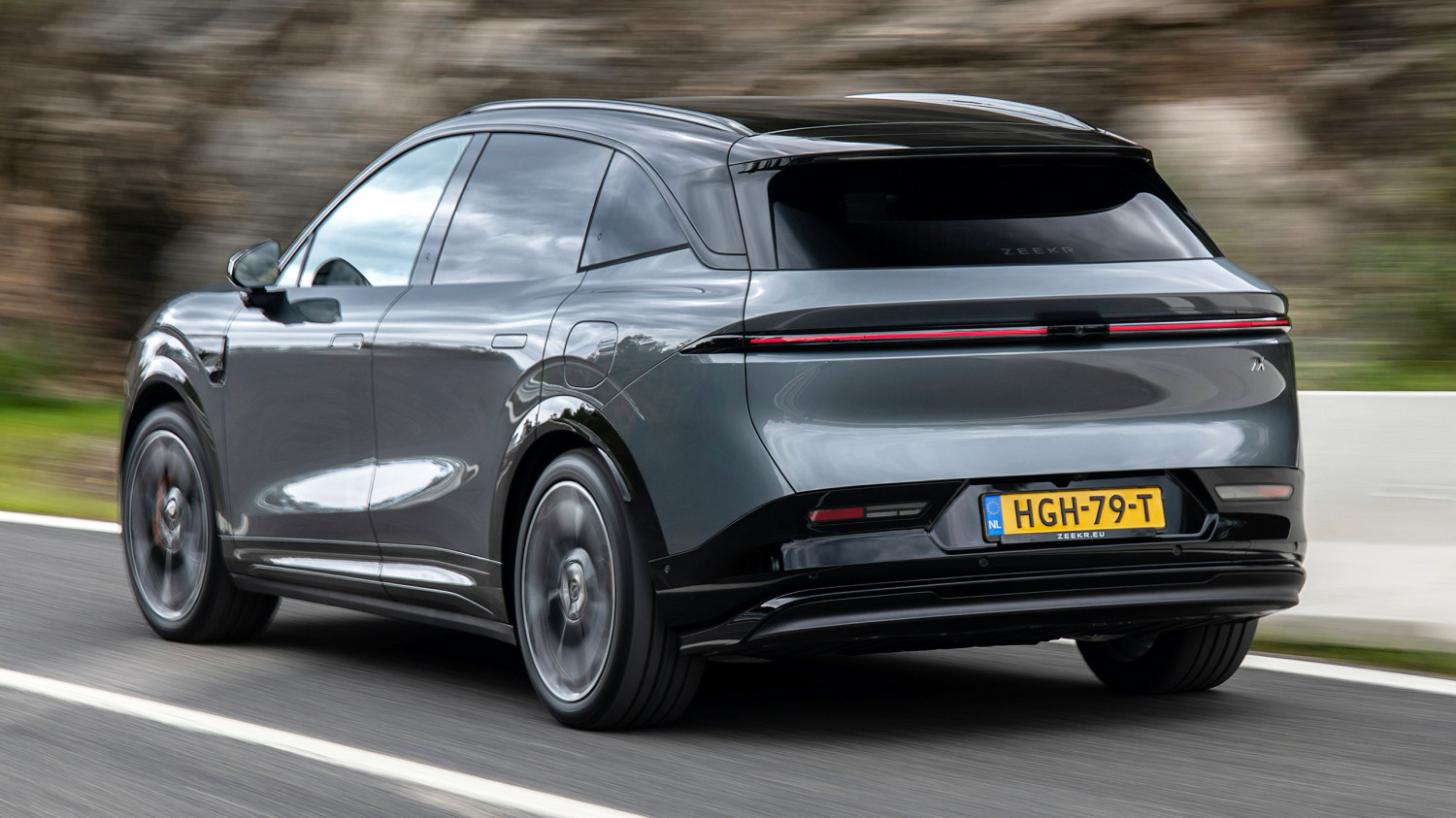
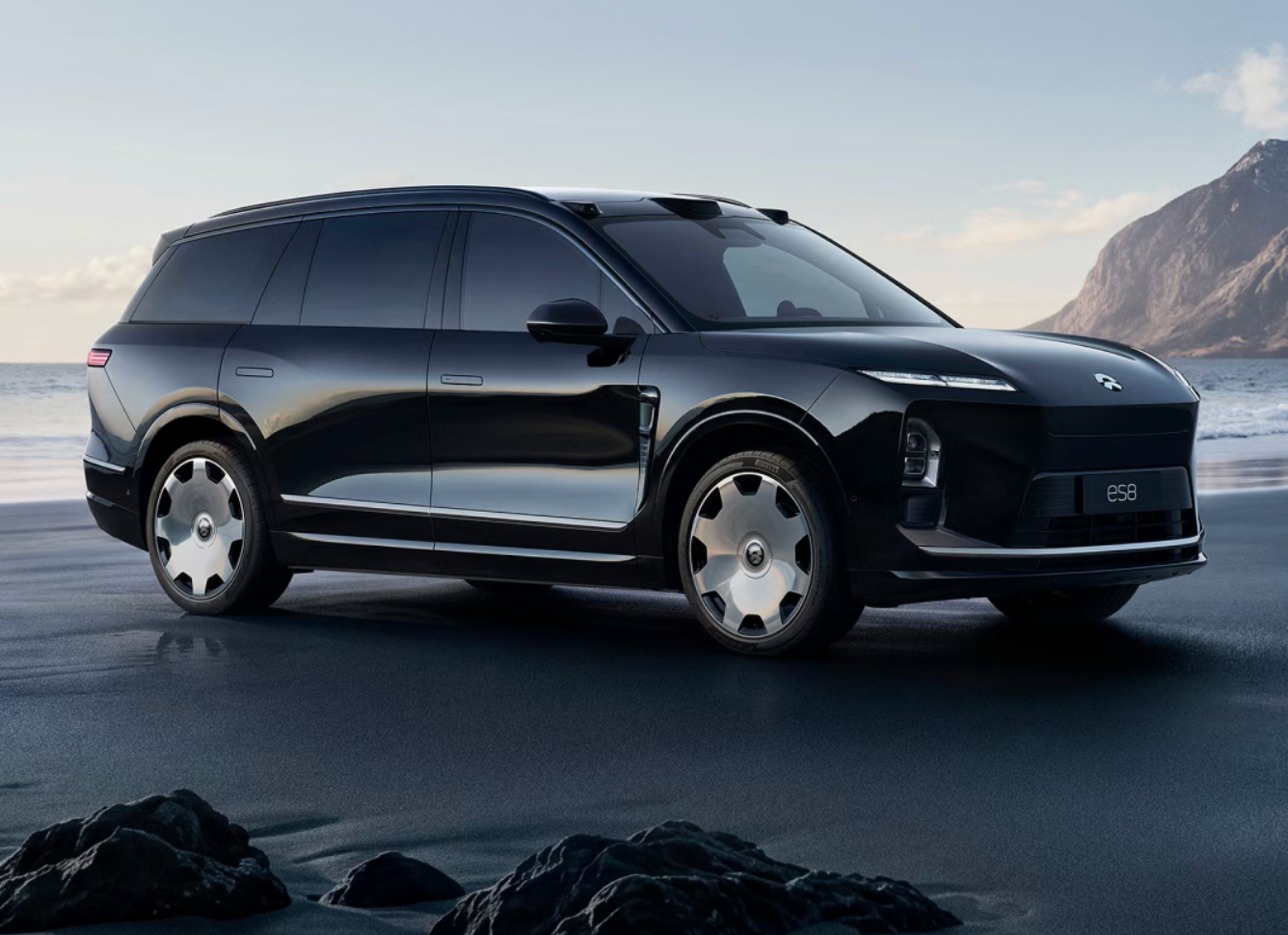
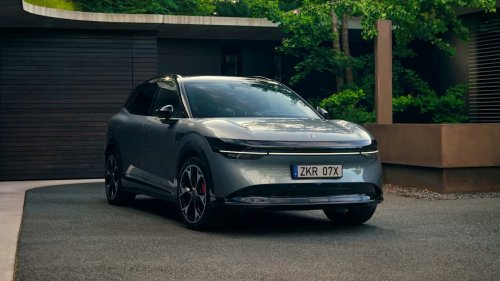
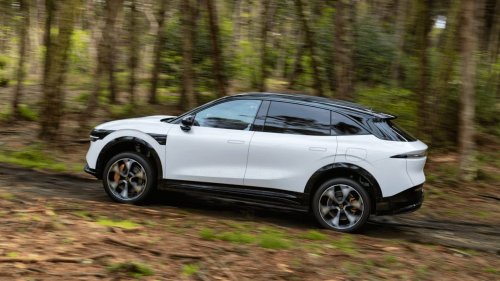
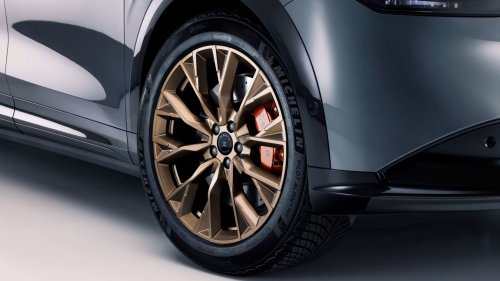
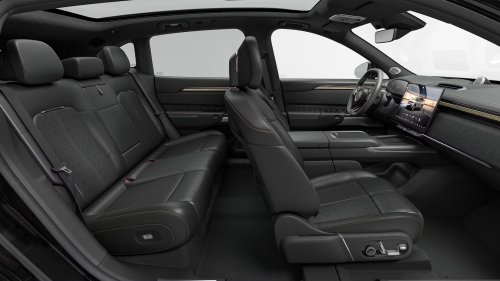
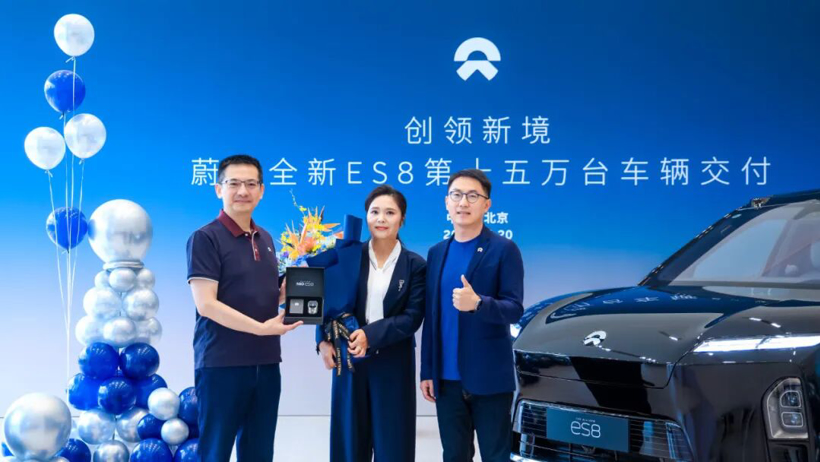
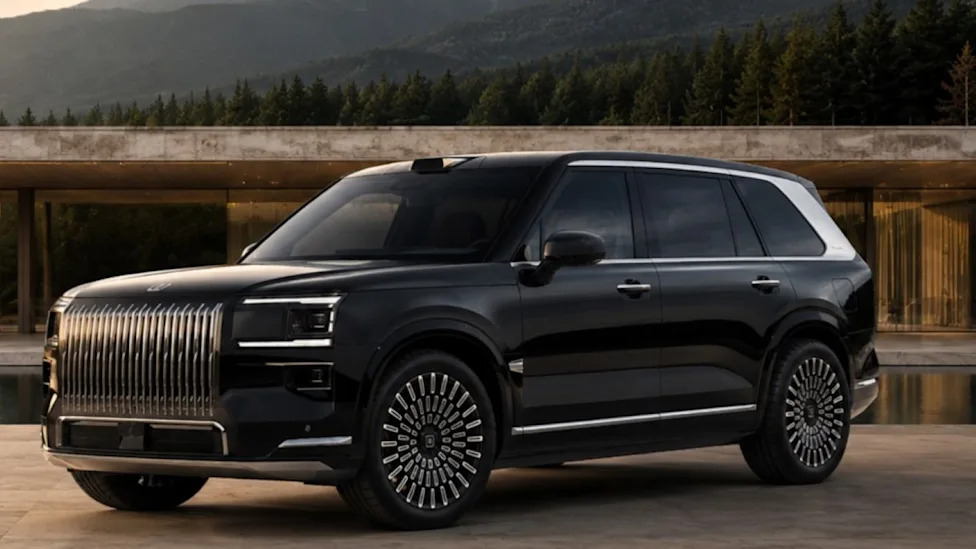
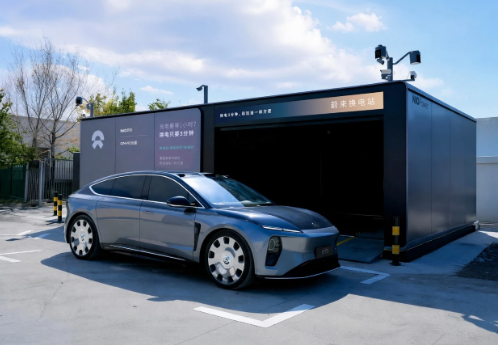
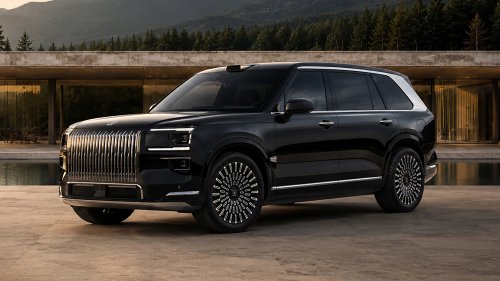
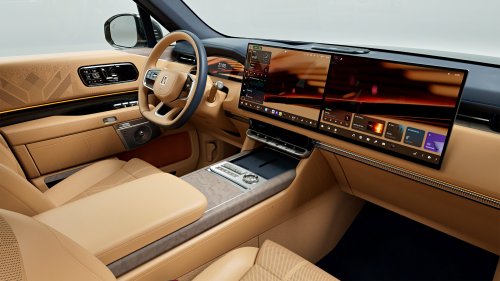
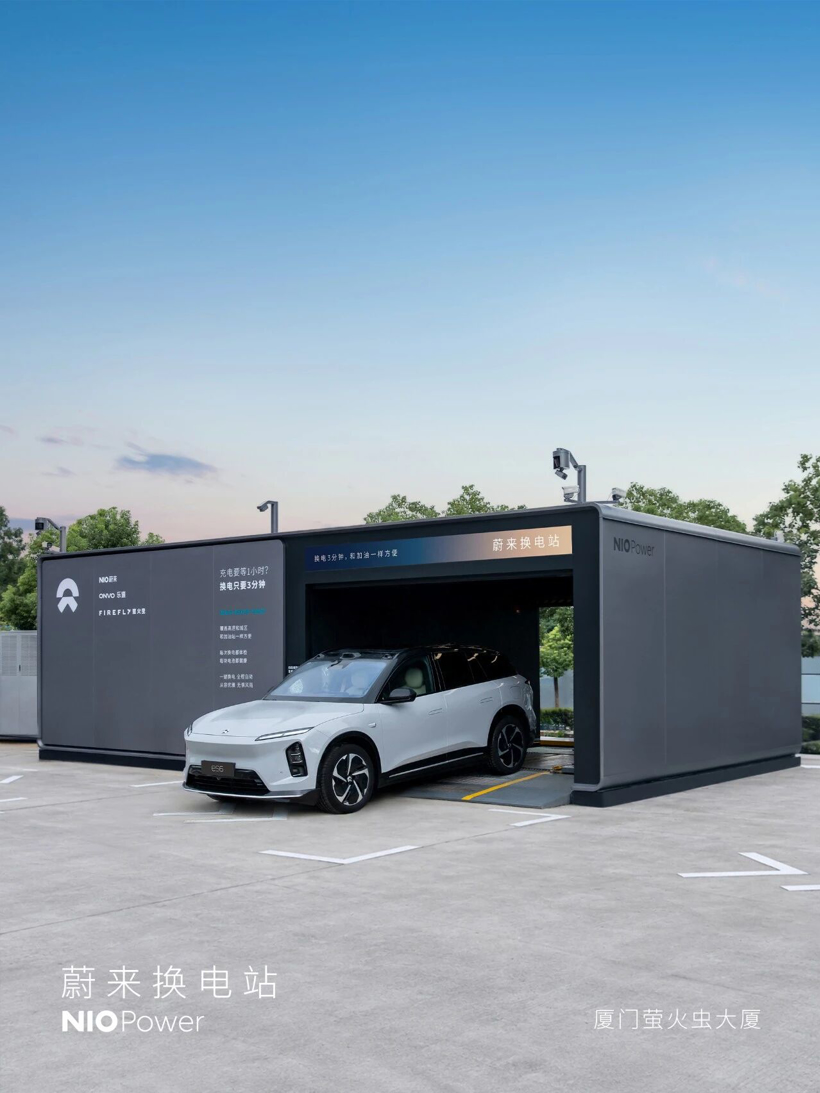
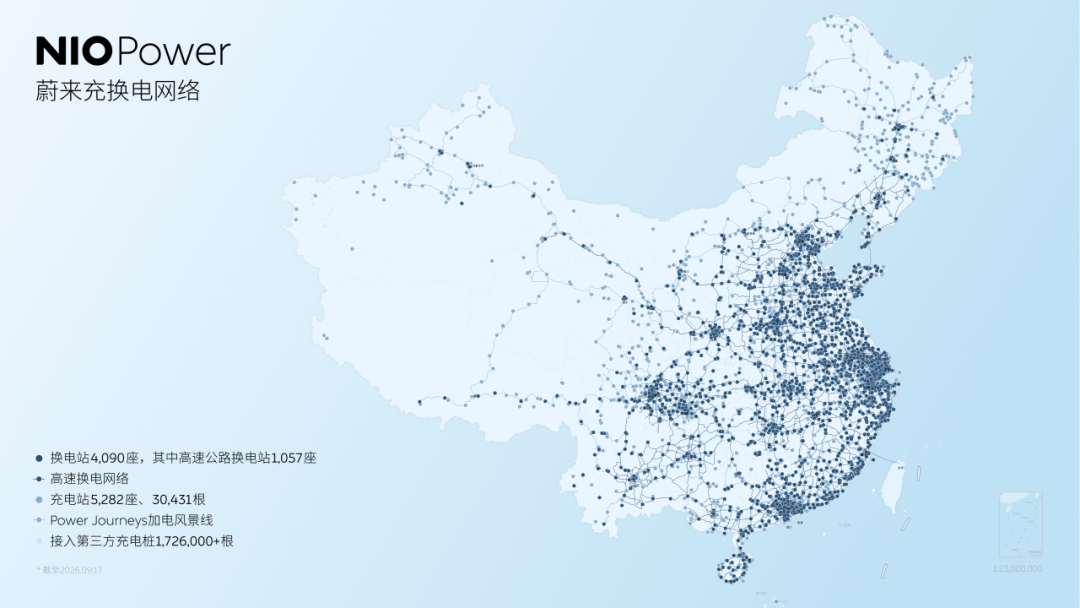
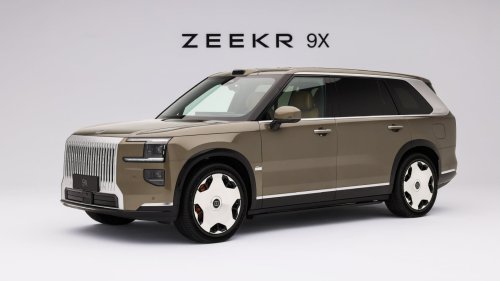
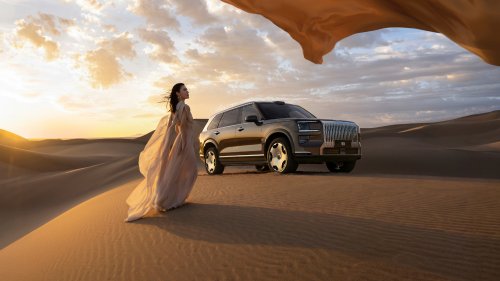
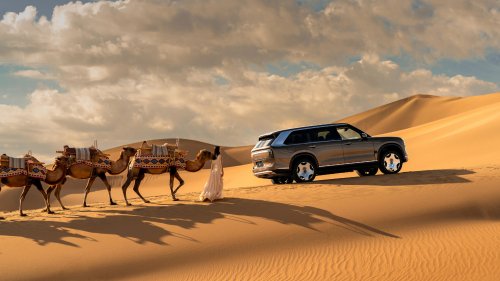
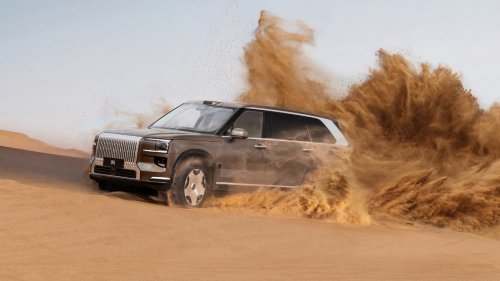
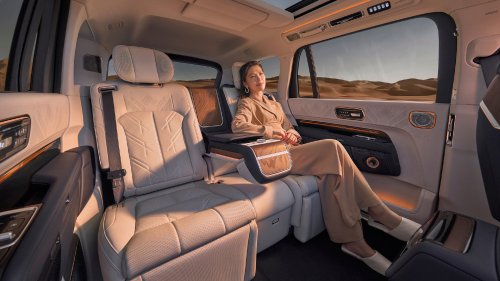
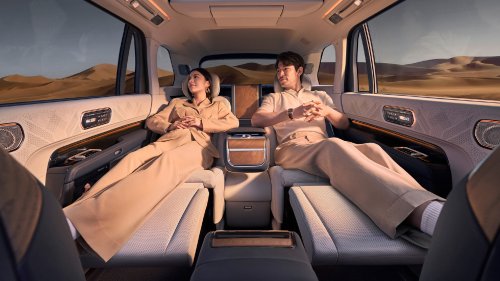
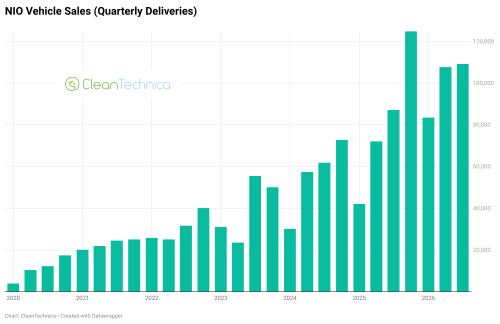
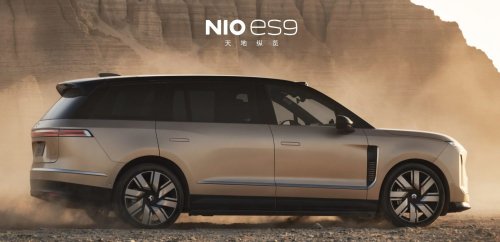
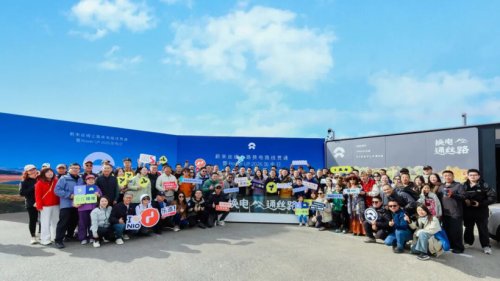
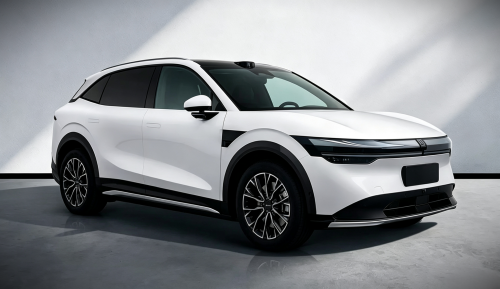
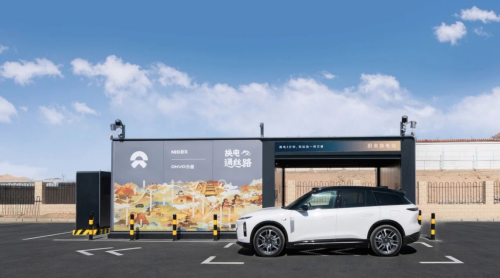
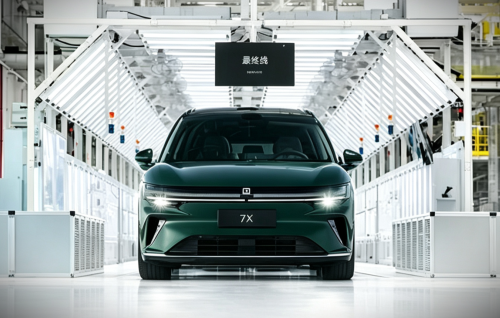
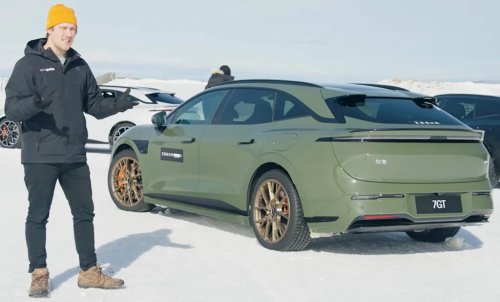
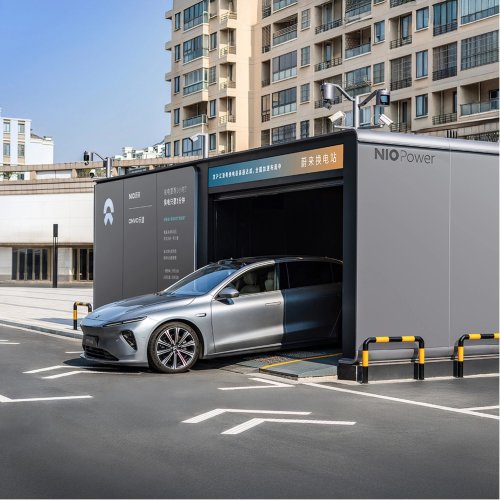
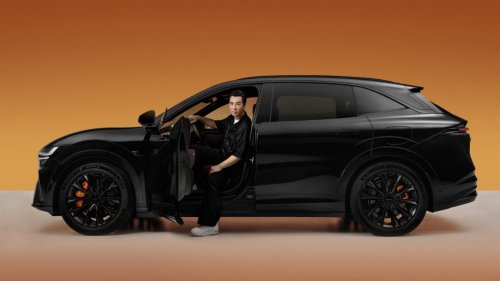
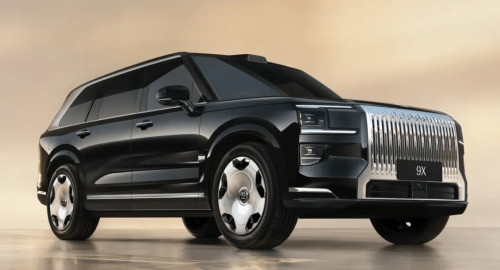
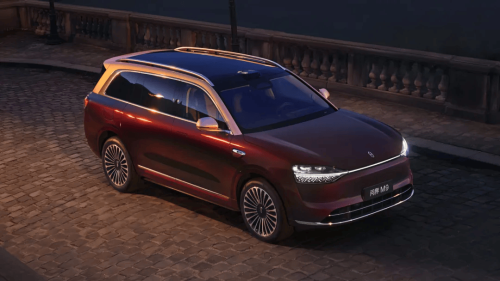
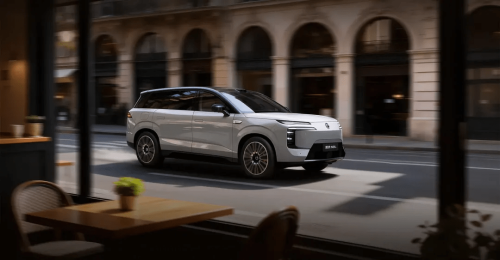
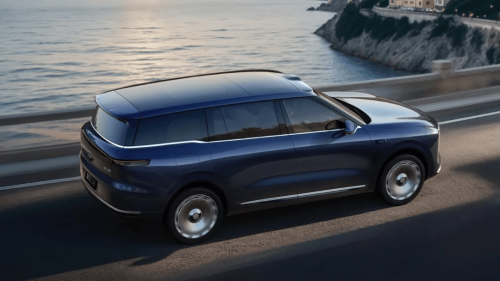
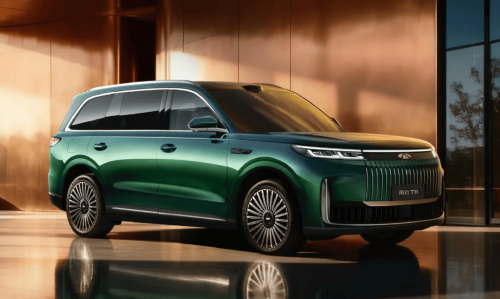
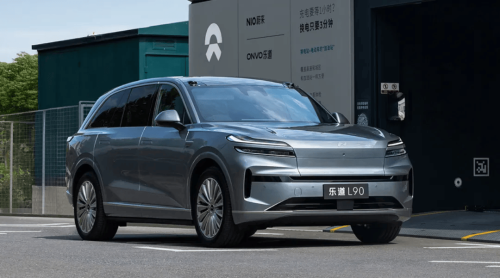
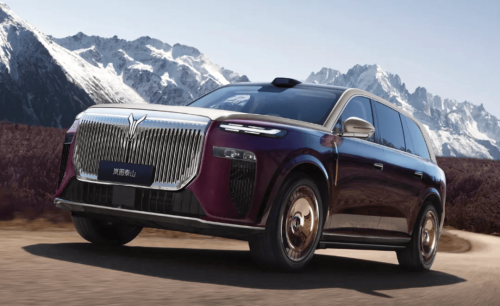
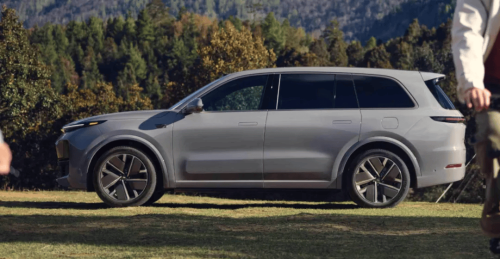
In December 2025, competition in China’s large NEV SUV market intensified, led by NIO ES8, AITO M8, and Zeekr 9X. In the final month of 2025, competition among large new-energy SUVs in China remained intense. Driven by factors such as the countdown to the phase-out of vehicle purchase tax incentives, the large NEV SUV segment broadly recorded month-on-month growth in December. Models including AITO M8, AITO M9, Denza N8L and Zeekr 9X all posted sequential sales increases. At the same time, the Top 10 ranking saw notable changes: IM LS9 and Voyah Taishan entered the list for the first time, while Lynk & Co 900 dropped out of the Top 10. ONVO L90 and the all-new NIO ES8 were the only two fully electric large SUVs on the list. The latter sold more than 22,000 units, overtaking the previous month’s leader AITO M8 to claim the No.1 position in December. Looking ahead to 2026, competition in the large NEV SUV segment is expected to intensify further. Leapmotor, Xpeng and SAIC Volkswagen are all targeting 2026 for the launch of their first large NEV SUVs, making the segment more crowded than ever. So who were the winners in December’s large NEV SUV market? Below is a closer look. No. 1 NIO ES8: 22,258 units After months of aggressive delivery ramp-up, the all-new NIO ES8 closed out 2025 with sales of 22,258 units in December, representing a 108% month-on-month increase and ranking first among large three-row SUVs. On January 6, NIO also marked the rollout of its one-millionth mass-produced vehicle, once again an ES8. Notably, unlike large SUVs that adopt both battery-electric and range-extender powertrains, the NIO ES8 is offered exclusively as a pure electric model, targeting the premium segment priced above RMB 400,000 ($56,000), directly challenging the perception that high-end BEVs struggle to sell. Despite multiple perceived disadvantages stacked against it, the new ES8 successfully broke through a field dominated by dual-powertrain competitors in the final month of 2025. NIO Vice President of Product Marketing Kang Kai said in November that the ES8 was the fastest ramping model in the company’s history, a claim validated by December’s doubling in sales. On the supply side, battery packs for the NT3 platform are supplied exclusively by CATL, which reportedly allocated three to four dedicated battery plants to NIO—one factor that helped ensure smooth deliveries in the fourth quarter. As 2026 begins amid reduced tax incentives and cooling consumer demand, whether the NIO ES8 can defend its December crown remains to be seen. No. 2 AITO M8: 17,123 units Compared with November, AITO M8 sales rose modestly in December to 17,123 units, up about 5% month-on-month, placing it second. Even as runner-up, the M8 maintained a significant lead over rivals such as Zeekr 9X (9,482 units) and AITO M9 (9,208 units). Cumulative sales of the AITO M8 have now exceeded 150,000 units, making it the top-performing large NEV SUV of 2025 in terms of overall volume and launch timing. According to CPCA data, the M8 remains the brand’s most balanced model in terms of BEV and range-extender sales, with 9,407 pure electric units and 7,716 extended-range units in December. By contrast, the AITO M7 and M9 remain heavily skewed toward range-extender variants. However, the competitive landscape is becoming increasingly dynamic. Over the past two months, multiple “8-series” SUVs have appeared in regulatory filings, including Zeekr 8X, IM LS8 and Voyah Taishan 8, many of which are expected to launch in 2026—with the AITO M8 as their primary benchmark. Whether the M8 can retain its status as a volume leader or see its benchmark position diluted amid intensified competition will be a key storyline in 2026. No. 3 Zeekr 9X: 9,482 units Zeekr 9X recorded sales of 9,482 units in December, up roughly 16% month-on-month, marking its second consecutive month ahead of AITO M9 and securing third place overall. Nicknamed the “Hangzhou Bay Cullinan,” the 9X features a full-stack 900V hybrid high-voltage architecture and a 70 kWh 6C battery, giving it a technological edge over rivals such as the M9. If current growth momentum continues, the Zeekr 9X could become the brand’s third model—after the Zeekr 001 and 7X—to exceed monthly sales of 10,000 units. Consistently outselling the AITO M9 also represents a tangible win for Zeekr’s push into the premium segment in 2025. Establishing brand recognition in the RMB 500,000 ($70,000) NEV market through the 9X could prove strategically valuable. Success of the 9X is also likely to support the future rollout of the Zeekr 8X. At CES 2026, the Zeekr 9X appeared as one of Geely Group’s flagship models. There are also reports of strong overseas interest, with some international buyers willing to pay premiums, suggesting potentially higher demand ceilings outside China. No. 4 AITO M9: 9,208 units AITO M9 sold 9,208 units in December, up about 18% from November, retaining fourth place. While monthly sales recovered above the 9,000-unit mark, reclaiming its former peak above 17,000 units will be challenging amid mounting competition from other “9-series” large SUVs. In March, the M9 received its annual update, featuring major upgrades to advanced driver assistance, including four LiDAR units and five 4D millimeter-wave radars, along with refinements to seating and interior details. However, with new challengers such as SAIC Volkswagen ID.ERA 9X and the next-generation Li Auto L9 expected in 2026, the M9 will need more advanced solutions in platform architecture, battery capacity and electric drive systems to maintain its edge. For the AITO M9, 2026 will be a pivotal year. Beyond iterative updates, a rumored M9L—larger in size and potentially equipped with rear-wheel steering and a 520-line LiDAR—could launch alongside the 2026 model. How the M9 regains leadership in the large NEV SUV segment remains an open question. No. 5 Denza N8L: 6,510 units Denza N8L recorded 6,510 units in December, its second full delivery month, up about 19.6% month-on-month. Priced below RMB 300,000 ($42,000) at entry, the N8L retains three-row large SUV dimensions and remains one of the few models in its class with a tri-motor drivetrain. On December 13, Denza extended its purchase tax subsidy protection policy for the N8L, a move expected to help clear existing orders and support further volume growth. Two years after retiring its previous “8-series” SUV, Denza returned with the N8L, which can be seen as a smaller, more affordable counterpart to the N9 and is now the brand’s second-best-selling model after the D9. As tax incentives fade in 2026, pushing monthly sales to the next level will test Denza’s brand strength and product competitiveness. How the brand leverages its early-mover advantage in the “8-series” SUV segment will be critical. No. 6 IM LS9: 4,768 units Launched on November 12, the IM LS9 saw its first full delivery month in December. With 4,768 units sold, the RMB 332,800–362,800 ($46,600–50,800) LS9 posted a solid market debut. Offering “9-series” size at “8-series” pricing, the LS9 has carved out a distinct value proposition in the large three-row SUV segment. Reports indicate that over 50% of LS9 buyers are former internal-combustion vehicle owners, with northern China accounting for 30% of customers, highlighting its appeal as a low-range-anxiety, fuel-electric flexible option. The LS9 offers up to 450 km of pure electric range under CLTC, paired with an 800V architecture and the “Stellar Super Range-Extender” system, giving it hardware advantages over similarly priced rivals such as Denza N8L and Lynk & Co 900. December also marked IM’s fourth consecutive month of sales above 10,000 units and profitability on a full-cost basis, with the LS9 and new LS6 playing key roles. In 2026, the slightly lower-positioned IM LS8 is expected to join the “8-series” SUV battle, and its performance will be closely watched. No. 7 Chery Fulwin T11: 4,551 units As the only large NEV SUV on the list with a starting price around RMB 200,000 ($28,000), the Fulwin T11 sold 4,551 units in December, slightly up from November. Offering large SUV dimensions, up to 1,400 km CLTC combined range, a maximum 220 km pure electric range, and both two- and four-wheel-drive options, it delivers core large-SUV functionality to budget-conscious buyers. While Geely Galaxy M9 and Fulwin T11 both entered the market below RMB 200,000, the former significantly outperformed the latter in monthly sales. One key difference is equipment strategy: the Galaxy M9 offers a Horizon Journey J6M AD chip and LiDAR at mid-trim, while the Fulwin T11 reserves its Orin-Y plus LiDAR “Falcon 700” system for the top AWD variant. Chery Fulwin appears to be addressing this gap, as a mid-spec version with LiDAR appeared in the latest regulatory filings. No. 8 ONVO L90: 4,105 units ONVO L90 recorded sales of 4,105 units in December, down about 31% month-on-month. It remains one of only two fully electric large SUVs on the list. With a BaaS price starting at RMB 179,800 ($25,200) and features such as a large front trunk, the L90 previously enjoyed strong momentum, though declining sales partly reflect the ramp-up of the third-generation NIO ES8. The sub-RMB 200,000 segment now faces competition from models like Fulwin T11 and Galaxy M9, while higher price brackets will soon see Leapmotor D19, SAIC Volkswagen ID.ERA 9X and multiple “8-series” SUVs enter the fray. ONVO is seeking a breakthrough through new model launches and enhanced product features. January regulatory filings revealed optional LiDAR and dual-tone paint schemes for the L90, while the long-rumored five-seat L80 SUV is expected to debut in 2026. Despite the ES8’s spotlight, the ONVO L90 still retains competitive advantages such as a large front trunk and 900V architecture. Differentiated positioning may be key to its next phase. No. 9 Voyah Taishan: 3,154 units Like the IM LS9, Voyah Taishan saw its first full delivery month in December, selling 3,154 units and entering the Top 10 for the first time. Launched late in 2025, Taishan is priced between RMB 379,900 and 459,900 ($53,200–64,400), positioning it slightly above AITO M8 but with dimensions comparable to the M9. As a late entrant, it offers features such as triple-chamber air suspension, rear-wheel steering, up to 350 km CLTC electric range—higher than the M9’s 290 km—and Huawei ADS advanced driving with four LiDAR units. Voyah plans to expand the Taishan lineup in 2026 with derivatives such as Taishan 8 (or Taishan M), following strategies similar to Li Auto’s L-series and AITO’s M-series. Still in its initial sales phase, whether Taishan can establish a sustained upward trajectory remains to be seen. No. 10 Li Auto L9: 2,732 units Li Auto L9 sold 2,732 units in December, up 23% month-on-month. Objectively, amid growing choices in China’s large NEV SUV market, the L9’s competitiveness has waned, with December 2025 sales amounting to only about 18.3% of its level two years earlier. That said, as one of the pioneers of the “family SUV” segment, the L9’s continued presence in the Top 10 underscores its enduring appeal. In 2025, Li Auto shifted strategic focus toward pure electric models, with the L-series seeing no major updates beyond an “intelligent refresh.” CEO Li Xiang stated during the third-quarter earnings call that from Q4 onward, the company would return to a startup-style management approach, with him directly overseeing talent, product and brand strategy. At the product level, a next-generation L9 is widely expected, potentially featuring rear-wheel steering, larger dimensions, and the high-voltage architecture and in-house 5C battery technology from Li Auto’s BEV lineup. Whether the revamped L-series can reclaim leadership in the extended-range large SUV segment will be a key question going forward.
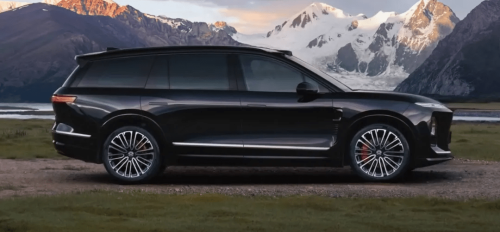
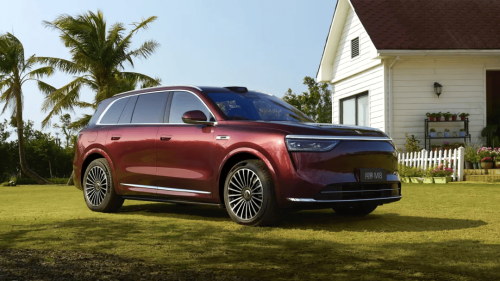



















 +35 others