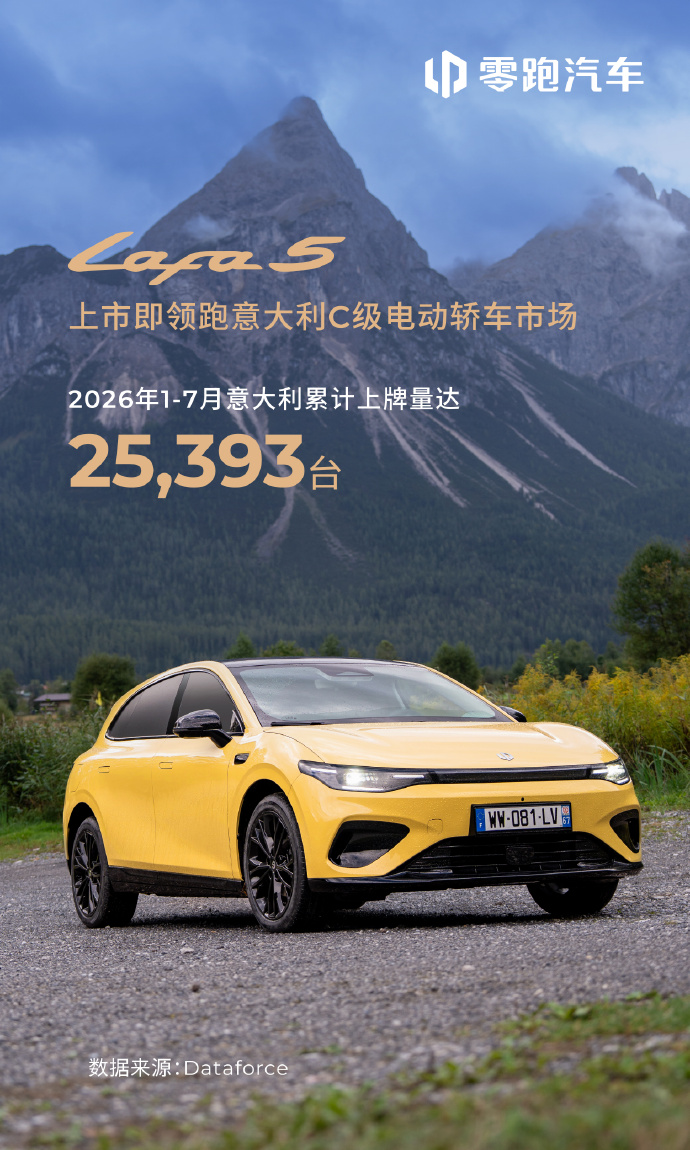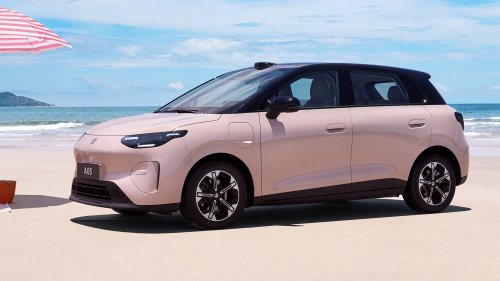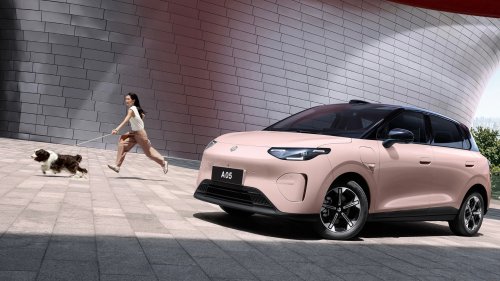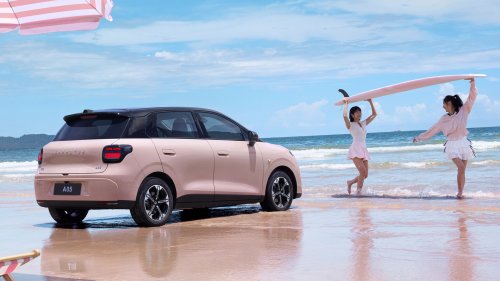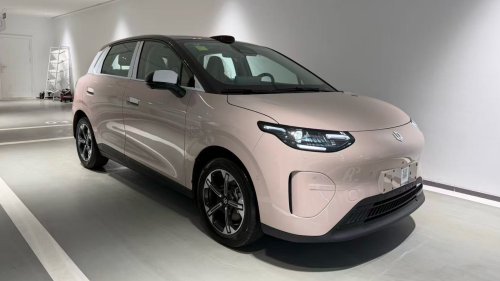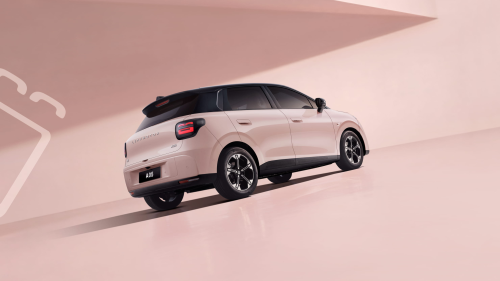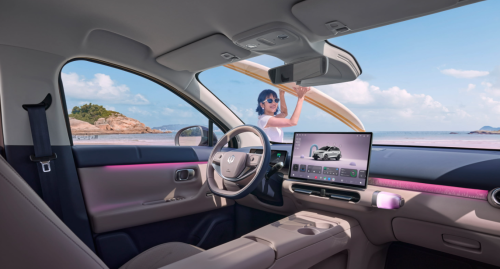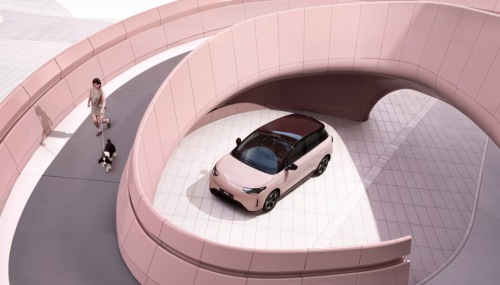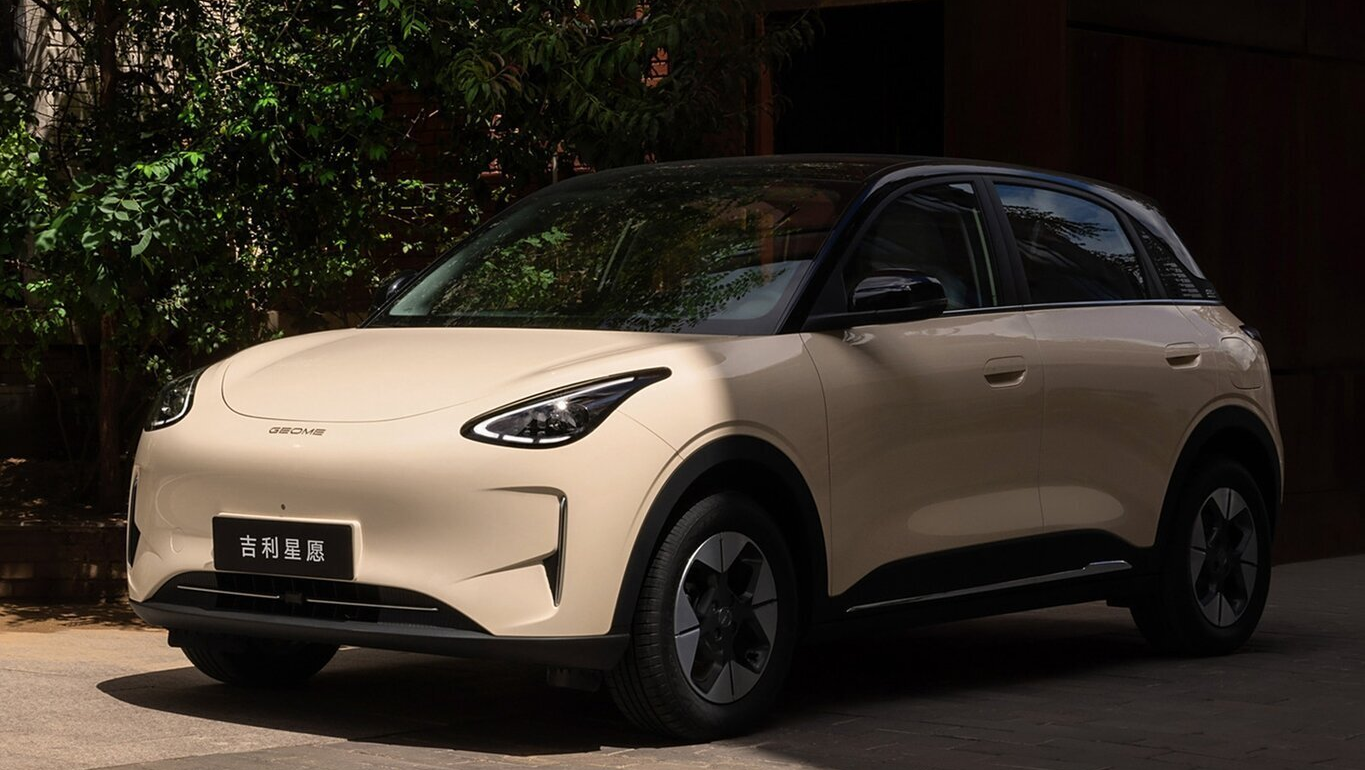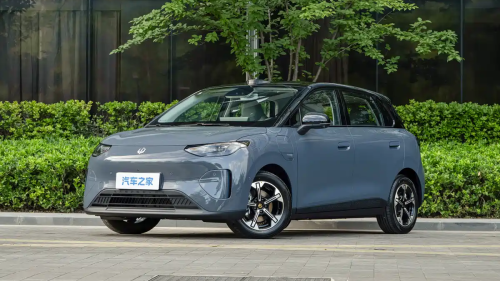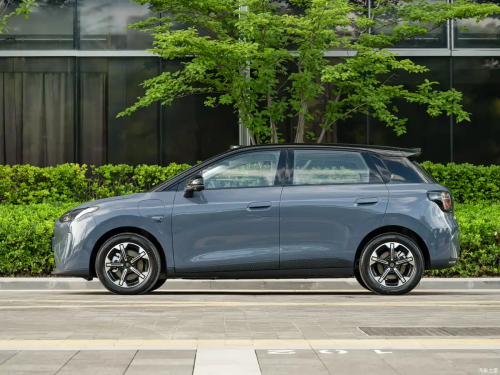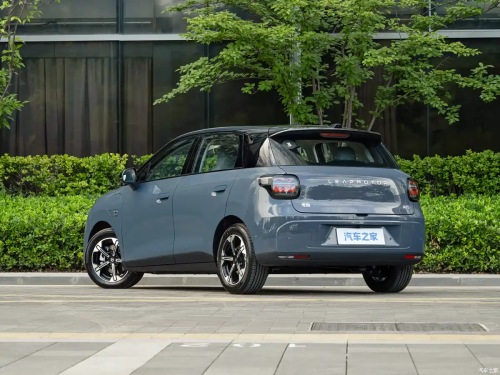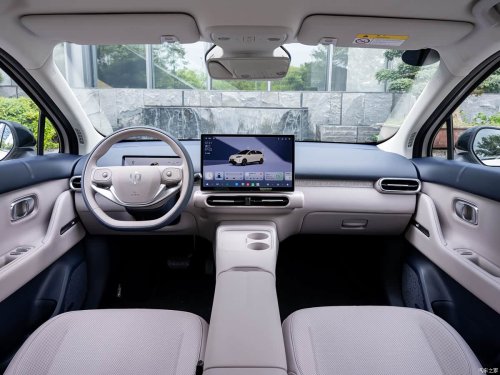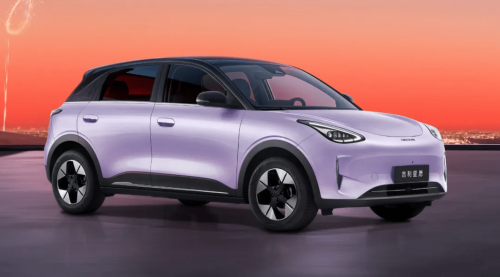
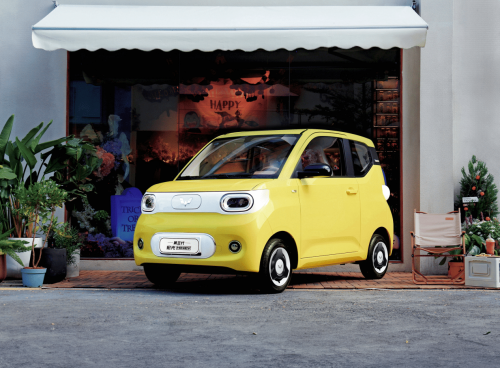
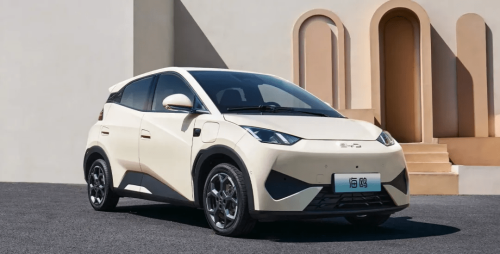
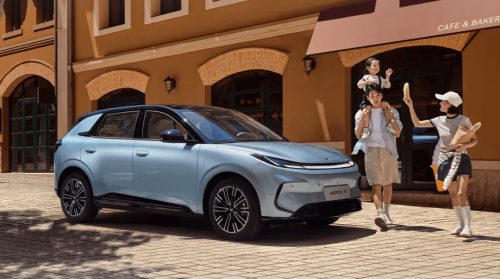
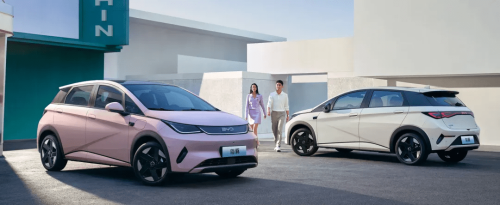
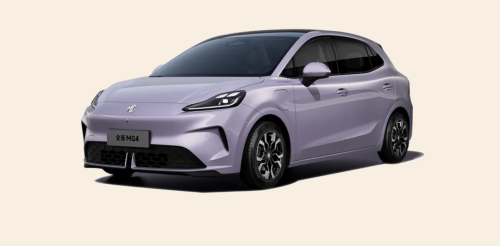
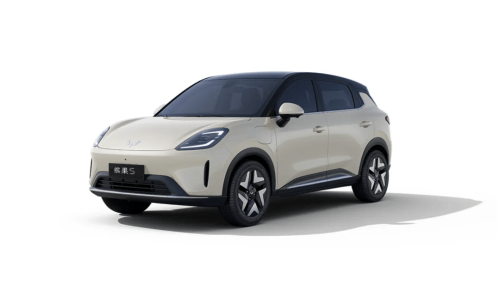
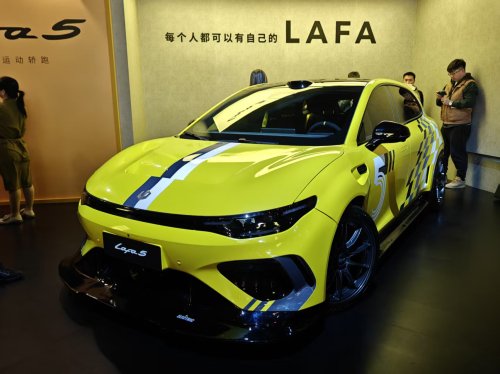
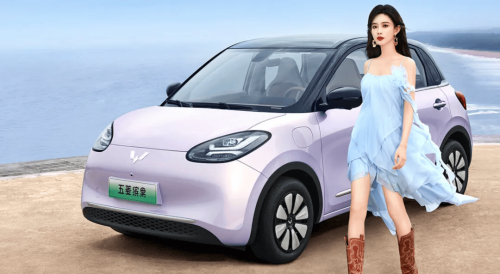
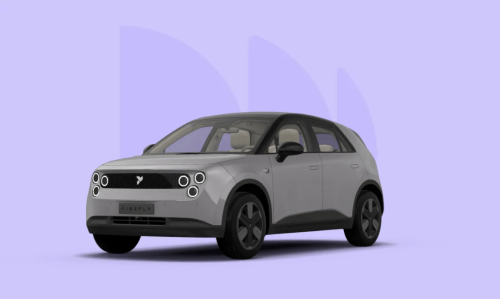



















China’s EV mini-car market cooled in December 2025, facing competition and declining sales across several models. China’s EV mini-car market — covering micro and small hatchbacks — showed signs of cooling in December 2025, despite having remained hot for most of the year. From the data, five of the top 10 best-selling EV mini-cars in December recorded month-on-month sales declines, with two models seeing drops of more than 30%. Moreover, models that were still in the top 10 in November — such as the Geely Panda, Changan Lumin, and Bestune Pony — fell completely out of the rankings. This reflects intensified competition from entry-level SUVs and sedans toward year-end 2025, as deeper discounts diverted a significant portion of demand away from small cars. That said, the December top 10 also welcomed new entrants, including the Leapmotor Lafa5 and the return of firefly. Firefly stands out in particular as the highest-priced model on the list, entering the mini-car top 10 with a “premium small car” positioning — a relatively rare achievement. It remains unclear whether the strong momentum for hatchbacks can be sustained into 2026. What is increasingly evident, however, is that larger and more upmarket models — aided by discounts and technology upgrades — are exerting growing downward pressure on the mini-car segment. For brands that rely heavily on hatchbacks for volume and lack traction in other segments, this trend could signal mounting risk. No. 1 Geely Xingyuan: 36,147 units In December 2025, Geely Xingyuan overtook the Wuling Hongguang MINIEV to reclaim the top spot in the segment. The shift was not driven by a surge in Xingyuan sales, but rather by a smaller decline relative to its rival. Geely Xingyuan sold 36,147 units in December, down 14.01% month-on-month. For the full year, cumulative sales reached 465,775 units, making it China’s best-selling single model across all categories — ahead of popular vehicles such as the Tesla Model Y. However, after peaking at 48,000 units in September, Xingyuan has declined for several consecutive months. The sharp drop during the year-end sales push, bringing volumes close to early-year levels, is not an encouraging signal. According to market information, Xingyuan currently offers at least RMB 3,000 ($420) in official cash discounts, with additional dealer and local incentives available. This suggests that the slowdown is less about insufficient incentives and more likely the result of competition from higher-positioned models. While market dynamics may still be adjusting, 2026 is likely to be a more challenging year for Geely Xingyuan. No. 2 Wuling Hongguang MINI EV: 29,365 units The Wuling Hongguang MINI EV narrowly held on to second place in December, with sales of 29,365 units — down 48.26% month-on-month. Full-year sales reached 435,599 units, just short of overtaking Xingyuan as China’s annual best-selling model. The MINI EV peaked in October with more than 60,000 units sold, followed by 56,000 units in November. The sharp collapse in December, during the critical year-end period, was unexpected. The assessment that Xingyuan may face headwinds in 2026 applies even more strongly to the MINI EV. Competition from similar models and cross-segment pressure from larger vehicles have intensified, and with demand saturation and seasonal weakness, January 2026 sales could be particularly weak. In terms of incentives, the four-door MINI EV version in January 2026 can be purchased for as low as RMB 38,800 ($5,432) after cash discounts and tax subsidies. For buyers seeking a second family car or a basic urban runabout, the MINI EV remains a competitive option. No. 3 BYD Seagull: 18,307 units BYD Seagull ranked third in December, with sales of 18,307 units, down 16.05% month-on-month. Full-year sales totaled 310,956 units, making it BYD’s second-best-selling model after the Qin PLUS family. Like other models in the segment, Seagull sales have trended downward since September 2025, signaling a broader cooling of demand and shifting consumer preferences in the mini-car market. One of the Seagull’s key developments in 2025 was the rollout of the “Smart Driving” version, with most variants equipped with BYD’s “God’s Eye-C (Dipilot 100)” driver assistance system, enabling highway navigation assistance. In some regions, Seagull buyers can receive cash discounts of around RMB 3,000 ($420), alongside official financing offers such as zero down payment or 50% down payment with 18 months of interest-free financing. No. 4 ARCFOX T1: 17,170 units ARCFOX T1 was the only model in the top five to post month-on-month growth in December, with sales rising 21.24% to 17,170 units. Full-year sales reached 56,478 units. Launched in September 2025, the T1 benefits from greater novelty compared with long-established rivals. Its rapid sales growth may also stem from what could be described as a “blurred positioning” — not in a negative sense. Although classified as a pure electric sedan in CPCA data, its dimensions give it a crossover-like presence, bordering on a compact SUV. With a length of 4,337 mm, a wheelbase of 2,770 mm, and a starting dealer price of RMB 62,800 ($8,792), the T1 offers a clear space advantage over similarly priced competitors. Current incentives focus on after-sales benefits such as lifetime free maintenance and optional feature giveaways, combined with financing offers of up to two years interest-free. No confirmed cash discounts have been disclosed. No. 5 BYD Dolphin: 15,602 units BYD Dolphin sold 15,602 units in December, down 9.92% month-on-month, with full-year sales of 160,745 units. Although Dolphin also recorded a decline, its lower baseline compared with Seagull made its performance appear relatively stable, maintaining fifth place in the rankings. Mainstream Dolphin Smart Driving variants currently offer financing incentives such as zero down payment and 24 months interest-free. Market sources suggest entry prices can fall to around RMB 88,000 ($12,320), down from the official starting price of RMB 99,800 ($13,972), after stacking multiple subsidies. BYD has not introduced official purchase tax subsidies, which could weigh on sales in early 2026. Overall, Dolphin maintains advantages over Seagull in space, power, and equipment, allowing the two models to complement each other in BYD’s entry-level lineup. No. 6 MG4: 14,056 units MG4 extended its positive momentum into December, with sales rising 3.55% month-on-month to 14,056 units. Despite its relatively short time on the market, full-year sales reached 51,650 units. MG4 follows a similar strategy to ARCFOX T1, emphasizing larger space, richer configurations, and stronger performance at comparable prices, adding a degree of driving enjoyment beyond basic transportation. With a length of 4,395 mm and a wheelbase of 2,750 mm, MG4 offers a clear size advantage over traditional mini-cars. The official starting price has been temporarily reduced to RMB 65,800 ($9,212). Incentives include RMB 3,000 ($420) in tax subsidies, compensation of 2,000 points for delayed delivery beyond Feb. 15, plus financing, color, and option giveaways. No. 7 Wuling Bingo S: 12,340 units Wuling Bingo S recorded a sharp 31.29% month-on-month decline in December, with sales of 12,340 units. Full-year sales totaled 53,820 units. Launched only in late September 2025, Bingo S matched ARCFOX T1 and MG4 in cumulative sales but followed a clear “high start, low finish” trajectory. While Bingo S offers improved design quality and a five-door, five-seat layout, its dimensions — 4,265 mm in length and a 2,610 mm wheelbase — do not stand out at its RMB 63,800–76,800 ($8,932–$10,752) price range. Range options of 325 km and 430 km also lag key competitors. Aside from purchase tax guarantees, other incentives remain limited. No. 8 Leapmotor Lafa5: 9,645 units Leapmotor Lafa5 climbed into the top 10 in December, with sales rising 30.39% month-on-month to 9,645 units. With less than three months of full sales in 2025, cumulative volume reached 17,764 units. Given its weaker “commuter car” attributes and a starting price near RMB 100,000 ($14,000), the growth trajectory is notable. Current incentives include RMB 5,000 ($700) in cash discounts, financing with RMB 11,800 ($1,652) down payment and 24 months interest-free, plus color and option giveaways and delivery compensation points. The Lafa5’s performance may offer fresh insights into the evolving small-car market. No. 9 Wuling Bingo: 8,015 units Wuling Bingo sold 8,015 units in December, up 9.29% month-on-month, with full-year sales of 136,213 units. Positioned between the MINIEV and Bingo S, the model now starts at RMB 51,800 ($7,252), reflecting a RMB 4,000 ($560) cash discount from its launch price. Its mid-range positioning allows it to capture demand for low-cost five-door, five-seat vehicles, underscoring continued demand in the entry-level market. Combined with purchase tax guarantees and trade-in subsidies of up to RMB 5,000 ($700), Bingo maintains strong value appeal. No. 10 firefly: 6,695 units Firefly returned to the top 10 in December, with sales of 6,695 units, up 12.54% month-on-month. Full-year sales reached 38,653 units. While its volume is modest, firefly is the highest-priced model on the list, with a starting price of RMB 119,800 ($16,772). Even under BaaS battery leasing, its effective starting price of RMB 79,800 ($11,172) remains above most rivals. Against this backdrop, its consistent sales growth carries significant weight. Current incentives are limited to option giveaways and purchase points. Despite early skepticism, firefly has exceeded expectations and established itself as a “premium small car.” Given its positioning, it is unlikely to reach the scale of mass-market models like Xingyuan or Seagull, but sustaining its current niche could be a positive outcome for NIO Inc.